
Neocaridina shrimp have become one of the most widely kept freshwater invertebrates in home aquariums. Their vibrant colorations, peaceful nature, and relatively forgiving water requirements attract hobbyists at every experience level. Still, many keepers struggle. The entire Neocaridina shrimp group can disappear within a few weeks when basic care requirements go unmet. The good news is that most of these losses are preventable with the right knowledge.
Content Table
This Neocaridina shrimp care guide covers everything from species background to water chemistry, substrate selection, and daily care routines that actually keep Neocaridina shrimp colonies healthy and breeding consistently.
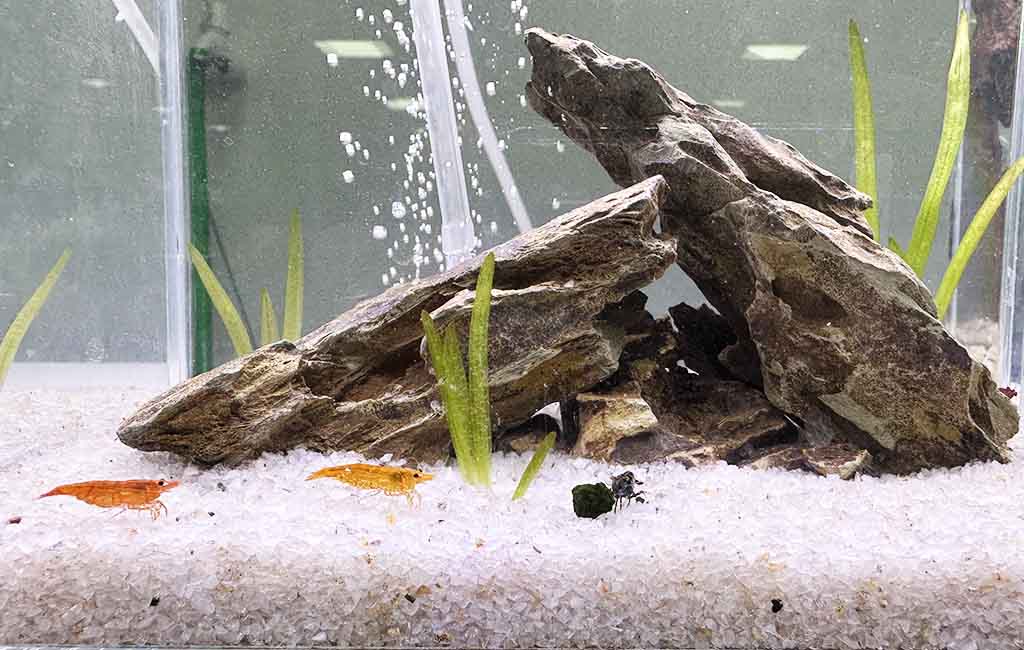
aquarium Neocaridina shrimp
Aquarium Neocaridina Shrimp: Species Profile and Natural Habitat
Neocaridina shrimp belong to the family Atyidae, a group of small freshwater shrimp distributed across East and Southeast Asia. The most commonly kept species is Neocaridina davidi, originally collected from freshwater streams, ponds, and rice paddies across Taiwan. In the wild, these shrimp occupy environments with moderate water flow, dense aquatic vegetation, and a steady supply of leaf litter and biofilm to graze on.
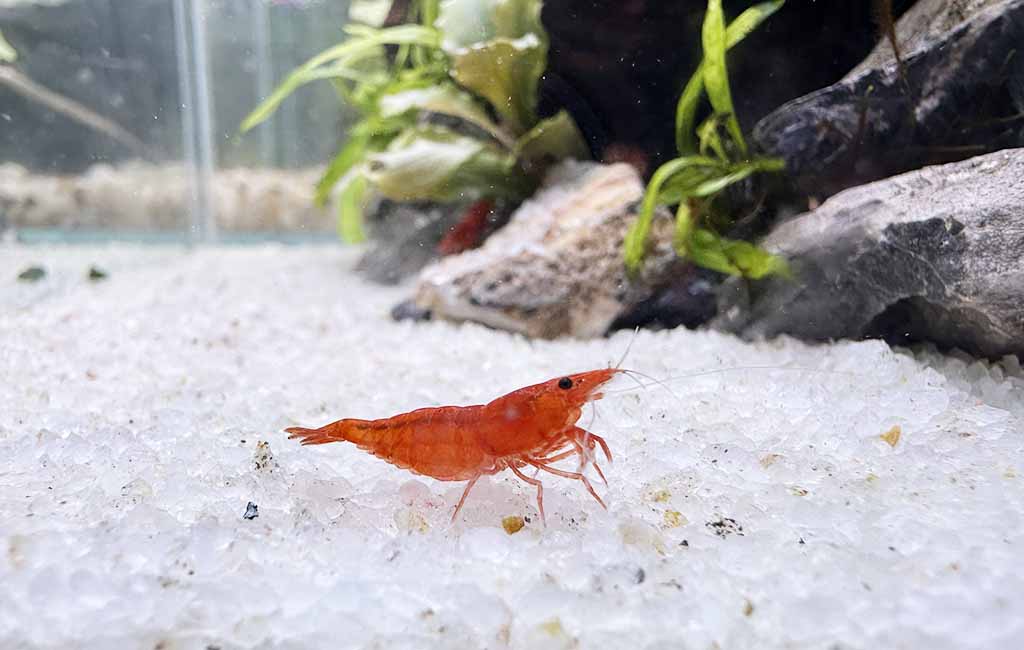
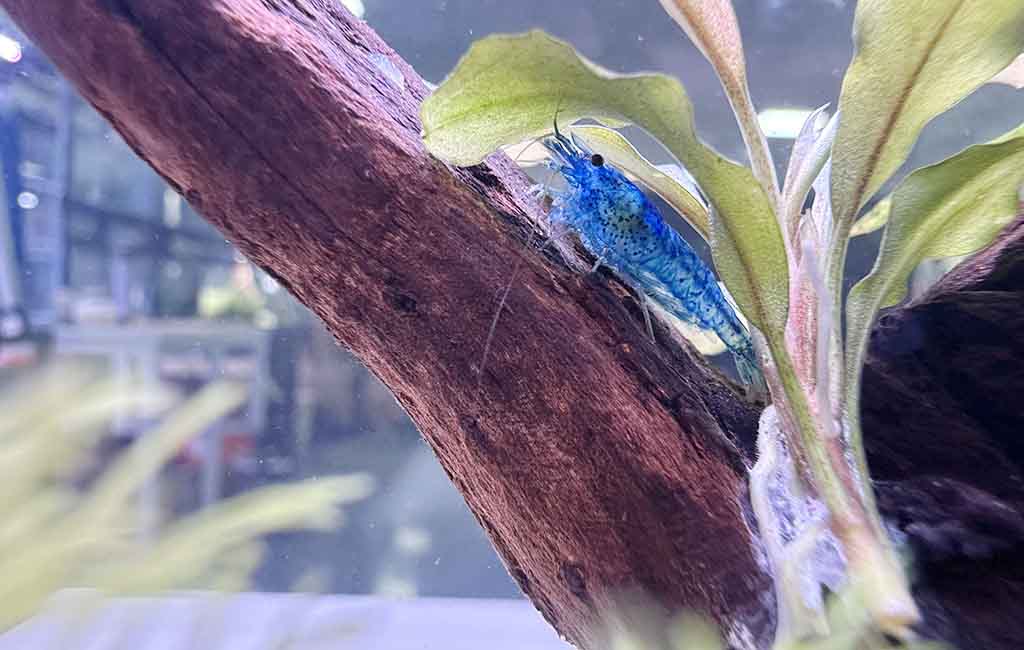
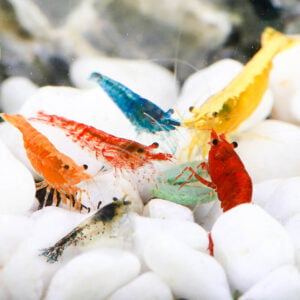
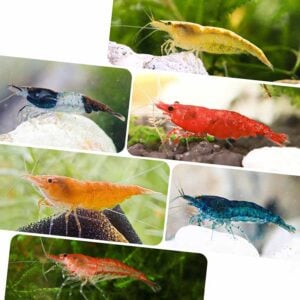
What makes the Neocaridina genus particularly compelling is the range of color morphs that have been selectively bred from a single base species. All of the following are color varieties of Neocaridina davidi:
- Red Cherry Shrimp (the most widely available beginner variety)
- Blue Dream Shrimp (a rich cobalt blue morph)
- Yellow Neocaridina (sometimes sold as Lemon Shrimp)
- Snowball Shrimp (white with an opaque body)
- Black Rose Shrimp (deep, near-black coloration)
- Chocolate Shrimp (a brownish morph with subtle patterning)
Adult Neocaridina shrimp grow to roughly 1 to 1.5 inches (approximately 2.5 to 4 centimeters). Females are noticeably larger and more intensely colored than males. Under stable conditions, they live for one to two years. Females can begin reproducing at around four to six months of age.
Their natural behavior in an aquarium mirrors what they do in the wild. They feed on algae, decaying plant matter, biofilm, and microorganisms, making them genuinely functional contributors to a tank ecosystem, not merely decorative.
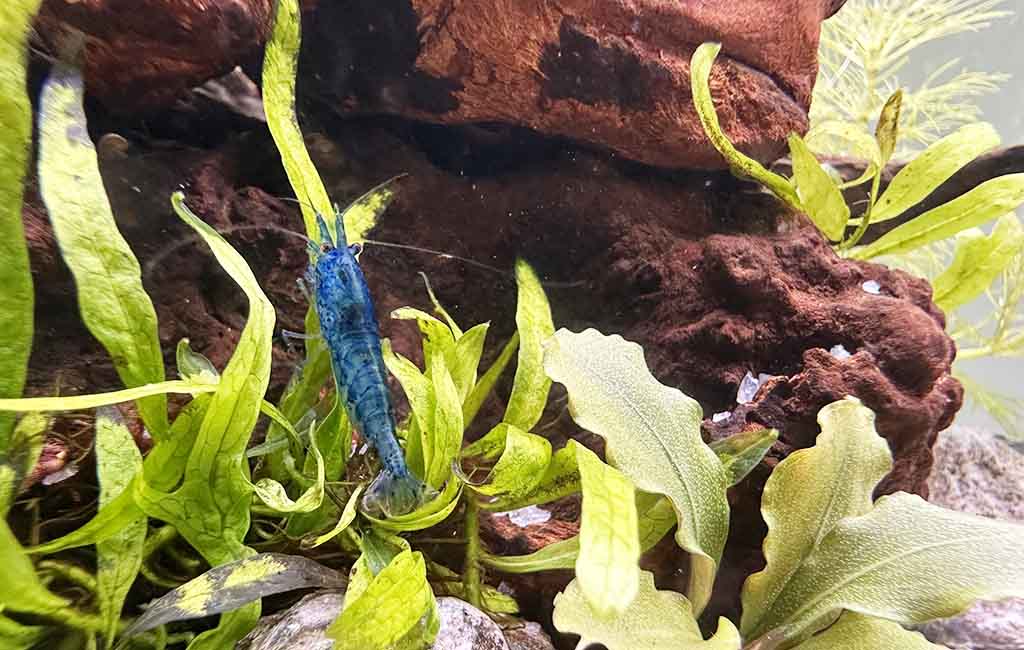
Are Neocaridina Shrimp Easy to Keep
Are Neocaridina Shrimp Easy to Keep in a Fish Tank?
Among dwarf shrimp species, Neocaridina are considered the most beginner-accessible option available. Their tolerance for a broader range of water parameters separates them clearly from Caridina shrimp, which require precisely soft and acidic water to survive.
That said, beginner-friendly does not mean maintenance-free.
- Keeping difficulty: Neocaridina shrimp fall into the easy to moderate category. They adapt reasonably well to stable tap water in most regions, provided the hardness and pH fall within acceptable ranges.
- Their role in the aquarium: These shrimp function as efficient algae grazers and biofilm consumers. They pick at glass surfaces, plant leaves, driftwood, and substrate continuously. In a planted aquarium, they reduce algae accumulation without damaging healthy plant tissue.
- Compatibility considerations: Neocaridina shrimp are fully peaceful. However, many common aquarium fish view them as food. Small tetras, Otocinclus catfish, and Pygmy Corydoras are generally safe companions. Bettas, large cichlids, and aggressive bottom dwellers should not share a tank with them.
One thing worth noting. Shrimp are highly sensitive to copper in any concentration, including trace amounts found in certain fish medications and plant fertilizers. This is one of the most underreported causes of sudden, unexplained colony loss.
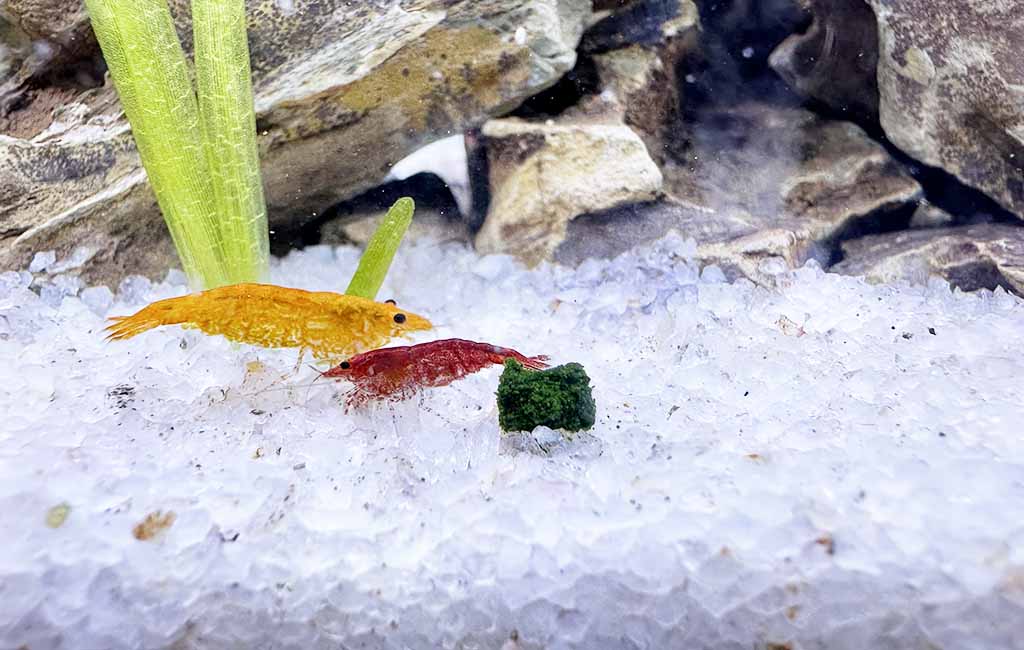
What do Neocaridina shrimp need
What Do Neocaridina Shrimp Need in the Tank?
Before purchasing shrimp, the aquarium must be fully cycled and chemically stable. A properly cycled tank matters far more than any specific equipment brand or decorative choice.
Essential tank requirements include:
- Tank size: A minimum of 5-8 gallons is workable, but ten gallons provides greater water stability and dilutes waste more effectively. Larger volumes experience fewer sudden parameter shifts.
- Filtration: A sponge filter is the standard recommendation. It provides solid biological filtration without the suction that can injure or trap small shrimp. Hang-on-back filters can be used if the intake is covered with a pre-filter sponge.
- Live plants: Java Moss, Java Fern, Anubias, and Hornwort create surface area for biofilm growth, which shrimp graze on constantly. Dense planting also provides refuge during molting, when shrimp are physically vulnerable.
- Hiding spaces: Rocks, ceramic tubes, driftwood, and moss balls offer additional shelter and supplementary biofilm surfaces.
- Lighting: Moderate light levels support plant growth without overheating the water. Direct sunlight exposure causes temperature fluctuations that significantly stress shrimp.
Introducing shrimp into an uncycled tank is among the most common and costly beginner errors. The tank must register zero ammonia and zero nitrite before any shrimp enter the water.
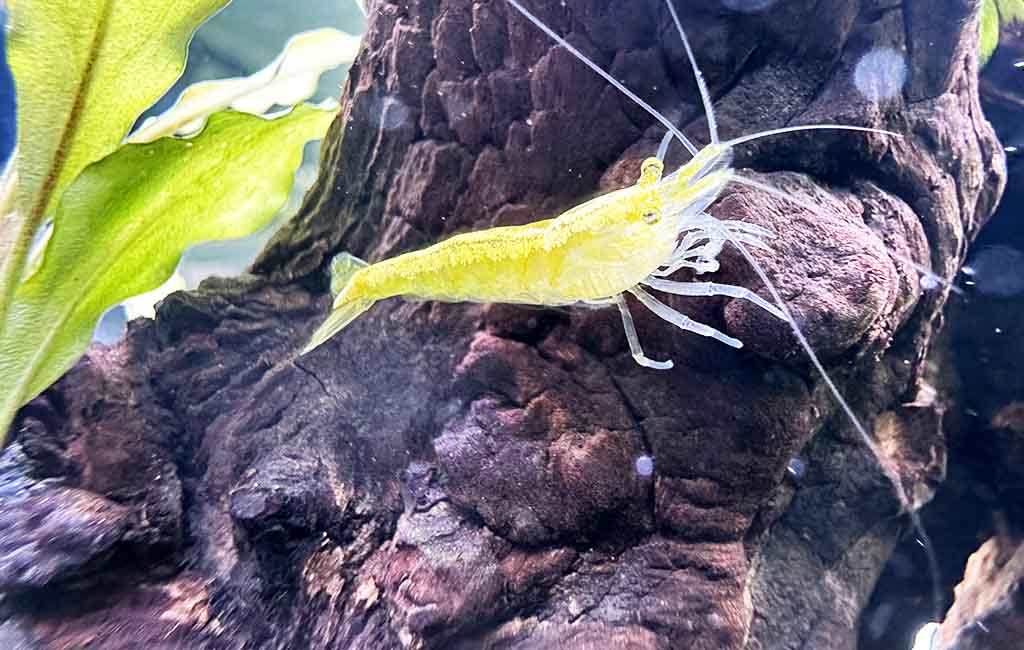
Water Parameters for Neocaridina Shrimp
Water Parameters for Neocaridina Shrimp
Water chemistry is the foundation of shrimp health. Parameters do not need to be perfect, but they must remain stable. A sudden shift is far more dangerous than a reading that sits slightly outside the ideal range.
| Parameter | Acceptable Range | Ideal Range |
| Temperature | 65°F to 78°F (18°C to 26°C) | 68°F to 74°F (20°C to 23°C) |
| pH | 6.5 to 8.0 | 7.0 to 7.5 |
| General Hardness (GH) | 4 to 10 dGH | 6 to 8 dGH |
| Carbonate Hardness (KH) | 2 to 8 dKH | 2 to 5 dKH |
| TDS | 100 to 300 ppm | 150 to 250 ppm |
| Ammonia | 0 ppm | 0 ppm |
| Nitrite | 0 ppm | 0 ppm |
| Nitrate | Below 40 ppm | Below 20 ppm |
Two parameters that receive less attention than they deserve: GH and KH. General Hardness reflects the concentration of calcium and magnesium in the water. Shrimp rely on these minerals to build and maintain healthy exoskeletons. Carbonate Hardness stabilizes pH and prevents dangerous swings. In regions with very soft tap water, placing a small amount of crushed coral in the filter gradually and naturally raises both GH and KH.
Temperature also matters more than many beginners expect. Sustained temperatures above 78°F stress Neocaridina noticeably and increase their susceptibility to bacterial infections and failed molts.
Substrate Soil for Neocaridina Shrimp
Substrate Soil in the Neocaridina Shrimp Tank
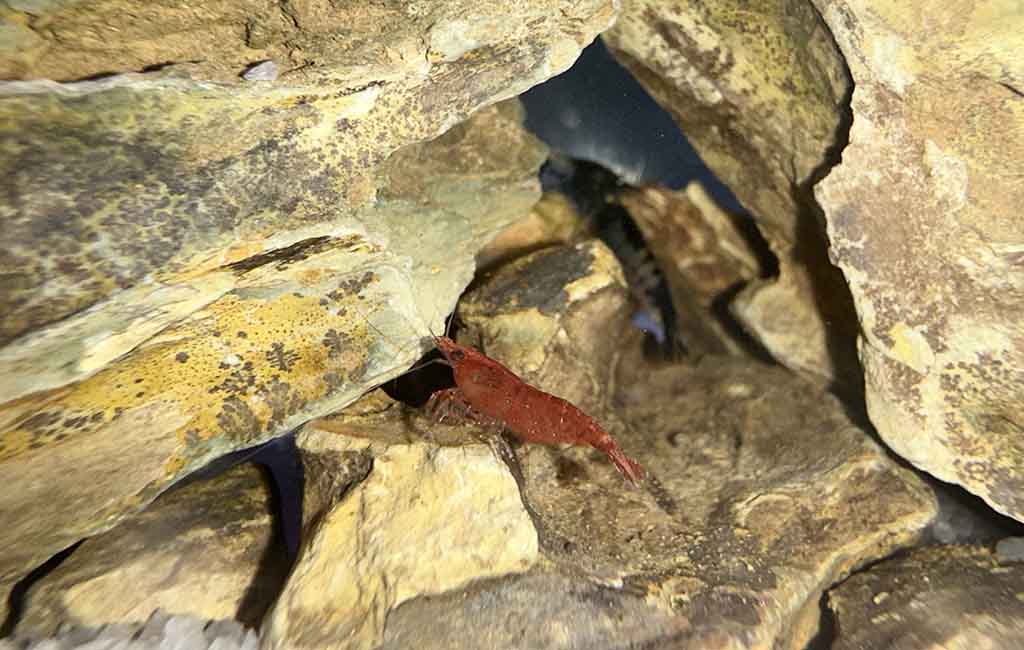
Unlike Caridina shrimp, which require active buffering substrates to maintain acidic pH levels, Neocaridina shrimp thrive on inert substrates. This distinction makes setup considerably simpler and less expensive.
Recommended Substrate Options
- Plain aquarium gravel: Medium-grade material (2 to 4 mm) allows good water circulation and does not compact as severely as finer material.
- Aquarium sand: Fine sand works well aesthetically, though it benefits from occasional gentle disturbance to prevent compaction and reduce dead zones in the substrate.
- Inert planted tank substrates: Products like hygger Aquarium soil supply nutrients to plant roots without altering water chemistry or pH.
What to Avoid
- Active buffering substrates, some substrate soils are engineered to drive pH toward the acidic range. This suits Caridina species but creates unnecessarily low pH for Neocaridina, where a neutral to mildly alkaline environment is preferred.
- Substrates treated with chemical coatings may release trace compounds, including copper, over time.
Dark substrate also has a secondary visual benefit. It intensifies the apparent coloration of the shrimp. Red Cherry and Blue Dream morphs appear noticeably more vivid against dark gravel compared to pale or white substrate.
Neocaridina shrimp care guide
Neocaridina Shrimp Care Sheet
- Feeding
Neocaridina shrimp are opportunistic omnivores. In a mature, planted tank, biofilm and natural algae provide a substantial portion of their dietary needs. Supplemental feeding accelerates growth and supports breeding activity.
- Shrimp pellets or granules: Select products with a protein content between 30% and 40%, with spirulina or other algae listed as a primary ingredient.
- Blanched vegetables: Zucchini, spinach, kale, and cucumber are accepted with enthusiasm. Blanching softens the cellular structure and improves nutrient availability.
- Algae wafers: Useful as an occasional supplement, particularly in newer tanks where natural algae are still developing.
Feed everyone every one to two days in small quantities. Remove any uneaten food within 24 hours to avoid ammonia spikes.
- Molting and Mineral Support
Shrimp shed their exoskeleton periodically as they grow. This process, called shrimp molting, is one of their most vulnerable moments. A failed molt typically results from insufficient calcium and magnesium in the water. Visible signs include a shrimp that appears half-emerged from its old shell and is unable to complete the process.
To support healthy molting:
- Maintain GH within the 6 to 8 dGH range
- Offer mineral-rich supplements such as dried cuttlebone fragments or commercially produced shrimp mineral products
- Avoid performing large water changes in rapid succession, as this can trigger premature molting
- Breeding
In stable conditions, Neocaridina breed without much intervention. A gravid female, recognizable by a visible egg mass (called a saddle) behind her head, releases eggs into her swimmerets shortly after molting. She carries and fans the eggs for approximately 25 to 35 days before the juveniles hatch.
Newly hatched shrimp are miniature adults. They begin grazing on biofilm independently from their first hours of life. In a well-planted tank without predatory tank mates, a colony can double in size within two to three months.
- Water Changes
Weekly water changes of 10% to 20% maintain water quality without introducing major parameter swings. Always treat tap water with a full-strength dechlorinator before adding it to the tank. Introduce new water slowly to minimize temperature and chemistry shock to the shrimp.
Neocaridina Shrimp Care Sheet
Lasting Impressions
Neocaridina shrimp reward patience and consistency above almost everything else. A well-cycled tank, stable water parameters, and moderate feeding habits build an environment where these animals genuinely flourish. The most successful keepers are not necessarily the most experienced aquarists. They are simply the ones who resist the urge to over-manage.
Check your parameters regularly, keep copper-containing products away from the tank, and give the colony adequate time to establish itself. Do that, and these small, industrious shrimp will not just survive in your aquarium. They will fill it with color, movement, and new life season after season.
Related Products


Leave a comment