
Reptiles are becoming increasingly popular as household pets, especially among people looking for a quiet, low-allergen, and visually fascinating companion. Unlike traditional pets such as dogs or cats, reptiles do not require daily walks, constant attention, or emotional interaction. This makes them appealing to beginners, apartment dwellers, and people with busy lifestyles.
Content Table
However, reptiles are often misunderstood. While many species are hardy and easy to care for, reptiles are not “low-effort” pets. They rely heavily on their environment to survive. Temperature, humidity, lighting, enclosure size, and diet must all be carefully managed. Choosing the right reptile species is the most important step for a beginner, as some reptiles are far more forgiving of mistakes than others.
This article explores whether reptiles can bond with their owners, highlights lesser-known beginner-friendly reptiles, explains which reptiles tolerate handling best, and provides a detailed list of the top reptiles for first-time owners. By the end, you’ll have a realistic understanding of reptile ownership and a clear idea of which reptiles make the best beginner pets.
Can Reptiles Feel
Can Reptiles Feel Affection for Their Owners?
Reptiles do not feel affection in the same way mammals do. They lack the complex emotional brain structures responsible for love, attachment, and social bonding. This often leads to the misconception that reptiles are cold or unresponsive pets. In reality, reptiles experience the world differently, relying more on instinct, memory, and environmental cues.
While reptiles do not form emotional attachments, many can recognize their owners over time. They may associate a person with feeding, warmth, or safety. This recognition often results in calmer behavior, reduced stress, and less defensive reactions during handling. A reptile that remains relaxed when picked up or does not attempt to flee is demonstrating trust rather than affection.
For beginners, it’s important to adjust expectations. Reptiles do not seek attention or physical closeness, but they can become comfortable with routine interaction. Understanding this distinction helps owners appreciate reptiles for what they are rather than expecting mammal-like behavior.
The Relationship of Reptiles and Their Owners
The relationship between reptiles and their owners is built on consistency, patience, and proper care. Reptiles thrive in predictable environments. Sudden changes in temperature, lighting, or handling routines can cause stress and illness.
New owners should allow their reptile time to acclimate after bringing it home. This adjustment period may last several days or even weeks. During this time, handling should be minimal. Observing the reptile’s natural behaviors—basking, exploring, eating—helps owners learn how their pet responds to its environment.
Handling should always be gentle and deliberate. Supporting the reptile’s body fully and avoiding sudden movements builds trust over time. Many beginner-friendly reptiles tolerate regular handling once they feel secure. This quiet, trust-based relationship is different from traditional pets but highly rewarding for owners who enjoy observation and routine care.

reptiles good pets
Good Reptile Pets You Don’t Know About
While bearded dragons and leopard geckos dominate beginner recommendations, several lesser-known reptiles are also excellent choices for first-time owners.
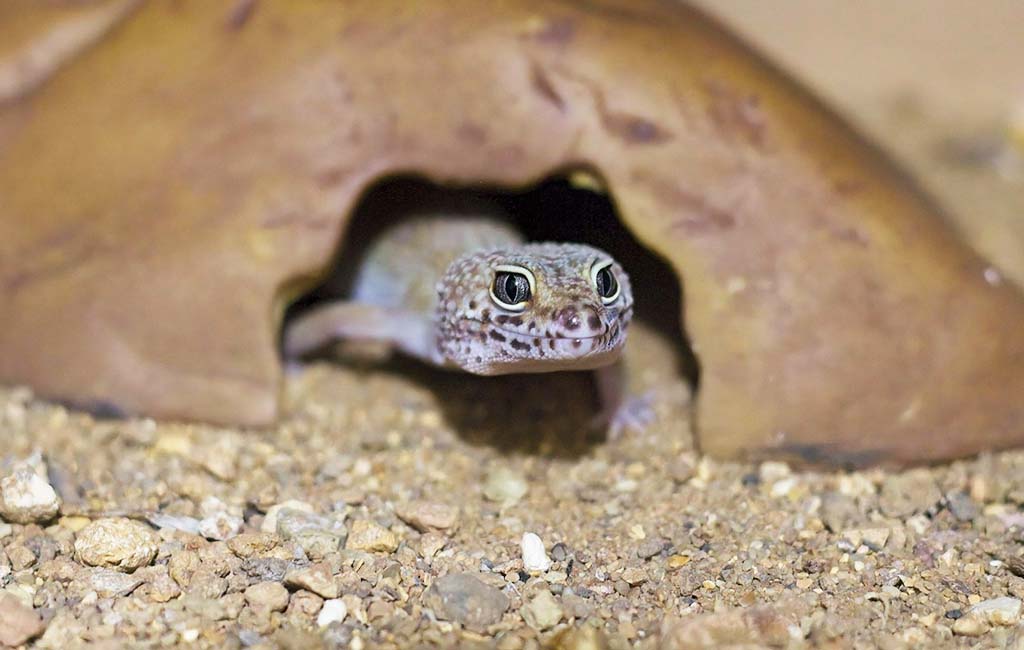
African fat-tailed geckos are often overshadowed by leopard geckos, but are equally beginner-friendly. They are slow-moving, docile, and thrive in similar setups. Their calm nature makes them ideal for owners new to handling reptiles.
Rosy boas are small, non-venomous snakes with gentle temperaments. They are easy to care for, eat readily, and rarely display aggression. Their manageable size makes them less intimidating than larger snake species.
Uromastyx lizards are hardy desert reptiles that primarily eat plant-based diets. While they require strong UVB lighting and heat, their feeding routine is simple, making them appealing to beginners willing to invest in proper equipment.
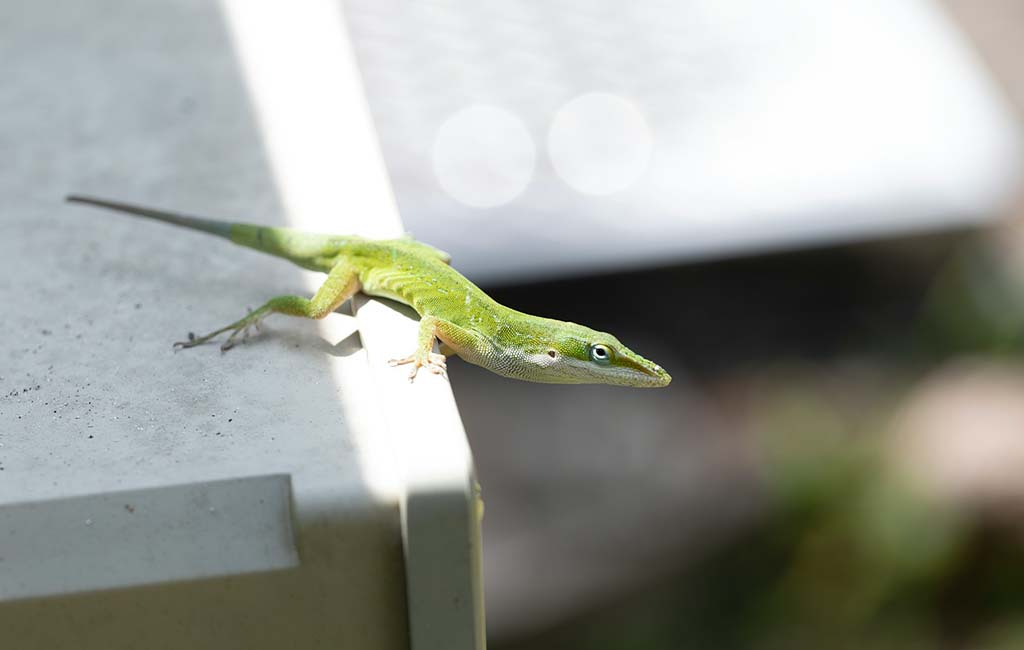
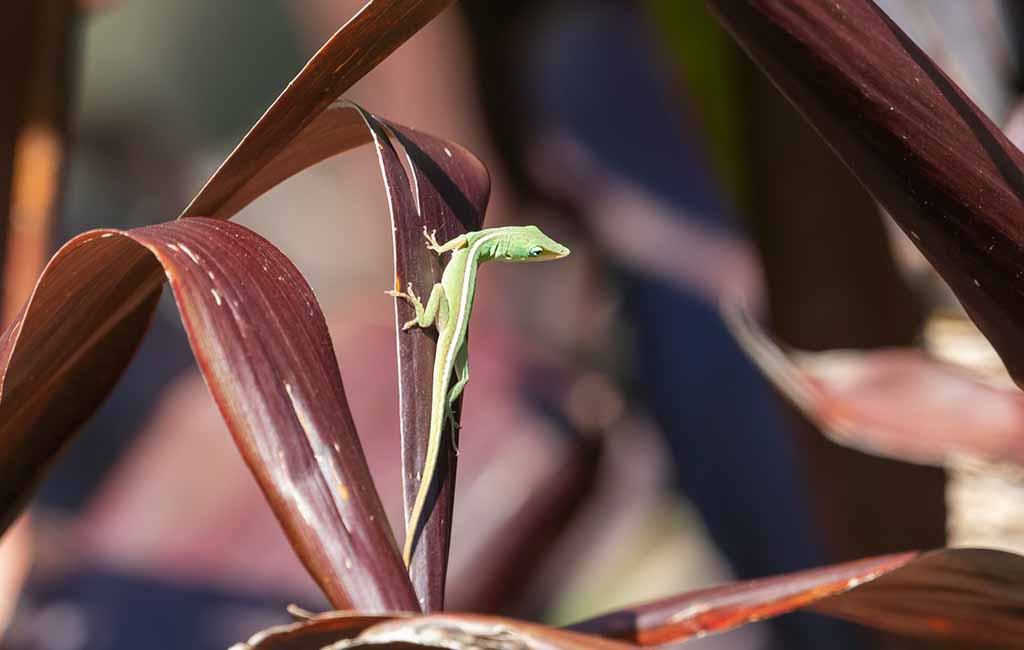
Green anoles are inexpensive, active lizards that are best suited for observation rather than handling. They are ideal for beginners who want a visually engaging reptile without frequent interaction.
Exploring lesser-known reptile species allows beginners to find reptiles that suit their lifestyle while avoiding overcrowded or overbred options.
The Most Cuddly Reptile Pets
The Most Cuddly Reptile Pets
The term “cuddly” can be misleading when applied to reptiles. Reptiles do not seek physical contact, but some species tolerate handling exceptionally well and remain calm when held.
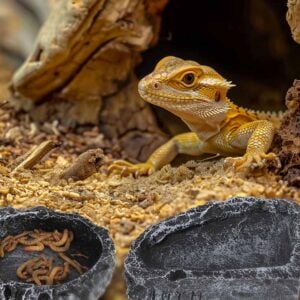
Bearded dragons are widely considered the most beginner-friendly reptiles. They are docile, hardy, and often remain relaxed during handling. Many will sit calmly on an owner’s shoulder or lap.
Blue-tongue skinks are intelligent reptiles that often recognize their owners. They tolerate handling well and appear curious rather than stressed when interacted with properly.
Leopard geckos are gentle and slow-moving, making them easy to handle for beginners who want occasional interaction without demanding care routines.
Corn snakes are calm, adaptable, and easy to handle. With proper support, they often move slowly and remain relaxed during handling sessions.
Handling should always be brief and respectful. Even tolerant reptiles can become stressed if handled too frequently or improperly.
reptiles pets for Beginners
Top 10 Reptiles Good Pets for Beginners
Below is a detailed list of the top reptiles recommended for beginner owners, based on temperament, care requirements, and availability.
- Bearded Dragon
Friendly, hardy, and interactive. Excellent for beginners who want a reptile that tolerates handling well.
- Leopard Gecko
Low-maintenance and ideal for smaller spaces. They are calm, quiet, and easy to care for.
- Corn Snake
One of the easiest snakes to care for. Adaptable, non-aggressive, and forgiving of beginner mistakes.
- African Fat-Tailed Gecko
Docile and slow-moving, making them ideal for gentle handling and beginner setups.
- Blue-Tongue Skink
Highly intelligent and personable, though they require larger enclosures and more space.
- Ball Python
Calm and popular among beginners. While some may be picky eaters, their care is straightforward.
- Crested Gecko
Does not require high heat and can thrive on prepared diets, making care simpler for beginners.
- Rosy Boa
Small, gentle, and easy to manage. An excellent introduction to snake ownership.
- Green Anole
Active and visually engaging. Best suited for observation rather than frequent handling.
- Uromastyx
Hardy and plant-eating, ideal for beginners willing to invest in proper lighting and heat.
Each of these reptiles offers a balance of manageable care and rewarding ownership.

Reptiles Good Pets for Beginners
To Conclude
Reptiles can make exceptional pets for beginners when chosen thoughtfully and cared for responsibly. While they do not form emotional bonds like mammals, reptiles develop trust-based relationships built on routine and proper care. Their quiet nature, fascinating behaviors, and unique appearances make them rewarding companions for owners who enjoy observation and consistency.
Successful reptile ownership starts with education. Understanding a species’ environmental needs before bringing it home prevents common mistakes and ensures long-term health. Investing in proper enclosures, lighting, and heating equipment is essential.
Whether you choose a well-known beginner reptile or a lesser-known species, reptiles offer a unique pet experience unlike any other. With patience, preparation, and realistic expectations, beginner owners can enjoy many years with these remarkable animals.
Related Products



Leave a comment