
Coral reefs have various neighbors, like fish, algae, invertebrates, and other corals. If there are different types of corals in the same reefs, e.g., LPS, SPS, and Soft, they will compete with each other. They will suppress the other’s growth through various methods. These methods, some suitable species, and how to avoid them, are discussed in the following. Scroll down and read the full article.
Content Table
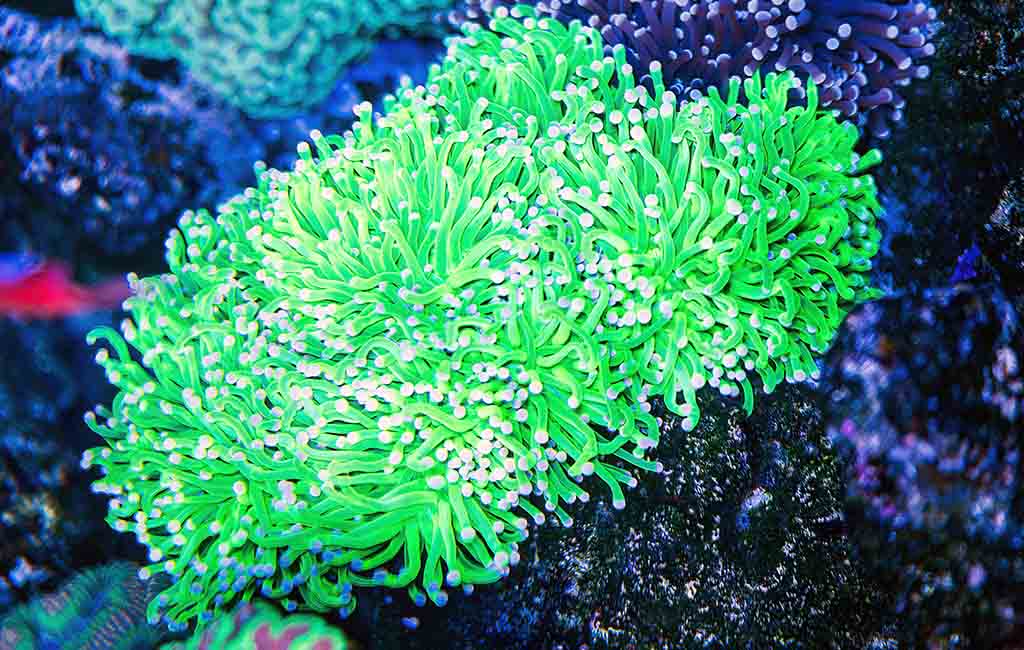
coral neighborhood
Coral Neighborhood
Coral reefs build a large part of the ocean ecosystem. They provide food and shelter for many species. Whether it is in the ocean or in an aquarium, it has many neighbors.
Neighbors in Oceans
Coral build with the secretion of polyps. Polyps secrete calcium, a building block of coral reefs. They have many residents, which include mainly the following species.
Fish
- Clownfish
- Damselfish
- Tangs
- Warsses
- Butterflyfish
Invertebrates
- Shrimps
- Crabs
- Snails
- Sea urchins
- Starfish
Algae and Zooxanthellae
Algae to improve the oxygenation of the coral reefs and also provide nutrients. Algae improve the coloration of the corals.
Predators
They come to hunt and rest at the coral reefs. It includes the following
- Large fish
- Sea turtles
- Sharks
Neighborhood in Aquarium
Unlike the ocean reefs, aquarium corals depend on the owner’s choice, and their neighborhood is completely according to the will of the owner. However, usually a coral aquarium system contains the following components.
- Live corals
- Fish
- Invertebrates
- Lighting
- Aquarium pump
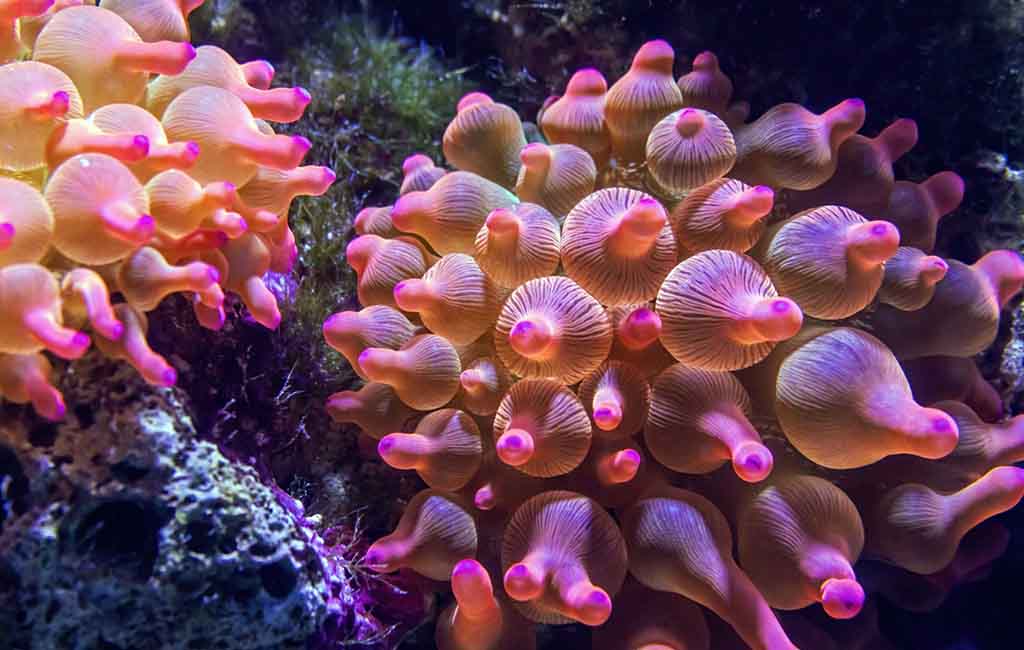
Aggressive Coral Neighborhoods
Aggressive Coral Neighborhoods
Corals have a strong opposition from their neighboring corals. They compete with others and use many aggressive methods to suppress the other corals. Here are the methods and some details.
Coral Aggression
In competition, they use various aggressive methods to surpass the other corals. Here are some methods.
- Physical contact
- Direct tissue digestion
- Allelopathy
Physical Contact
Usually, it happens with hard corals. They extend their sweeper tentacles that have nematocysts, i.e., stinging cells. These stinging cells burn the neighboring corals. These tentacles can extend up to 15 cm. Other than the long tentacles, there are some corals as well with short, extended tentacles, with powerful stinging cells. You can observe this phenomenon in the following corals.
- Galaxea
- Euphyllia (hammer, torch, and frogspawn corals)
- Goniopora
- Platygyra
- Echinopora
- Hydnophora
- Acanthastrea echinata
Direct Tissue Digestion
This is another level of aggression as physical contact only damages the outer surface, but this method is dangerous. In this method, the aggressive coral extends their emsenterial filaments. These filaments secrete the digestive enzymes of the victim coral and break down their tissues. In result, you will see the dead or bare skeleton patches in the victim coral. Some examples of such corals are as follows.
- Favia
- Favites
- Scolymia
- Pavona
- Cynarina
Allelopathy
Allelopathy is common among the soft corals. In this method, the corals release toxic compounds that are harmful to the other corals. In severe cases, they can even die. Asa result, you can see the inhibited growth, damage to tissues and zooxanthellae, and suppressed growth. These neighbors are not suitable to keep in the tank. Here are examples of such corals.
- Sarcophyton (Leather corals)
- Lobophytum
- Sinularia
- Lemnalia
- Nepthea
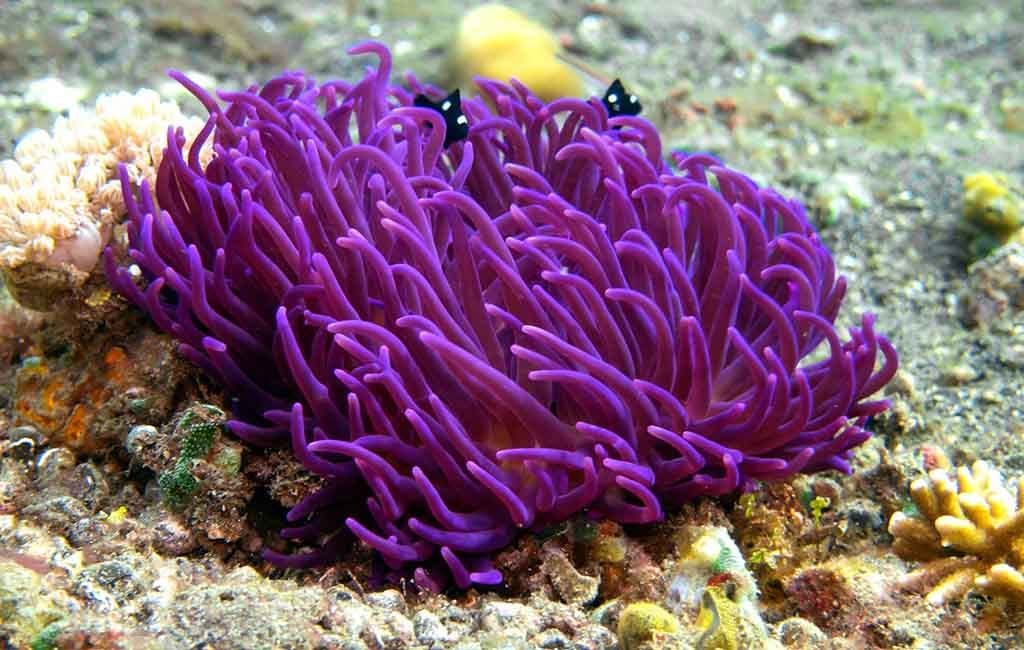
How to avoid aggressive coral
How Aggression Impacts Reef Tanks
It destabilizes the environments in the ocean as well as in the tanks. You can see the result or damage in various shapes. Here are some possible outcomes.
Physical Damage
- Coral Bleaching
- Tissue recession
- Dead patches
- Closed appearance
System-Wide Damages
- Toxin accumulation
- Weak immune system
- Stund growth
- Discoloration
- Stress
Space Problems
In a close tank environment, when a coral outcompetes the rival coral, it goes for tank invasion. This tank invasion will cause a small space for other species and tank inhabitants.
The Outcome of Coral Competition
Outcomes have not only downsides but also advantages. Here are both outcomes that you can get by having an aggressive coral neighborhood in the tank.
| Advantages | Disadvantages |
| Encourages natural growth shapes | Kill nearby corals quickly |
| Helps corals adapt to neighbors | Releases harmful toxins into water |
| Boosts growth in some species | Lowers overall water quality |
| Creates more interesting coral structures | Limits space for new corals |
| Promotes balance in mature tanks | Moving corals slows their growth |
| Teaches aquarists better care skills | Some corals can become invasive |
Avoid the Aggressive Neighborhoods in Reef Tanks
It is good to have a coral tank with proper planning so that you can avoid unnecessary threats and issues. Here is the way to avoid the aggressive neighborhoods in reef tanks.
Species Selection
- Study species compatibilityand select the same level of aggression species.
- Now, about the growth rates and sizes of the species. Like fast growing are more invasive than small coral fragments.
- Also, research about the allelopathy and sweeper tentacles of the corals.
- At the beginning, start with beginner-friendly and peaceful corals, e.g., Montiporaand Acropora.
Placement
| Coral Type | Spacing (inches) |
| LPS | 6 |
| SPS | 3 |
| Soft | According to the requirements, some species grow faster |
- If you are looking for low flow, maintain high spacing; for high flow, maintain low spacing.
- They show different growth patterns like encrusting, branching, and plating. Space them according to their shape.
- Place sweeper tentacles and corals in such a way that the flow turns their tentacles to open space and soft corals downwind.
Maintain Water Quality
- Weekly change 10 to 20% tank’s water. It can vary according to the bioload.
- Use 0.5 to 1 cup of Granular activated carbon per 50 gallons. It’ll remove about 99.7% allelopathic compounds.
- Use a protein skimmerin the tank.
Monitoring and Maintenance
- Regularly prune the corals.
- Look at the corals after feeding or at night.
- Cure the problem as soon as you see a sign of the problem. You can cure it by replacing, pruning, or removing.
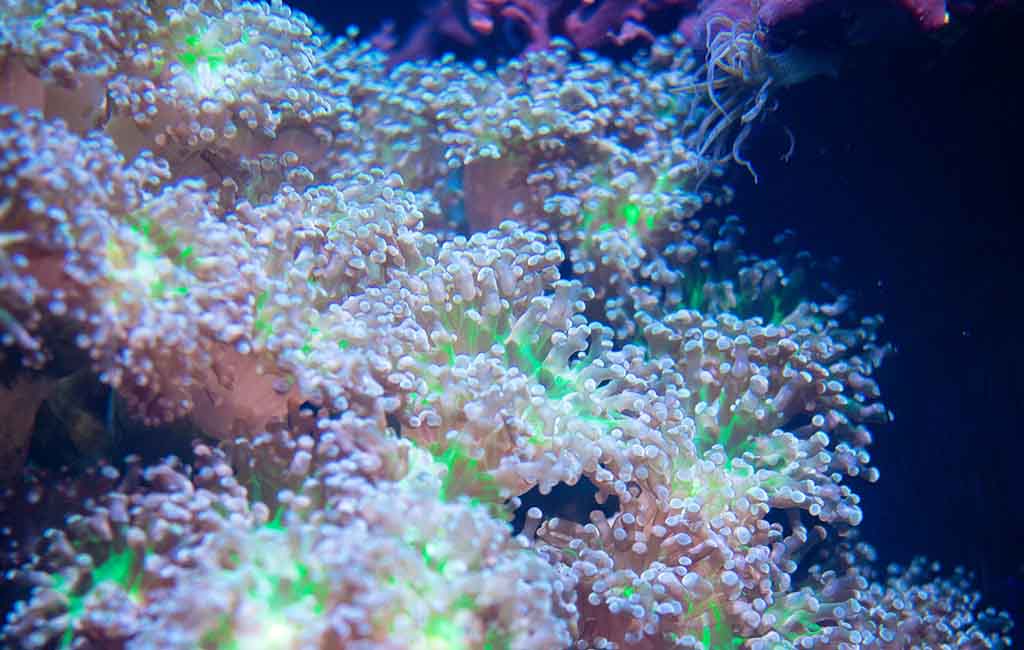
best neighborhoods in Coral
Creating a Peaceful Neighborhood for Corals
It is important to do proper planning to create a peaceful neighborhood for corals in the tank. Here are some suggestions that will help you to do so.
Coral Zones
Build coral zones in the tank and put the similar aggression corals together as they can tolerate each other. Here are zones and some suitable species that you can keep in your tank.
| SPS dominant tanks | Acropora, Montipora, Pocillopora |
| LPS dominant tanks | Euphyllia, Trachyphyllia, Brain corals |
| Soft coral dominant tanks | Zoanthids, leathers, mushrooms, Xenia |
Vertical Coral Zonation
The other way to create a better neighborhood is to use vertical coral zonation in the tank. It will reduce the competition among the corals. Here is an optimal vertical zonation for your reef tank.
| Position | Coral type |
| Top | SPS |
| Middle | LPS |
| Bottom | Soft |
Protective Structure
Build the protective structure in the tank to keep the coral safe from aggression. Moreover, they also help in zoning. Here are some protection structures.
- Overhangs
- Ledges
- Low-light caves
- Rock barriers
Quarantine
New corals are somewhat unpredictable. To know about them, it would be better to keep them in a quarantine tank. You will get the following insights.
- Aggression level
- Sweeper reach
- Compatibility
Advance Techniques
If you have mixed reefs in your tank, you need to adapt some advanced techniques as follows.
- Flow direction to redirect toxins
- Fragging aggressive colonies
- Physical barriers like egg crates or acrylic panels
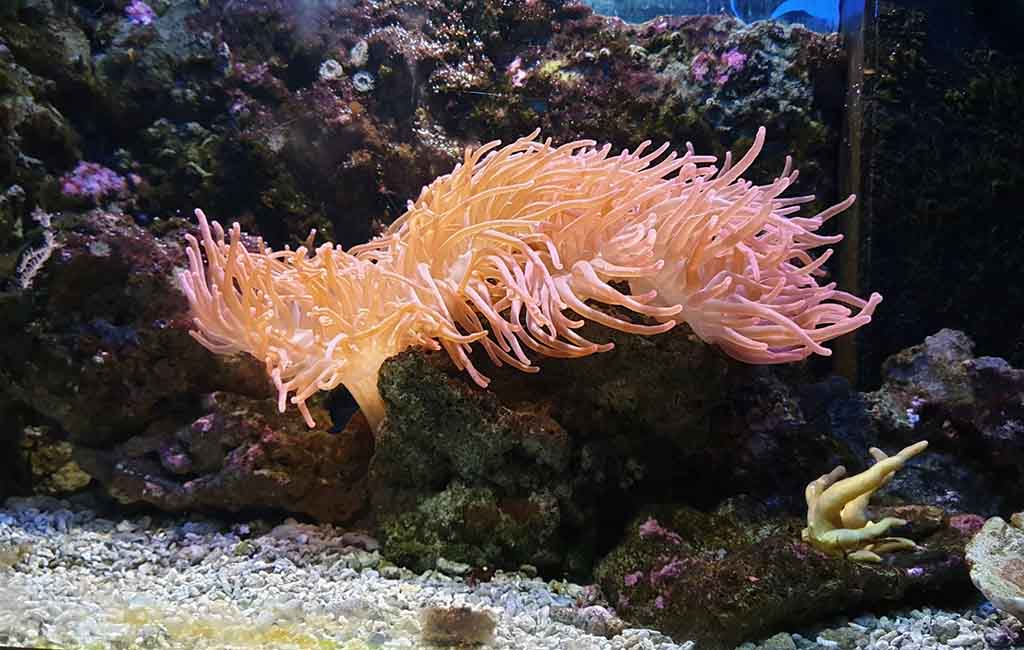
Peaceful Neighborhood for Corals
A Call to Action
Coral tanks are beautiful, and you can create this beauty. For this, you need to overcome problems like allelopathy, tissue digestion, physical contact, etc. Avoid it by building a dominant coral type tank, zoning in the tank, putting physical barriers, etc., in the tank, and enjoy the beauty of nature at your home.
Related Products



Leave a comment