
For amphibian enthusiasts, the fire-bellied newt is a treat for the eyes and does not present too much of a challenge; it’s money well spent. Known for its remarkable orange-red belly and soft skin, the fire belly newt thrives best in environments that resemble its natural habitat. Protein-rich foods such as bloodworms and brine shrimp form an important part of their diet; however, with diligent care, this pet newt species may live up to 20 years.
Content Table
Even though they are not ideal for handling their colorful look, and appropriateness for observation makes them great. Whether you’re a newbie or have been keeping pets for years, the care of fire belly newts is a very manageable and enjoyable hobby.
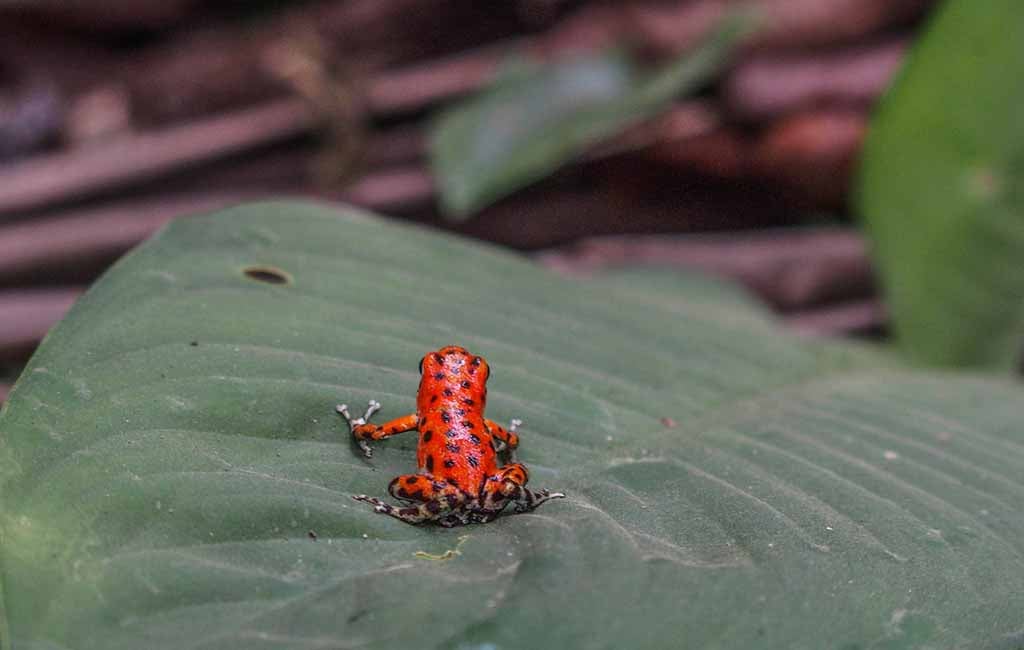
pet newt
Fire-Bellied Newt Habitat
Fire-bellied newts belong to the Cynops genus and are endemic to East Asia, including China, Japan, and Korea. The best-known species is the Chinese fire-bellied newt (Cynops orientalis) and the Japanese fire-bellied newt (Cynops pyrrhogaster). While they differ slightly among themselves, their captive requirements are quite similar.
Such amphibians are found in cool natural surroundings of freshwater (ponds, slow-moving streams, and rice paddies) and marsh areas. Such habitats are characterized by a high density of aquatic vegetation, soft substrates such as mud or silt, as well as concealment opportunities, such as submerged logs and rocks. Native surroundings subject these newts to temperatures of between 60°F – 72°F (16°C – 22°C) with high humidity and a shaded environment for comfort.
For home care, it is better to provide the patient with a semi-aquatic environment, including around 70% water and 30% land area. Live or artificial foliage helps create a realistic background, and outwardly preferring a soft underlayer and smooth items in the tank means skin will remain unharmed. Clean, cool, and still water must be maintained as fire belly newts thrive in an unchanging environment and are troubled by poor water quality.
Is Fire Belly Newt a Mammal?
The fire-bellied newts are amphibians, but not mammals because of their bright antics and cute eyes. The fire belly newt is a representative of the class of cold-blooded vertebrates, i.e., amphibians, to which frogs and toads also belong.
Fire belly newts belong to the Salamandridae family in the amphibian class, but this family describes all true newts and salamanders.
Cynops represents a range of newts characterized by smooth and moist skin and fancy bellies. The fire belly newt, for instance, is an amphibian and will pass from the form of a gill-bearing larva to one of air-breathing, four-legged adults.
Fire-bellied newt has both an aquatic and terrestrial life cycle, but most adult newts will remain linked to water.
Unlike mammals, they do not have fur, mammary glands, or regulate their body temperature internally. Otherwise, these kinds of animals thermoregulate and breathe through their skin, which must be moist for gas exchange.
Fire belly newts produce a poisonous stream of secretions from their skin to protect themselves; therefore, few touches and washing hands afterward are recommended.
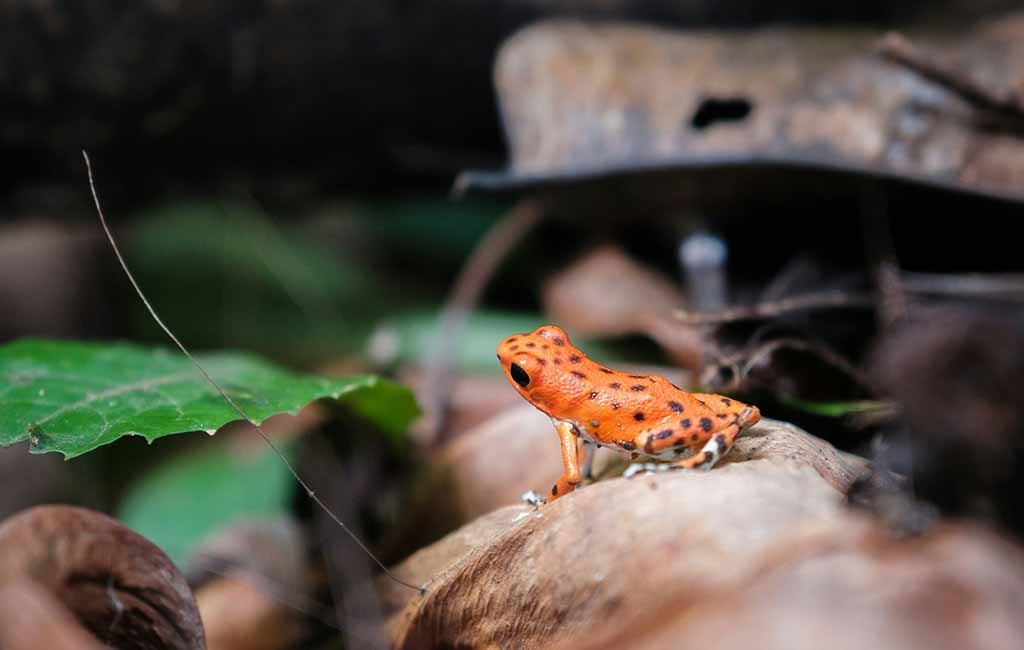
Fire Belly Newt Diet
Fire Belly Newt Diet and Enclosure
Diet
To ensure their well-being, fire belly newts require a diet high in protein (they are obligate carnivores). In the natural habitat, fire-bellied newts feed upon a wide variety of small invertebrates, including insect larvae, worms, snails, and aquatic crustaceans. During an aquarium situation, these newts should be provided with:
- Frozen or live bloodworms
- Brine shrimp (frozen or live)
- Daphnia
- Blackworms
- Earthworms (cut into small pieces)
- Commercial newt pellets (used occasionally to supplement live foods)
Your newts need to be fed three or four times weekly. Excess of bar food has led to obesity and bad water quality, hence the need for good control of food portions. The tank should be cleared of expiry or leftover food to avoid contamination.
Enclosure
Setting up a proper enclosure is crucial for your fire belly newt’s health and well-being. Here are the essential components:
- Tank Size: A 10-gallon tank is suitable for 1 to 2 newts. For a small group, a 20-gallon long tank provides more comfort.
- Water Conditions: Use dechlorinated water with a temperature range of 65°F to 72°F. Water that is too warm can cause stress and illness.
- Filtration: A gentle, low-flow filter is best to avoid disturbing their calm environment.
- Substrate: Smooth gravel or river stones are ideal. Avoid small gravel that could be accidentally ingested.
- Land Area: Include floating cork bark, flat rocks, or a turtle dock for basking and resting.
- Plants and Hides: Use live plants like Java moss or Anubias, or safe artificial plants. PVC pipes or driftwood make great hiding spots.
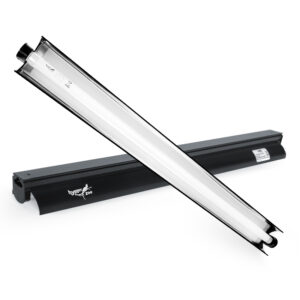
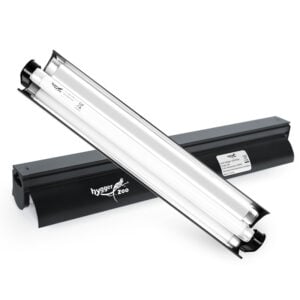
- Lighting: While fire belly newts don’t require UVB lighting, a 10-12 hour light cycle helps regulate their internal clock and supports live plants.

fire belly newt
Is a Newt a Good Pet?
Fire-bellied newts are perfectly suited for enthusiasts of amphibians or to have you witnessing aquatic creatures, great pets. Think of such benefits of having a fire-bellied newt as an amphibian pet.
- Low Maintenance: They don’t require frequent interaction, walks, or grooming.
- Educational Value: Observing their behaviors and life cycle is informative, making them ideal for classrooms or families with curious children.
- Affordable: Initial setup costs are moderate, and ongoing maintenance is inexpensive.
- Peaceful Nature: Fire-bellied newts are generally docile and can coexist with other non-aggressive tank mates of similar size (though caution is advised).
- Longevity: They can live 10 to 20 years with proper care, providing a long-term pet experience.
The limitations of these newts have to be borne in mind by the potential owners. It is better to observe these newts than to use them. Too many contacts can make newts nervous and vulnerable to disease or injury from bacteria or skin trauma. Proper temperature and water parameter regulation is important, so the maintenance of the pet newt is necessary.
The Facts of Fire-Bellied Newt
One of their most interesting attributes includes several characteristics that fire-bellied newts possess, which make them appealing.
Aposematic Coloration: The forewarning fluorescent belly of fire belly newts warns possible predators that they have devastating toxins. Their brightly colored undersides make fire belly newts less vulnerable to attack by predators.
Tail Display: Fire belly newts will raise their backs and coil their tails when they sense danger to display their bright lower abdomen. This is a way of pointing out just how dangerous they are.
Skin Shedding: Fire belly newts, on occasion, shed their skin and even eat it to regain nutrients.
Regeneration Abilities: Fire-bellied newts have the incredible ability to regrow lost limbs and tails and even pieces of their organs, a phenomenon which has researchers taking close looks.
Breeding Rituals: In mating ceremonies, males put on graceful dances, flick their tails, and have soft contact with the female.
Metamorphic Development: Because they are amphibians, they begin their life cycle as eggs that become aquatic larvae when hatched; they then go on to pass through a change that makes them semiaquatic adults.
Cold Climate Adaptation: These newts fall in preference to milder climates and therefore make good pets for homes that do not have heaters.

Facts of Fire-Bellied Newt
The Bottom Part
The fire belly newt is one of the most attractive pets; it is easy to tend and, therefore, is an excellent choice for amphibian lovers. It has a calm disposition and a brilliant orange-red belly, and it does very well in enclosures that replicate its natural aquatic environment.
If well maintained, they can reach 20 years old. Since they are better observed rather than touched, the fire-bellied newts are perfect for those who have the time to observe the natural behavior of newts.
Whether you are a novice or an expert, owning fire belly newts is an easy and gratifying form of pet experience.
Related Products

Leave a comment