
The freshwater invertebrate Neocaridina davidi var. “Blue Velvet” attracts both experienced and novice aquarists because the shrimp combine striking blue coloration with peaceful temperament and effective algae elimination qualities. These specifically selected shrimp originated in Taiwan, as they emerged from the Neocaridina davidi stock. Most aquarists recognize Blue Velvet Shrimp as resilient pets; however, these shrimp maintain a fragile nature that needs precise attention regarding both water quality standards and tank environment needs.
Content Table
This article presents an in-depth look at how to properly care for vibrant shrimp together, including behavior patterns, stocking guidelines, along equipment requirements, in addition to instructions for successful aquarium blue velvet shrimp breeding.
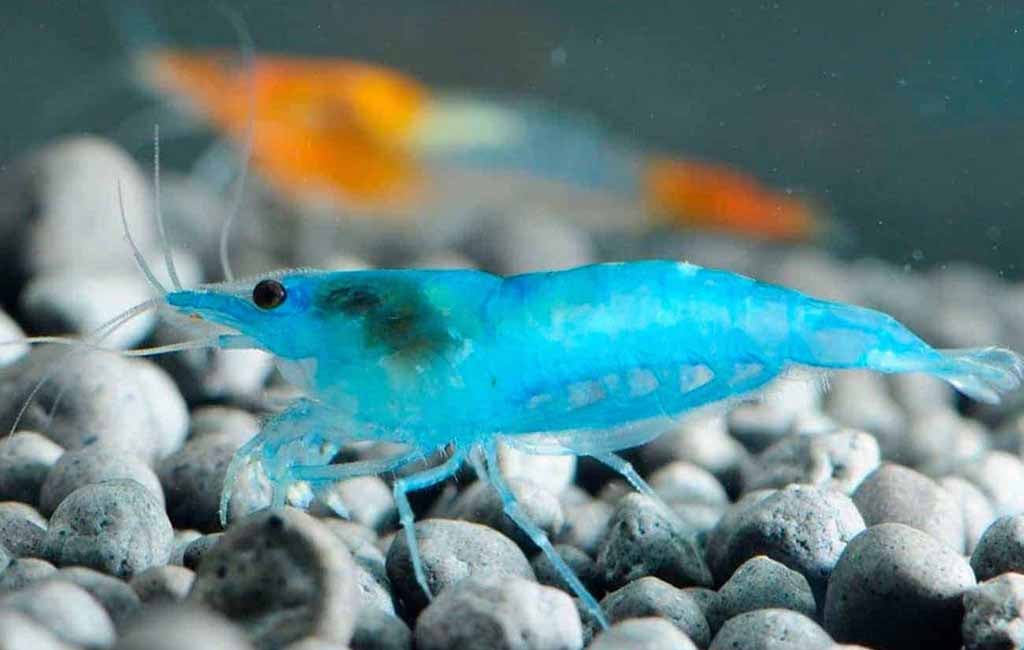
Are blue velvet shrimp hardy
Are Blue Velvet Shrimp Hardy?
Are Blue Velvet Shrimp Easy to Keep?
For aquarists experienced in maintaining freshwater tanks, Blue Velvet Shrimp prove to be quite easy to manage. The stable environment suits them well, and they prove more tolerant than related shrimp species. Caridina knows it. Their ability to survive under unfavorable conditions does not indicate they will prosper in disregard. The shrimp display sensitivity toward water conditions, abrupt parameter fluctuations, and toxic substances, including copper, in the aquarium environment.
What is the Temperament of Blue Velvet Shrimp?
Blue Velvet Shrimp show both peaceful behavior and non-aggressive traits, which allow them to live happily in community aquariums with small fish species that do not consume them. These shrimp exhibit social behavior because they choose to stay with their group and frequently graze biofilm together while simultaneously exploring plant leaves. The shrimp develop hiding behaviors when they feel stressed during molting phases or when introduced to new conditions.
How Many Blue Velvet Shrimp Per Gallon?
Stocking Ideas for Different Tank Sizes
Stocking density is crucial for shrimp health and overall water quality. Overcrowding can lead to stress and deteriorating tank conditions, while under-stocking may make shrimp feel vulnerable. A nano aquarium building for Blue Velvet Shrimp:
- 5-Gallon Tank: An appropriately filtered small tank combined with enough hiding areas will accommodate a medium-sized colony of these shrimp.
- 10-Gallon Tank: The medium tank size provides better conditions in water parameters and supports breeding activities.
- 20-Gallon Tank: A 20-Gallon Tank allows for the housing of 40–60 shrimp alongside a few shrimp-safe fish species such as ember tetras and otocinclus.
As a general rule of thumb, 2–4 shrimp per gallon is a safe range, depending on filtration and plant density. Live plants like Java moss and anubias also help by providing extra surface area for biofilm and improving water quality.
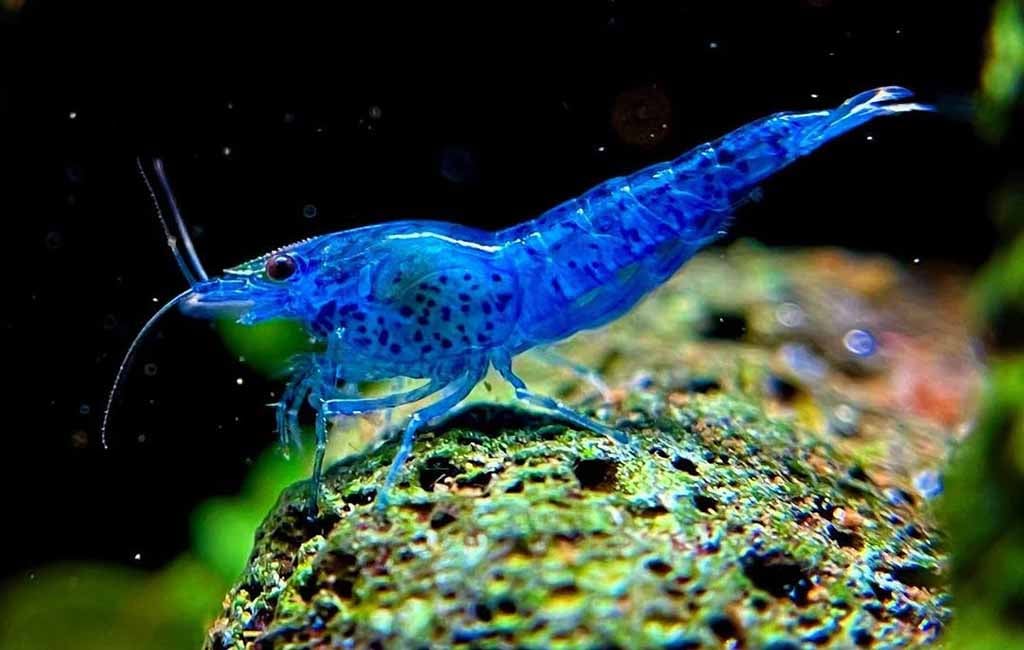
blue velvet shrimp and filter
Do Blue Velvet Shrimp Need a Filter?
While some hobbyists successfully keep shrimp in filterless, heavily planted nano tanks, a proper filtration system is highly recommended for Blue Velvet Shrimp. Their health is closely tied to clean, stable water conditions.
Recommended Equipment:
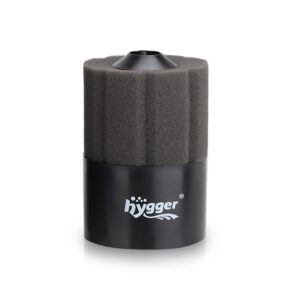
- Sponge Filter: The filter delivers delicate mechanical and biological filtration functions that promote bio-bacteria growth without creating strong water movement. Shrimplets, along with shrimp adults, can safely graze on its surface because the bio-sponge filter will not pull them into it.
- Airstone: The addition of Airstone provides necessary oxygen and improved water flow that is particularly important in lower circulation tanks. The device generates gentle surface waves to stop biological film development, which impedes oxygen transfer.
- Heater: An adjustable aquarium heater needs to maintain water temperatures between 72–78°F (22–26°C) to ensure shrimp health. Shrimp molting difficulties and reduced breeding achievement occur because temperature shifts cause their bodily stress.
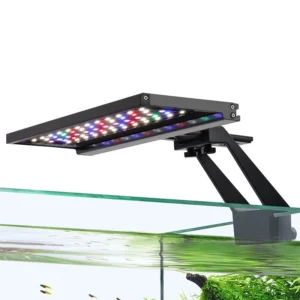
- Lighting: The use of low-intensity LED lighting for six to eight hours per day maintains plant and algae development without causing excessive algae proliferation. Gentle lighting conditions make shrimp more active and visible, and biofilm—the vital natural food—will multiply across surfaces.
- Substrate: Use a dark, inert, or shrimp-specific substrate like hygger black soil, etc. The substrate supplies better foot grip and ample room for biofilm development, and it boosts shrimp colors to become more blue. Certain shrimp soils demonstrate their capacity to regulate pH values and water hardness for prolonged positive impacts on shrimp colony well-being.
- 6. Live Plants & Mosses: Living plants such as Java moss alongside Subwassertang, Anubias, and Marimo moss balls serve double duty as hiding spots while supporting water quality through foraging areas and beneficial microalgae habitats.
Blue Velvet Shrimp Care Sheet
Here’s a quick reference care guide for maintaining a healthy Blue Velvet Shrimp colony:
| Parameter | Ideal Range |
| Temperature | 72–78°F (22–26°C) |
| pH | 6.5–7.5 |
| GH (General Hardness) | 4–8 dGH |
| KH (Carbonate Hardness) | 1–4 dKH |
| Ammonia & Nitrite | 0 ppm |
| Nitrate | <20 ppm |
| TDS | 180–250 ppm |
Feeding
Blue Velvet Shrimp are omnivorous scavengers and natural algae grazers. In a well-established tank, they’ll forage constantly on biofilm, algae, and decaying plant matter. To supplement their diet, offer a balanced variety of:
- Algae wafers
- Blanched vegetables (such as spinach, zucchini, and cucumber)
- Shrimp-specific pellets or granules
- Occasional protein sources like frozen bloodworms or brine shrimp (1x/week)
Feeding 2–3 times per week is usually sufficient. Overfeeding can lead to poor water quality, so provide small portions and remove uneaten food after 2–3 hours. It’s also beneficial to fast them one day per week to allow their digestive systems to reset.
Supplementing their diet with calcium-rich foods or cuttlebone pieces can aid in healthy molting and shell development.
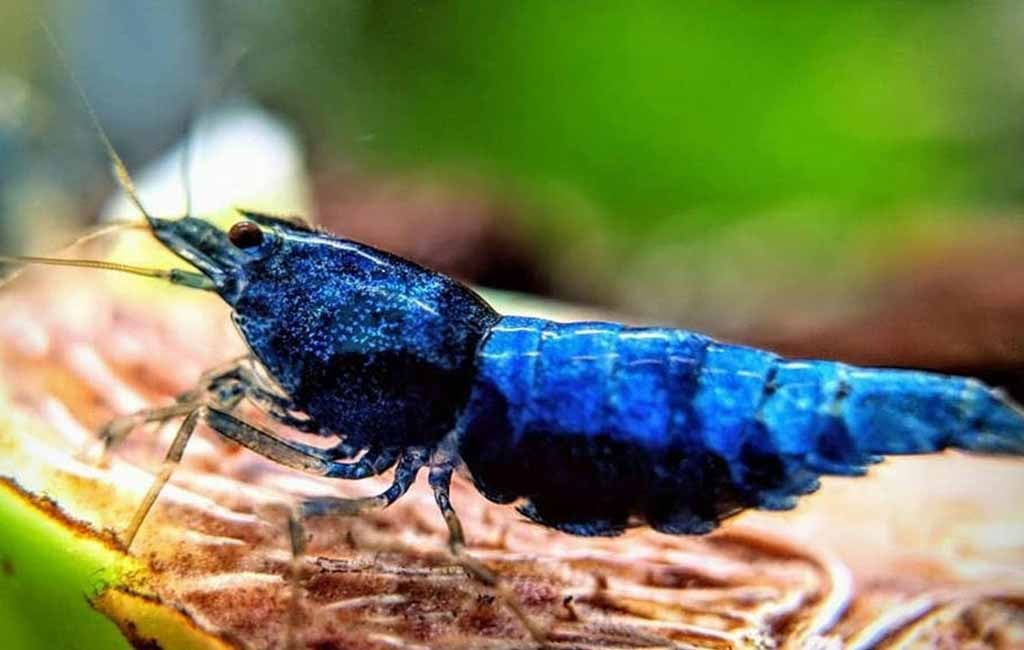
Blue Velvet Shrimp Care
Tank Mates
Blue Velvet Shrimp do best in peaceful community tanks. Safe companions include:
- Other Neocaridina shrimp (like Cherry shrimp, Yellow, or Rili shrimp)
- Small rasboras(e.g., Chili Rasboras, Lambchop Rasboras)
- Otocinclus catfish
- Nano schooling fish like Ember Tetras
- Snails, including Nerite, Mystery, and Ramshorn snails
Avoid any predatory or aggressive fish such as cichlids, bettas, barbs, and larger gouramis, as they may harass or eat shrimp, especially juveniles. Even peaceful fish may snack on shrimplets, so provide dense plant cover and moss to offer safe hiding spots for young shrimp.
How to Breed Blue Velvet Shrimp
Breeding Guide
Breeding Blue Velvet Shrimp is relatively easy under proper conditions and often occurs naturally in stable, well-maintained aquariums. These shrimp are prolific breeders when stress is minimal and environmental factors are optimal.
Breeding Requirements:
- Stable Parameters: Maintain consistent water parameters—pH 6.5–7.5, temperature 72–78°F (22–26°C), GH 4–8, KH 3–6. Ammonia and nitrite must be at 0 ppm; nitrates should remain under 20 ppm. Stability is key—avoid drastic fluctuations.
- Planted Tank: The planted tank with Java moss or Subwassertang and floating plants provides havens for shrimp fry to hide while searching for food. The addition of shrimp tubes together with ceramic caves improves the likelihood of successful shrimp reproduction.
- Diet: The diet should consist of varied nutrient-rich foods containing protein and minerals alongside calcium content in order to help shrimp reproduce and develop during their molt cycle.
- Colony Size: For successful blue velvet shrimp breeding activities, keep one breeding male per 2 to 3 breeding females in the colony to promote mating and minimize stress and competition.
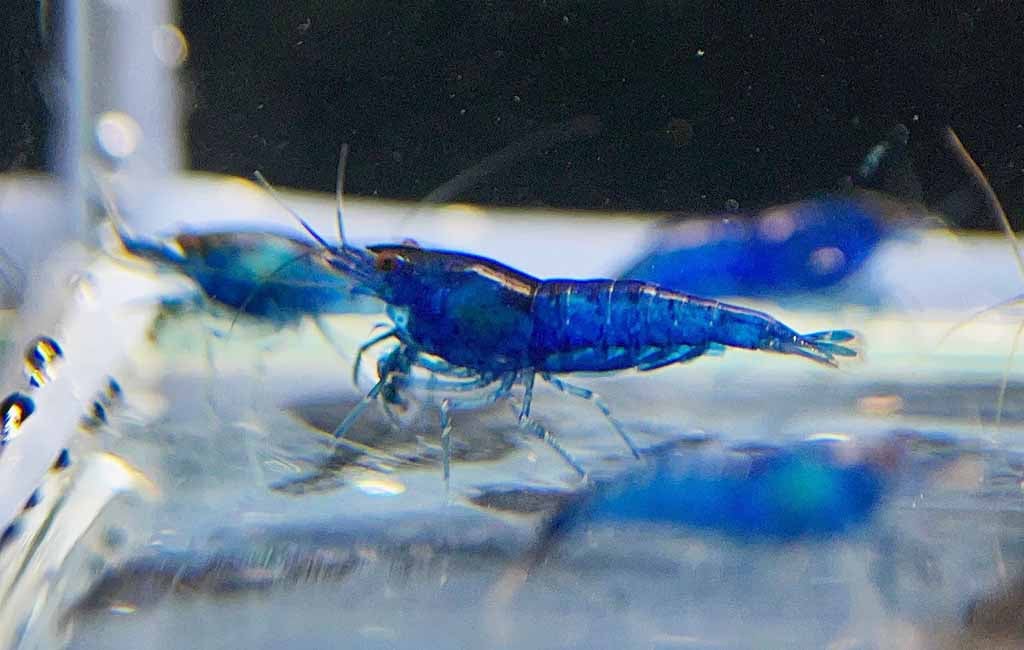
Blue Velvet Shrimp Breeding
Breeding Process:
- Mating: Female periodic molting signals males through pheromonal chemicals, which indicate she is ready to mate. The male shrimp intensifies his swimming behavior by moving rapidly through the water to find a mate.
- Egg Carrying: Upon mating success, a female holds her 20–30 green or yellow eggs beneath her pleopods and abdomen. Berried females maintain oxygenation of their eggs by periodically fanning them, which can be observed by human vision.
- Hatching: After being incubated for 21–30 days, the shrimp eggs will transform into complete miniature adults directly from their original state, making shrimp easier to cultivate than most marine species.
- Raising Shrimplets: Newborn Shrimplets feed primarily on biofilm and infusoria, together with powdered shrimp food and decaying plant matter. During this vulnerable stage, you should never expose shrimp to chemicals as well as avoid CO₂ injections, and keep water changes below 20%. Sponge filters remain essential because Shrimplets have a high susceptibility to getting trapped in filters.
Parting Thoughts
The freshwater aquarium receives beautiful compensation with the addition of Blue Velvet Shrimp. The shrimp show general resilience, but require close attention to water chemistry stability alongside regular tank upkeep. When properly cared for, a few shrimp can multiply to form a prosperous colony that serves as both scenery and an aquatic system cleaner.
These crustaceans provide both stunning appearance and interesting behavior patterns for both veteran and novice aquarists. The key to a contented Blue Velvet Shrimp consists of ample space to grow, combined with a sanitary living environment and peaceful associates.
Related Products



Leave a comment