
When you own an aquarium, what you know is that it is not merely the change of water but the importance of maintaining the water clean and healthy. The actual magic work is done behind the scenes, all due to the favorable bacteria. These miniature creatures are very important in ensuring that there is a balance in your tank. They digest the poisonous waste, and your fish is safe and happy. Now we will have a closer look at how one can begin and sustain a positive bacterial cycle within the fish tank.
Content Table
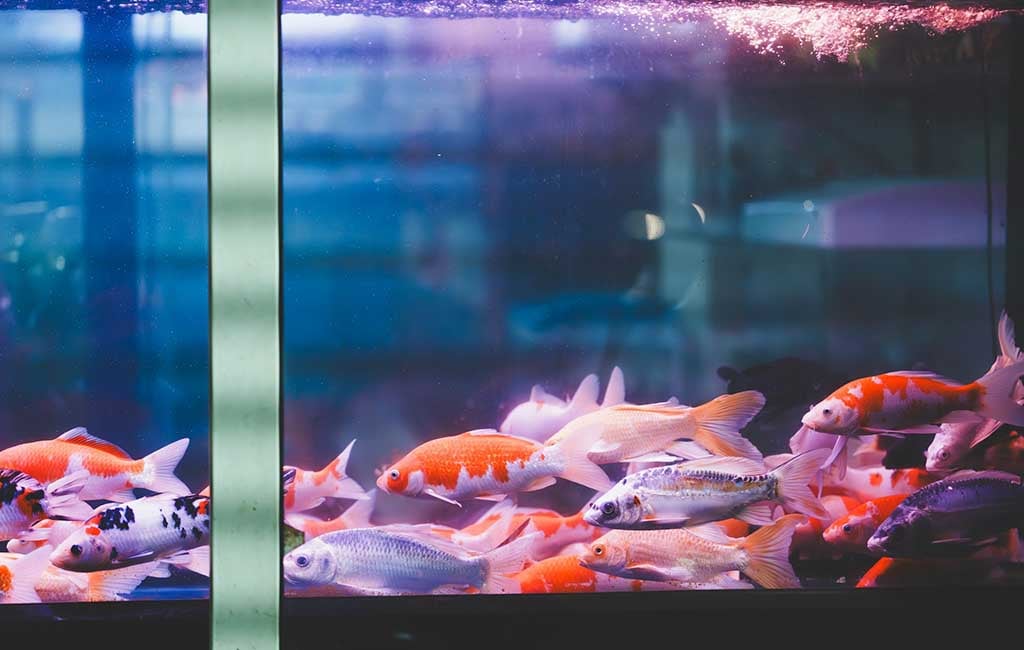
beneficial bacterial cycle
What Is a Beneficial Bacterial Cycle?
The natural process of converting the toxic fish waste to less harmful elements with the help of the beneficial bacteria is known as the beneficial bacterial cycle (it is also referred to as the nitrogen cycle). Each time your fish is fed, they produce waste. This waste gives out ammonia, which is in any quantity, is very poisonous to fish.
Here’s how the cycle works step by step:
- Ammonia Stage – The ammonia is emitted to water by fish waste, uneaten food, and decomposing plants.
- Nitrite Stage – Ammonia is decomposed by beneficial bacteria (Nitrosomonas) to nitrites, which are less harmful and are still dangerous.
- Nitrate Stage – This is another form of bacteria (Nitrobacter) converting nitrites into nitrates, which are safe to fish at low concentrations.
Your filter media, gravel, and decorations will harbor these bacteria, and these bacteria thrive in the areas where the flow of oxygen and water is stable. When your aquarium completes its cycle then it will create a self-sustaining system, where the harmful compounds can be recycled constantly.
Cycle Aquarium Beneficial Bacteria
Cycling is a process in which you give your aquarium a period of time to allow the helpful bacteria to settle and stabilize the ecosystem of the tank. This is not something that occurs within a week, but with time and a proper environment.
So, how long does it take to cycle a fish tank with beneficial bacteria?
Normally, it takes 4-6 weeks to undergo one full cycle. The process can, however, be accelerated to approximately 1 to 2 weeks by the use of beneficial bacteria. However, this time is different with the tank size, the temperature, pH, and the quantity of ammonia that is under produced.
Here’s a rough timeline of what to expect:
- Week 1:Ammonia levels rise as waste starts breaking down.
- Week 2-3:Nitrite levels increase as ammonia-eating bacteria grow.
- Week 4-6:Nitrate levels begin to rise, and nitrites drop — indicating that the cycle is nearing completion.
When your ammonia and nitrite readings are zero and your nitrate levels are high yet small, then you know your aquarium is cycled. At this point, your beneficial bacteria are doing their job effectively.
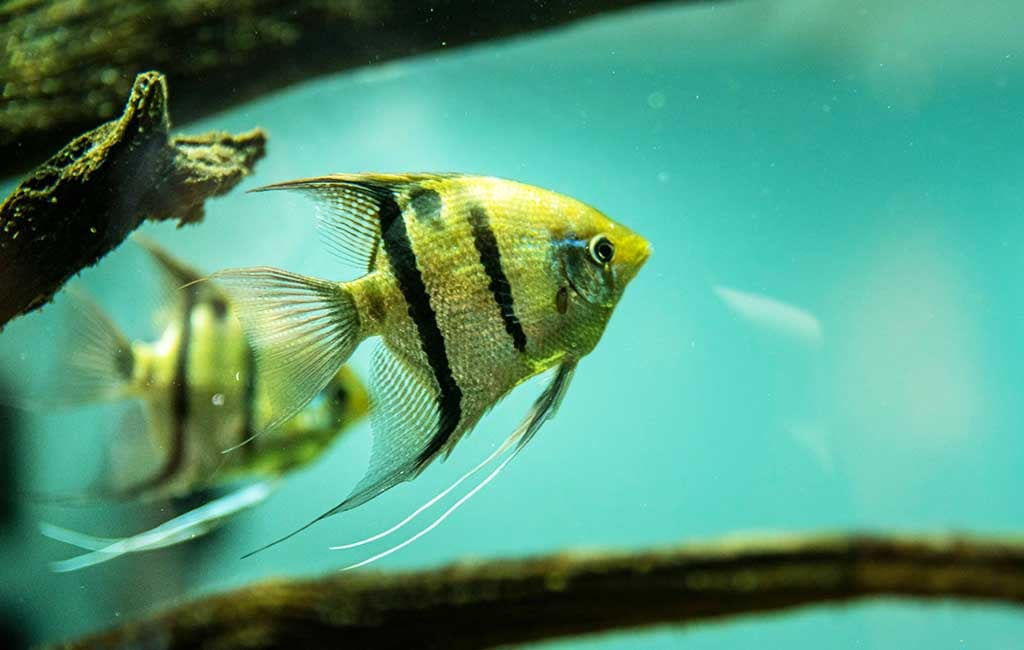
cycle aquarium beneficial bacteria
When to Add Beneficial Bacteria in Your Fish Tank
It is all a matter of timing as far as the addition of beneficial bacteria goes. It is not as simple as pouring them in at any stage and waiting for the instant result.
Here’s when you should add them:
- During Initial Setup: In the establishment of a new tank, beneficial bacteria are to be added after the dechlorination of water. Bacteria can be killed by chlorine, and hence ensure that the water conditioner has neutralized it fully.
- After Water Changes: A further amount of the bacteria population can be decreased every time you do the water changes (especially when it is greater than 50 percent water change). To prevent the imbalance, the small amount of good bacteria added will aid in maintaining the balance.
- After Cleaning or Replacing Filter Media: Your filter is home to most of your beneficial bacteria. Colonies may be wiped out by replacing or rinsing the filter with tap water. Bacteria should then be added to replenish them afterward.
- After Adding New Fish: Addition of fish increases the generation of waste. You can overcome the extra ammonia load to the tank by the addition of beneficial bacteria at this period.
- After Medication Treatments:Numerous medications damage the helpful bacteria. So, it’s wise to reintroduce them once the treatment is complete and you’ve changed the water.
In simple words, beneficial bacteria are like reinforcements. You add them when your tank ecosystem needs extra support or rebuilding.
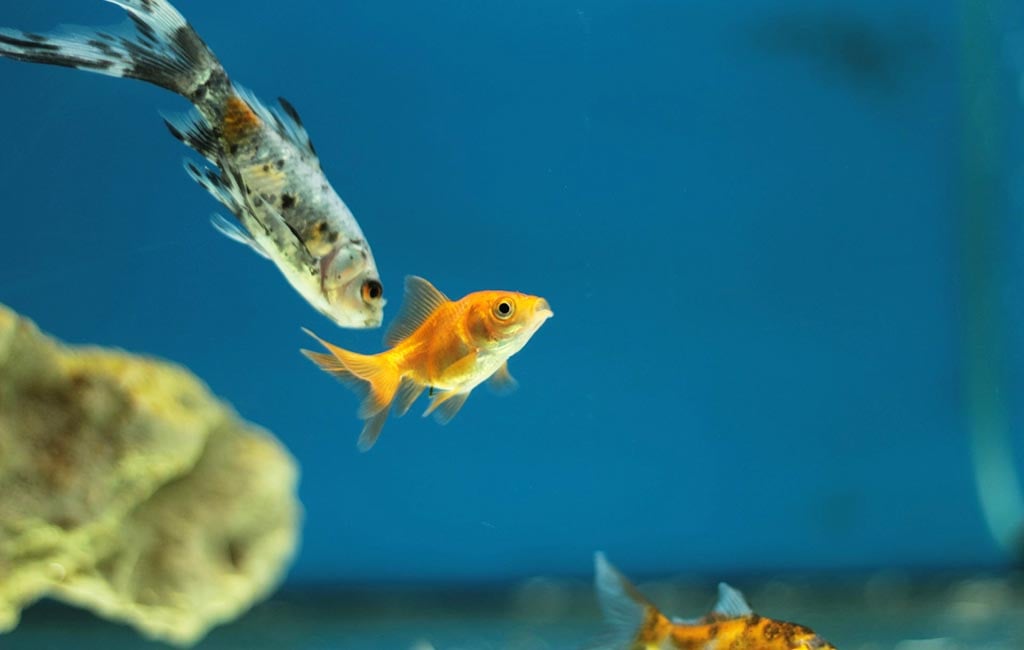
Initiate a Beneficial Bacterial Cycle
Guide to Initiate a Beneficial Bacterial Cycle in an Aquarium
Initiating the bacterial cycle may not be very easy-going, but it becomes very easy once you are aware of the procedures. The following is a basic guide that can assist you in initiating the cycle.
1. Set Up Your Aquarium
Start by cleaning your tank, and then install all other equipment (filter, heater, air pump). Add dechlorinated water to the tank. Chlorine kills the good bacteria, and it is a step that must not be missed.
2. Add an Ammonia Source
Ammonia is required to grow bacteria. To begin generating waste, you can add pure household ammonia (without additives), fish food, or you can even add a few tough fish. In a fishless cycle, adding ammonia (in small drops) daily would keep the ammonia levels between 2-4 ppm.
3. Install a Good Filter
Most beneficial bacteria will be living in your filter. Select one that will sustain biological filtration, such as a sponge filter or canister filter, since they give plenty of space where bacteria can increase.
4. Maintain Optimal Conditions
Growth of bacteria occurs most actively in warm and oxygenated water. Maintain the temperature of 77-86°F (25- 30 °C) and do not lack movement of water. Do not change the pH at once, since it can retard bacterial multiplication.
5. Test Water Regularly
Check the ammonia, nitrite, and nitrate levels of the water with the help of a water test kit after a few days. This assists in tracking your cycle progress. As soon as the ammonia and nitrite fall to zero, and nitrate comes up, the cycle is complete.
6. Add Beneficial Bacteria
Bottled bacterial supplements can be used to supplement the process and make it faster. These include live cultures, which instantly start growing in your tank.
7. Be Patient
Don’t rush the process. Let the bacteria establish fully before adding all your fish. Once your tank is stable, introduce fish slowly — this helps the bacteria adjust to the new bioload.
improve beneficial bacteria in aquarium
How to Improve Beneficial Bacteria in an Aquarium
After starting cycling, it is equally important to keep your good bacteria and develop them. The basis of an aquarium balance is made up of healthy bacterial colonies. The following are some of the best methods of enhancing and safeguarding them.
1. Avoid Over Cleaning
There is a temptation to clean it all; however, too much cleaning will eliminate the bacterial colonies. Decorations and filter media should not be washed using tap water. Another way is to rinse them lightly in old tank water.
2. Keep Filters Running
Good bacteria cannot live without oxygen. Switching off your filter intermittently deprives it of oxygen, and eventually, death may occur. Never switch off the filter, particularly in the event of a power outage.
3. Provide More Surface Area
The addition of bio balls, ceramic rings, or sponge filters enhances the amount of bacterial colonization. The larger the area, the more powerful and stable your bacterial population is.
4. Maintain Stable Water Parameters
Bacteria can be destroyed by the sudden alterations in pH, temperature, or even chlorine. The use of a water conditioner is necessary before changing water and maintaining the same conditions to prevent loss of bacteria.
5. Feed Fish Properly
Excessive feeding causes overproduction of waste and an increase in the level of ammonia. This may produce stress in both bacteria and fish. Feed your fish only what they can consume within 2–3 minutes.
6. Add Live Plants
Plants absorb nitrates naturally, which enhances a healthy ecosystem. They also provide more areas for the bacteria to grow, which enhances biological harmony in your fish tank.
7. Use Bacterial Boosters
Bacterial supplements can be spontaneously added to your tank even after some cycling of the tank to make sure the colonies remain strong. Especially after maintenance, large water changes, or adding new fish.
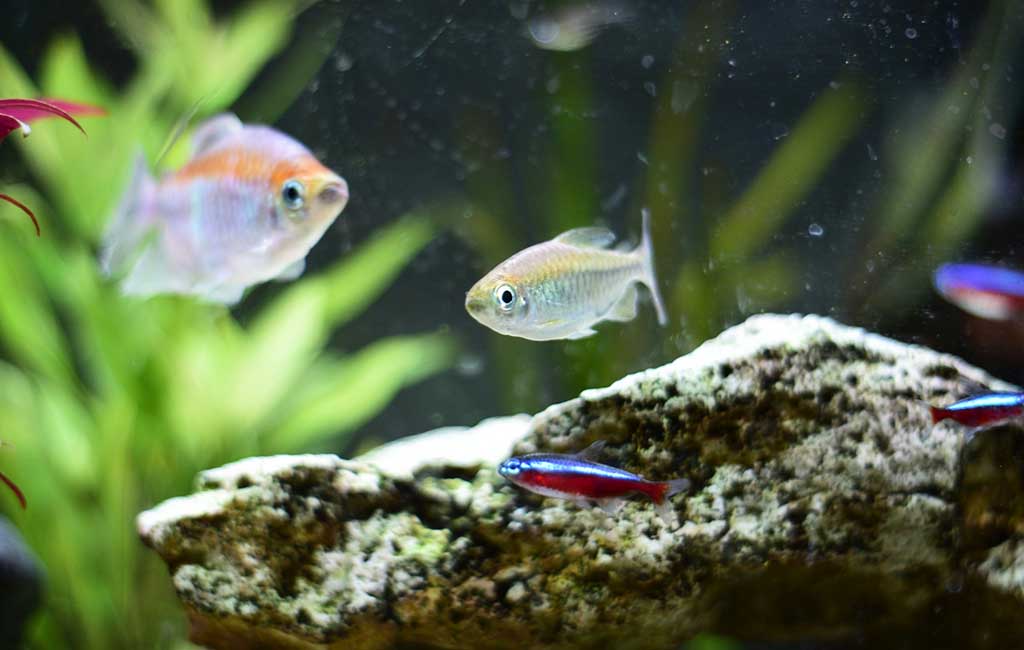
Beneficial Bacteria in an Aquarium
Ultimately
The healthy aquarium consists of the beneficial cycle of bacteria. In its absence, you can soon find yourself in a situation where the levels of toxic ammonia and nitrite can kill your fish. The proper and careful initiation of the cycle gives you the kind of tank’s natural filtration system.
Remember, patience is key. The nitrogen cycle is a long process, though after implementing it, it pays off by giving you crystal clear water and stress-free fish. Think of beneficial bacteria as your tank’s silent workers, unseen, but always protecting your aquatic world.
Related Products



Leave a comment