
Worldwide, brown blood disease is a serious problem for aquarium fish. Nitrite poisoning, or this condition, as it is also called, can ravage your tank population in a very short time. This disease may be understood as enabling aquarium owners to conserve their favorite aquatic pets.
Content Table
Your fish can be cured of this dangerous condition, and it is only possible through early detection and proper treatment. This is a detailed fish disease guide on the treatment and identification of brown blood disease. With this information, you would also be in a better position to keep a healthy aquarium.
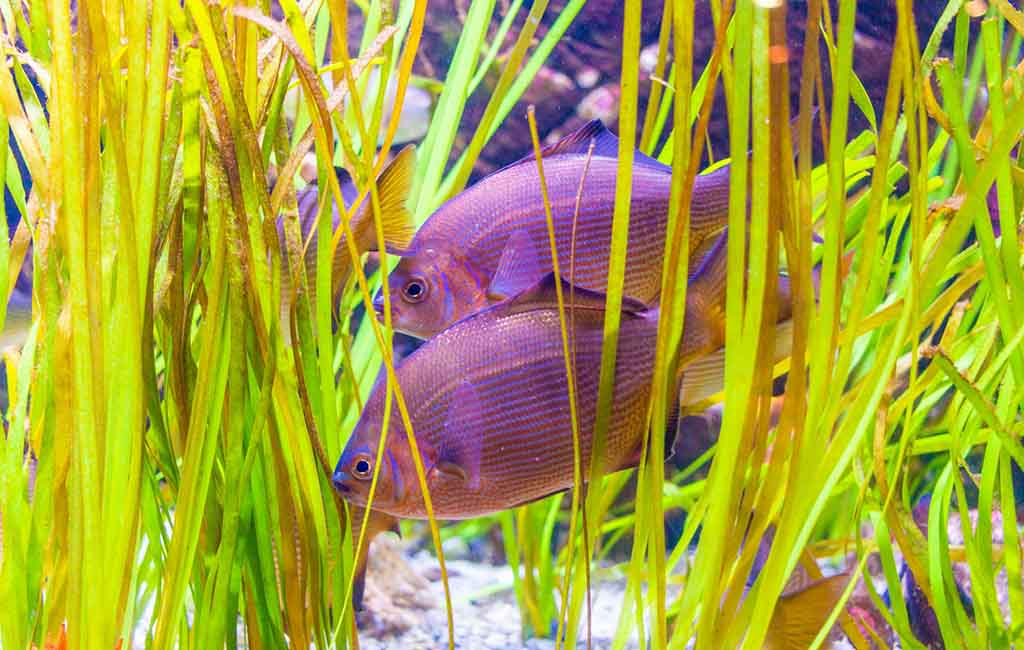
brown blood disease
What Is Brown Blood Disease in Fish
Understanding Nitrite Toxicosis
Nitrite toxicosis or brown blood disease is a disease associated with freshwater fish that is exposed to high concentrations of nitrite. It is a situation that arises when the molecules of nitrite disrupt the blood oxygen-carrying capacity of fish. Fish blood turns into methemoglobin, where the hemoglobin loses its ability to carry oxygen. This transformation gives the blood a characteristic brown color, hence the disease’s name.
When Brown Blood Disease Occurs
Nitrite toxicosis normally occurs at certain stages of aquarium management and maintenance. This is especially prone to new aquariums that do not have developed beneficial bacteria. The disease normally occurs in the second phase of the nitrogen cycle in newly installed tanks. Nitrite poisoning is also common in overstocked aquariums, which have poor filtration systems.
Common Risk Factors
Maintained badly or semi-poor fish tanks tend to accumulate unsafe nitrite quantities over time. Overfeeding develops surplus organic debris, which decomposes into ammonia and then nitrite. Any interference with desirable bacterial colonies may occasion an abrupt rise in nitrite levels. Knowledge about such risk factors can enable the owners of aquaria to control and avoid the onset of brown blood disease.
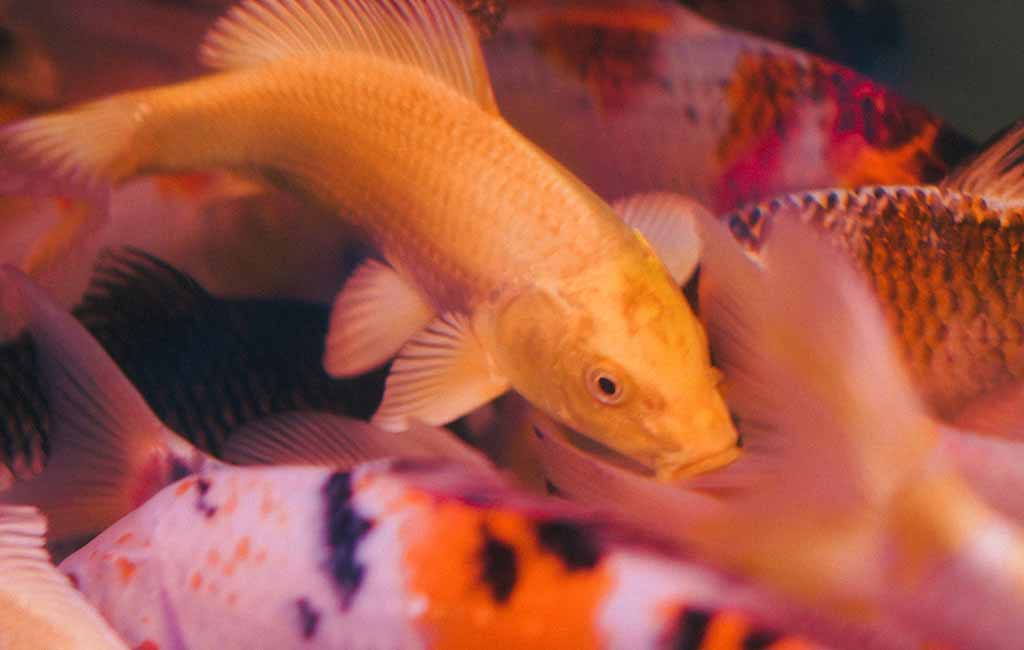
nitrite poisoning
How Nitrite Poisoning Is Formed in Fish Tanks
The Nitrogen Cycle Process
The development of nitrite poisoning is in a given biochemical pathway within the aquarium condition. Wastes of fish, untouched food, and plant rotting break down to form ammonia, which is toxic. The metabolic product of this ammonia is nitrite, which is produced by beneficial bacteria known as Nitrosomonas. The other group of bacteria, called Nitrobacter, converts nitrite into nitrate in healthy and established tanks.
Why Nitrite Accumulates
The issues occur when the population of Nitrobacter bacteria is unable to match the rate of production of nitrite. Emerging aquariums do not have enough colonies of Nitrobacter to efficiently cycle nitrite. This disequilibrium leads to the rapid build-up of nitrite in the water to toxic levels. The effect of overcrowding is that it causes the beneficial bacteria to easily surpass their capacity, thus causing sustained nitrite problems.
Bacterial Colony Disruption
When beneficial bacteria are abruptly exposed to new environments, they are destroyed. The treatment with antibiotics or the complete cleaning of the filter media eliminates vital bacteria that convert nitrites. These important organisms are also destroyed by heavy chlorine or chloramine concentrations due to untreated tap water. When the bacterial colonies fail, the levels of nitrite become hazardous in a few hours only.
Environmental Factors Affecting Toxicity
The levels of nitrite toxicity in your aquarium water depend on the temperature and pH of the water. The decreasing pH levels lower the capacity of nitrite to penetrate fish tissues, which provides some form of protection. Nonetheless, an increase in temperature elevates the metabolism of fish, exposing them to nitrite injury. Knowledge of these factors will enable you to determine the real level of risk in your tank.
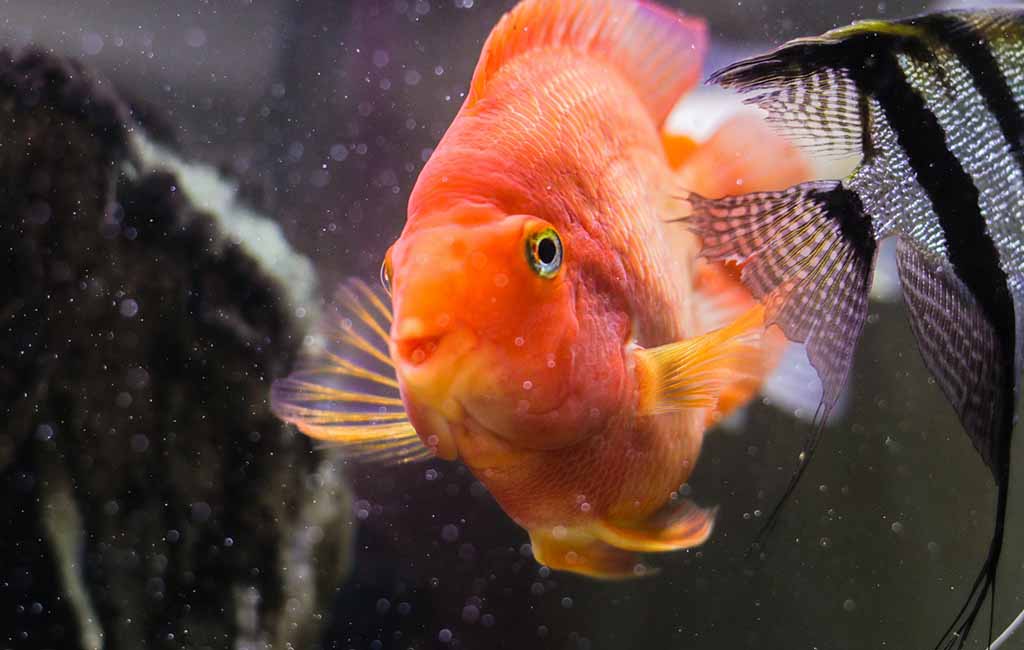
brown blood disease in fish
How to Tell If Fish Have Brown Blood Disease
Behavioral Warning Signs
The earlier you see that your fish has brown blood disease, the better chance it will have to survive. Fish that are afflicted by nitrite poisoning exhibit several typical behavioral and physical effects. One of the first signs of the impact that is going to be displayed by the affected fish is lethargic behavior. Fish can be found in high numbers on the surface of the water, gasping with desperation, yet there is sufficient aeration.
Physical Symptoms
Poisoned fish also have gills which are brown or dark red, rather than pink. The fish is having difficulties in drawing water oxygen because of rapid gill movement. There isa loss of appetite because the system of the fish becomes more stressed and oxygen-deprived. Fish can either show disturbing swimming habits or stand still at the tank bottom.
Advanced Disease Indicators
Severe cases may lead to a brown discolouration of the gill filament of the fish. Other species acquire an overall darkening of their body coloration with the disease. Fish can squeeze their fin against their bodies, signifying severe stress and discomfort. The weakened fish is unable to resist subsequent opportunistic pathogens, that prevent the lack of secondary infections.
Water Testing Confirmation
Aquarium water testing will be a conclusive test to prove that there is nitrite poisoning in your tank. Nitrite test kits disclose high rates, which are usually more than 0.5 parts per million (ppm). Healthy aquariums are expected to have zero or traces of nitrite. Often, water testing will enable you to detect harmful spikes before fish develop symptoms.
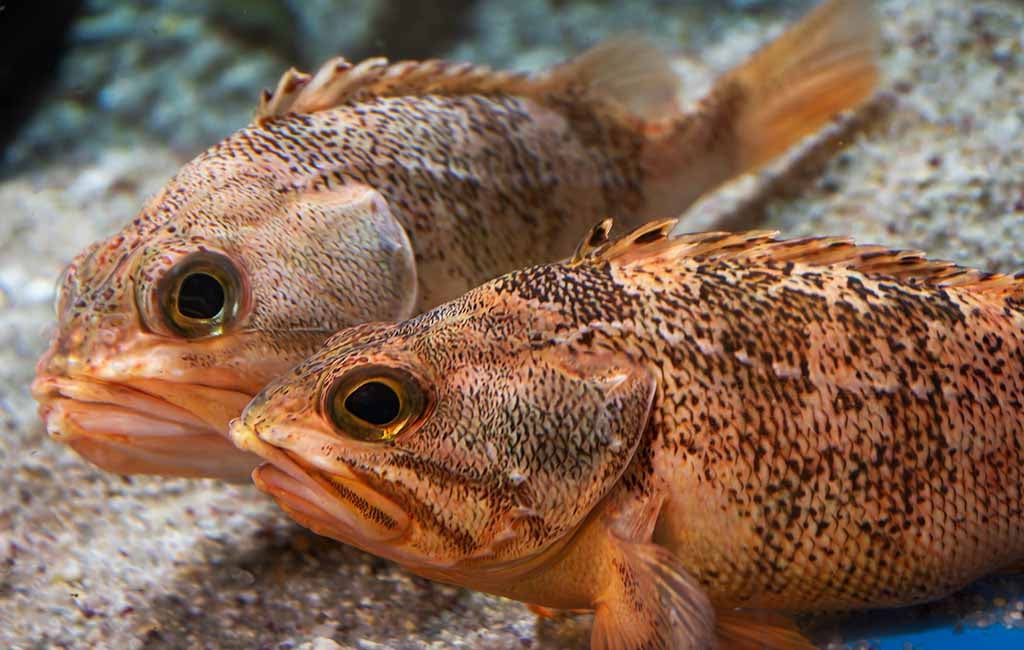
Can Fish Survive Nitrite Poisoning
Can Fish Survive Nitrite Poisoning
Survival Rates and Recovery Potential
Fish may survive nitrite poisoning when timely action is taken to prevent such poisoning by providing the necessary treatment. The rate of survival is very dependent on the concentration of nitrite and the duration of exposure. Some of the affected fish will show signs of mild poisoning in the initial stages and have high chances of recovery. But long-term exposure to large amounts of nitrite can permanently damage organs or kill.
Factors Affecting Survival
Young fish and fry are more susceptible to nitrite poisoning than mature fish. Several species, such as goldfish and koi, have a relatively high tolerance level as opposed to sensitive tropical fish. The fish with good immunity will recuperate better than those already distressed. Having chloride in the water would greatly enhance survivability.
The Protective Role of Chloride
Salt (sodium chloride) offers a protective effect as it competes with nitrite to take up its place. The nitrite entry into the gills is blocked by chloride ions, resulting in absorption. This defence response is the reason why brackish and saltwater fish seldom get brown blood disease. Although a small addition of salt may significantly increase freshwater fish survival during nitrite crises.
Timeline and Prognosis
Severe poisoning with nitrite will be fatal within 24 to 48 hours at most, without any interventions. Even in the ideal conditions of water, fish with severe methemoglobinemia cannot come back to life. Nevertheless, the majority of the cases diagnosed early are easily treated and corrected in the environment. Quick action makes the critical difference between recovery and loss of your fish.
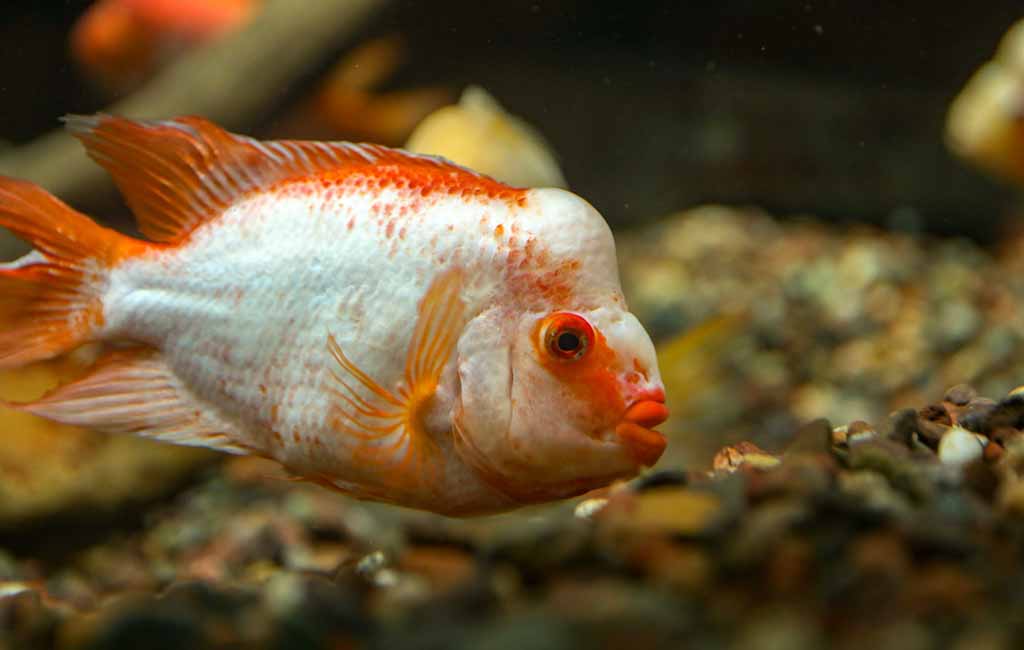
treat nitrite toxicosis in freshwater fish
How to Treat Brown Blood Disease in Fish
Immediate Water Changes
The treatment of brown blood disease is urgent to decrease the level of nitrite and provide fish. The most effective initial therapy in the treatment of nitrite poisoning is large partial water changes. Substitute half or three-quarters of the tank water with dechlorinated water of the same temperature as the tank. The nitrite is instantly diluted, and your fish that is suffering is relieved.
Salt Treatment Application
The addition of aquarium salt forms a protective layer against the additional absorption of nitrite by gills. The amount of salt to use is one to three teaspoons/gallon, depending on species tolerance. Add salt through dissolution to prevent any physical contact with fish. Salt treatment is most effective in the presence of water changes to be the most protective.
Increasing Oxygen Levels
Enhance aeration in your aquarium to ensure that you maximize the level of dissolved oxygen for your fish. Further air stones or a higher quota of flowing filters assist fish in adapting to low oxygen holding capacity. Surface mixing enhances increased gaseous exchange, which enhances the supply of oxygen throughout the water column. These procedures help fish as blood slowly regains a normal oxygen-carrying capacity.
Reducing Waste Production
To avoid further production of waste and bacteria, you should stop feeding your fish. Minimize or eradicate the sources of nitrite through the disposal of uneaten food and decomposing plants. Do not clean your biological filter media since this is a habitat of good bacteria that are required in the long run. Rather, concentrate on keeping these bacteria intact and minimizing the amount of waste that these bacteria have to process.
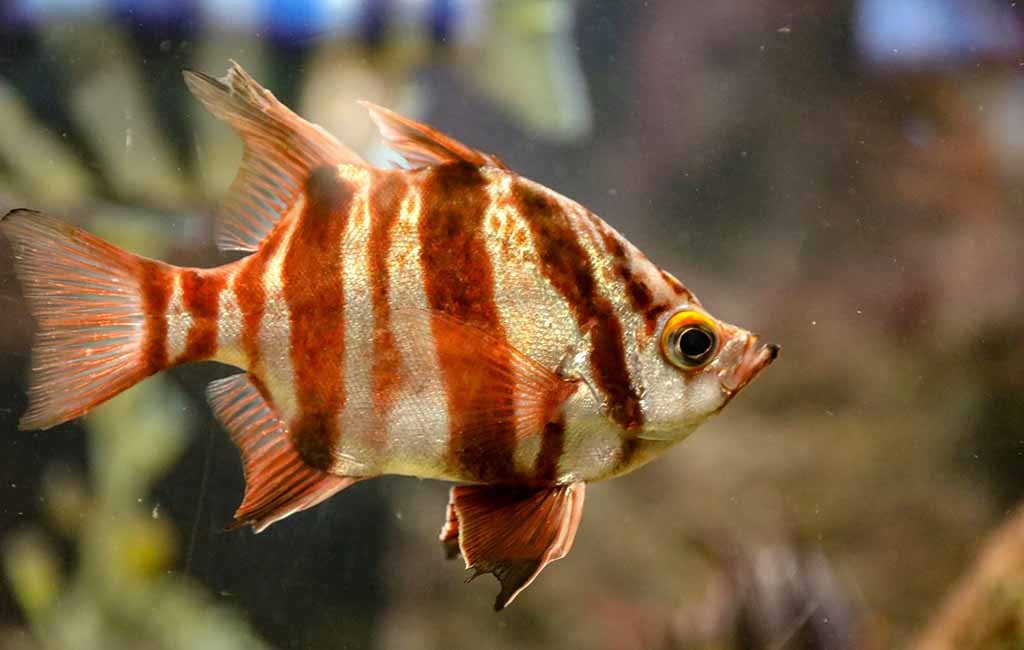
Treat Brown Blood Disease in Fish
Additional Treatment Options
The introduction of beneficial bacteria supplements enhances the development of colonies of bacteria in tanks that process the nitrite. These products bring about concentrated Nitrobacter bacteria, which transform nitrite into less harmful nitrate. Treatment periods may also be alleviated by commercial nitrite removers and water conditioners. But these are rather supplementary measures, and not an alternative to adequately managed water and transformations.
Monitoring and Recovery
Check the nitrite level on a daily basis using quality test kits during the treatment and recovery. Repeat the half-day water change till nitrite is recorded to have zero levels. Start feeding again gradually in small portions when the levels of nitrite have reached safe levels. Recovery takes time, and patience helps fish to recover tissue damage.
Concluding Remarks
Brown blood disease poses a threat to aquarium fish but is easily treated with informed, immediate action. Knowing the causes of nitrite poisoning will enable you to avoid it in the future in your tanks. Nitrite levels are maintained through regular water testing, good maintenance practices, and cycling. Where issues occur, there is a brief response of water changes and salt treatment to rescue lives. The healthy aquarium ecosystem keeps your fish safe against this life-threatening but avoidable condition.
Related Products


Leave a comment