
Pygmy Corys are one of the beginner-friendly fish species. Moreover, aquarists love to keep them due to their schooling behavior. In this article, you’ll learn about their profile, reasons why aquarists love them. Moreover, their natural and tank food, as well as treat food, are also part of the article. At the end, you will also learn about how many pygmy cories you can keep in a tank and the optimal pygmy cory tank size to house them. So, scroll down before starting your journey.
Content Table

pygmy Cories
Pygmy Cory in Fish Tank
The pygmy cory fish is a small and peaceful species. These are among the smallest species of the Corydoras family. In nature, they live in slow-moving streams of Amazonian rivers. Moreover, their peaceful nature and schooling behavior make them suitable for beginner aquarists. Here is the basic profile of these small and peaceful community pygmy cories fish.
Profile
| Feature | Details |
| Common Name | Pygmy Cory |
| Scientific Name | Corydoras pygmaeus |
| Adult Size | 0.8–1 inch (2–2.5 cm) |
| Lifespan | 3–5 years |
| Temperament | Very peaceful |
| Behavior | Schooling / Shoaling |
| Tank Level | Bottom & mid-water |
| Minimum Tank Size | 5–10 gallons |
| Ideal Temperature | 72–79°F (22–26°C) |
| pH Range | 6.4–7.4 |
| Water Hardness | Soft to moderately hard |
Why Are They Famous Among Aquarists?
They are famous among the aquarists for the following reasons.
- Small size
- Social behavior
- Safe for shrimp and snail tanks.
- They are excellent scavengers.
Do Pygmy Cories Eat Snails
Do Pygmy Cories Eat Snails or Shrimps?
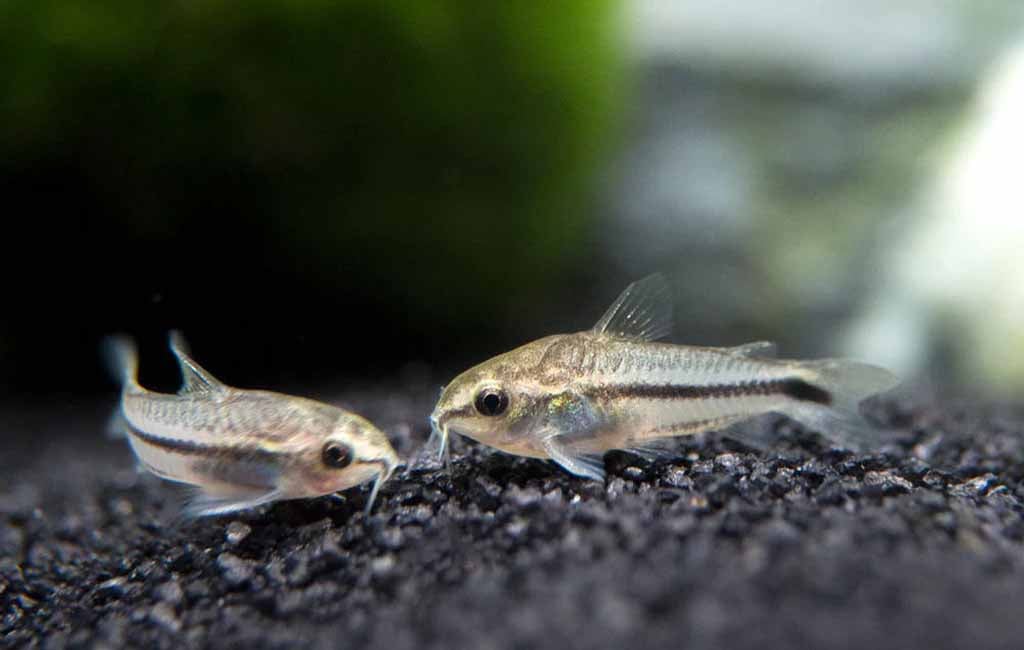
No, Pygmy corys don’t eat snails and ornamental shrimps. They don’t have a predatory nature. Rather than eating, they can co-exist with snails and shrimps. However, here are some shrimp-related feeding habits.
- They can eat shrimp and snail leftovers.
- They eat dead or dying shrimps.
- Might accidentally eat the newly hatched baby shrimps and snails.
What Do Pygmy Corys Eat?
Pygmy cories fish are scavengers. They are not predators. However, a mild predatory behavior is present among these fish. Substrate’s microorganisms are also their favorite food. Here are some natural and aquarium food options for your pygmy cories.
Natural Food Web
These are some natural foods for the Pygmy Cory. They love to eat naturally. Although they eat, they are not enough.
- Microfauna
- Biofilm
- Leftover fish, snails, and shrimp food
- Detritus worms
Staple Foods
- Sinking micro pellets
- High-quality sinking pellets
- Nano catfish pellets
Protein-Rich Pygmy Cory Diet
- Daphnia
- Baby brine shrimps
- Tubifex worms
- Finely chopped bloodworms
Treat or Surprise Diet
- Blanched vegetables
- Repashy gel foods
How Big Do Pygmy Corys Get
How Big Do Pygmy Corys Get?
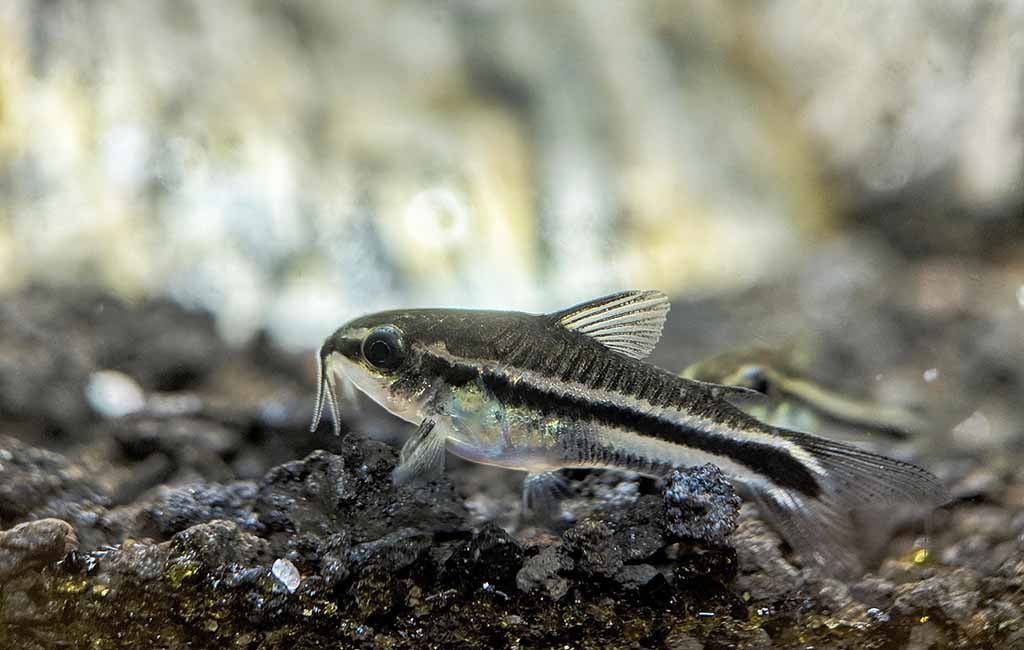
The Pygmy Cory’s size varies at different stages of life. Here is the average at different stages.
| Age | Average Size |
| 1 Month | 0.3 inch |
| 2–3 Months | 0.5 inch |
| 4–5 Months | 0.7 inch |
| Adult | 0.8–1 inch |
These are average sizes. Several factors affect the Pygmy Cory fish growth. Here are some such factors.
- Water quality
- School size
- Stress in the tank
- Tank size
- Food quality

pygmy cory tank size
What’s the Right Tank Size for Pygmy Cories?
Pygmy cories don’t require much space to accommodate optimally. However, it is necessary to provide them with optimal space per fish to avoid stress in the tank and mutual competition in various aspects, such as food, space, etc.
At least a 5-gallon tank is suitable to hold the smallest school, i.e., 6, in the tank. Other tank sizes and suitabilities are as follows.
| Tank Size | Is It Suitable for Pygmy Cories | Stocking suitability |
| 5 Gallon | Yes (Minimum) | Suitable for a small group only |
| 10 Gallon | Ideal | Best for a balanced group |
| 20 Gallon | Excellent | It can hold a large school |
How many pygmy cories
How Many Pygmy Corys in 5/10 /20 Gallons?
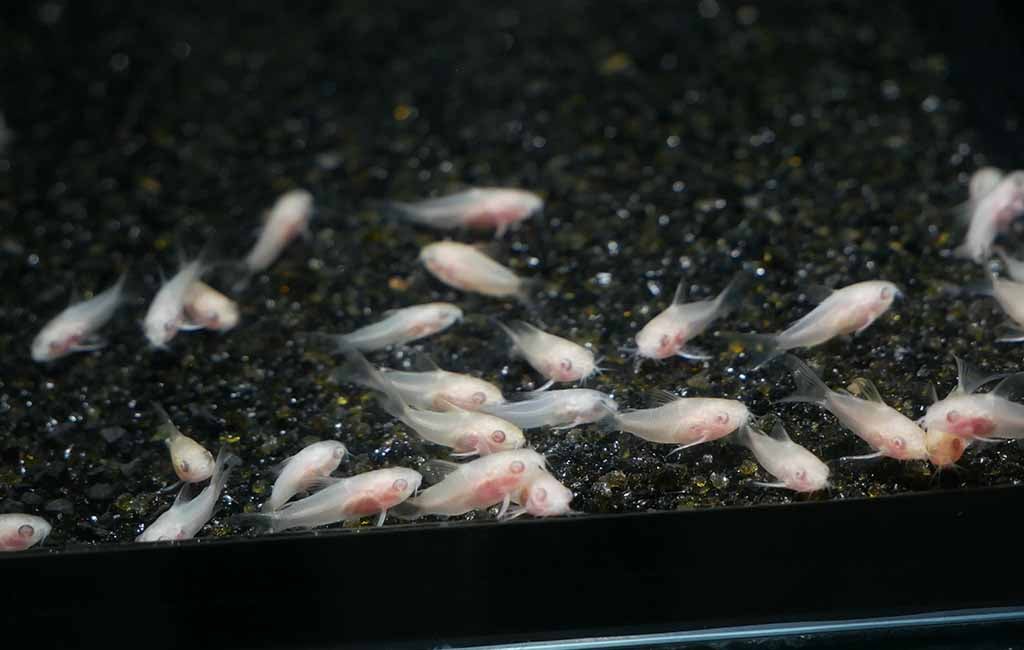
The simple rule of thumb for stocking the Pygmy Cory in the tank is to stock one inch per gallon. Moreover, the smallest and minimum size of a group is 6. Fewer than 6 can bring stress and other complications to these fish. Here are the different group sizes and relevant keynotes about each specific group.
5-Gallon Tank
A 5-gallon tank is the bare minimum to stock these fish.
| Tank Size | Stocking Level (number of fish) |
| 5-gallon | 6 |
Keynotes
- It requires a weekly water changeto maintain proper functioning.
- Install a robust filtration system in the tank.
- Keep it only-species or only-shrimp tank.
10-Gallon Tank
A 10-gallon tank is enough to hold a balanced group of pygmy cories.
| Tank Size | Stocking Level (number of fish) |
| 10-gallon | 8 to 10 |
Keynotes
- It provides enough swimming space.
- Easy to maintain
- It helps to depict the natural schooling nature of pygmy cories.
- Suitable for beginners.
- It helps to keep the water parameters stable as compared to a 5-gallon tank.

pygmy cory
20-Gallon Tank
A 20-gallon tank is a community tank. You can add some other fish as well to these fish. However, if you are only stocking the Pygmy Corys, here is the stocking level.
| Tank Size | Stocking Level (number of fish) |
| 20-gallon | Up to 20 |
Keynotes
- It helps to display the natural hierarchy in the tank.
- It enables the aquarists to maintain the large school.
- You can see them moving in the mid-level of the tank.
You can add another small fish to the tank. Here are some examples of such species.
- Small tetras
- Rasboras
- Shrimp colonies
Key Takeaways
Pygmy cory are small and peaceful schooling fish. It is interesting to have in the tank, especially for beginners. As they are small, they don’t require a larger space. You can stock them at a rate of 1 inch per gallon. The smallest group that can live optimally consists of 6 Pygmy Corys and requires at least a 5-gallon tank. Moreover, they can co-exist with shrimps and snails and can even share their food.
Related Products


Leave a comment