
You know that feeling when you bring home a new fish from the store, and it looks absolutely stunning, but then a few weeks later it just looks… dull? Yeah, I have been there. The fish colors fade, and you start wondering if you did something wrong. The good news is that vibrant fish colors are not some mysterious thing you have no control over. There are actual, practical ways to bring back that vibrancy. And about how to make fish more colorful, you do not need to be an expert aquarist to make it happen.
Content Table
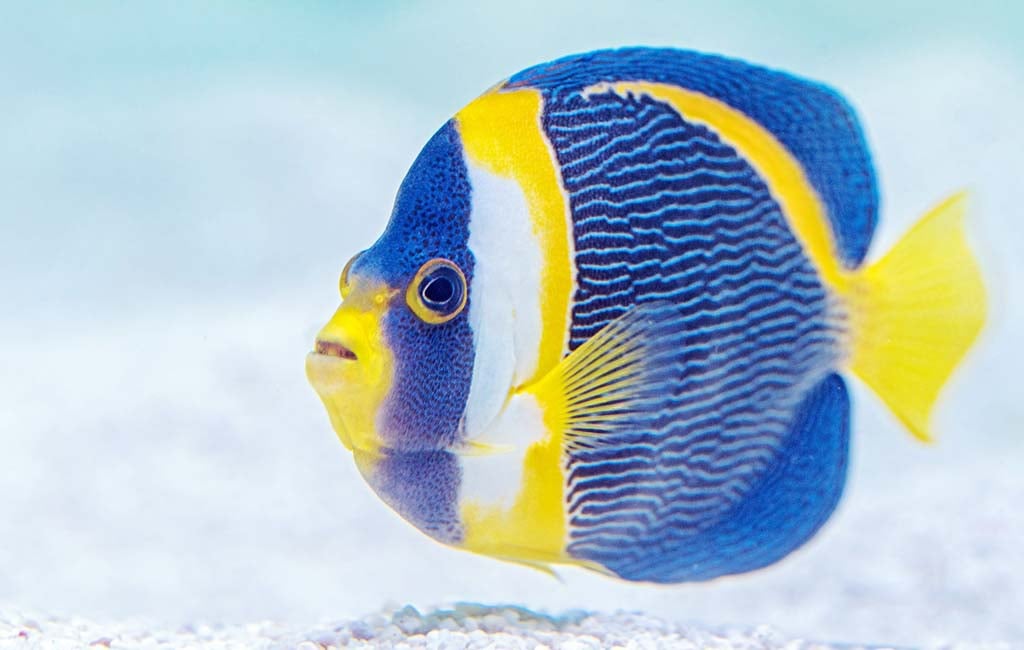
colorful fish
What Affects the Color of Your Fish
Alright, so before we jump into solutions, we need to talk about why fish lose their color in the first place. Because if you understand the problem, the fixes make way more sense.
Stress Is a Huge Factor
Fish are actually pretty sensitive creatures. When they get stressed, their colors fade. It is like how humans look terrible when they are sick or exhausted. Same concept. And what stresses fish out? A lot of things, actually.
Poor water quality tops the list. Ammonia spikes, nitrite problems, or just generally dirty water will make your fish look washed out. They are spending all their energy trying to survive instead of looking good.
Overcrowding does it too. If your tank is packed with too many fish, everyone is competing for space and resources. That constant stress shows up in their coloration.
Diet Matters More Than You Think
This is big. What your fish eat directly affects how they look. In the wild, fish get a really diverse diet full of natural color pigments. In our tanks? They get whatever we feed them. And if that food is low quality or missing key nutrients, the vibrant fish colors suffer.
Genetics and Age Play a Role
Some fish are just genetically programmed to be less colorful than others. Even within the same species, you will see variation. And as fish age, they can naturally lose some vibrancy. You cannot really fight genetics or time, but you can optimize everything else.
Water Parameters and Chemistry
Different fish species need different water conditions. If your water is too hard or too soft, too acidic or too alkaline, your fish are not going to thrive. And fish that are not thriving are not going to show off their best colors.
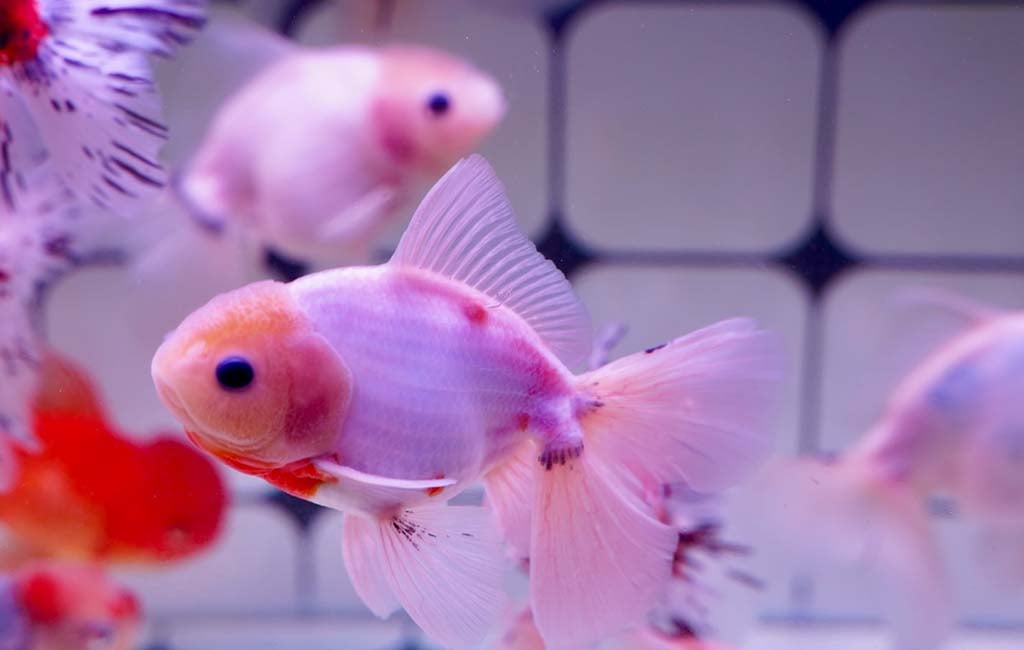
Make Fish More Colorful
Lights to Make Aquarium Fish Color Enhanced
Okay, lighting is one of those things that people either obsess over or completely ignore. Both extremes are kind of missing the point.
- How Light Actually Works
Fish colors come from pigments in their skin and scales. But here is the thing: the light hitting those pigments determines what colors we actually see. Different wavelengths bring out different colors. So the right lighting can make your fish look way more vibrant, while the wrong lighting can make them look muddy or washed out.
- Best Lighting for Freshwater Tanks
For freshwater tanks with colorful fish like tetras, bettas, or cichlids, you want full-spectrum lighting that includes both blue and red wavelengths. This combination brings out the natural colors without looking artificial.
LED lights are honestly the way to go now. They last longer, use less energy, and you can usually adjust the color temperature. Look for lights in the 6500K to 8000K range. That gives you a nice, natural-looking light that makes fish colors pop.
- Saltwater and Marine Tank Lighting
Marine fish and reef tanks need stronger lighting, especially if you have corals. Blue spectrum lighting (actinic lighting) is popular in saltwater setups because it mimics the light that penetrates ocean water at depth. It also makes fluorescent colors in fish and corals really stand out.
But you do not want only blue light. A mix of blue and white gives you the best color rendition while still supporting coral growth if you have a reef tank.
- Lighting Duration and Intensity
More light is not always better. Too much light causes algae problems and can actually stress fish. Most tropical fish do well with about 8 to 10 hours of light per day. You can use a timer so it stays consistent.
And if your fish seem to be hiding all the time or their colors are fading even with good lighting, you might actually have too much light. Try reducing the intensity or duration and see what happens.
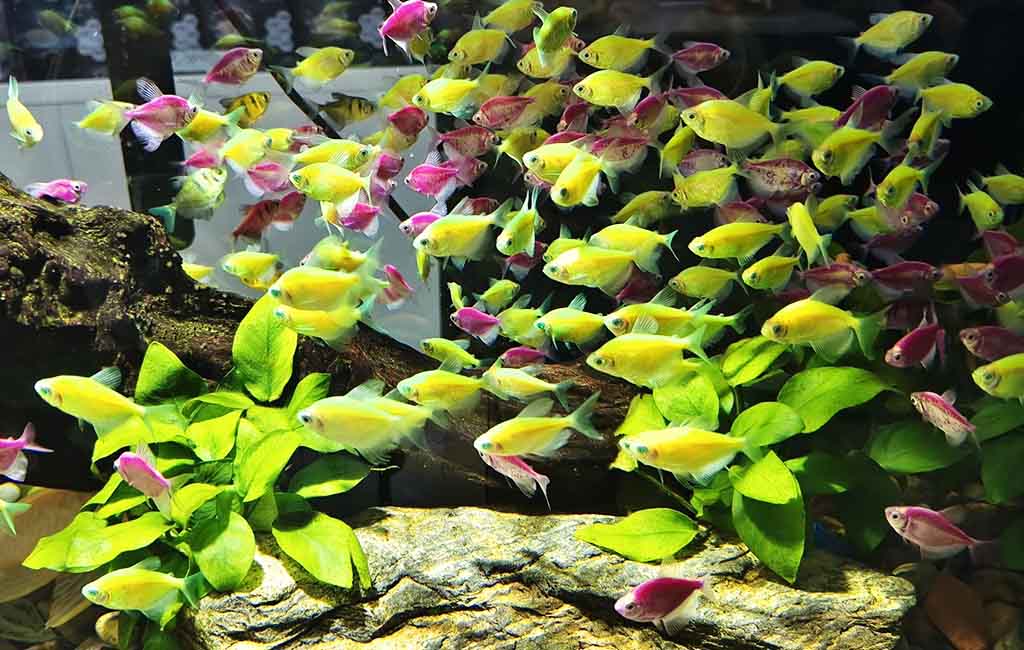
vibrant fish colors
Foods that Enhance Fish Color
This is probably the most effective thing you can do. Feed your fish the right stuff, and you will see results within a few weeks.
The Science of Color-Enhancing Foods
Fish cannot produce certain pigments on their own. They have to get them from their diet. The two big ones are carotenoids and astaxanthin. These are natural pigments found in things like algae, crustaceans, and certain plants.
When fish eat foods containing these pigments, the pigments get deposited in their skin and scales. This is especially important for red, orange, and yellow colors.
Best Foods for Vibrant Fish Colors
Here is what actually works:
- Spirulina: This is an algae that is packed with color-enhancing nutrients. A lot of quality fish foods include spirulina specifically for this reason. It brings out blues and greens especially well.
- Krill and Shrimp: These are loaded with astaxanthin, which boosts reds, oranges, and pinks. You can get freeze-dried krill or shrimp as treats, or look for foods that list these as main ingredients.
- Quality Pellets and Flakes: Not all fish food is created equal. Cheap food uses a lot of fillers. Premium brands include natural color enhancers and higher-quality protein sources.
- Fresh or Frozen Foods: Things like bloodworms, brine shrimp, and daphnia are closer to what fish would eat in nature. They are nutrient-dense and great for color.
- Vegetables for Herbivores: If you have plant-eating fish, fresh vegetables like blanched zucchini, spinach, or peas provide natural pigments and vitamins.
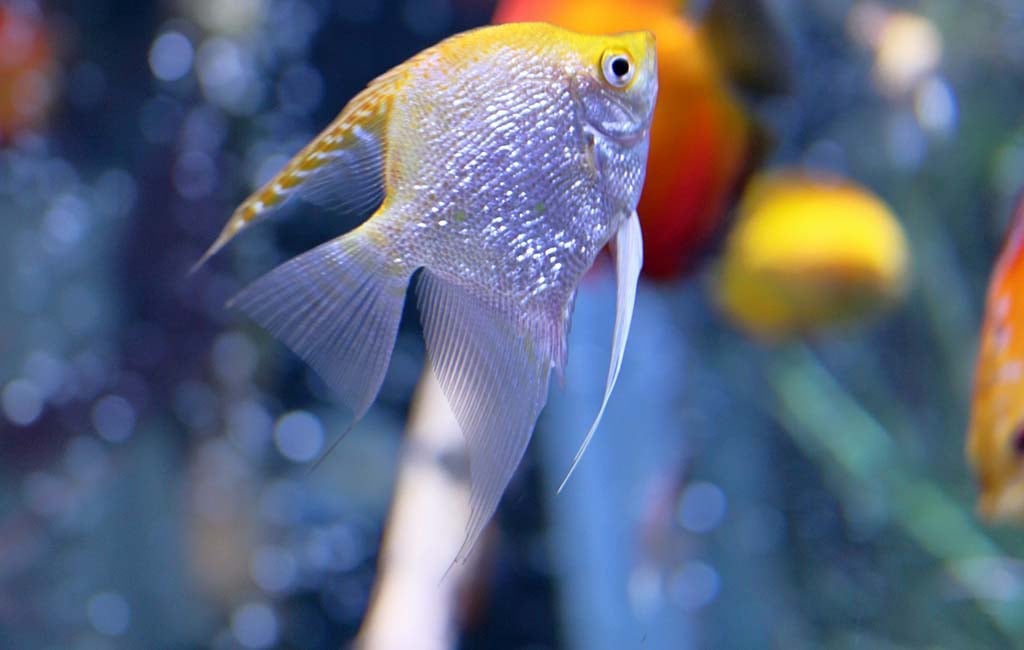
How to make fish more colorful
How Often to Feed Color-Enhancing Foods
You do not need to feed specialty foods at every meal. A lot of people do a mix. Regular high-quality food most of the time, with color-enhancing treats a few times a week. Variety is actually better than feeding the same thing constantly.
And do not overfeed. Overfeeding leads to poor water quality, which circles back to making your fish look worse. Feed only what they can eat in a couple of minutes, once or twice a day.
How to Make Fish More Colorful in Aquariums
Alright, so you understand what affects color. Now, let me give you an actual game plan for bringing out the best in your fish.
Step 1: Get Your Water Quality Right
This is non-negotiable. Test your water regularly. You want:
- Ammonia at 0 ppm
- Nitrite at 0 ppm
- Nitrate below 20 ppm (lower is better)
- pH appropriate for your species
- Proper temperature for your fish
Do regular water changes. I know it is a pain, but changing 20 to 30 percent of your water weekly keeps things clean and stable. Clean water equals healthy fish, and healthy fish show better colors.
Step 2: Reduce Stress Factors
Make sure your tank is not overcrowded. Give your fish hiding spots with plants, rocks, or decorations. They need places to feel safe.
If you have aggressive fish picking on others, that is a problem you need to solve. Bullied fish will always look dull and stressed.
Keep the environment stable. Big swings in temperature or pH stress fish out. Consistency is your friend.
Step 3: Upgrade Your Lighting
If you are still using that basic light that came with your tank kit, consider upgrading to a full-spectrum LED. You will be surprised how much difference it makes.
Position the light correctly, too. It should cover the whole tank evenly without creating dark spots.
Step 4: Feed a Varied, High Quality Diet
Stop buying the cheapest food at the store. It is like trying to stay healthy by eating fast food every day. Invest in quality food with natural color enhancers.
Mix it up. Pellets one day, frozen food the next, some vegetables if your fish eat them. Variety provides a broader range of nutrients.
Step 5: Be Patient
This is the part nobody wants to hear, but color improvement takes time. You are not going to see dramatic changes overnight. Give it a few weeks of consistent good care before you judge the results.
Some fish will respond faster than others. Younger fish often show improvement more quickly than older ones.
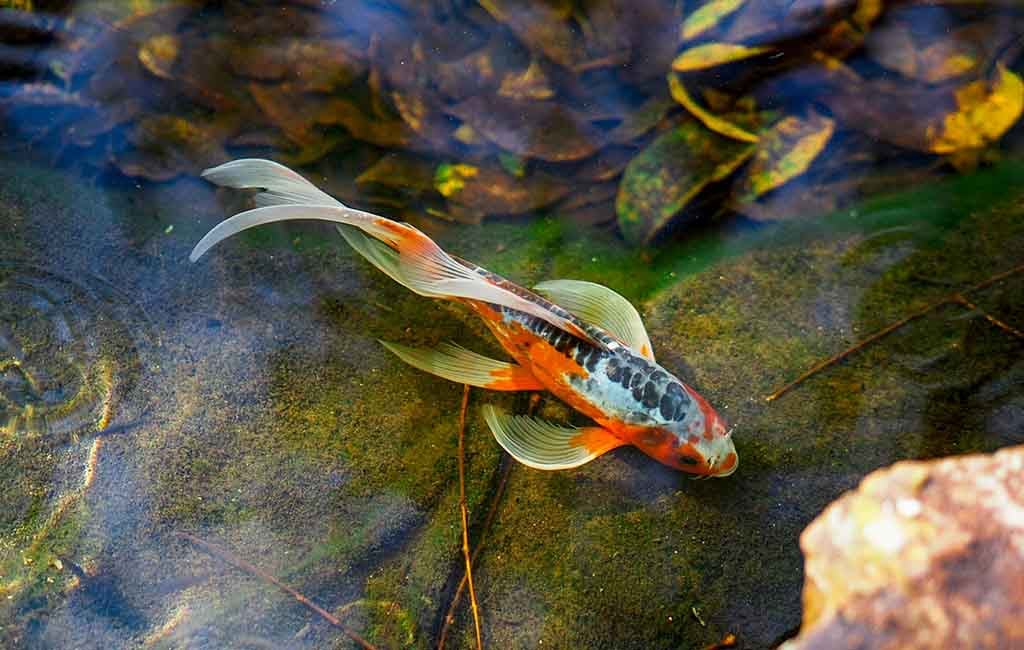
Fish Color Enhancing Tips
Fish Color Enhancing Tips
Here are some extra things that can make a real difference:
- Background Color Matters
The color of your tank background actually affects how your fish look. Darker backgrounds (black or dark blue) tend to make fish colors pop more. Light colored backgrounds can wash them out.
Some fish also adjust their coloration slightly based on their surroundings. This is a natural camouflage response.
- Keep Them Active and Healthy
Fish that get some exercise and stimulation tend to look better. Make sure they have enough space to swim. Some species appreciate water flow or currents to swim against. A bored, inactive fish is often a dull-colored fish.
- Match Fish to Your Water Type
If you have hard water and you are trying to keep fish that need soft water, they are never going to look their best. Do some research and stock fish that actually thrive in your water parameters.
It is way easier to work with your water than against it.
- Avoid Medications Unless Necessary
Some medications can temporarily affect fish coloration. Only medicate when you actually have a disease problem, and follow the directions carefully.
- Good Genetics Start at Purchase
When you are buying fish, choose ones that already show good color at the store. If a fish looks pale and washed out in the shop tank, it might just be poor genetics. You cannot fix that with food and lighting. Look for active fish with bright, even coloration. Avoid ones that look stressed or damaged.
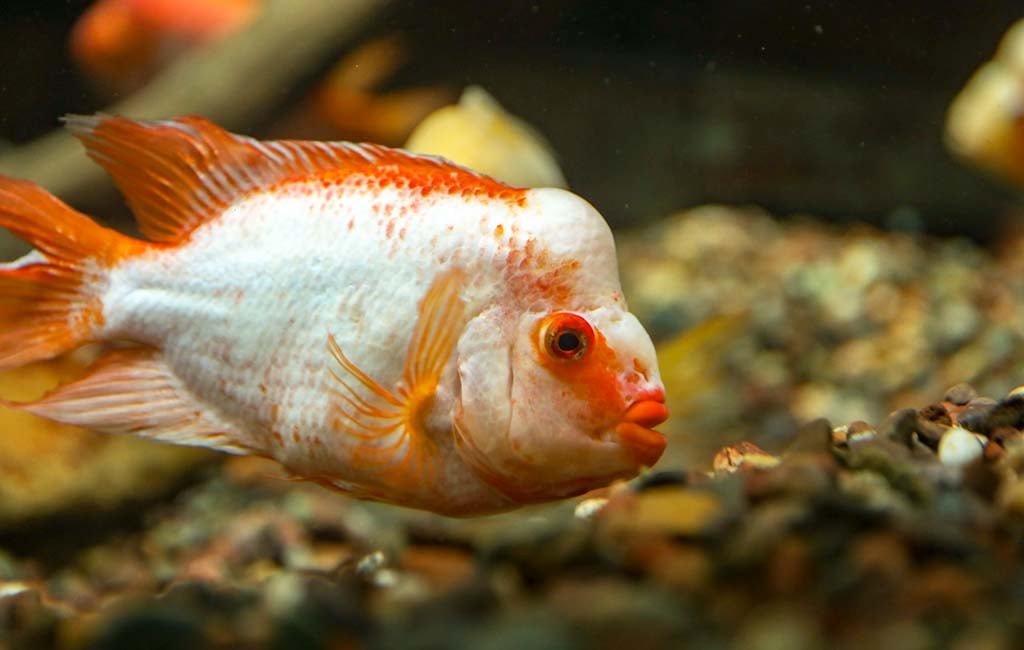
Enhance Fish Color
Closing Remarks
Getting your fish to show their most vibrant colors is not rocket science, but it does require some attention to detail. Clean water, good food, proper lighting, and low-stress conditions will get you most of the way there. The rest is just patience and consistency. You are not going to transform dull fish into show-quality specimens overnight, but with the right care, you will definitely see improvement. And honestly, watching your fish gradually become more colorful as their health improves is pretty satisfying. It means you are doing something right.
Related Products




Leave a comment