
Some of the most delightful freshwater fishes that you can include in your aquarium include the rosy barbs. They are instant energy sources in any arrangement with their golden-pink shine, serene nature, and playful swimming habits. They can be easily taken care of, but due to their active personalities, they require space and friends to remain healthy and happy. Being aware of the number of rosy barbs in your tank would guarantee the right amount of ecosystem and avoid stress or aggression.
Content Table
In this hygger article, we will discuss their feeding patterns, tank size preference, ability to coexist with other fish, and the most suited combinations to form a successful aquarium environment.
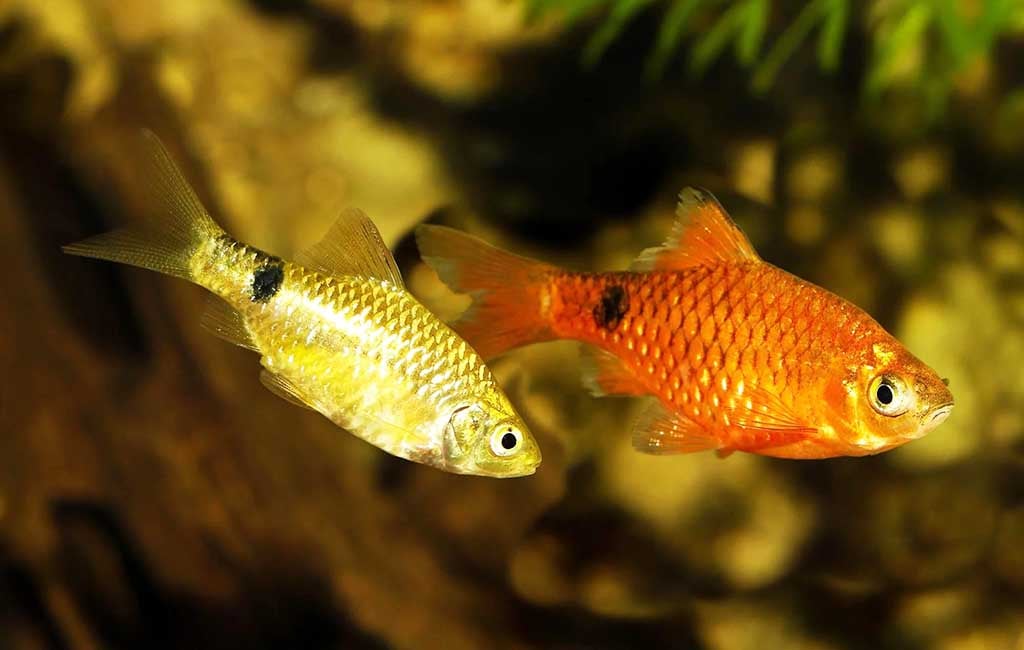
How many rosy barbs
Do Rosy Barbs Eat Algae?
Yes, rosy bars also eat algae, but it is not their main source of food. You will quite see them ruminating over soft green algae that grows on rocks, tank walls, or ornaments. This instinctive action will help in lowering the occurrence of small algae formations, though you should not count on them as your primary mode of controlling algae.
Rosy barbs are omnivorous, i.e., they feed on plant as well as animal food. A well-balanced diet provides excellent color and energy. You can feed them:
- Flake or pellet food for daily nutrition.
- Frozen or live foods like bloodworms, brine shrimp, and daphnia.
- Vegetables such as blanched spinach, peas, or zucchini for fiber and variety.
Small meals twice a day are best. In smaller tanks, feeding up can easily contaminate the water. Algae constitute a minor portion of their diet, although a combination of vegetarian and protein foods is needed to sustain their bright colors and active lifestyles.
How Many Rosy Barbs Should Be Kept Together?
Rosy barbs are groups of schooling fish that will naturally live in groups. They might get stressed, bored, or even violent toward other fish when confined either alone or in pairs. You must have at least five or six rosy barbs to keep on harmonizing.
Their numbers should scale with tank size. Here’s a helpful breakdown:
- 40-gallon tank: Suitable for 6 rosy barbs.
- 50-gallon tank: You can keep up to 8 rosy barbs.
- 60-gallon tank: Allows for 10 rosy barbs with swimming space.
- 70-gallon tank: Fits 12 rosy barbs comfortably.
- 80-gallon tank: Ideal for 14 rosy barbs, with room for tank mates.
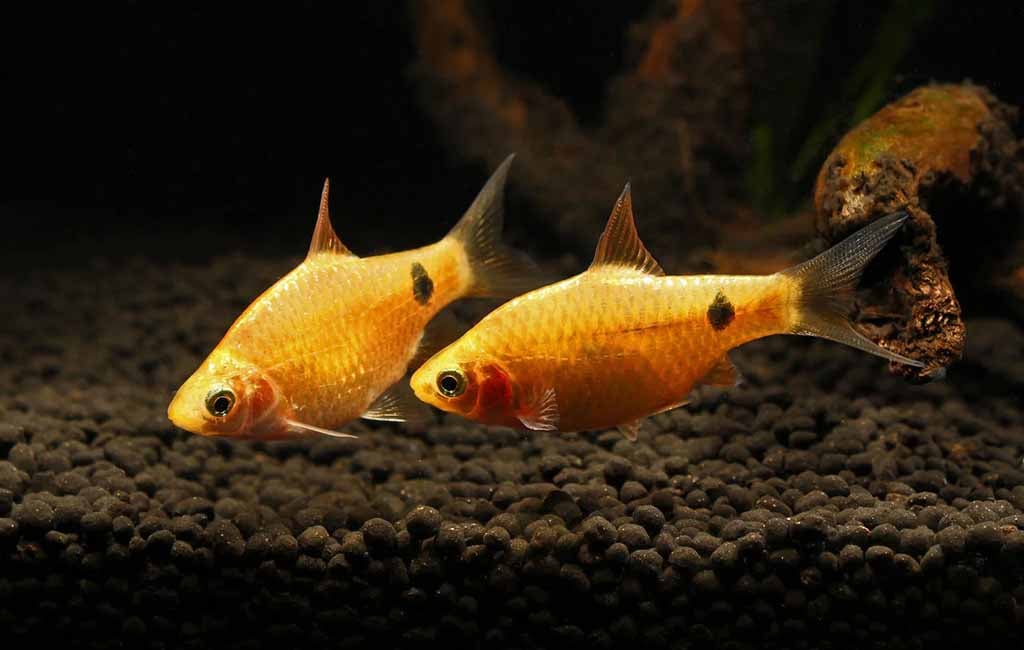
Tank size for Rosy Barbs
Taking it as a rule, prepare one rosy barb to every 6–7 gallons of water. The fish are quick swimmers, and hence horizontal tank space is more important than height. Their long tank helps them to move freely around without bumping into each other, and they form a social hierarchy.
When you want to combine them with other fish, then you are supposed to trim a few barbs. So that the balance and water quality are maintained. It is important to remember that rosy barbs generate moderate wastes, and thus filtration and partial water changes are essential.
The Ideal Tank Size for Rosy Barbs
Rosy barbs are not violent, though they are very active, exploratory. The minimum tank size that should be used in a small group is 40 gallons, and this size is never too big. They can also be territorial or hunt the smaller fish in cramped tanks.
Given the fact that they may grow up to 6 inches, it means that they need large tanks with an open swimming area. A tall tank does not allow good movement as compared to a rectangular tank. Rosy barbs are also fond of a combination of living plants with the openings. Java fern, anubias, or Amazon sword are hardy plants that can be used as they are sometimes bitten by rosy barbs.
Maintain optimal water conditions to mimic their natural river habitats:
- Temperature: 64°F to 72°F (18°C to 22°C)
- pH level: 0 to 7.5
- Hardness: 5–19 dGH
Sound filtration and average water flow would be optimal, since the rosy barbs prefer swimming in calm currents. An air stone or sponge filter can be used to raise the oxygen levels. They will also be safer because of low lighting or dark spots made by floating plants.
Big and well-decorated tanks not only make their colors brighter, but they also make them calm and interactive.
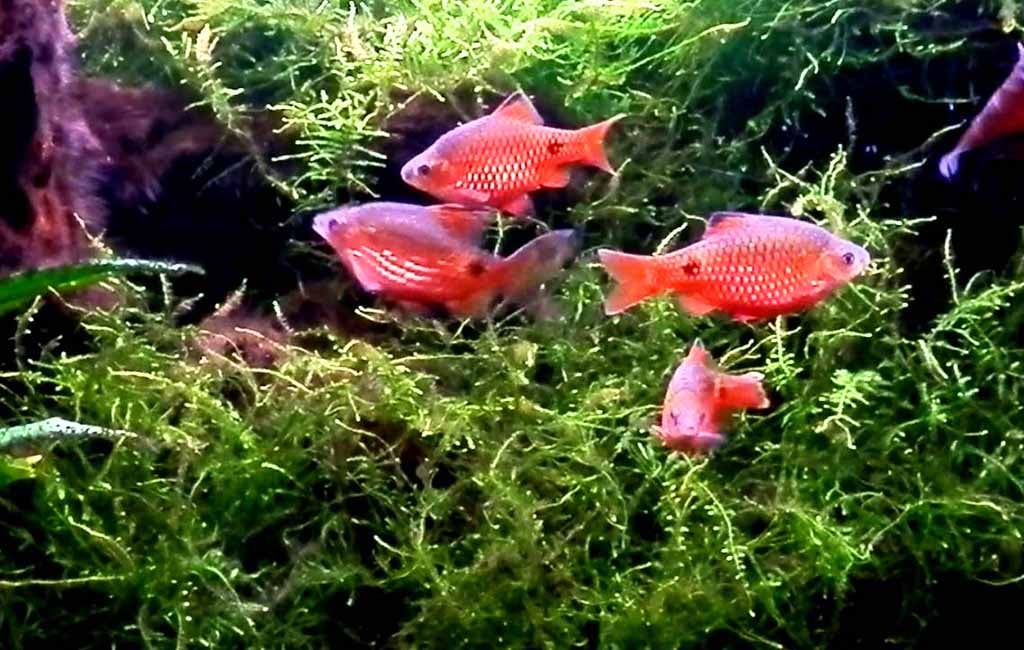
Rosy Barb tank mates
Rosy Barb vs. Cherry Barb
The rosy barbs and the cherry barbs are Puntius; however, they vary in size, temper, and conditions. Cherry barbs are smaller in size, about 2 inches, whereas rosy barbs are significantly bigger and more vigorous swimmers.
Here’s a quick comparison:
| Trait | Rosy Barb | Cherry Barb |
| Size | Up to 6 inches | Up to 2 inches |
| Temperament | Semi-aggressive, active | Peaceful and shy |
| Ideal Water Temperature | 64°F–72°F | 73°F–81°F |
| School Size | 6 or more | 5 or more |
| Tank Requirement | 40 gallons minimum | 20 gallons minimum |
Cherry barbs are more docile, and they like to stay in a calm environment, whereas the rosy barbs prefer the active swimming areas. The two species can be maintained together provided the tank is large enough, say 60 gallons or above. With this arrangement, place additional plants and places of rest for the cherry barbs, which shy away in a conflict.
As the case in points, rosy barbs and 6 cherry barbs may be stored in 60 gallons of water. You can stock a 75-gallon tank with 8 rosy barbs and 6 cherry barbs in it so that the two species have room to move about.
In co-housing, ensure moderate lighting, introduce dense vegetation cover, and provide a balanced diet that will be appropriate to both species. This combination provides a color contrast and gives an interesting show in your aquarium.
Fish Species That Make Great Rosy Barb Tank Mates
Rosey Barb is a very active fish, so it is only able to mingle with other fish that are able to manage their activity. They are not very aggressive and are social, and sometimes bite fins when bored or held. It is important to always select species that are similar in terms of water conditions and swimming behavior.
Good tank mates include:
- Tiger barbs: Match their speed and temperament, making them ideal companions.
- Zebra danios: Hardy, playful, and equally energetic swimmers.
- Corydoras catfish: Peaceful bottom dwellers that keep the substrate clean.
- Rainbowfish: Add color and movement while staying non-aggressive.
- Swordtails, mollies, and platys: Adapt well to similar water parameters.
Do not keep rosy barbs with angelfish, bettas, or guppies. These are slower species or long-finned species that may be bitten at in play by rosy barbs.
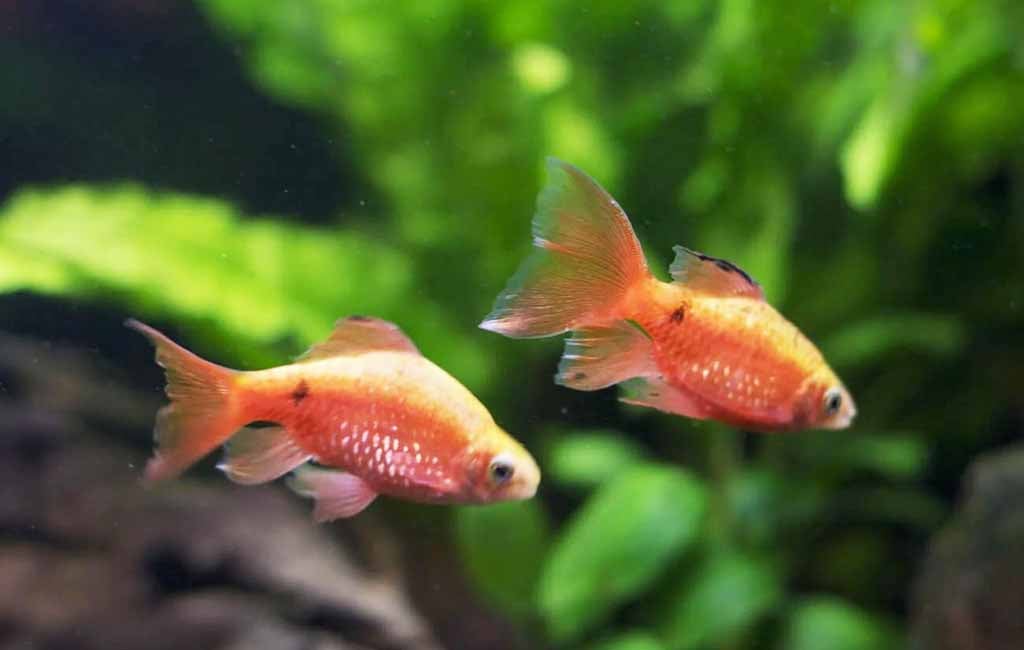
Great Rosy Barb Tank Mates
When you intend to set up a community, make sure that you have at least 60 gallons to enable the various species of fish to establish their habitats. Make natural sections in the tank with rocks, driftwood, and plants. This design will minimize aggression and allow places of rest.
The next tip is that the water should be slightly colder than the tropical systems, as the rosy barbs like cool weather. Groups are also better suited to them since their attention remains in their school rather than attacking other fish.
Additional Care Tips for Rosy Barbs
Healthy, dynamic group maintenance is crucial to ensure a stable, healthy group. Carry out 25-30% changes of water every week to eliminate heavy metals and toxins. Wash your filter thoroughly, but do not use tap water to wash it since it kills the good bacteria.
Rosy barbs like natural decorations. Add gravel or fine sand as a substrate, and add driftwood to provide shelter. They adore swimming among the stems of plants and exploring the small caves. Make sure that there is lots of light, too much brightness can make them look stressed out, and dim lights bring out the pink and gold in them.
Rearing the rosy barbs can also be an achievement. Prepare another breeding tank of approximately 20 gallons using fine plants or a spawning mop. The female deposits egg, which are hatched in 24–36 hours. Once they have spawned, take off the adults because they can consume the eggs.
Years of activity in rosy barbs are ensured by proper feeding, regular water parameters, and companionship. They can survive a maximum of 5 years on favorable conditions, thus becoming one of the long-term favorites of aquarium enthusiasts.
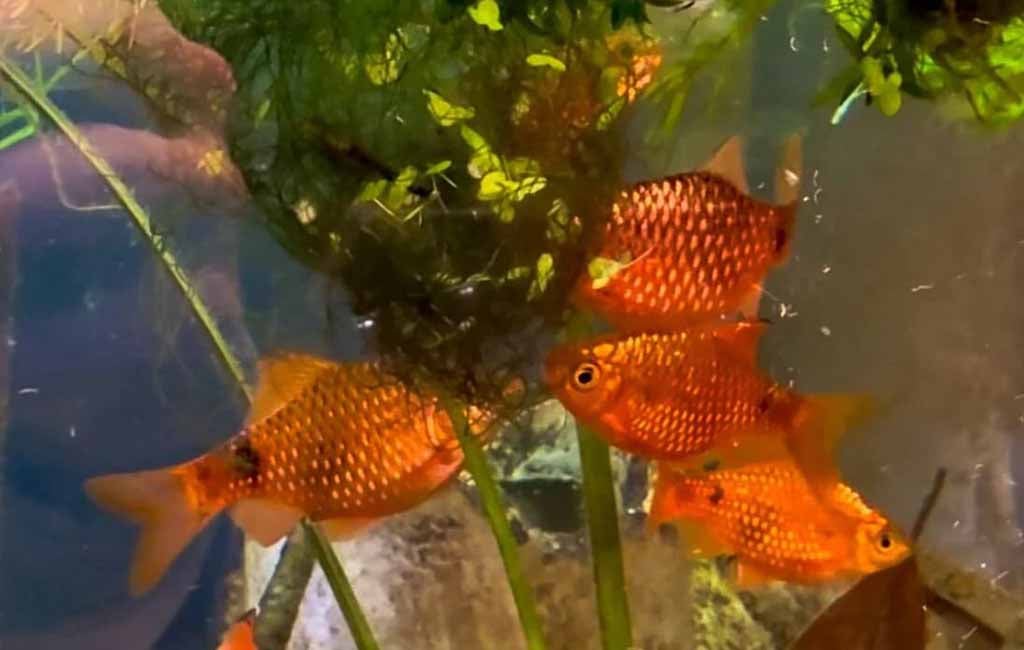
Care Tips for Rosy Barbs
Summarizing the Key Insights
Rosy barbs are beautiful, energetic fish that bring personality to any aquarium. To keep them thriving:
- Maintain a group of six or more for social balance.
- Provide at least a 40-gallon tank; larger tanks offer better water quality and movement.
- Feed a varied diet of flakes, frozen food, and vegetables.
- Mix them with compatible, equally active fish species.
- Keep the water clean, cool, and slightly flowing.
If you want to mix species like cherry barbs or danios, go for a tank of 60 gallons or more with plenty of plants and open swimming zones.
Final Thought
Rosy barbs are more than just colorful fish. They’re full of life and curiosity. With proper space, a balanced diet, and suitable tank mates, they’ll reward you with constant motion and brilliant color displays. Whether you’re building your first aquarium or upgrading to a larger setup, planning the right number of rosy barbs ensures a lively, peaceful, and visually stunning aquatic world.
Related Products





Leave a comment