
Invasive coral species are often colorful and attract aquarists to introduce them to the tank. However, without proper care and knowledge, they can deteriorate your tank into dull and monochromatic. In the following, you’ll learn about some invasive species and how they affect the native and the native environment. If you are keen to keep them in your tank, a proper invasive coral care guide is worth knowing. Moreover, cup corals are also a part of invasive species in coral reefs in the discussion.
Content Table
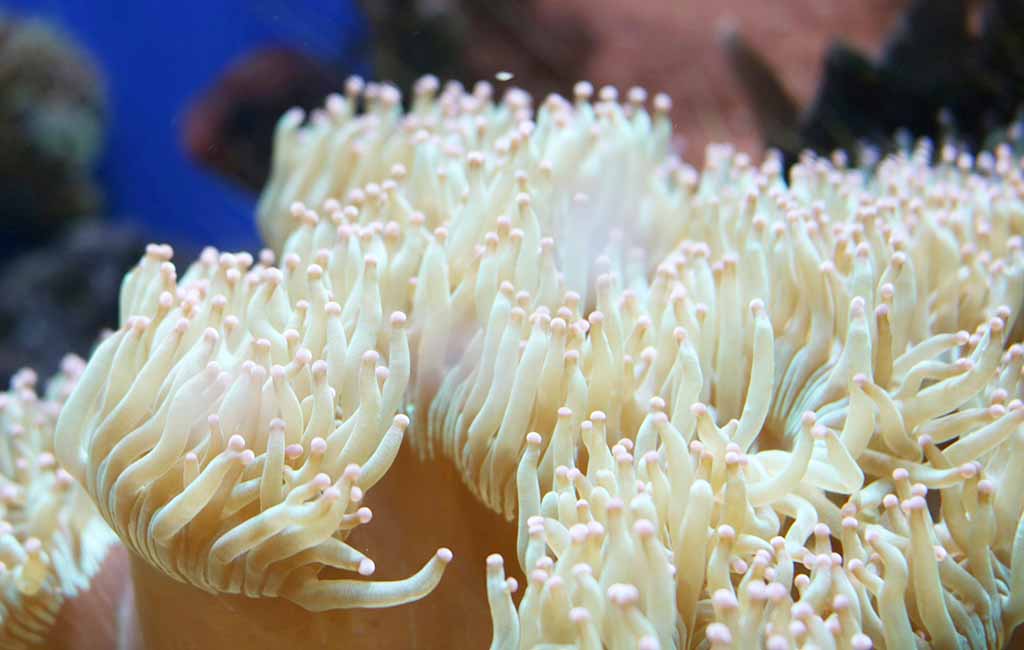
Invasive species in coral reefs
Invasive Coral Species in the Reef Tank
Invasive coral species are coral species that are introduced into a non-native environment. When they grow in this environment, they can cause alterations in new environments that are usually harmful to the ecosystem. Usually, invasive species show higher growth rates that overpower native species.
Several coral species are considered invasive species in coral reefs and reef tanks. Here are examples of such species.
| Coral species | Native environment | Non-native environment | How do they impact? |
| Xenia spp. | Indo-Pacific | Globally, especially in the Caribbean region | It grows throughout the globe. |
| Green Star Polyps | Indo-Pacific, Red Sea | Reef tanks globally | Impact with fast growth, covering up the live rocks and other coral species. |
| Clove Polyps | Indo-Pacific | Grow globally | They are not super invasive. However, they impact with a spread and outcompete other corals. |
| Zoanthus spp. | Indo-Pacific, Caribbean | Globally,
Rocky tank setup |
Some species are invasive. Their invasive nature is more evident in polluted areas, as they can survive in those regions. |
| Blue Clove Polyps | Indo-Pacific | Globally, especially in a tank environment | They suppress the other corals with their fast growth. |
| Montipora foliosa | Indo-Pacific | Invasive in the tank environment. Removed from Kaneohe Bay, Hawaii, due to their overgrowth | Suppress the other coral growth. |
| Monitipora carinata | |||
| Montipora digitata |
Cup Corals in a Home Aquarium
Cup corals or sun corals have 7 known species. These are popular among aquarists for various reasons, i.e., striking coloration, polyps’ opening style while feeding, and non-photosynthetic nature. Moreover, it is easy to feed them as they accept a variety of food.
Profile
| Feature | Explanation |
| Genus | Turbinaria |
| Family | Dendrophylliidae |
| Common names | Cup coral |
| Vase coral | |
| Pagoda coral | |
| Scroll coral | |
| Known species | T. tagusensis |
| T. coccinea | |
| T. diaphana | |
| T. faulkneri | |
| T. floreana | |
| T. megacorallita | |
| T. micranthus | |
| Distribution | Indo-Pacific region |
| Habitat | Reef slopes and upper reef faces |
| Optimal environment | Moderate to strong flow with good lighting conditions |
| Shapes | Scroll
Cup Vase Plating whorls |
| Coloration | Yellow
Green Brown |
| Lighting requirement | Moderate to high |
| Diet | Coral foods
Phytoplankton Zooplankton |
| Nature | Peaceful, as they don’t have long sweeper tentacles |
| Growth rate | Moderate |
| Water temperature | 75 to 81 °F |
| pH | 8.1 to 8.4 |
| Salinity | 1.024 to 1.026 |
| Alkanity | 8 to 12 dKH |
| Calcium | 400 to 450 ppm |
| Magnesium | 1250 to 1350 ppm |
| Phosphate | Less than 0.05 ppm |
| Nitrate | Less than 10 ppm |
Can I Keep Them in the Home Aquarium?
Yes, you can keep them in your home aquarium if you are a seasoned aquarist. They have special care requirements, i.e., moderate to high flow, frequent meaty meals, non-photosynthetic nature, etc.
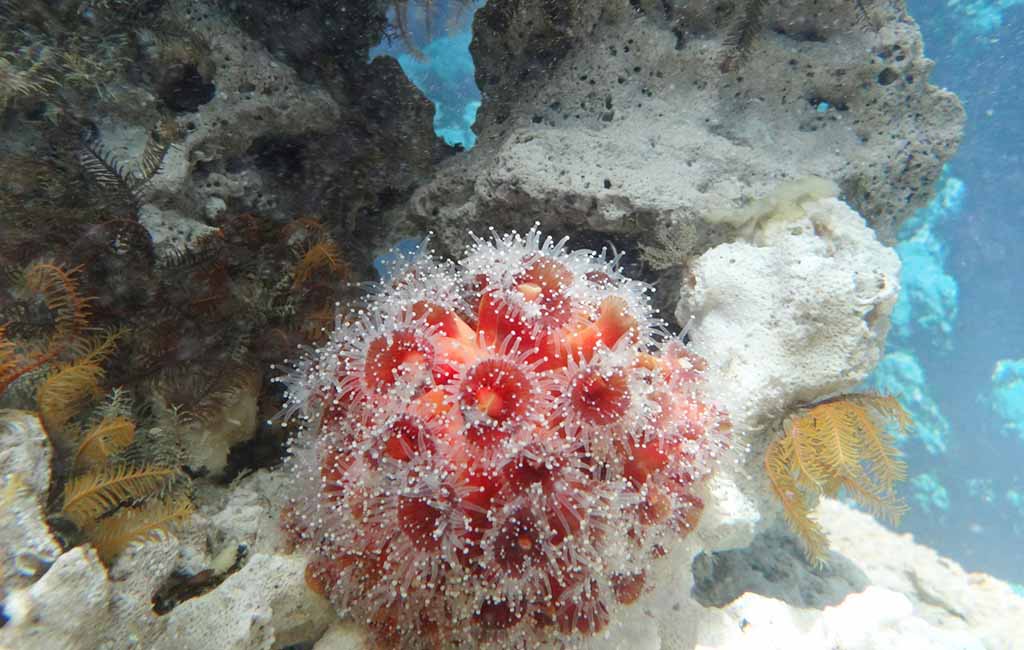
However, out of the 7 species, Tubastraea coccinea is the only invasive one. Although their vibrant coloration makes them thrilling to see, they require special care. They grow at a higher rate. Without proper care, they can overpower the other corals and disrupt the tank ecosystem. However, mostly, you can keep them in your home tank.
most invasive corals
How Do Invasive Species Affect Coral Reef Tanks?
It’s essential to understand how these invasive coral species impact native corals. Here are some ways through which these species affect the coral reef tank environment.
Suppressing Other Corals
Invasive species grow at a high rate. During the growth, they uptake the nutrients that are necessary for other corals’ growth. After holding their ground, they slowly remove the other corals. Usually, SPS and LPS corals are affected due to slow growth rates.
Toxin Release
Some invasive coral species are toxic. During the growth period, they release allelopathic compounds into the water. These toxic chemicals reduce and, sometimes, kill other sensitive corals.
Reduce Biodiversity
Diverse biodiversity in tanks benefits in multiple ways, i.e., decor, water cleaning, etc. However, introducing some invasive coral overpowers the corals and makes the tank a single-species-dominated coral reef tank. It turns your tank into a unicolor and dull.
Difficult Maintenance
Invasive species overpower other corals with their fast growth and their huge spread. This fast growth requires frequent maintenance as they spread around the glass, rocks, pump, and other decor elements in the tank. Invasive species require constant pruning and removal. Once you fail to maintain them, they will overpower the tank and continue their spread. The only way to control them will be to remove them from the tank.
Deteriorate Water Quality
Invasive species will change the nutrient dynamics and CO2 requirement in the tank. They will trap the detritus and change the water flow pattern in the tank, which results in dead spots. Dead spots cause harm to water quality with nutrient buildup, oxygen level reduction, bacterial growth, algae bloom, and an unstable microbiome.
invasive corals care guide
Care Guide for the Most Invasive Corals
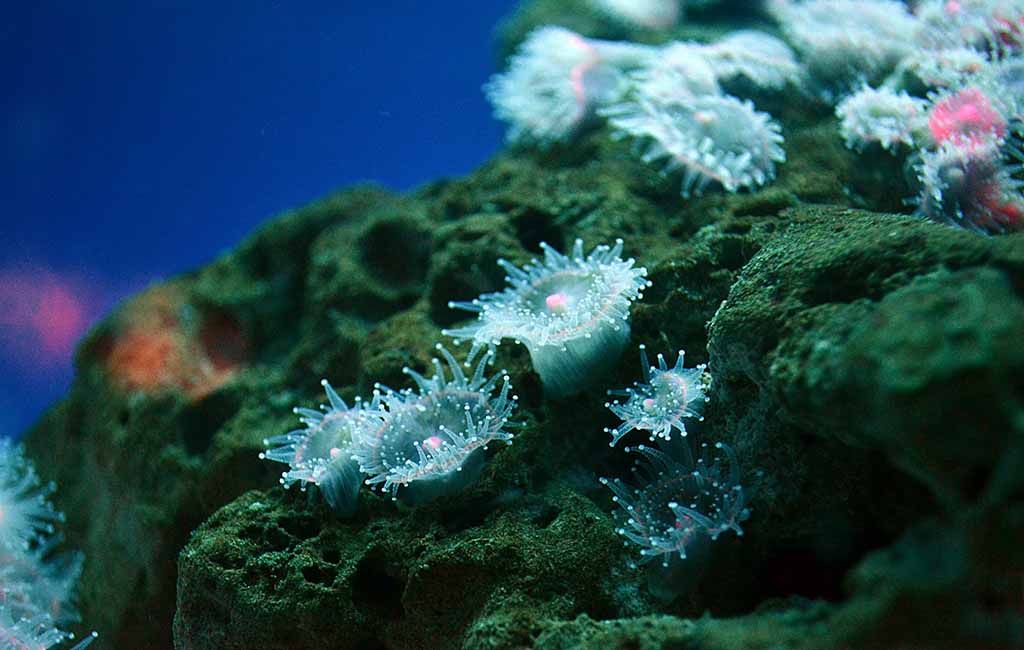
Invasive coral species require special attention. Otherwise, they can harm your tank in many ways. Like overshadowing other corals and difficult removal after their establishment, and harming water quality.
Therefore, it’s necessary to properly take care of these coral species. Here is a general guideline: if you have some specific species, research about their specific parameters, e.g., water parameters, feeding, etc.
Lighting
As mentioned, mostly soft corals lie under invasive coral species. Usually, soft corals thrive under low light. Therefore, provide them with moderate to high light. LED, T5, or hybrid lighting will help to control their growth rate.
Flow Rate
Invasive corals thrive at a fast pace when they trap detritus. Therefore, adjust the flow rate moderately. Slow will cause a detritus trap, and a high flow rate can cause the coral to be damaged.
Water parameters
| Parameters | Values |
| Temperature | 75 to 81 °F |
| pH | 8.1 to 8.4 |
| Salinity | 1.024 to 1.026 |
| Alakalnity | 8 to 12 dKH |
| Calcium | 400 to 450 ppm |
| Magnesium | 1250 to 1350 ppm |
| Nitrate | 2 to 10 ppm |
| Phosphates | 0.02–0.05 ppm |
Feeding
Mostly, invasive corals are photosynthetic. Usually, they obtain most of their diet through symbiotic relations with zooxanthellae algae. Moreover, they also took energy from the light. However, they need a proper diet. Feed them on
- Coral food
- Phytoplankton
- Amino acid
However, don’t forget to research the exact diet, as it can be different from the general food options.
Placement
To keep them under control, use the island method. Place on single rocks at the bottom. It’ll help to keep them separate from the main areas and avoid creeping into the entire tank.
Spread control
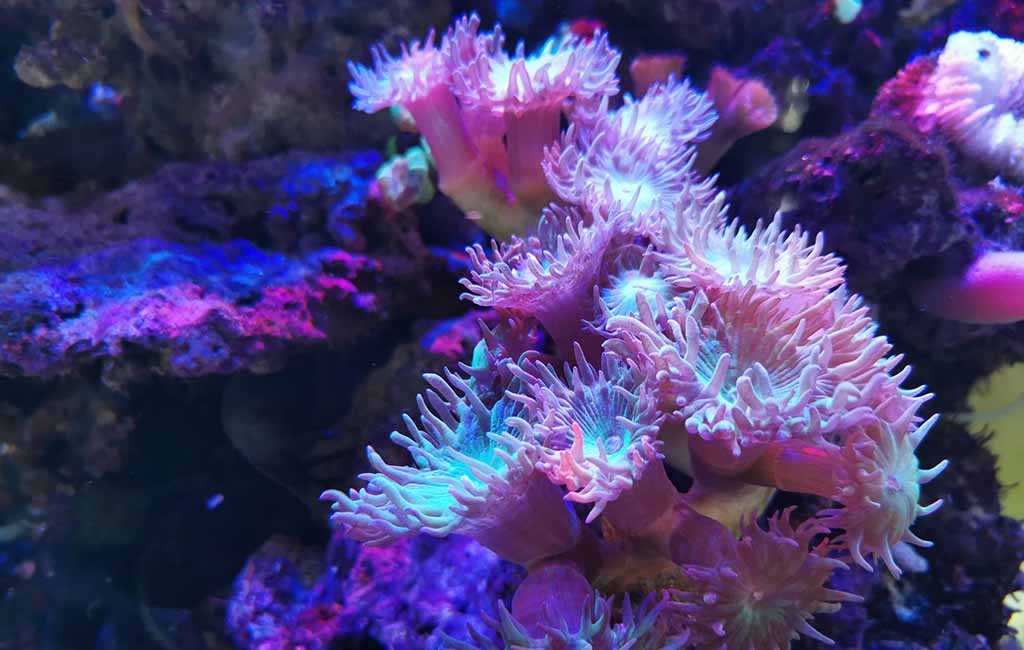
Aggressively cut them down to keep them within desired limits. Surround them with sand barriers to avoid unintentional spreading. Instantly remove any shredded parts, as they can overpower the tank with these shredded parts.
keep invasive corals under control
Rounding Out the Discussion
Invasive coral species are foreign corals that overpower the natives and deteriorate the ecosystem. Mostly, soft corals lie under this category as they don’t require high light and intense care. Their higher growth and toxin release overpower other corals. Provide them with optimal lighting, flow, placement, regular pruning, etc., to enjoy their colors in your tank.
Related Products




Leave a comment