
Having a clear aquarium is much more than just a beauty. Murky water, algae, and disease-causing bacteria may not only ruin the look of your tank but also the health of your tank creatures. Although filters and water conditioners can assist in controlling some of them. They do not always completely solve the problem.
Content Table
Here comes a clean light, more specifically, a UV sterilizer light. This is an ultra-efficient form of lighting technology, and it is a chemical-free method of water clarity, algae killing, and a safe environment for your fish and plants.
This article will explain what aquarium clean light is, how clean lights work, their safety, and the optimal usage practices. We also highlight how they have become a fast-growing requirement in contemporary aquarium management.
What is aquarium clean light
What Light Kills Algae in Aquariums?
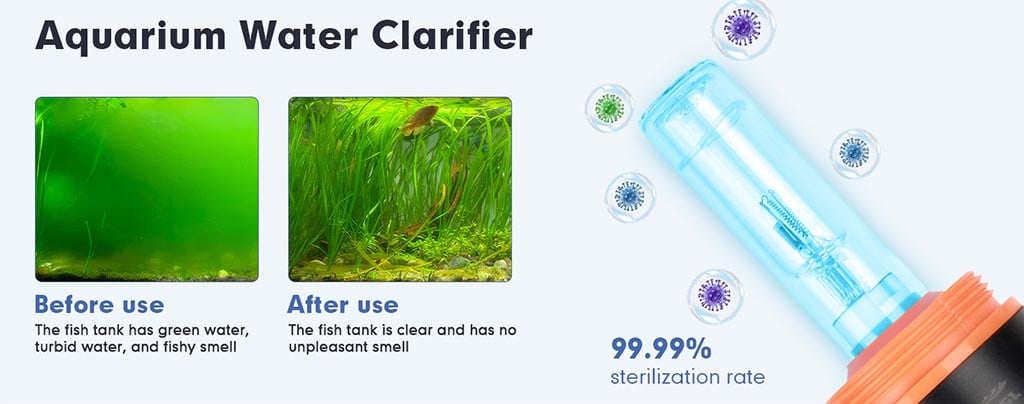
Murky water of green color is the curse of a lot of fish keepers. It is usually a result of single-cell algae suspended in the water column, forming so-called green water. When these algae grow in the appropriate environment (light, nutrients, and warmth). They multiply effortlessly, causing consistent inconveniences despite the frequent water changes.
However, visible light (daylight LED) is frequently used to grow algae. But when it comes to UV-C light (wavelength approximately 254nm), it kills algae at the cellular level.
How UV-C Works Against Algae
- DNA Disruption: UV-C light enters the cells of free-floating algae and destroys the DNA such that the algae cannot replicate and multiply.
- Non-Toxic: It does not change the water chemistry or produce toxins when algae dies, as opposed to algaecides.
- Fast-Acting: Depending on the conditions in a tank, visible effects may be seen in 3 to 5 days.
It should be noted that UV-C is more effective against the free-floating algae than against surface-growing ones. Such as black beard algae or green spot algae on the tank walls. But where water clarity is concerned, UV-C is a game changer.
clean light for a fish tank
Clean Light for Fish Tanks: What It Is and How It Works
So what exactly is a clean light in the context of aquarium care? What is aquarium clean light?
It is a UV sterilizer light, which is a special light that is designed to produce ultraviolet-C light, which sterilizes the water. The concept is simple, yet powerful: The water flows past a UV-C bulb, and disease-causing pathogens, algae, and bacteria are electrocuted before they can do any mischief.
The Science Behind UV Sterilization:
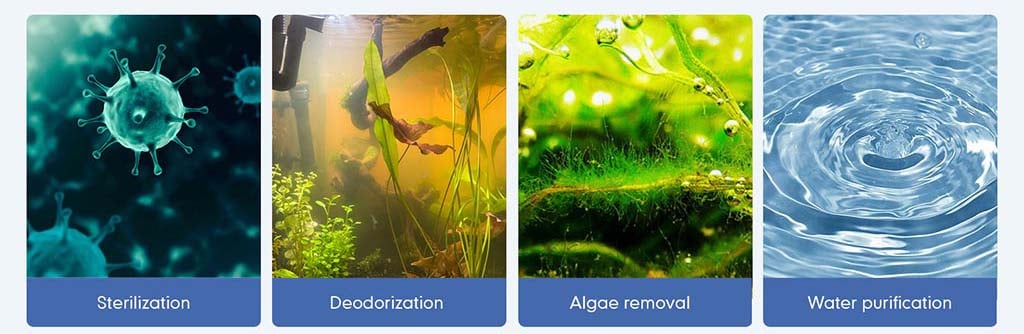
- UV-C (200–280 nm) is shortwave radiation that kills or inactivates any microorganism by disrupting its DNA.
- As water runs through the sterilizer or near the light source, the unwanted biological agents are eliminated, and clarity and risk of disease are minimized.
The technology is not new and has been applied in water treatment plants and hospital sterilization. It is a natural process that can be used non-invasively in an aquarium to maintain a healthy aquatic environment, chemical-free and additive-free.
Sweeper Aquarium Clean Light: The hygger 191 UV Sterilizer
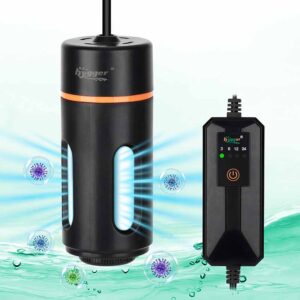
The hygger 191 UV Sterilizer Light, also referred to as the Sweeper Clean Light, is one of the most effective clean lights on the market today. It is compact, highly versatile, and it comes with a lot of cleaning power owing to its UV-C technology.
Key Features of the hygger 191
- 254nm UV Wavelength: This specific wavelength is effective in clearing green water, algae spores, and dangerous bacteria. It gives a cleaner and safer environment for aquatic life.
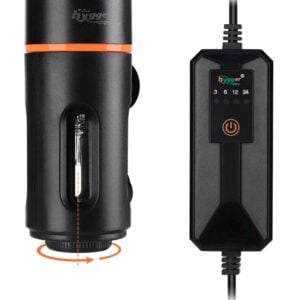
- 4-Tier Timer Settings (3H, 6H, 12H, 24H): Adjustable operation times save manual labor and guarantee regular water and sanitation.
- Dual Functionality Modes
- Healthy Mode (Closed Shield): It can be used in the aquarium daily, and it is safe.
- High-Efficiency Mode (Open Shield): This is used in the interior of the filter compartments to address water more forcefully.
- Built-in 360° Protective Shield: This design prevents the escape of UV rays in the tank. Therefore, fish and people are not exposed to its harmful effects.
- Compact, Waterproof Design: Suction cups allow easy placement, while its small size fits even in nano tanks.
Model Sizes
- 3W: Suitable for 5–25-gallon aquariums.
- 5W: Ideal for 13–40 gallon aquariums.
Be it an algae bloom or simply the desire to get clean water every time. The hygger 191 light has been designed to enable you to sterilize intelligently and safely.
HG191
Will Clean Light Hurt Aquarium Fish?
The most common concern of aquarists regarding UV lights is safety, and this is quite understandable. UV-C light is intense and, when exposed directly, may harm living organisms, including fish and humans.
However, the hygger HG191 clean light has built-in protection mechanisms that guard against this. The reason why it is safe for fish:
Why It’s Safe for Fish
UV sterilizers are frequently used by many professional aquarists in breeding tanks and reef aquariums. Where the stability and cleanliness are of utmost importance.
- Enclosed Operation: At Healthy Mode, a protective shield is placed over the bulb to prevent direct entry of the UV rays into the tank.
- Controlled Exposure: The timer enables controlled exposure, not exceeding sterilization or excessive exposure time.
- No Residual Chemicals: There are no residual chemicals in UV sterilization as compared to chemical water treatments. This makes it safe for sensitive fish and invertebrates.
Note: Do not look at the bulb or touch it with your bare hands when switched on. Before maintenance, always unplug.
The Usage Tips of the Clean Light
To best utilize your UV sterilizer, such as the hygger HG191, it is necessary to make sure that it is being used properly. Also, ensure that it is simply a component of a larger, balanced aquarium maintenance process.
The following are some of the essential suggestions and recommendations that will assist you in keeping the water super clear and the aquatic ecosystem thriving.
1. Use a Timed Schedule, Not 24/7
You might think it is a good idea to run your UV light all the time, but this can be counterproductive. They can kill the good bacteria in your tank’s biological filter, which are important in the breakdown of ammonia and nitrites.
Most of the aquariums need 4 to 6 hours every day. Other aquarists use the UV light a few hours after feeding or when there is maximum bacterial activity to maintain a balance.
2. Position the Light Strategically
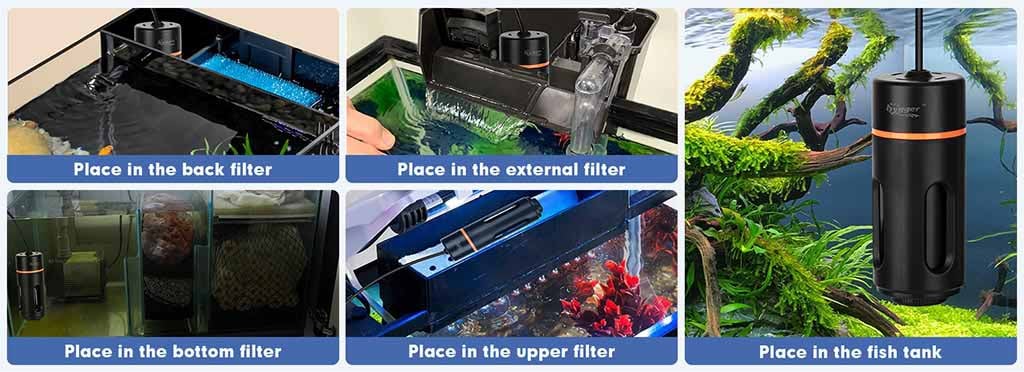
The position of your UV sterilizer impacts its performance. When being used in smaller tanks and for light maintenance, just install it inside the aquarium in shielded mode.
In larger systems or heavy bioload tanks, it is beneficial to place it in the filter or sump (open shield model). This is to provide greater water exposure and increased sterilization power. The trick ensures that water flows near the bulb where it receives the most doses of UV.
Filter floss fre-filter your water
3. Replace the Bulbs on Schedule
A typical myth is that so long as the bulb continues to glow, then it is efficiently doing its job. The UV-C production degrades with time, even when the bulb seems to be working.
The recommended replacement period of the bulb is 6 to 12 months. As manufacturers usually suggest replacing it to make sure the sterilizer keeps its full strength. Put it in your calendar or be reminded of this maintenance.
4. Pre-Filter Your Water
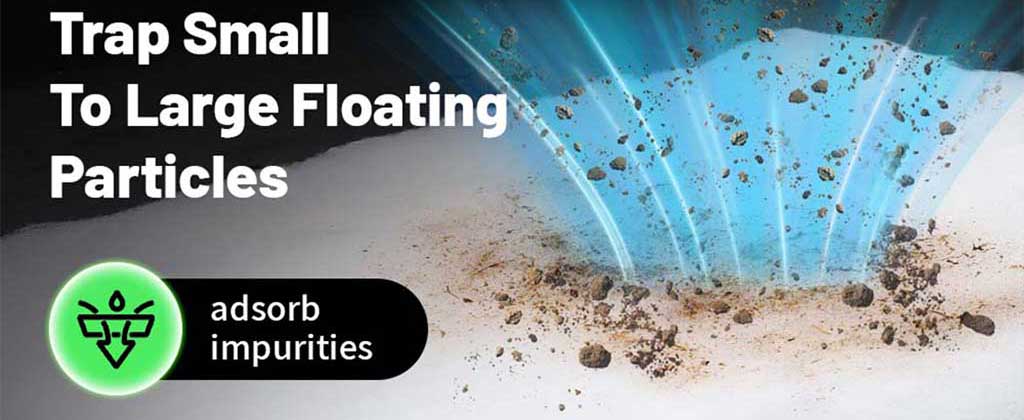
UV sterilization is always done after mechanical filtration. In case the water contains floating debris or particulates, the UV rays will be scattered or blocked. Thus making them less efficient.
A sponge, filter floss, or pre-filter sponge will trap the particles before the water reaches the UV zone. So that it can hit the microscopic threats more effectively.
5. Monitor Tank Behavior and Water Clarity
Once you have installed the UV sterilizer, take your time to monitor the changes in the aquarium. Due to the improvements, the water tends to be clearer, fish are more active and relaxed, and fewer common fish diseases like ich or fin rot will occur.
In case your fish are stressed or lethargic, recheck the time of exposure to UV and make sure that the device is not faulty.
6. Pause UV Use During Medication Treatments
When adding any meds to your tank, such as antibiotics or antiparasitics, disable the UV sterilizer in the short term.
UV light may degrade some compounds, making the medicine useless or changing their chemical structure. It is best to resume the operation of the UV only when the treatment period is over.
7. Use UV as Part of a Holistic Aquarium Care Strategy
UV sterilization is effective, but not all-powerful. It must be used along with a total tank care plan, which involves:
- Biological filtration: Beneficial bacteria colonies that process toxic ammonia and nitrites.
- Mechanical filtration: Sponges, pads, or filter floss to trap waste particles.
- Chemical filtration (as needed): Activated carbon or other media for specific toxin removal, i.e., aquarium water clarifier.
- Routine water changes: Keep nitrate levels low and replenish essential minerals.
- Nutrient control: Avoid overfeeding to prevent excess waste and algae growth.
Clean light is an invisible helper that keeps water clear and minimizes the amount of strain on your aquatic pets. It also leaves you with more time to appreciate your aquarium rather than struggle with algae growth or illnesses.
The inclusion of UV light is a well-considered maintenance strategy. This will not only help to enhance the quality of the water but also increase the longevity of your aquatic ecosystem.
Ideal Scenarios for Using Clean Light
Bonus Tip: Ideal Scenarios for Using Clean Light
These are cases in which a UV sterilizer, such as the hygger HG191, can create an enormous difference:
- Algae Bloom Recovery: Once a severe bloom occurs, UV is used to recover the balance without severe algaecides.
- New Tank Syndrome: On cycling, it can regulate the bacterial overload without disturbing the nitrifying bacteria in the filter media.
- Disease Prevention: Minimizes the number of pathogens in the water, such as ich, columnaris, and flukes.
- High Bio-load Systems: It is used in tanks that contain many fish or ones that are fed heavily to ensure that the tanks are kept hygienic.
Closing Remarks
Clear light, particularly a UV sterilizer like the HG191, is a health changer in aquariums. It also makes water clean, manages algae, and decreases adverse bacteria. Fishing is safe and effective in maintaining the tank eventually, when used properly. Good care cannot be substituted for clean light; it is a powerful support system. Combine it with filters, water changes, and intelligent feeding.
The result: a new, healthier, low-maintenance, and breathtaking aquarium you can enjoy seeing as well as your fish.
Related Products


Hello I bought a HG191 Aquarium clean light and I need bulbs do you sale them
Bridget, sorry for the inconvenience caused.
hygger’s customer service will answer your questions and help you solve the issue.
Please check your inbox and watch for an email from Hygger.
Thanks