
Setting up a reef tank is one of the most rewarding experiences in the aquarium hobby. It combines the beauty of marine fish, the complexity of corals, and the science of maintaining an ecosystem that mimics the ocean. Whether you dream of soft corals swaying in the current or colorful clownfish swimming through a forest of anemones, building a reef tank from scratch gives you full control over every detail.
Content Table
This reef tank building guide breaks down every step—from planning the tank to adding your first coral—along with proven tips to help you avoid common mistakes and set up a stable, thriving reef system.
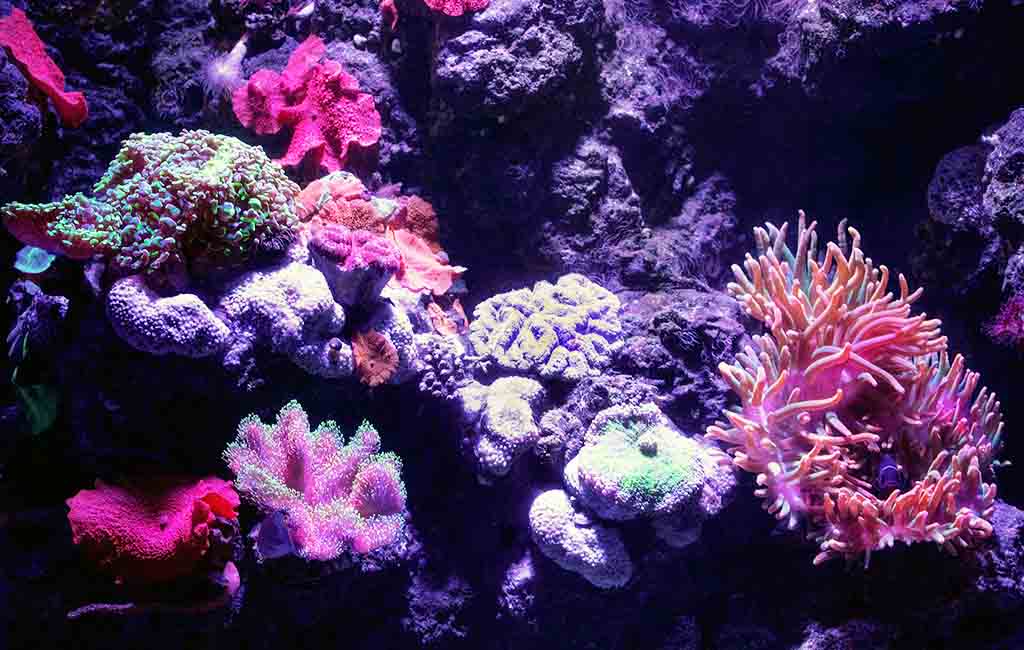
building a reef tank
Planning Your Reef Tank: The Foundation of Success
A stable reef tank begins long before water ever touches glass. Planning is the key.
Choose Your Tank Size
- Best for beginners: 40–75 gallons
Smaller tanks (10–20 gallons) are cheaper but far less stable. Water chemistry swings quickly, making coral care difficult.
- Larger tanks (90–120 gallons) give more room for fish, more aquascaping options, and greater stability—but come with higher costs.
Tip: Always buy the largest aquarium you can reasonably maintain and afford.
Select Tank Type
- Standard rectangle – easiest to illuminate and aquascape
- Cube tanks – great for corals, but harder for equipment
- Rimless tanks – beautiful, modern, and perfect for reef displays
Saltwater or Reef?
This article focuses on reef tanks, meaning:
- Live rock
- Corals (soft, LPS, or SPS)
- Saltwater-compatible fish
- Full reef equipment
Essential Equipment: What You Absolutely Need
Reef tanks require more precision than freshwater aquariums. Here’s what you need and why.
- Protein Skimmer
Removes organic waste before it turns into ammonia/nitrate. A good skimmer keeps water crystal clear and reduces algae.
- Quality Reef Lighting
Corals need PAR, spectrum, and intensity. Modern LED lights let you:
- Adjust blue/white balance
- Set sunrise/sunset effects
- Enhance coral fluorescence
Choose lighting based on coral type:
- Soft corals / LPS: Moderate PAR
- SPS corals: High PAR, strong blue spectrum
- Reef-Safe Powerheads/Wave Makers
Flow is crucial. Corals need water movement to:
- Remove waste
- Bring nutrients
- Simulate natural ocean currents
Aim for 20–40 × tank volume turnover per hour.
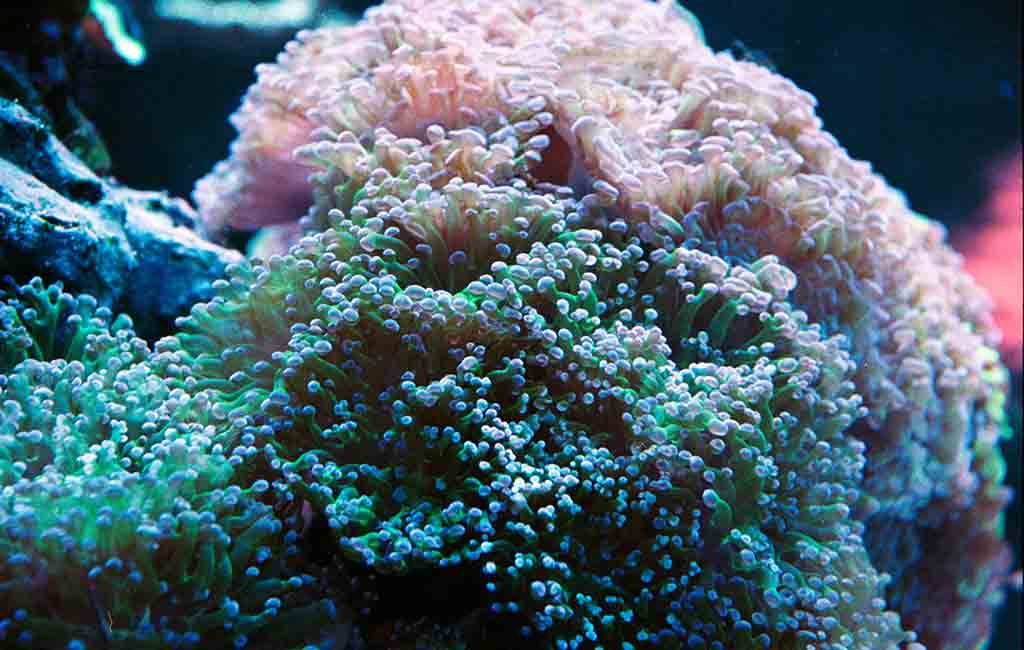
Essential Equipment for a Coral Tank
- Heater & Temperature Controller
Stable temperature is crucial:
- Ideal range: 77–79°F
- Avoid large fluctuations
- RO/DI Water System
Tap water causes algae and coral stress. RO/DI provides pure water for:
- Mixing salt
- Top-offs
- Water changes
- Test Kits
Accurate testing makes or breaks a reef tank:
- Salinity
- Ammonia, Nitrite, Nitrate
- pH
- Alkalinity, Calcium, Magnesium
- Phosphate
- Salt Mix
Use reef-grade salt designed for coral growth.
Aquascaping: Creating Your Reef Structure
Your rock work is the backbone of your reef tank. It affects flow, coral placement, and aesthetics.
Choose Your Rock
- Dry rock – pest-free, easier to aquascape
- Live rock – bacteria-rich but may contain hitchhikers
- Hybrid – dry base rock + a few pounds of live rock
How Much Rock?
Rule of thumb: 1–1.25 pounds per gallon
Aquascaping Styles
- Islands
- Arches / Caves
- Negative space aquascape (NSA) – modern, open, great flow
Tips for Perfect Aquascaping
- Leave space between the rock and the glass for cleaning
- Create caves for shy fish
- Plan future coral growth (corals expand!)
- Ensure structure is stable—use epoxy or reef-safe glue
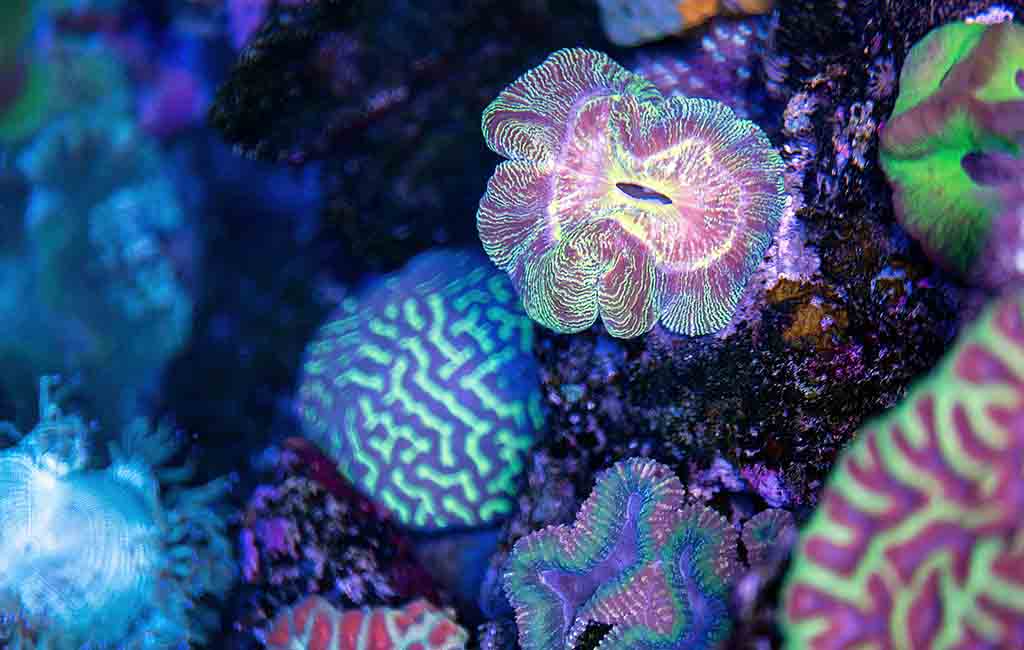
How to set up a reef tank
Mixing Saltwater & Filling the Tank
Step 1: Mix RO/DI Water and Salt
- Use a dedicated mixing container
- Add salt to water (never the reverse)
- Mix using a powerhead for 24 hours
- Aim for 1.025–1.026 salinity
Step 2: Fill the Tank
Slowly add mixed saltwater to avoid stirring sand.
Step 3: Turn On Equipment
Start:
- Wave maker
- Filters
- Skimmer (may overflow for a few days)
- Heater
Cycling Your Reef Tank: The Crucial Stage
Cycling establishes the beneficial bacteria needed to process waste.
Option 1: Traditional Cycle
- Add ammonia source (pure ammonia or fish food)
- Wait 4–8 weeks
- Ammonia →Nitrite →Nitrate pattern appears
Option 2: Bottled Bacteria Cycle
Speeds up cycling to 1–2 weeks.
You Know the Cycle is Complete When:
- Ammonia = 0
- Nitrite = 0
- Nitrate is present
Tip: Never add fish or corals before the cycle completes.
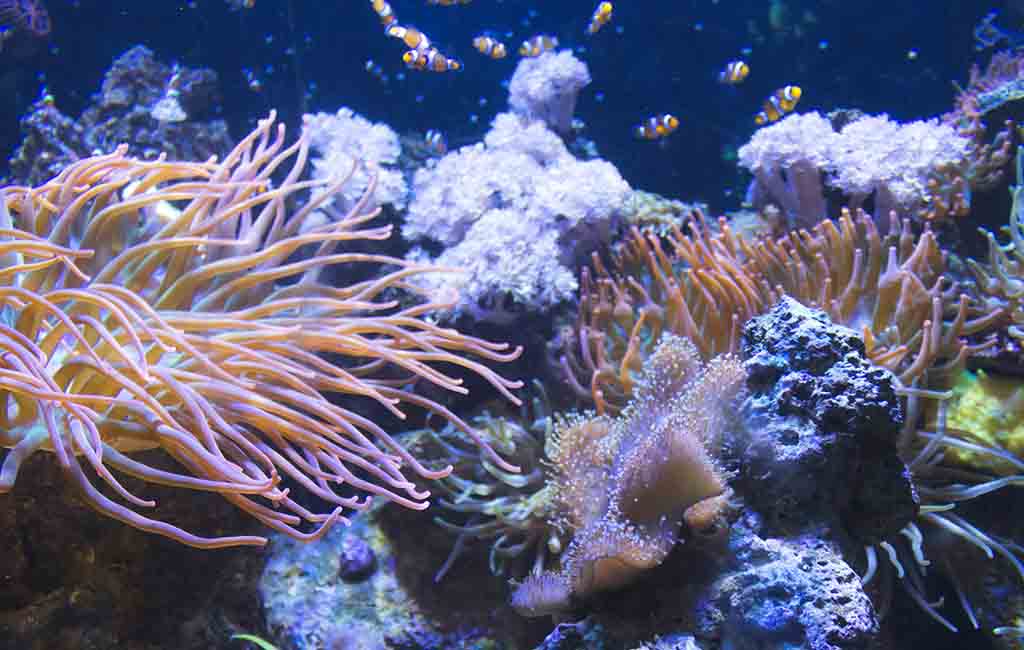
Adding the Clean-Up Crew in reef tank
Adding the Clean-Up Crew (CUC)
Your first inhabitants should be the cleanup crew.
Common CUC Members:
- Snails (trochus, nassarius, cerith)
- Hermits (use sparingly)
- Conchs
- Cleaner shrimp
- Emerald crabs
They keep algae, detritus, and cyanobacteria under control early on.
First Fish: Stock Slowly
Adding fish too quickly destabilizes your tank.
Fish Stocking Tips:
- Add one fish at a time
- Quarantine when possible
- Choose reef-safe species
Beginner-Friendly Fish
- Clownfish
- Gobies
- Firefish
- Blennies
- Chromis
Avoid early:
- Tangs (need mature tanks)
- Mandarins (need pods)
- Butterflyfish (not reef safe)
Adding Corals: Start Easy
Don’t start with SPS! Begin with hardy, forgiving corals.
Soft Coral Choices
- Zoanthids
- Kenya tree
- Green star polyp
LPS Coral Choices
- Hammer
- Frogspawn
- Candy cane
- Acanthastrea
Coral Placement Tips
- Soft corals: lower light
- LPS: middle
- SPS: high, strong flow
Acclimate corals to lighting by:
- Starting with 30–40% intensity
- Increasing weekly
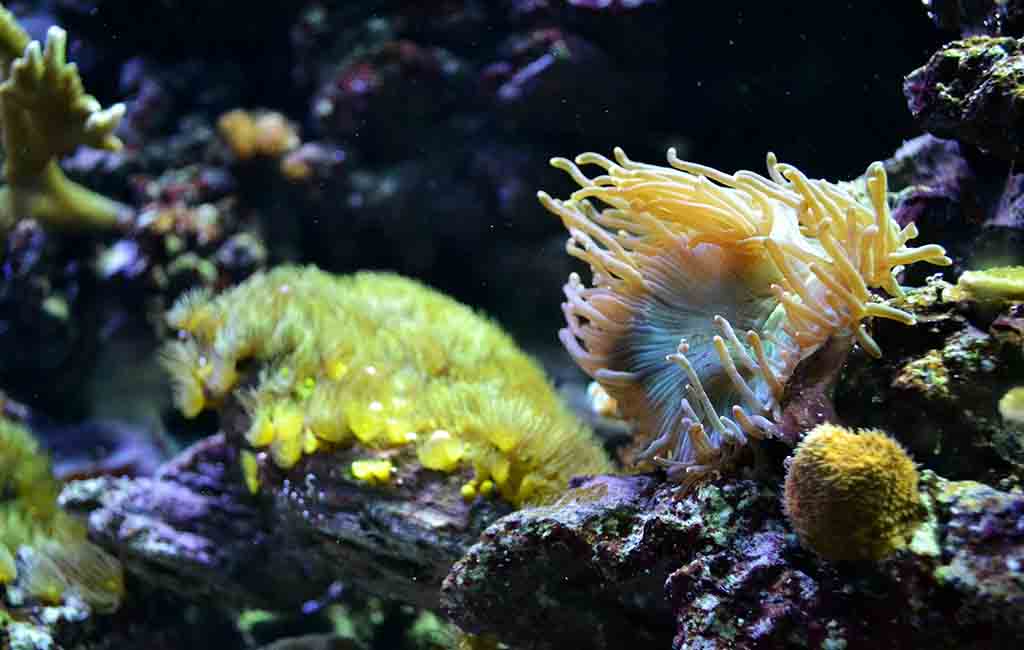
Reef Tank Maintenance Routine
Reef Tank Maintenance Routine
Consistency keeps corals happy and prevents algae blooms.
Daily
- Check temperature
- Top off evaporated water (auto top-off recommended)
- Observe fish and coral behavior
Weekly
- Test alkalinity, calcium, and magnesium
- Clean glass
- Change filter floss
- Empty skimmer cup
Bi-Weekly
- 10–15% water change
- Vacuum the light areas of sand
Monthly
- Deep-clean power heads
- Check for salt creep
- Recalibrate refractometer
Troubleshooting Common Reef Issues
- Algae Blooms
Often caused by:
- Excess nutrients
- New tank syndrome
- Wrong lighting schedule
Fix: Reduce lighting, increase water changes, and add CUC.
- Coral Not Opening
Possible reasons:
- Low alkalinity
- Too much flow
- Sudden light intensity change
- Pests
- Fish Aggression
Add fish in the correct order:
- Peaceful first
- Semi-aggressive next
- Aggressive last
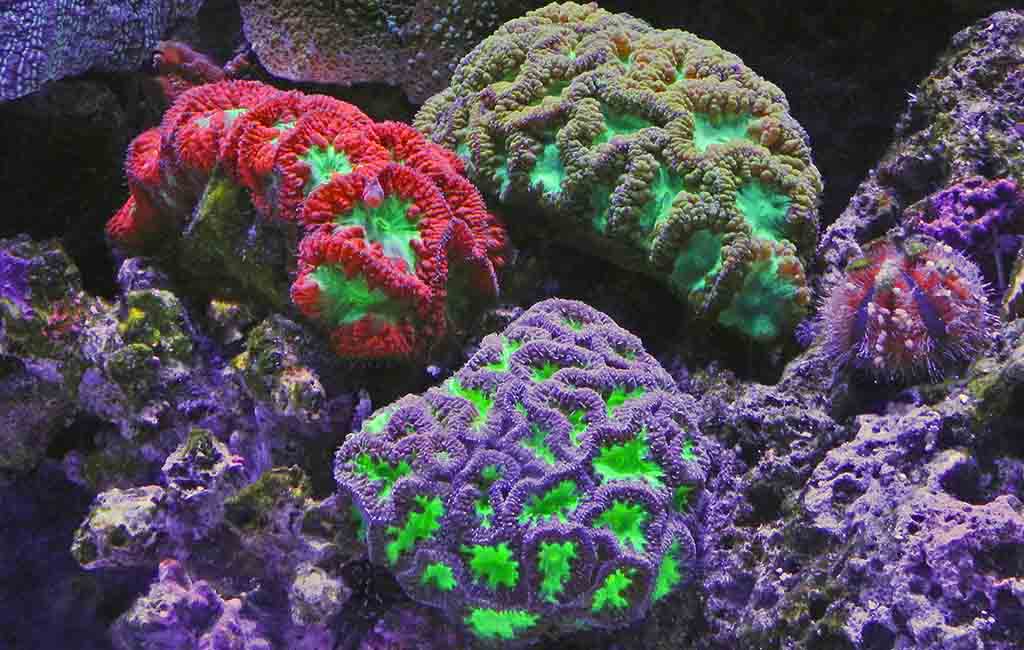
Expert Tips for a Successful Reef Tank
Expert Tips for a Successful Reef Tank
Tip 1: Stability > Perfection
Corals thrive on consistency.
Avoid:
- Changing salt brands
- Constantly adjusting parameters
- Overreacting to small swings
Tip 2: Don’t Chase pH
Focus on alkalinity stability instead.
Tip 3: Buy Good Equipment Once
Quality lighting and power heads prevent expensive mistakes later.
Tip 4: Go Slow
Every stage—cycling, stocking, coral adding—benefits from patience.
Tip 5: Observe Daily
Changes in coral polyp extension or fish behavior are early warnings.
Conclusion
How to set up a reef tank? Building a reef tank from scratch is a journey filled with science, art, and constant learning. By planning carefully, choosing quality equipment, and adding livestock slowly, your reef aquarium can grow into a thriving miniature ocean filled with movement, color, and life.
With patience and consistent maintenance, your tank will reward you with beautiful corals, vibrant fish, and endless enjoyment for years to come.
Related Products


Leave a comment