
Keeping fish has become not only a hobby, but also a form of creating a relaxing and living work of art in your house. Each fish tank has a story, and each species in the fish tank is significant. Of the numerous kinds of aquarium fish, one particular group of fish is fascinating in its behavioral pattern: the dig fish species.
Content Table
The dig fish is reputed to have an instinctive tendency to dig or to burrow or to sift through the substrate at the aquarium bottom. It is even more surprising that it is quite pleasing to watch them working because they clean, hunt for food, and make minor adjustments in the layout of your tank. But what exactly are dig fish species? Why do they dig? And what do you do to ensure that their support of natural behavior is taken care of by your tank?
This article will provide you with all the answers to your questions concerning the big fish, including their nature, the commonly kept fish, the purpose of keeping them, and how to set the appropriate substrate for dig fish.
dig fish
What Is a Dig Fish?
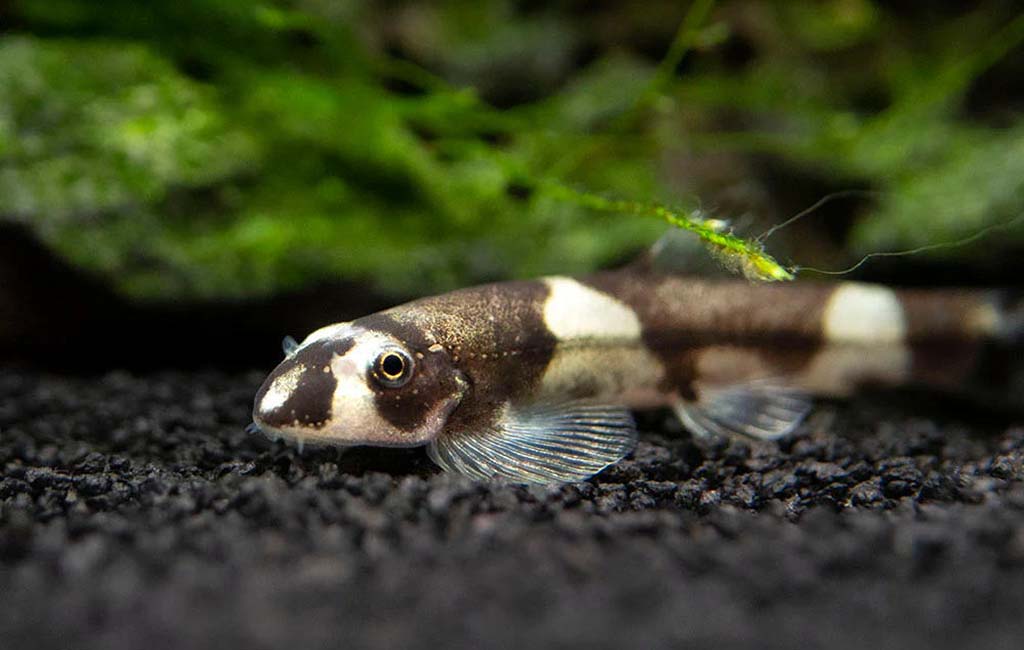
Dig fish are another species of fish that are available in aquariums, and they enjoy burrowing or sifting through the bottom. Their instinctive action is the result of their dwelling in the riverbeds, streams, or the sand bottoms to find something to eat or to rest.
Such fish do not dig aimlessly; it is in their survival package. They tend to search for insects, worms, or even leftover food particles on the sand or gravel. Others also dig to create nesting shanties or take their territory.
You will find them, most of the time, poking gravel aside with their mouth, scratching at the bottom with their fins, or scraping sand here and there. This action may give your tank an untidy look occasionally, but this is an indication that your dig fish are in a good, active state.
The behavior is exhibited by many species, both small bottom dwellers (such as corydoras catfish) and larger ones (such as loaches and cichlids). Not only do these types of fish make your aquarium alive, but they also keep the substrate clean.
Aquarium Dig Fish Profile and Species
Dig fish are available in a variety of shapes, sizes, and personalities. Others are calm town fish, whereas others are possessive or semi-violent. We will consider the examples of fish species that are popular in aquariums.
1. Corydoras Catfish
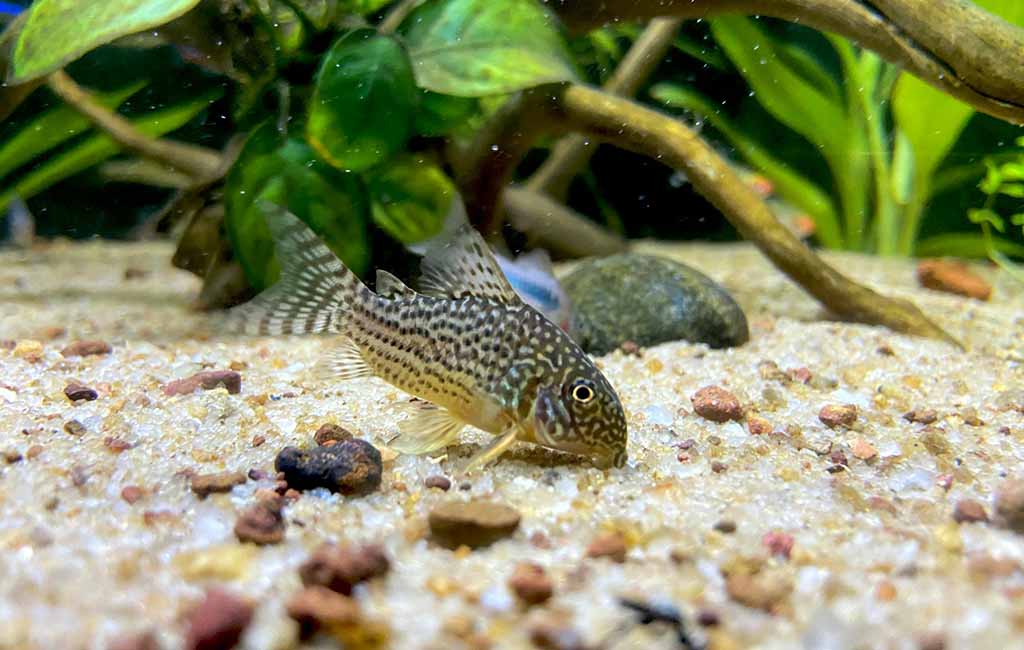
Among the most popular and popular beginner dig fishing, there is Corydoras. They are small, non-violent, and ideal community tanks. These fish have whisker-like barbeling that helps them to scavenge through the sand to find old food.
They like soft sands and fine sand that they have the ability to dig without breaking their delicate barbels. Corydoras also enjoy being in groups, and having at least six of them will make them feel secure and busy.
2. Loaches
Loaches like a Kuhli Loach, the Clown Loach, are inquisitive and caressing diggers. During the day, they usually dig a hole half in the sand and emerge at night to explore.
They also aerate the substrate by their burrowing and avoid compaction of the substrate. Kuhli Loaches are tiny and are suitable in peaceful systems, whereas Clown Loaches are bigger and they consume more space.
dig fish species
3. Geophagus (Eartheater Cichlids)
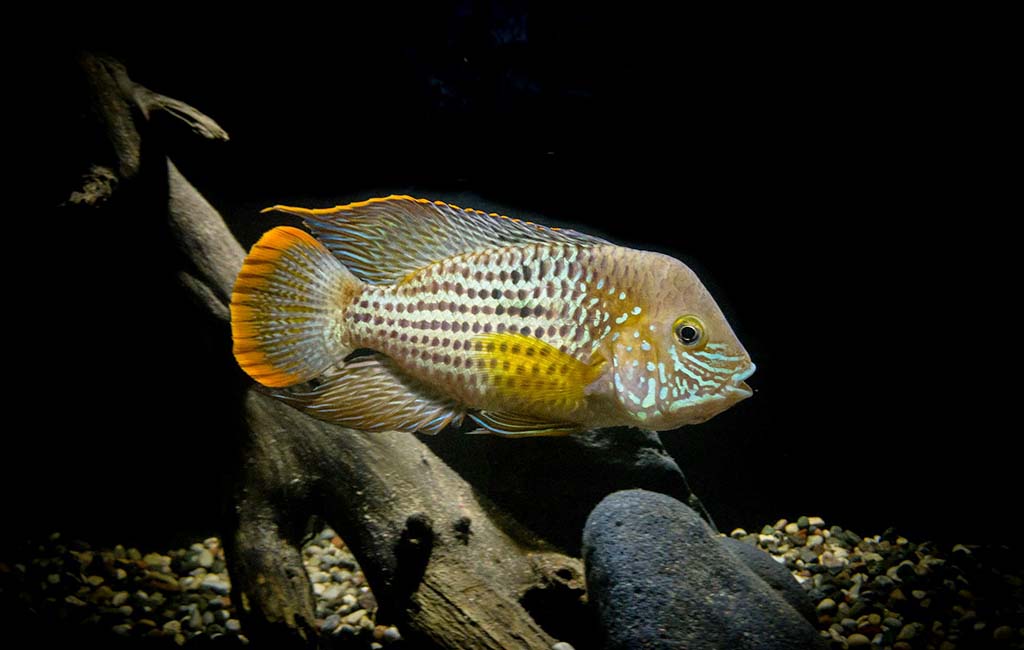
One of the most renowned digging fishes are the geophagus or eartheaters. As usual, they swallow a load of sand and turn it through their gills and spit it out.
They are beautiful fish, have beautiful colors, and move beautifully. These cichlids can be used in big aquariums with soft sandy bottoms. It is pleasant and relaxing to see them picking sand all day.
4. Goldfish
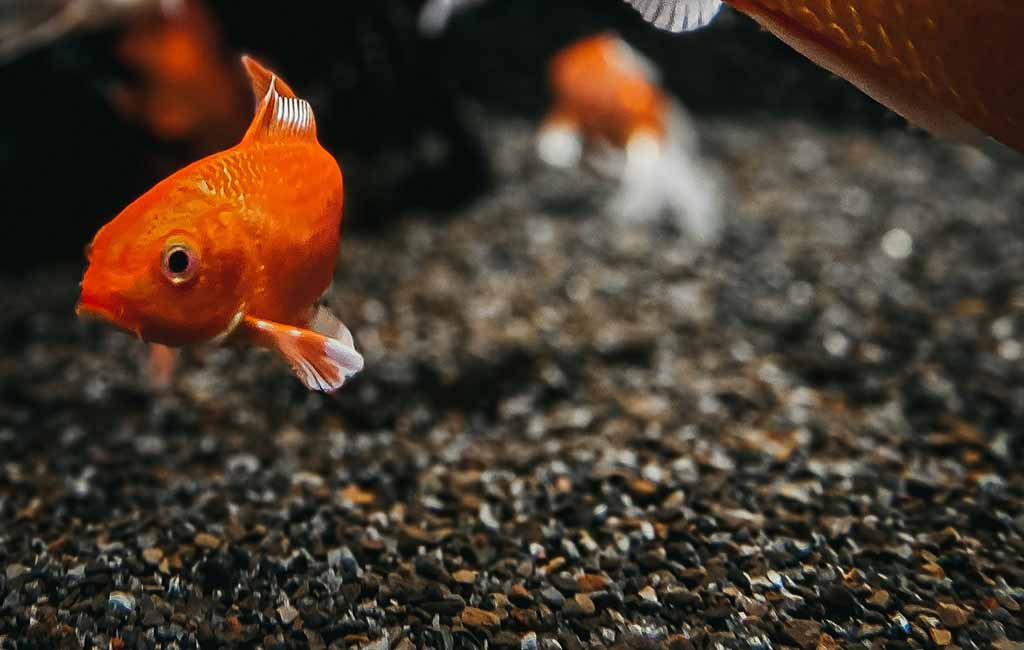
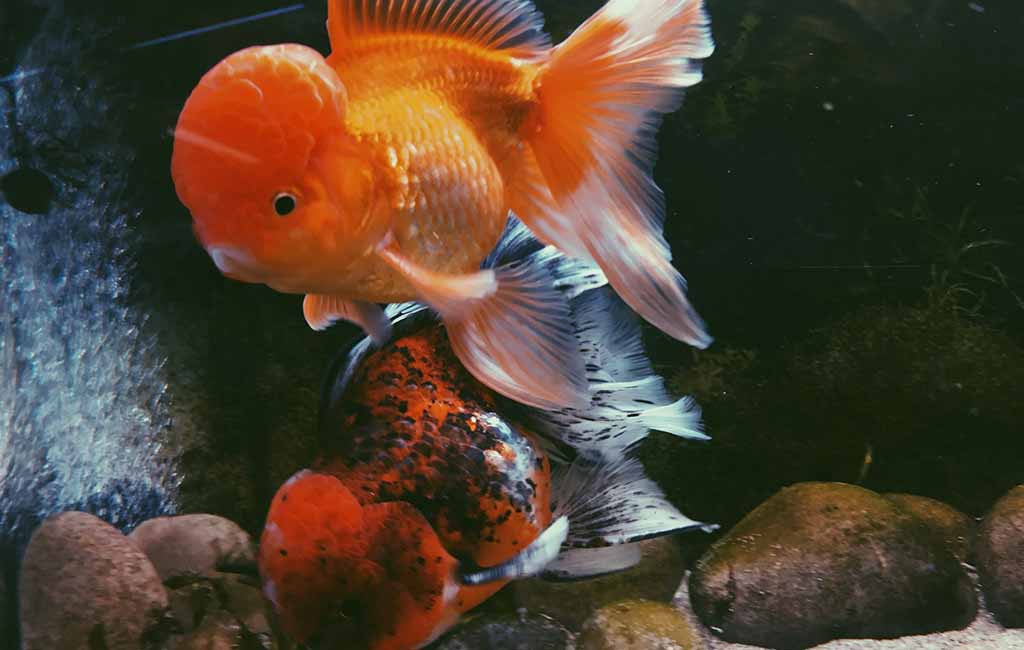
Goldfish are often known as dig fish, although most people do not immediately think of them when they encounter one. They often forage in gravel or sand in search of their food. They may sometimes disturb the plant life during their excavations, and thus it is essential to carefully plan the tank.
In case you own goldfish, then opt to use smooth gravel or medium sand and ensure that you have your plants secured.
5. Catfish Species (Other Than Corydoras)
Plecos, synodonti, and other bottom-feeding catfish prefer to dig. When they are in search of food or creating small resting places, they regularly ferry gravel. It is especially useful to clean algae and uneaten food on the bottom with plecos.
Why Keep the Dig Fish in Your Tank
It is not just to play around with dig fish in your aquarium, but it also has a real benefit to your tank. The following are the reasons why these fish can be an excellent addition to your tank, based on your type and intended use of the tank.
1. Natural Cleaning Crew
Dig fish come to the rescue of cleaning your aquarium from the bottom up. When they burrow into the substrate, they cause the leftover food, fish waste, and debris to be considerably stirred further, so that your fish tank filter can easily remove them. This will aid it in avoiding accumulation that may result in damaging ammonia bursts.
Their never-ending excavations also aid in the aeration of the substrate, thus eliminating the chances of the appearance of pathogenic bacteria in deep gravel layers.
2. Keeps the Substrate Fresh
Tanks that have a still or compacted substrate have a means for the waste and uneaten food to settle and rot at the base. The gravel or sand is always stirred up by the dig fish so that it remains loose and fresh. Such movement of the natural stirring prevents the compacting process and promotes the healthy circulation of water in the tank bed.
3. Encourages Natural Behavior
Most fish are fond of playing with the environment. When you allow big fish to act according to their instinct, they are happier and more active. Whenever fish are left in their natural habitats, they are more colorful, feed better, and tend to live longer.
4. Adds Personality to Your Tank
Just watching dig fish makes your tank alive. All species have their mode of digging; some push sand lightly, and others toss the stones aside or excavate a hole. This gives your aquarium some motion and appearance, thus making it not a stagnant object.
Why Keep the Dig Fish
5. Matches Certain Tank Styles
Dig fish would be just right in case you have a biotape-type tank – such as a South American riverbed. They are a duplicate of the natural ecosystem in which such species are known to thrive. And their excavations even slightly alter the material, even after some time, to make their tank look much more convincing and more alive.
6. Helps With Waste Breakdown
Dig fish facilitate access to waste by the beneficial bacteria since they move debris and leftover food around. This helps in keeping your nitrogen cycle in check, as well as biologically in filtration.
To sum up, dig fish are not only beautiful, but they are little assistants that help to create a healthy aquarium system.
Substrate for Dig Fish in Tanks
Preparation of the substrate, or of the bottom of your tank, is one of the most significant tasks involved in preparing the dig fish. When the right substrate is present, they can dig freely and remain healthy.
Before setting it up, we will go through what you need to know about it.
1. Choose the Right Type
The best all-time choice of dig fish is usually fine sand. It is soft, and they can easily sift through without hurting their mouths and fins. Aquarium-grade sand is another factor to inhibit the development and formation of harmful bacteria.
Do not use sharp gravel or big stones, as they may injure your fish in the process of digging. In case you like gravel due to aesthetic value, use small and rounded gravel that is not rough to the touch.
2. Depth of the Substrate
The species is determined by the depth of the substrate. In the small diggers, such as Corydoras or Kuhli Loaches, sand will suffice 1.5-2 inches. You can use 3 to 4 inches with larger species such as Geophagus or Goldfish.
This makes them able to dig freely without the bottom of the tank being exposed, and this will not break your glass bottom either.
substrate for dig fish
3. Cleaning and Maintenance
Although the bottom is cleaned by the dig fish, there is still a need to take care of the substrate. Have the surface regularly vacuumed as you replace your water in order to get water that your filter may not pick up.
In the case of sand, it should be stirred at least once every few weeks to avoid hardening. The low-flow siphon hose can be employed by many aquarists to clean the aquarium without stripping it of too much sand.
4. Add Plants and Decorations Wisely
Dig fish may also cause disturbance of plants growing live or relocate decorations. In order to avoid this, apply those plants that will grow among driftwood or rocks, like Anubias, Java Fern, or Bucephalandra.
It is also possible to anchor rooted plants by placing small stones on them or using plant anchors. Install bigger ornaments, such as caves or driftwood, deep in the substrate so that they do not fall over as fish dig holes.
5. Mimic Natural Habitat
Attempt to make a design of your tank according to the natural environment of the fish of your selection. As an example, corydoras like the sandy bottoms of rivers with leaf litter, and loaches like a combination of sand and smooth pebbles.
Not only does recreation of this habitat help in their health, but it also helps improve the beauty of your tank.
Dig Fish in Tanks
Lasting Impressions
Having dig fish in your aquarium not only adds motion and personality, but also balances your aquatic ecosystem. These dwarf excavators are not only cute when turning the sand. They also aid in the cleaning process of the oxygenation of the tank, and the promotion of other healthy biological conditions.
Your peaceable community fish, such as corydoras, or your active eartheater, such as Geophagus, is something of value that each big fish species brings. All you have to do is find the appropriate one according to the size of your tank, the setup, and compatibility.
Bear in mind that an easy bottom is the secret to a contented dig fish. Tender, smooth, and deep, deep enough to dig in —that is what makes them healthy. Add that to a steady atmosphere, and you will have natural life in a boiling aquarium.
To find a fish that not only looks nice, but also benefits the ecosystem of your tank, a dig fish could be the solution to your problem. They’re the unsung heroes of the aquarium world because of cleaning, digging, and keeping everything in motion.
Related Products




Leave a comment