
Look, I’ll be real with you. When I first got into keeping fish, I thought you just… threw some flakes in the tank and called it a day. Turns out, if you want your fish to actually look like those impossibly vibrant photos you see online (you know the ones), you need to think about what you’re feeding them. It’s not rocket science, but it’s also not as simple as grabbing whatever’s on sale at the pet store.
Content Table
Your fish’s color doesn’t just happen. It comes from what they eat. And once I figured that out, my tank went from “yeah, those are fish” to “holy crap, those are FISH.” Big difference.
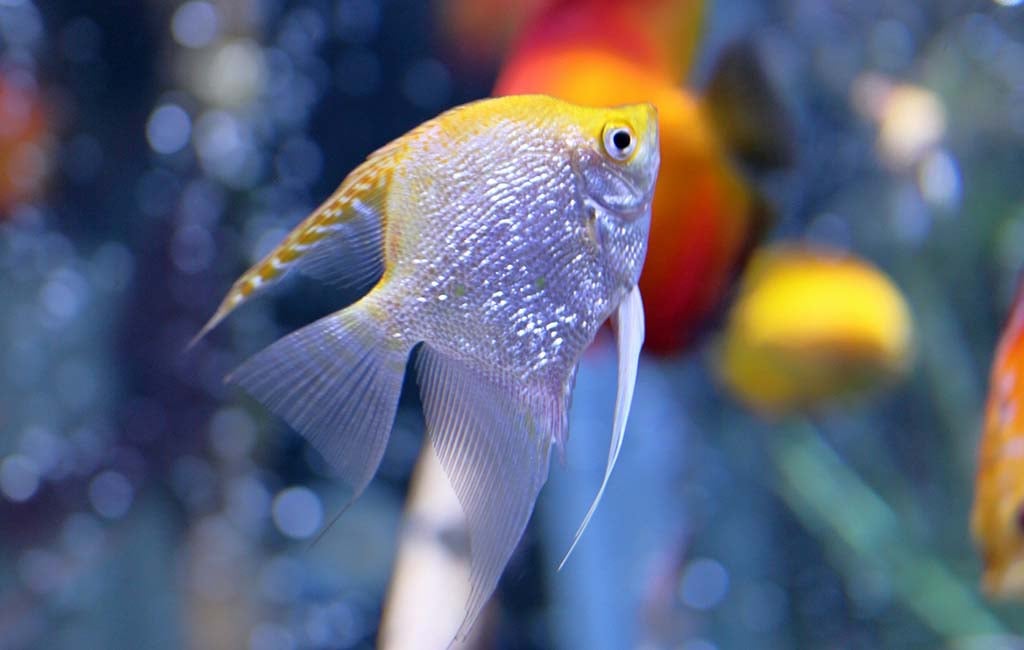
nutrient requirements of ornamental fish
Seven Nutrients Needed by Ornamental Fish
Okay, so before we dive into the fish color stuff, let’s talk basics. Because you can’t have vibrant fish if they’re not, you know, healthy fish.
The Foundation of Fish Nutrition
Fish need seven essential nutrients to survive and thrive. Think of these as the non-negotiable building blocks:
- This is the big one. Fish need it for growth, tissue repair, and basically existing. Different species need different amounts, which we’ll get into later.
- Energy source. Also helps with absorbing vitamins. Your fish need good fats, not just any fats.
- Another energy source, though fish don’t process these as well as we do. Some species handle carbs better than others.
- A whole bunch of different ones. Vitamin A for vision and growth. B vitamins for metabolism. C for immune function. D for calcium absorption. The list goes on.
- Calcium, phosphorus, magnesium, all that good stuff. They help with bone development (yes, fish have bones), enzyme function, and a million other processes.
- Helps with digestion. Fish can get constipated, too. It’s not fun for anyone involved.
- I mean, obviously, why they’re surrounded by it. But they also need it in their food for proper digestion.
Missing any of these for too long, and your fish starts having problems. Dull colors are usually one of the first signs that something’s off.
What Nutrients Affect the Color of the Fish
So here’s where it gets interesting. Not all nutrients are created equal when it comes to color.
The Color Players
- Carotenoids are the MVP here. These are pigments that fish can’t produce on their own. They have to get them from food. You’ve probably heard of beta-carotene (it’s what makes carrots orange). Same family of compounds. These are what give fish those reds, oranges, and yellows that make them pop.
- Protein quality matters too. Not just quantity, but quality. High-quality proteins provide the amino acids fish need to actually process and display those carotenoids properly. It’s like having paint but needing the right canvas.
- Vitamins, especially vitamin A and E, help with color retention and overall vibrancy. They work together with carotenoids to keep colors from fading.
- Spirulina and algae-based ingredients are packed with natural pigments. This is why a lot of premium fish foods are green. It looks weird, but it works.
Here’s the thing, though. You can feed all the right nutrients, but if your fish is stressed, living in poor water conditions, or genetically not that colorful to begin with, you’re fighting an uphill battle. Nutrition is huge, but it’s not magic.
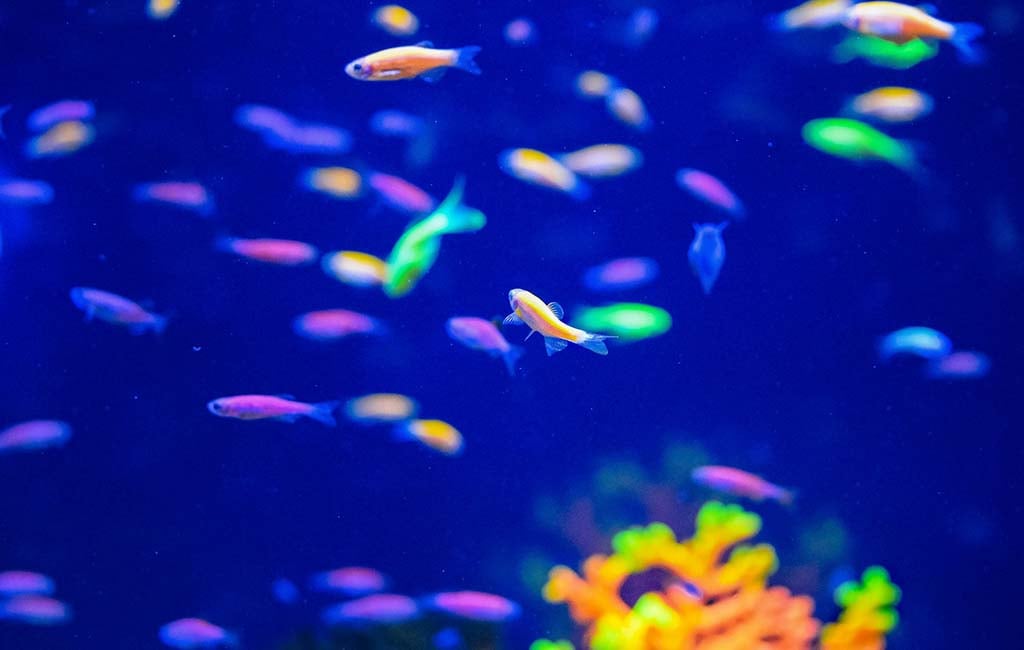
Nutrients affect fish color
What is the Color Enhancement That Often Mentioned in Fish Food
You’ve seen it on every premium fish food container: “COLOR ENHANCING FORMULA!” in massive letters. But what does that actually mean?
Breaking Down Color Enhancement
Most of the time, they’re talking about added carotenoids. Specifically, astaxanthin, canthaxanthin, or lutein. These are the heavy hitters in the fish color world.
Astaxanthin is probably the most common. It’s what makes salmon pink (wild salmon get it from eating krill; farmed salmon get it added to their food). The same principle applies to your ornamental fish. Feed them food with astaxanthin, and they develop deeper reds and pinks.
The science is actually pretty straightforward. Fish eat the carotenoids. Their bodies deposit these pigments in their skin and scales. More carotenoids, more intense color.
But here’s the catch. Color enhancement only works if the fish is capable of displaying those colors in the first place. You’re not going to turn a silver fish orange, no matter how much carotenoid-loaded food you dump in there. You’re working with their existing color palette, just making it more vibrant.
Also, it takes time. Like, weeks to months. Not overnight. I see people feed color-enhancing food for a week and then complain it doesn’t work. Give it at least a month before you make any judgments.
When Choosing Fish Food, Focus on Protein and Carotenoids
So you’re standing in the fish food aisle, staring at 47 different options. What do you actually look for?
The Protein Puzzle
First instinct: grab the one with the highest protein percentage. Must be better, right? Not necessarily. And this is where I messed up early on.
More protein is not always better. In fact, too much protein can actually cause problems. When fish eat more protein than they need, their bodies have to work harder to process the excess. This creates more ammonia waste (which pollutes your tank faster) and can stress their kidneys and liver over time. Not great.
Different fish need different protein levels. Carnivorous fish (like many cichlids, bettas, oscars) need higher protein, usually 40-50%. Omnivores need moderate levels, around 30-40%. Herbivores need even less, sometimes as low as 20-30%.
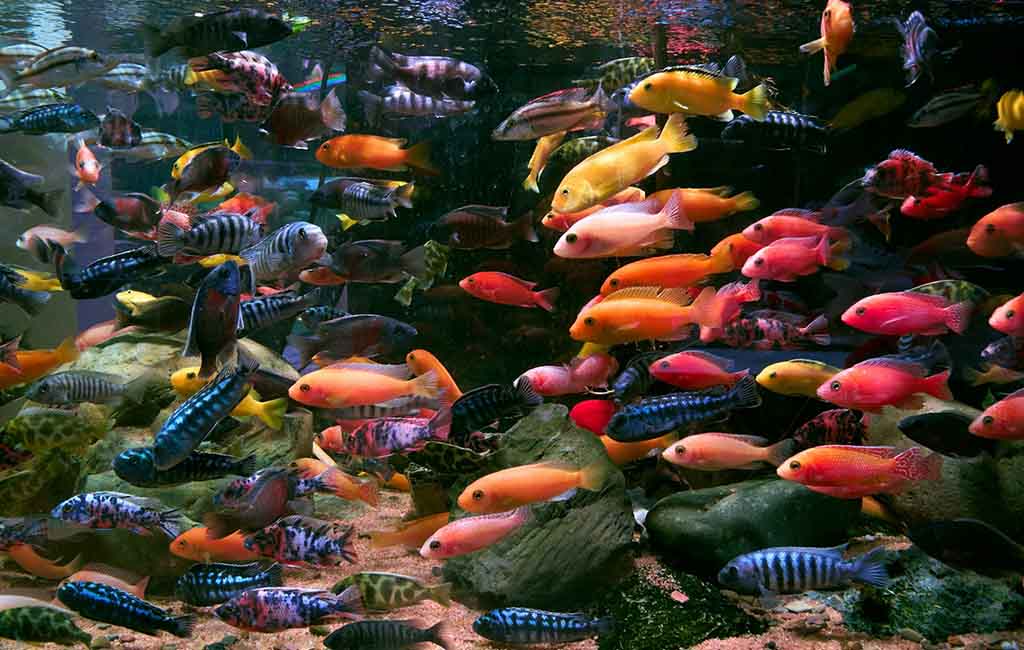
ornamental fish food
Finding the Sweet Spot
Check what species you have. Then look for food that matches their needs. Don’t just grab the highest number and assume it’s best.
Also, look at the protein sources. Fish meal and shrimp meal? Good quality. Lots of wheat or corn as the first ingredient? Not ideal. The source matters just as much as the percentage.
And while you’re checking protein, look for those carotenoids we talked about. Either listed directly (astaxanthin, spirulina) or mentioned as “color-enhancing ingredients.” Both matter for keeping your fish bright.
The Requirement of Protein in Aquarium Fish
Let’s get specific because “it depends” isn’t super helpful when you’re trying to feed your actual fish.
Species-Specific Needs
- Carnivores (bettas, cichlids, lionfish, groupers): These guys need 40-50% protein. Their whole digestive system is built for processing meat. Feed them too little protein, and they won’t thrive.
- Omnivores(goldfish, many tetras, guppies, mollies): They need around 30-40% protein. They eat both plant and animal matter in the wild, so they’re more flexible. But they still need that protein component.
- Herbivores (plecos, some tangs, some cichlids): 20-30% protein is plenty. These fish are designed to graze on algae and plant matter. Too much protein can actually make them sick.
I learned this the hard way with a pleco. Fed it the same high-protein food as my other fish and wondered why it looked bloated and weird. Turns out I was overloading it with protein it didn’t need. Switched to algae wafers and suddenly, happy pleco.
Life Stage Matters Too
Young, growing fish need more protein than adults. Breeding fish need more protein than non-breeding fish. Adjust accordingly. The requirements aren’t set in stone throughout a fish’s entire life.
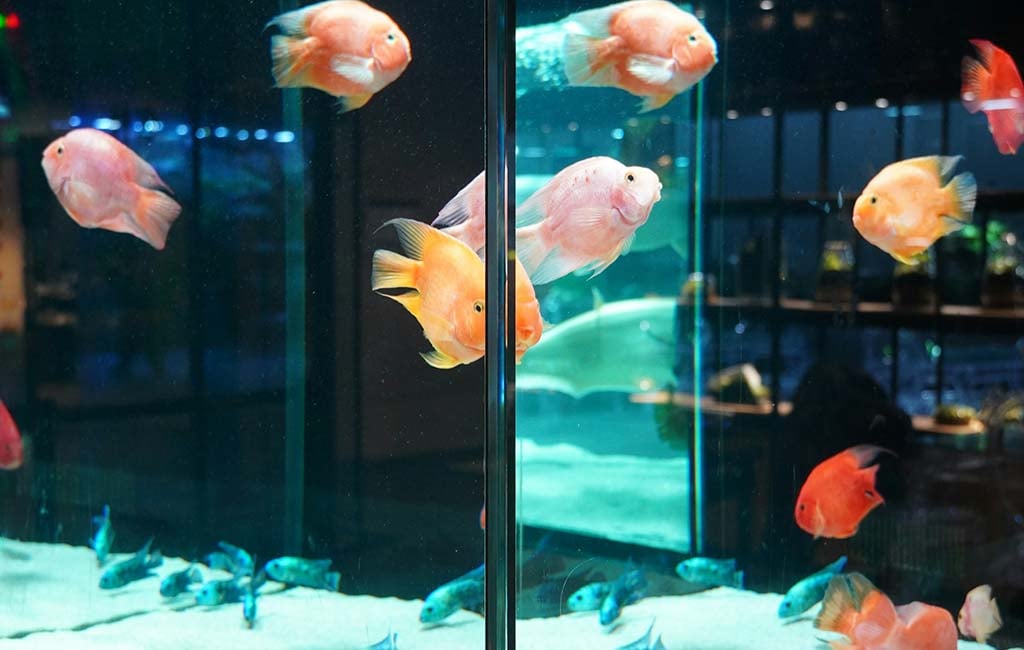
Fish food: common feeds
Common Feeds Are Made with Carotenoids or Related Compounds Added to Fish Food
So what’s actually in that color-enhancing food you’re buying? Let me break it down.
- Natural Sources
Spirulina is in almost every good fish food now. It’s a blue-green algae packed with natural pigments. Gives fish that deep, rich color while also being nutritious. Win-win.
Krill meal is another big one. High in astaxanthin naturally. This is why feeding freeze-dried krill as a treat can boost color, too.
Marigold flower extracts (yeah, really) contain lutein, which helps with yellow and orange pigmentation.
- Synthetic Additions
Some foods use synthetic astaxanthin or canthaxanthin. Before you freak out, these are chemically identical to the natural versions. Your fish can’t tell the difference. They work just as well.
The combination approach (natural + synthetic) is pretty common in premium foods. You get the benefits of both.
- Reading the Label
Look for these ingredients specifically mentioned on the package. If it just says “color enhancing” without listing what actually does the enhancing, that’s a red flag. Good companies tell you exactly what’s in there.
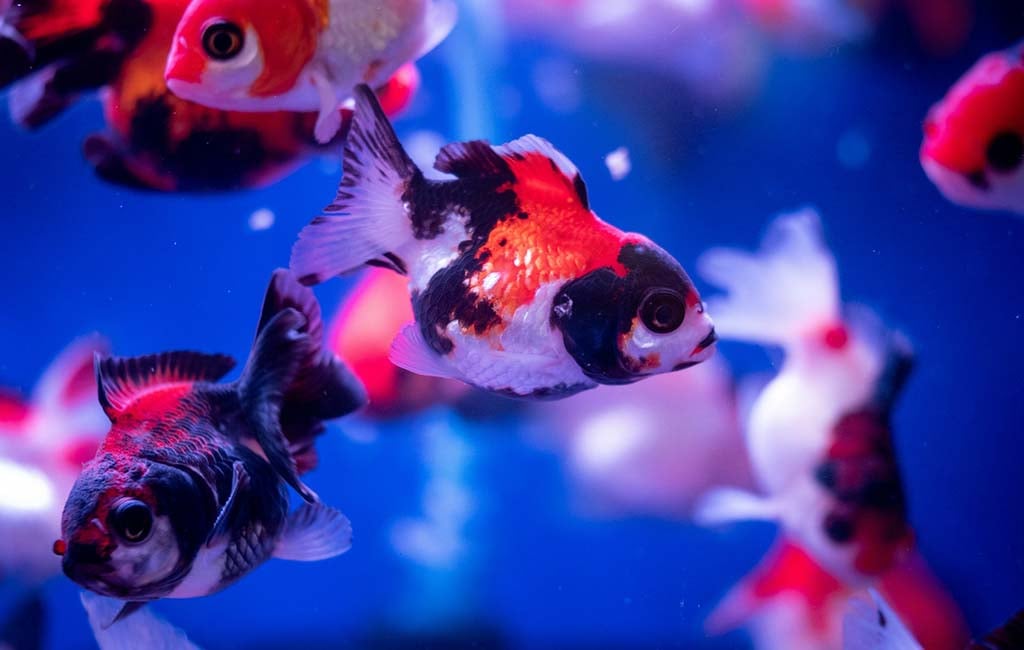
How to keep fish colorful
How to Keep Ornamental Fish Colorful
Okay, so you’ve got the right food. Now what? Because feeding alone isn’t the whole picture.
- Diet Variety
Don’t just feed one food forever. Mix it up. Flakes one day, pellets another, frozen food as treats. Different foods have different nutrient profiles. Variety ensures they’re getting everything they need.
I rotate between three different foods for my tank, plus occasional frozen brine shrimp. Keeps things interesting for them and covers all the nutritional bases.
- Water Quality Is Non-Negotiable
I cannot stress this enough. You can feed the most expensive, carotenoid-packed food on the planet, but if your water quality sucks, your fish will look dull. Stressed fish don’t display vibrant colors.
Regular water changes. Proper filtration. Maintaining stable parameters. This stuff matters just as much as food.
- Lighting
Proper aquarium lighting actually makes a difference. Not because it changes the fish, but because you can actually see their true colors under good lighting. Plus, it helps if you have live plants, which create a more natural environment.
- Genetics
Some fish are just more colorful than others. Even within the same species. If you start with fish that have good color genetics, you’ll get better results. If your fish is genetically predisposed to be pale, no amount of special food will turn it into a show fish.
- Stress Reduction
Hiding spots. Compatible tank mates. Proper tank size. Stable environment. All of this reduces stress, which helps fish display their best colors. A stressed fish looks washed out, no matter how well you feed it.
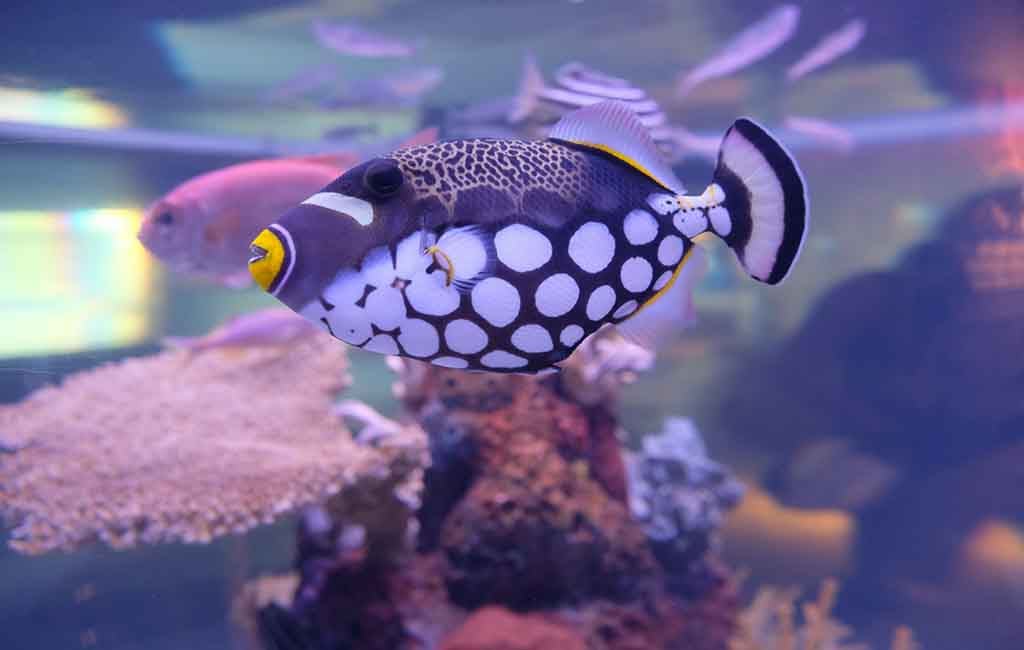
Keeping fish colorful
Don’t Miss Out
Here’s the bottom line. Keeping fish colorful isn’t about finding one magic food and calling it done. It’s about understanding what your specific fish need, providing quality nutrition with the right balance of protein and color-enhancing ingredients, and maintaining an environment where they actually feel good enough to show off those colors.
Start with a good base food that matches your fish species’ protein requirements. Look for added carotenoids like astaxanthin or spirulina. Add variety with treats and different food types. Keep your water clean. And be patient, because color development takes time. Do all that and yeah, your fish are going to look amazing. Not because you’re doing anything crazy complicated, but because you’re actually giving them what they need to thrive.
Related Products




Your article is very interesting and informative. I have nine GlowFish Tetras in a 37-gallon tank, so now I have to rethink what I am feeding the fish. Thank you.