
Many aquarium keepers notice certain fish hiding constantly, avoiding light, movement, and open swimming areas. These fish often remain unseen for long periods, leading owners to question their health. Shyness in fish is not a flaw but an adaptive behavioral trait. You should understand that shy behavior usually reflects survival instincts rather than weakness. Learning why fish behave this way helps you create safer and more natural environments. Proper knowledge improves visibility, reduces stress, and supports long-term fish health.
Content Table

shy fish species
Shy Fish Species
Shy fish species are those that naturally avoid open spaces, sudden movement, and dominant tank mates. These fish evolved in environments with heavy predation pressure and limited visibility. Most shy fish belong to families adapted to crevices, dense vegetation, or low-light habitats. Their behavior prioritizes survival through concealment rather than confrontation.
Families Known for Shy Aquarium Fish
Several fish families are well known for their shy and elusive behavior in captivity. Loaches from the Cobitidae family are famous for hiding during daylight hours. Many catfish species from the Loricariidae and Callichthyidae families show nocturnal tendencies. Gobies often remain hidden due to their small size and benthic lifestyle. Some cichlids, especially dwarf species, display cautious and secretive behavior. These families share common traits shaped by environmental pressures.
Peculiarities of Shy Fish Behavior
Shy fish often rely on camouflage, stillness, and retreat rather than speed or aggression. Their coloration may appear dull to blend into the surroundings effectively. Many shy species have sensory adaptations for low-visibility environments.
Enhanced barbels, lateral line sensitivity, and nocturnal vision are common traits. These adaptations help fish navigate safely without exposure. In aquariums, these same traits make them appear invisible.
Why are the Fish Shy Elusive in the fish tank
Shy behavior in aquariums results from both instinct and environmental influence. Even captive-bred fish retain survival behaviors shaped by evolution. Understanding these triggers helps you reduce stress and encourage natural activity.
1. Evolutionary Survival Mechanisms
Shy fish evolved in habitats with constant predation threats. Remaining hidden significantly reduced detection by predators. These instincts remain active even without predators present. Fish cannot distinguish between harmless human movement and predatory threats.
Sudden shadows and vibrations trigger retreat responses automatically. This evolutionary programming keeps shy fish elusive in aquariums.
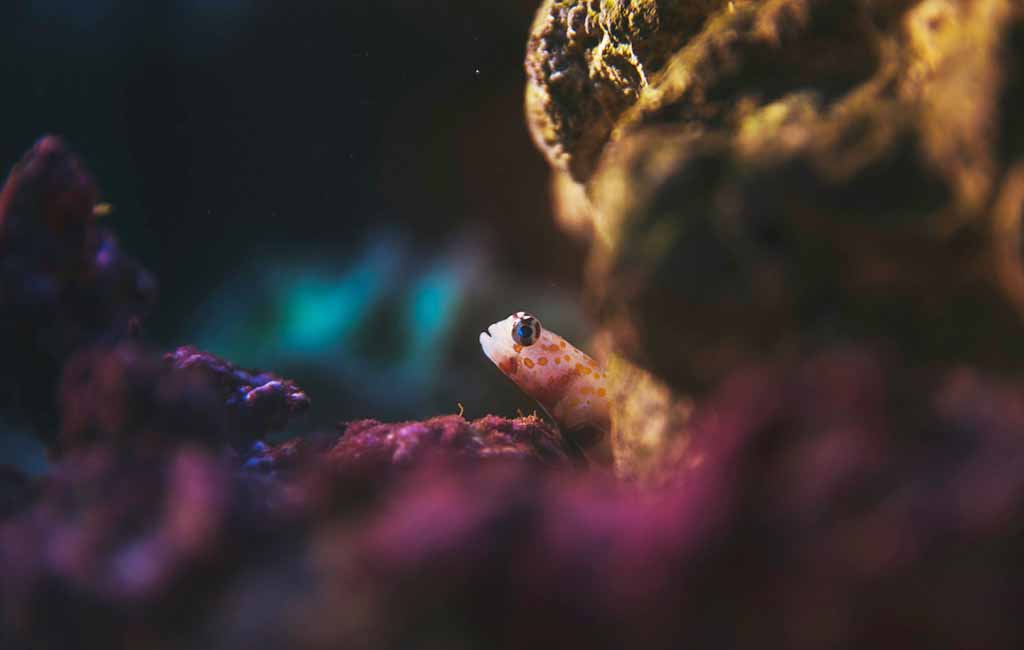
shy elusive fish
2. Environmental Stress Factors in Aquariums
Aquarium environments can unintentionally amplify shy behavior. Bright lighting overwhelms species adapted to dim habitats. Sparse decoration leaves fish feeling exposed and unsafe. Aggressive or fast-moving tank mates increase fear responses. Inconsistent water parameters elevate stress hormones chronically. Stress suppresses exploratory behavior and reinforces hiding tendencies. You should address these factors to reduce excessive shyness.
3. Social Pressure and Hierarchy Effects
Social hierarchy also plays a role in shy fish behavior. Dominant fish often claim open swimming areas and feeding zones. Subordinate fish retreat to avoid repeated confrontations. Over time, this becomes a fixed behavior pattern. Even peaceful dominance can discourage shy fish from emerging. Understanding social dynamics helps you manage group composition effectively.
Some Examples of Shy Fish in Aquariums
Many popular aquarium fish are considered shy due to their natural behavior patterns. Recognizing these species prevents misinterpretation of their health.
1. Kuhli Loach
Kuhli loaches are among the most commonly described shy aquarium fish. They belong to the Cobitidae family and originate from Southeast Asian streams. These loaches spend most daylight hours buried or hidden. They become active primarily at night when the lights dim. Their eel-like bodies allow easy concealment. Dense substrate and hiding spots are essential for their comfort.
2. Otocinclus Catfish
Otocinclus catfish are small algae-eating fish from South America. They are extremely peaceful and sensitive to stress. Otocinclus often hides when startled or placed in new environments. Their small size makes them vulnerable to perceived threats. Stable water and gentle tank mates encourage visibility. Schools provide added security and reduce fear.
3. Twig Catfish
Twig catfish exhibit extreme camouflage and motionless behavior. They resemble sticks to avoid detection in natural habitats. In aquariums, they often remain stationary for long periods. Movement occurs mainly during feeding times or in the dark. Their shy behavior is normal and not illness-related. Low flow and quiet tanks suit them best.
4. Dwarf Cichlids
Dwarf cichlids such as Apistogramma species can appear shy despite territorial instincts. Females especially hide when not breeding. These fish originate from leaf litter-rich environments. Soft lighting and caves reduce stress significantly. Without proper setup, they remain elusive and inactive.
5. Gobies and Sleepers
Many goby species remain hidden due to benthic lifestyles. They perch near substrate and retreat quickly when disturbed. Their small size and limited swimming range increase caution. Providing rockwork and sand areas supports natural behavior.

most shy aquarium fish
The Shyest Fish in the World
Some fish are considered exceptionally shy due to rarity, behavior, or environmental sensitivity. These fish avoid observation even by experienced researchers.
1. Past Examples of Extremely Shy Fish
The coelacanth was once considered among the shyest fish ever discovered. It remained unseen for millions of years until accidental discovery. Its deep-water habitat and nocturnal behavior prevented observation. This fish demonstrated extreme avoidance through habitat selection. Shyness here reflected survival through inaccessibility.
2. Present-Day Shy Fish Species
Deep-sea fish species remain some of the shyest known today. Many species are observed only through remotely operated vehicles. Anglerfish relatives and certain snailfish avoid light completely. These fish retreat deeper when exposed to artificial illumination. Their shyness is driven by pressure sensitivity and predator avoidance.
3. Shy Behavior Versus Rarity
It is important to distinguish shyness from rarity. Some fish appear shy because they exist in inaccessible environments. Others are behaviorally elusive despite availability. Aquarium shy fish fall into the second category. Their behavior reflects instinct rather than scarcity.
Dither Fish to Help Shy Fish in the Tank
Dither fish are active, visible species used to reassure shy fish. Their presence signals safety and reduces fear responses. This technique is widely used in professional aquaculture.
How Dither Fish Influence Behavior
Shy fish observe dither fish activity before emerging. Active swimming indicates the absence of predators. This visual cue lowers stress hormone levels. Over time, shy fish associate movement with safety. This encourages natural exploration and feeding behavior.
Ideal Dither Fish Characteristics
Good dither fish are peaceful, active, and midwater swimmers. They should not harass or outcompete shy species. Small schooling fish work best as visual indicators. Stability and consistency are key to effectiveness.

Dither Fish
Popular Dither Fish Choices
1. Cardinal Tetras as Dither Fish
Cardinal tetras are vibrant, midwater swimmers that create constant movement in the tank. Their schooling behavior provides a sense of security for shy species. They are peaceful, adaptable to tropical water conditions, and rarely harass other fish.
By observing the active and visible cardinals, shy fish feel safer to explore open areas, increasing feeding and natural behavior. Maintaining proper water parameters, such as soft, slightly acidic water, ensures both tetras and shy fish thrive together.
2. Rasboras for Calm Activity
Rasboras exhibit gentle, steady swimming patterns, making them ideal visual cues for timid fish. They rarely compete for food aggressively, reducing stress on shy species. Their calm presence encourages hidden fish to emerge gradually while maintaining a peaceful tank atmosphere.
Schools of 6–10 rasboras are recommended to simulate natural movement. Soft, warm water conditions and moderate lighting further enhance their effectiveness as dither fish.
3. Zebra Danios in Cooler Tanks
Zebra danios are fast, active swimmers suitable for cooler water setups. Their energetic movements reassure shy fish about safety without causing stress. Danios are hardy, tolerate a range of water conditions, and remain visually prominent in open tank areas.
Using zebra danios as dither fish works well in community tanks where other midwater species require encouragement to leave hiding spots. Proper schooling and placement allow shy fish to observe movement confidently.
4. Pencilfish for Soft Water Environments
Pencilfish are subtle, midwater dwellers that gently move around the aquarium, providing visual cues for shy fish. They thrive in soft, acidic water and low to moderate lighting, closely matching conditions preferred by many timid species.
Their small size and peaceful nature ensure they do not outcompete shy fish for food or territory. Consistent activity by pencilfish encourages hidden fish to emerge naturally, improving feeding opportunities and reducing chronic stress over time.
Risks of Improper Dither Fish Selection
Incorrect dither fish selection increases stress rather than reducing it. Aggressive or fast species intimidate shy fish. Large dither fish may compete for food excessively. You should research compatibility carefully, as a proper balance ensures positive behavioral changes.

Shy Fish in the Tank
Concluding Remarks
Shy aquarium fish display behavior shaped by evolution, environment, and social structure. Their hiding does not indicate poor health when conditions are appropriate. Understanding species-specific needs allows you to create safer habitats.
Proper lighting, tank design, and compatible tank mates reduce fear. Dither fish provide effective behavioral reassurance when used correctly. With informed care, shy fish become active, visible, and rewarding aquarium residents.
Related Products



Leave a comment