
Floating plants changed how I think about aquariums. Not in some dramatic way, but gradually. They drift across the surface, roots dangling below, and they just work. You toss them in, they grow, and the fish seem happier.
Content Table
I spent years focused only on plants rooted in substrate, thinking floaters were too messy or hard to control. Wrong on both counts. They absorb nutrients straight from the water column, create natural shade, and some species have roots so long they look like underwater curtains. Others barely have roots at all.
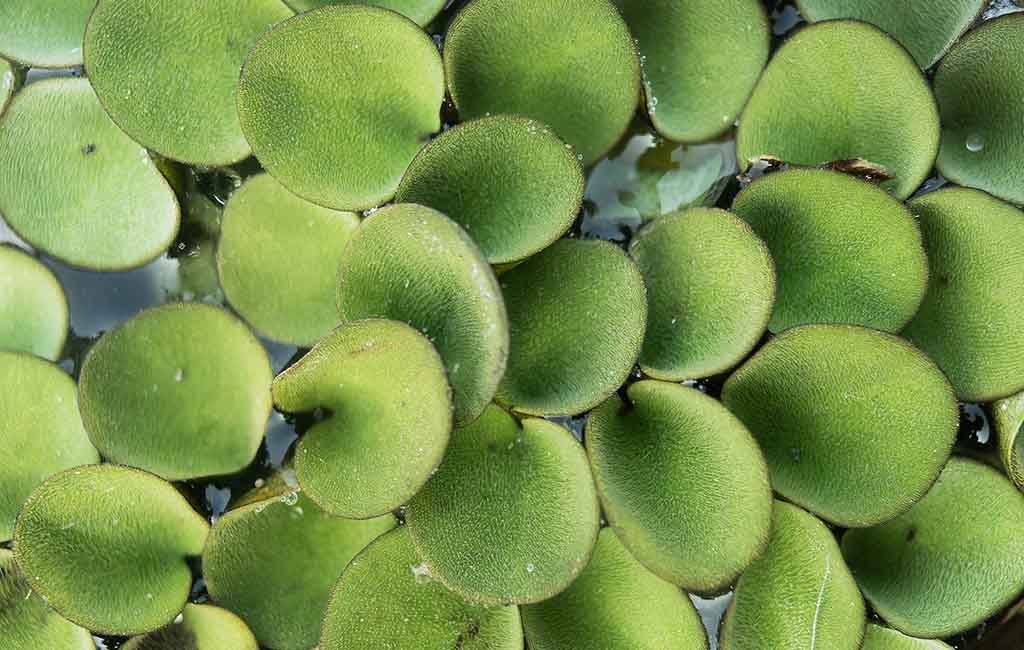
Floating Aquarium Plants with Long Roots
Floating Aquarium Plants with Long Roots
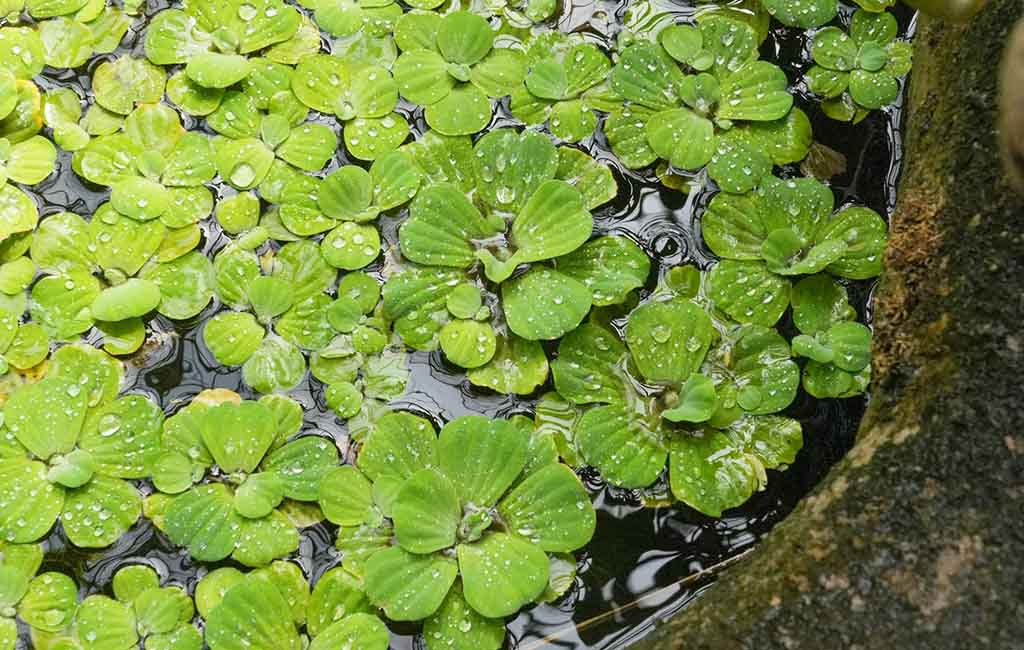
Water lettuce grows roots that will surprise you the first time you pull one out to trim it. We’re talking 12 to 18 inches of thick, white roots hanging down into your tank. I wasn’t ready for that when I got my first one.
Those roots do more than look cool, though. They trap debris floating in the water. They suck up nitrates like crazy, which matters if you have a heavily stocked tank. And fish flies hide in them, which saved a bunch of baby guppies I didn’t even know I had until I saw them darting around in there.
Amazon Frogbit and Its Root Forests
Amazon frogbit sends out roots about 6 to 10 inches long, and they grow in dense clusters. It looks like a miniature underwater forest if you peer in from the side of the tank. My shrimp colony basically lives in these roots now. They pick off tiny bits of algae and microorganisms that collect on the fine root hairs.
The plant spreads through runners, kind of like strawberries do. It will send out a little shoot with a baby plant attached, and that baby establishes its own roots pretty quickly.
Water Sprite’s Dual Personality
Water sprite does this interesting thing where it grows differently depending on whether you plant it or let it float. Planted, it looks like a bushy fern. Floating, it develops these thin, branching roots that can reach 8 to 12 inches.
Fish graze on the stuff that grows on those roots. I have watched my tetras pick at them for minutes at a time, which I guess means there’s good eating there.
Why does root length even matter? Good question.
Here’s what longer roots actually do:
- Give beneficial bacteria more surface area to colonize
- Create hiding spots for fish that need to feel secure
- Pull more nutrients out of the water faster
- Stay put better when your fish tank filter creates a surface current
Bettas love long roots. Gouramis too. They rest near them and build bubble nests around them. The roots break up all that open water that makes some fish nervous.
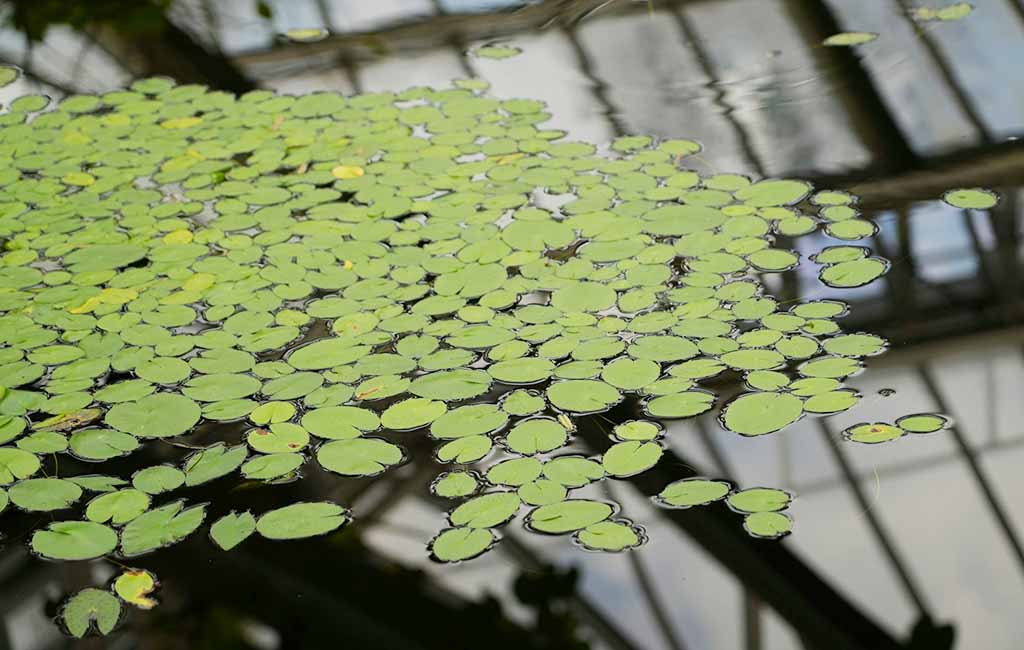
Aquarium Floating Plants Have the Shortest Roots
Duckweed takes minimalism to the extreme. Each tiny plant has one single root that’s maybe half an inch to an inch long. That’s it. Just one thread dangling there.
But here’s the thing about duckweed. It reproduces so fast that the small roots don’t matter. The plant can double its coverage every two or three days under good plant light. I have had it take over a tank in a week. You end up with thousands of individual plants, and all those tiny roots combined do plenty of nutrient absorption.
Red Root Floaters Stay Compact
Red root floaters keep their roots short, usually 1 to 3 inches max. The plant itself stays small too, with leaves barely reaching half an inch across. Perfect for nano tanks where bigger floaters would cover everything.
What I like about these is the color. Under strong light, the roots turn this vibrant red or pink. Adds interest both above and below the waterline. The leaves can go reddish, too, if conditions are right.
Salvinia’s Fuzzy Little Boats
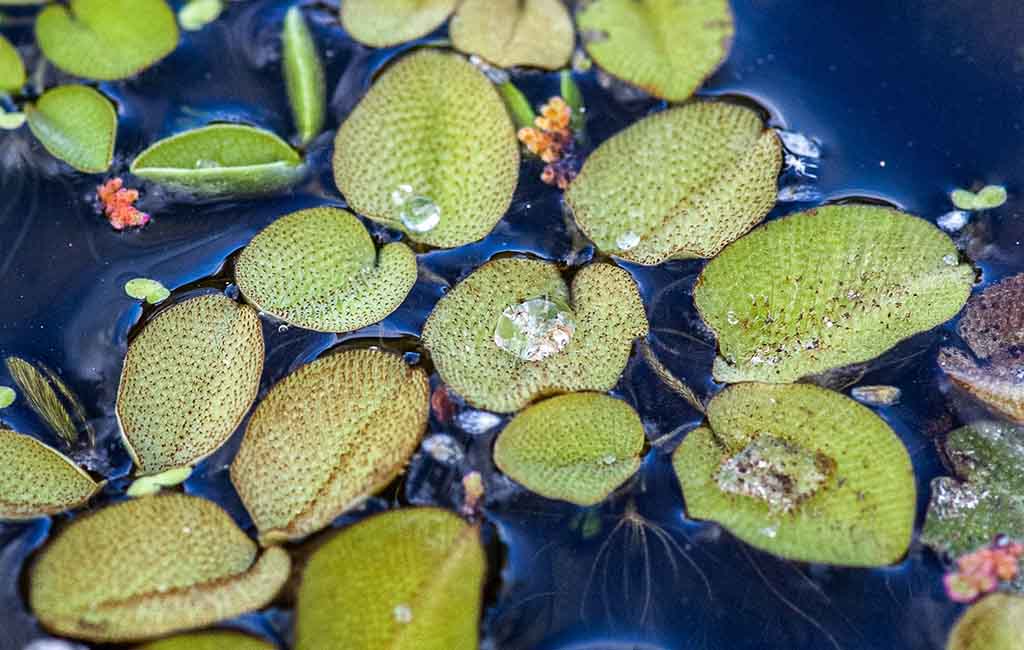
Salvinia species have roots that rarely get past 2 inches. Salvinia minima and Salvinia natans both have these fuzzy, water-repellent leaves that sit on the surface. They look like tiny boats floating around.
Short roots work better in certain setups. If you have strong surface agitation from your filter, long roots get tangled in the intake. Shallow tanks, maybe 10 inches deep or less, look better proportioned with compact floaters. And if you’re breeding bettas or other bubble nest builders, you need surface cover without a maze of roots messing up their nests.
rare floating aquarium plants
The Rare Floating Aquarium Plants
Most aquarium stores stock the usual suspects. Water lettuce, duckweed, maybe some frogbit if you’re lucky. But there are some rare floating aquarium plants that are genuinely hard to find.
- Phyllanthus Fluitans and Its Bronze Leaves
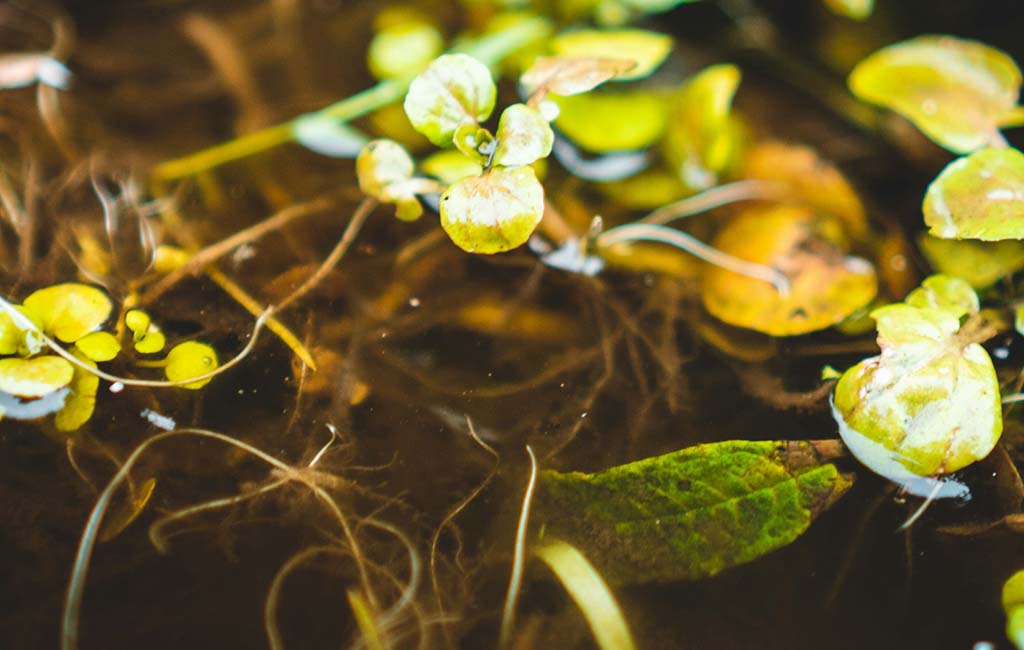
Phyllanthus fluitans looks different from typical floaters. It’s got small, round leaves arranged in neat pairs along thin stems. Originally from South America. The leaves develop this reddish bronze color under intense light, which is stunning if you can get it to happen.
The problem spreads slowly. Most floaters take over your tank. This one? It grows at a measured, almost polite pace. And it wants stable water parameters, or it sulks. That’s probably why you don’t see it much. Suppliers can’t grow it fast enough to make it worth stocking.
- The Larger Limnobium Laevigatum
This one gets confused with Amazon frogbit, but it’s different. Bigger, for one thing. Individual rosettes can reach 3 to 4 inches across. The leaves have this glossy, almost waxy texture that catches light differently.
It tolerates cooler water better than most tropical floaters, so it works in unheated tanks. But good luck finding it. Most suppliers don’t carry it regularly.
- Azolla Caroliniana Turns Purple
Carolina mosquito fern is tiny. We’re talking a quarter inch per frond. But under the right conditions, it turns deep red or purple and creates this stunning dens, a mat on the surface.
Here’s something cool about azolla. It partners with nitrogen-fixing bacteria, which means it can thrive in water with lower nutrients than other floaters need. It will still grow fast, though. Can completely cover a tank surface quickly if you let it.
Finding the real Azolla caroliniana instead of similar species takes some work. There are lookalikes.
Where to actually find these rare plants:
- Online specialty retailers that focus on aquatic plants.
- Hobbyist forums where people sell or trade cuttings.
- Local aquarium club members who propagate unusual species
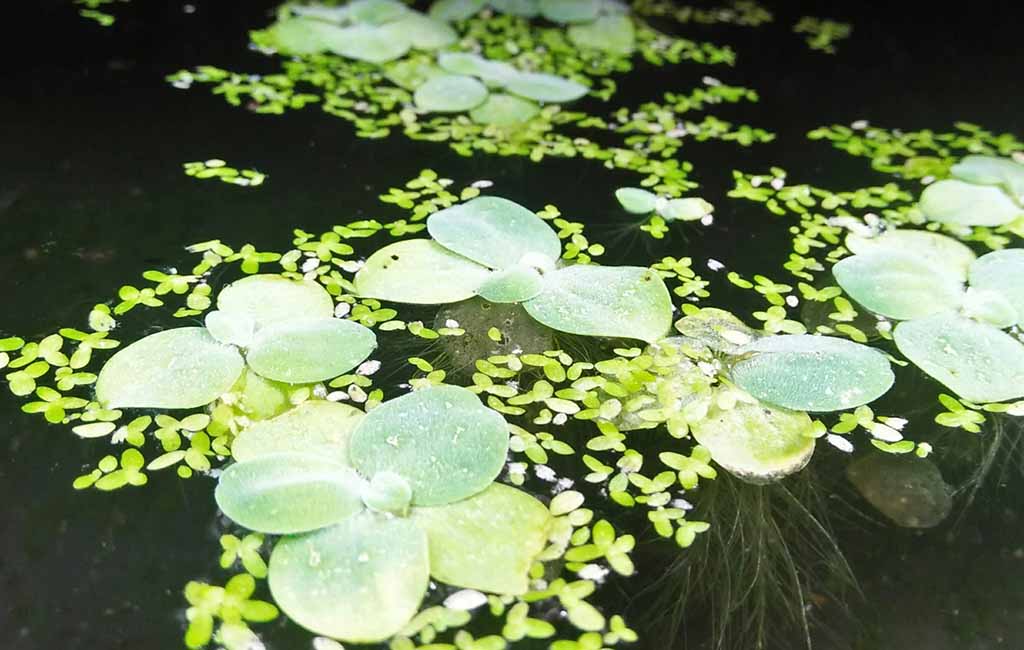
best floating aquarium plants
What are the Best Floating Aquarium Plants
I have tried most of the common floaters at this point, and some are definitely better than others.
Water Spangles for Overall Performance
Water spangles, which is just another name for Salvinia minima, tops the list. It grows fast enough to actually remove nutrients and control algae, but not so aggressively that you’re scooping handfuls out every single day.
The fuzzy leaves don’t get waterlogged easily, so they survive in tanks with stronger surface movement. That matters if your filter creates some turbulence. And the plant adapts to different water conditions. Soft acidic water? Fine. Harder alkaline water? Also fine.
Amazon Frogbit Balances Beauty and Function
Amazon frogbit is one of those aquarium plants that delivers on multiple fronts. The round, lily pad-pad-shaped leaves. The root system offers real benefits for water quality and fish shelter.
What I appreciate is how it signals problems early. Leaves turning yellow? Probably an iron deficiency. Brown edges? Could be excessive nutrients or poor circulation. It’s like a little indicator plant.
Dwarf Water Lettuce for Smaller Tanks
Regular water lettuce gets huge. Too huge for tanks under 20 gallons. Dwarf water lettuce stays compact while doing the same job. The rosette formation and pale green color add visual interest, and it pulls ammonia and nitrates out of the water effectively.
Choosing what works for your setup depends on:
- How much surface area do you want covered
- Whether your light is strong or weak
- If your fish prefer dim or bright conditions
- How much time will you spend removing excess growth
- Your water temperature range
My betta tank has red root floaters. They provide shade and resting spots without creating impenetrable tangles. My goldfish tank? Duckweed, because they eat it is eaten as food. The community tank with tetras gets Amazon frogbit for those nice dappled light patterns.
floating aquarium plants grow tips
Tips for Growing Floating Aquarium Plants
Getting floaters to actually thrive takes more than just dropping them in and hoping.
- Light Intensity Matters More Than You Think
Floating plants need decent light. Position your fixture so they get at least 6 to 8 hours of moderate to high intensity light daily. Too far from the source, and they will yellow and fall apart.
I learned this the hard way with some water lettuce that just dissolved over a week. Moved the light closer, problem solved. Adjustable LED fixtures help because you can increase output for surface plants without blasting everything at the bottom.
- Managing Water Movement
Strong filter output creates waves that constantly push floaters around and can submerge leaves, which leads to rot. Not good.
Install a spray bar or water fall filter and position it to direct flow just below the surface. Or angle your filter outlet toward the glass. Reduces turbulence at the top.
Some people make floating plant corrals using airline tubing formed into circles and held with suction cups. Creates a calm zone for the plants.
- Nutrient Availability Drives Growth
Floaters absorb nutrients directly from the water column, so they’re sensitive to deficiencies. Add liquid fertilizer weekly. Look for products with iron, potassium, and trace elements.
These floating aquarium plants grow tips, including watching for pale leaves or stunted growth. Both signal insufficient nutrition. Root tabs in your substrate won’t help floaters since they can’t access those buried nutrients.
- Pruning Prevents Problems
Once growth is established, remove about 25 to 30 percent of the plant mass weekly. Thick mats block light from reaching plants below and reduce oxygen exchange at the surface.
Just gently pull sections out and toss them. Duckweed requires more aggressive removal. It will take over completely if you let it.
- Temperature Stability Supports Growth
Most tropical floaters prefer water between 72°F and 82°F. Sudden drops in stress them and slow everything down. Temperate species like certain Salvinia varieties tolerate cooler temps, down to 60°F. Good for unheated setups.
Floating plants
Which Do You Want
Floating plants transformed my tanks from static boxes into something that actually feels alive. Things change throughout the day as they drift around. The right species depends on your tank size, what fish you keep, and, honestly, how much maintenance you want to deal with. Long-rooted types like water lettuce create shelter and visual depth.
Short-rooted ones like duckweed stay out of the way while cleaning your water. Rare species add something unique if you’re into that. Success comes down to providing enough light, controlling water flow, and keeping up with nutrition and pruning.
Related Products



Leave a comment