
Fish are evolved in specific environments, and they behave accordingly. If someone puts them in varying situations, it will cause problems as they are sensitive to their environment. Therefore, it is necessary to understand the reasons for fish sensitivity. Moreover, fish sensitivity symptoms help us understand sensitivity and its relationship with lighting. All of these things are discussed in the following, with some of the most sensitive species for both aquariums and oceans.
Content Table
aquarium sensitive species
Aquarium Sensitive Species
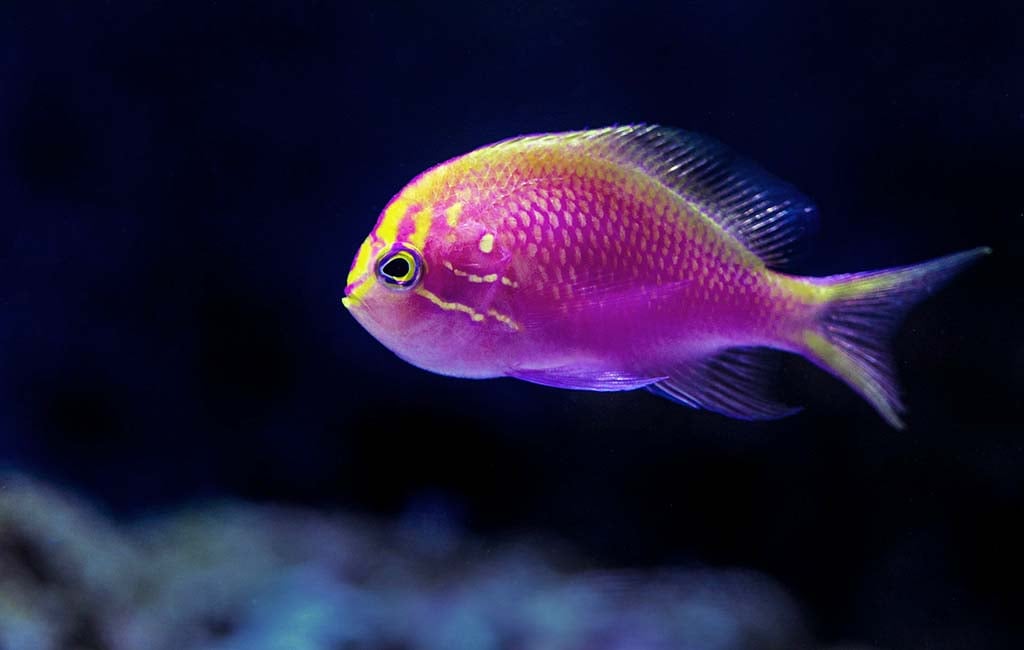
Aquarium-sensitive species or high-maintenance fish species are hard to keep. They require well-maintained water conditions, a specific diet, proper lighting, and specific feeding hours. Here are some common aquarium-sensitive species.
- Discus
- Cardinal Tetras
- Freshwater Stingrays
- Seahorses
- Various specialized marine fish, like Butterflyfish
Habitat of Sensitive Species
As mentioned, these fish species are highly sensitive to water parameters and other conditions. Therefore, they require a specialized environment for optimal growth. Here are some characteristics of their habitat.
Coastal and Marine Areas
You can often find them in HAPCs (Habitat Areas of Particular Concern). Examples of such areas are mangroves, seagrass beds, coral reefs, forests, and kelps.
Migration Corridors
There are some species that migrate between the ocean and freshwater. These fish live in areas where they can easily transit between the two environments for different phases of their life.
Environmental Stability
The other characteristic of the sensitive fish species’ habitat is environmental stability. A stable environment has a stable and specific pH, salinity, and DO level of the water.
fish sensitivity symptoms
Fish Sensitivity Symptoms
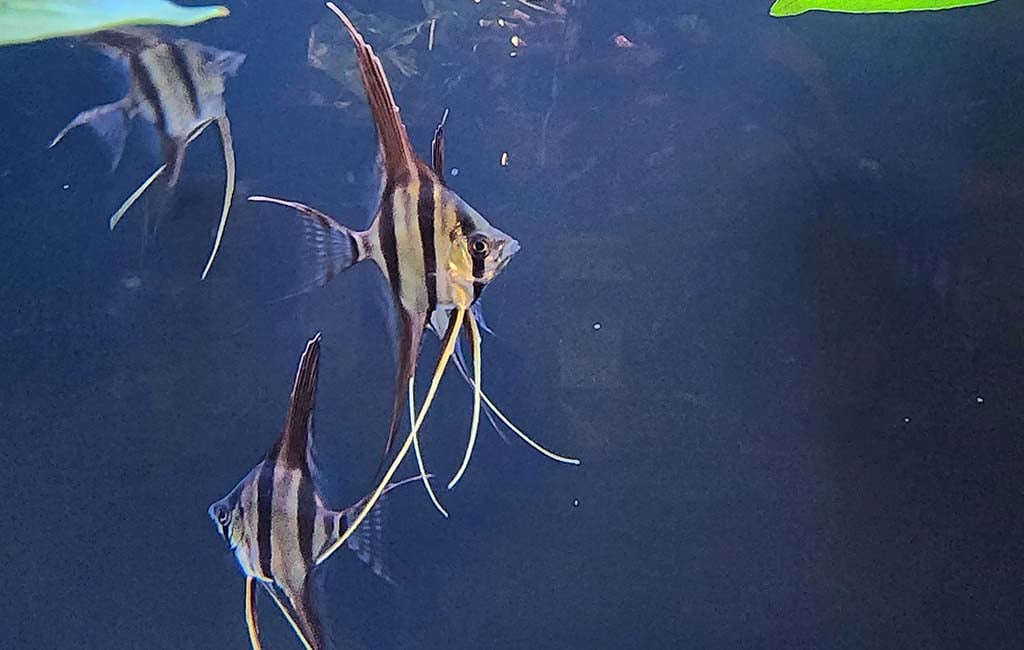
Several symptoms tell you about the sensitivity in your fish. If you identify these symptoms in your aquarium fish, it’s time to address the sensitivity issue. Otherwise, you’ll lose your fish. Here are some of these species.
Color loss
If you have bright or striking color fish species and they are losing their coloration and turning into dull colors.
Clamped fins
The other classic example of sensitivity is the clamped fins. Under stressful conditions, fish clamp their fins.
Rapid Gill Movement
If you are observing rapid gill movement in your fish, it is a sign of a sensitivity issue.
Gasping
If your fish is gasping at the top of the surface, it means there is a low DO level.
Prolonged Hiding
Some fish tend to hide. However, if your fish is hiding more often and for prolonged periods, it might be due to sensitivity issues.
Refused to Eat
If your fish is not eating, it is another sign of rising sensitivity.
Why are fish sensitive
Why Are Fish Sensitive?
They are sensitive because they have evolved in this way. Different species have transformed according to their environment. This million-year journey makes them sensitive to even slight changes in the environment. Here are some of the key sensitivity reasons.
Absorb Water Through Skin
Unlike other mammals, fish absorb water and nutrients from their skin. Any slight change in water parameters directly affects them, unlike the other mammals. Moreover, they are living in the water. This factor makes them more sensitive to water parameters.
Immune System And Temperature Relationship
Fish’s immune system is tightly bound to water temperature. Mostly, decreasing water temperature slows their immune system. As their immunity drops too low, they are sensitive to every aspect.
Multitasking Through Gills
Fish’s gills are not only for oxygen intake. Moreover, they use them for regulating aspects, e.g., salt, water, acid, and base balance. Any water change directly hits them through their gills.
Evolution in A Specific Environment
Several fish species have evolved in certain environments. Their organs are developed according to the environment. Once they are out of their comfort zone, they are sensitive to everything.
Stress Hormone Development
Fish have cortisol hormones. Under a normal environment, they remain normal. When fish go into stressed conditions, these stress hormones grow faster. As a result of elevated cortisol levels, you can see the higher sensitivity among fish.
sensitive fish
Are Aquarium Fish Sensitive to Light?
Yes, aquarium fish are sensitive to light. Sometimes, aquarists, especially newbies, miss this point. Here are some ways that trigger the sensitivity among fish.
Photoperiod Disturbance
Fish have a circadian rhythm. They require a few hours of light daily. After that, they need dark or dim light. If the lights are on all the time, it will disturb the fish’s circadian rhythm. This disturbed situation causes stress.
Light Intensity
Different fish species require different light intensities. Like some species that prefer to live in freshwater with generous hiding spaces, they require dim lighting. If you expose them to high-intensity light, they will be disturbed.
UV Exposure
Some lights emit UV (Ultraviolet) rays. These rays are harmful to the fish’s skin. As a result of skin damage, you’ll see many other problems among your aquarium fish.
Algae Bloom
If someone turns on the light 24/7, it will give rise to algae problems. When algae bloom in a tank, it uses all or most of the available oxygen in the tank. Low oxygen levels will lead to suffocated fish in the tank.
Sensitive Fish in the Ocean
The 5 Most Sensitive Fish in the Ocean
| Species | Why Sensitive | Habitat |
| Blue Tang | Sensitive to water parameters Require a high-quality reef environment |
Shallow, warm coral reefs and rocky inshore areas |
| Banggai Cardinalfish | Limited range Specific breeding habit |
Sheltered lagoons, coral reefs, and seagrass beds at depths of less than 6 meters (18 feet) |
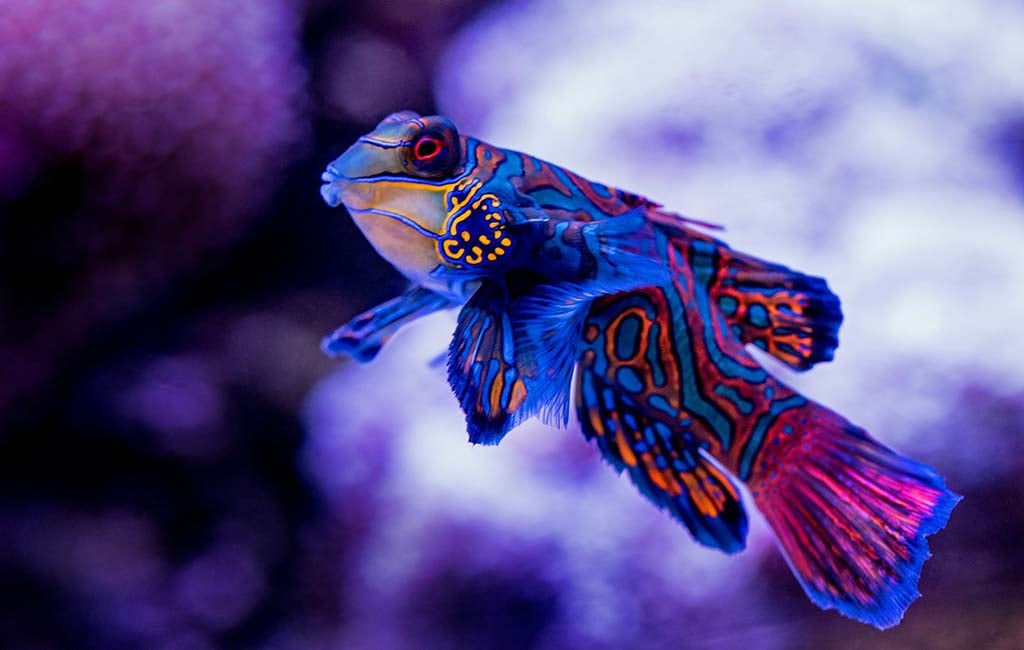
| Mandarin Dragonet | Specialized diet Require a large and established population of live copepods |
Shallow, protected coral reefs and lagoons in the Western Pacific Ocean, ranging from the Ryukyu Islands to Australia |
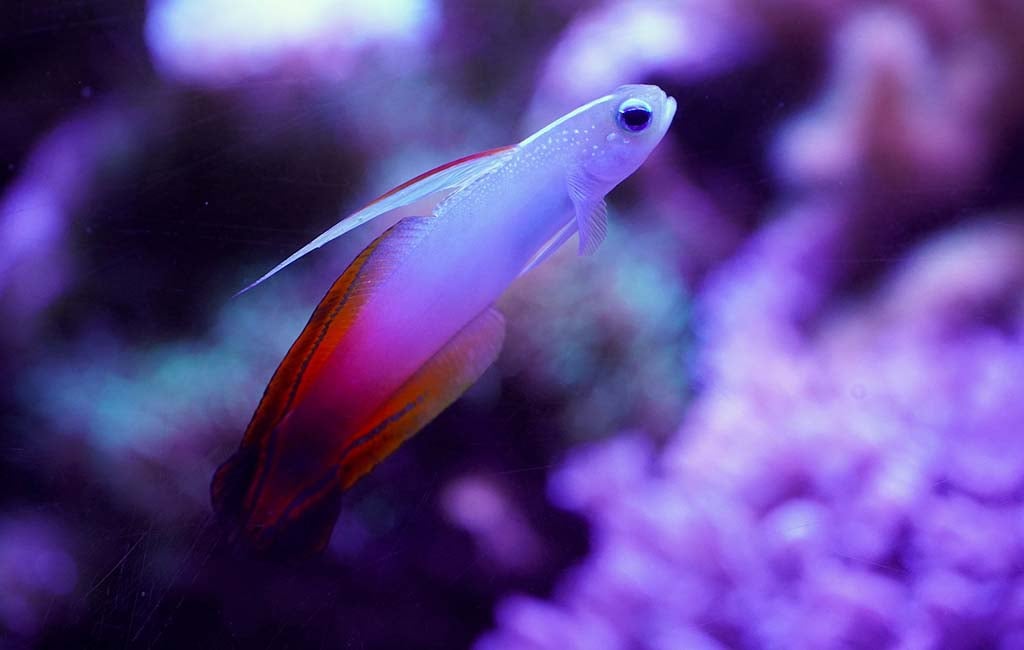
| Pink Firefish | Shy Delicate |
Deep, tropical waters of the Indo-Pacific, particularly within French Polynesia |
| Long-horn Cowfish | Sensitive to environmental stress Under stress, release toxins that are harmful for itself and others |
Tropical to subtropical Indo-Pacific waters |
The 5 Most Sensitive Fish for Aquariums
| Fish | Why Sensitive | Natural Habitat |
| Discus | Sensitive to water parameter fluctuations | Flooded forests, slow tributaries, and oxbow lakes often reside among submerged tree roots, branches, and leaf litter |
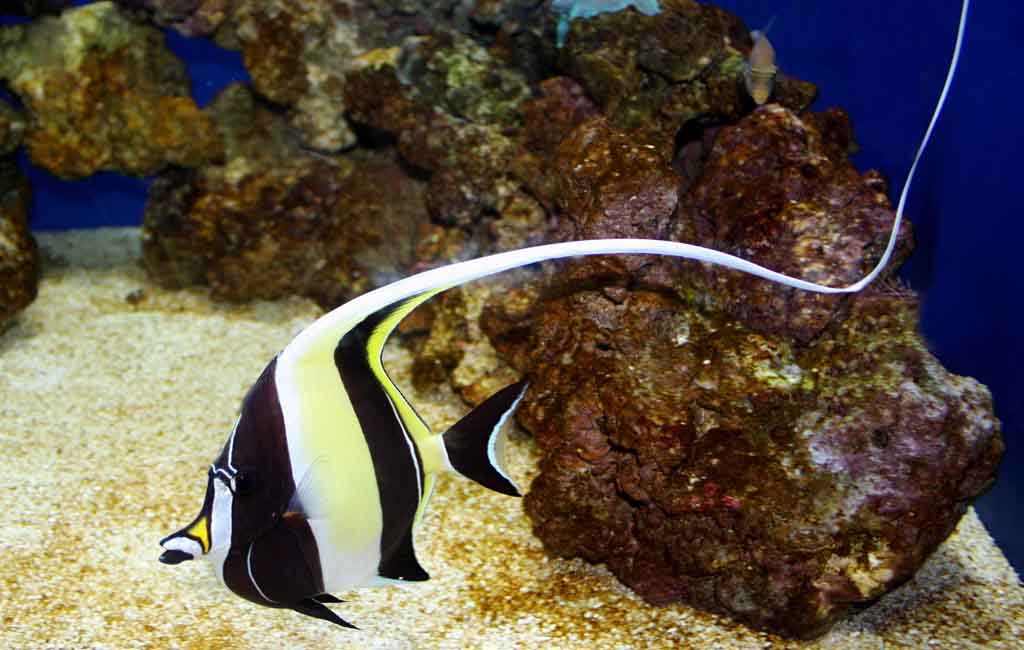
| Moorish Idol | Hard to acclimate to a new environment Picky eater |
Shallow, tropical to subtropical coral reefs, lagoons, and rocky coastlines across the Indian and Pacific Oceans, including the Red Sea |
| Anthias | Specialized diet High water quality |
Tropical coral reefs in the Pacific and Indian Oceans |
| Otolincus Catfish | Die if not handled carefully High water quality |
Slow-moving, heavily vegetated streams, rivers, and flooded areas in the South American Amazon and Orinoco basins |
| Altum Angelfish | Sensitive to water quality | Warm, slow-moving, blackwater environments with highly acidic, soft water, dense vegetation, and submerged tree roots |
Concluding Thoughts
Fish live in a specific environment where they are adapted to specific water quality, pH, water hardness, and lighting. If any of these aspects are changed, they become sensitive and display sensitivity symptoms, e.g., color loss, gasping, etc. Look at the symptoms, fix the issue, and enjoy the happy fish.
Related Products




Leave a comment