
Choosing the right aquarium heater size is one of the most important steps in fish keeping. Temperature stability directly affects fish health, immunity, digestion, and long-term survival. Many beginners guess the heater size and later face problems like fluctuating temperatures or heater burnout. A proper aquarium heater size calculator removes that guesswork and gives you confidence. To size a heater correctly, you must understand tank shape, water volume, and heat loss factors.
Content Table
This article explains aquarium tank shapes, volume formulas, safe water capacity, heater wattage calculations, and real examples. By the end, you will know exactly how to size a heater for your aquarium.
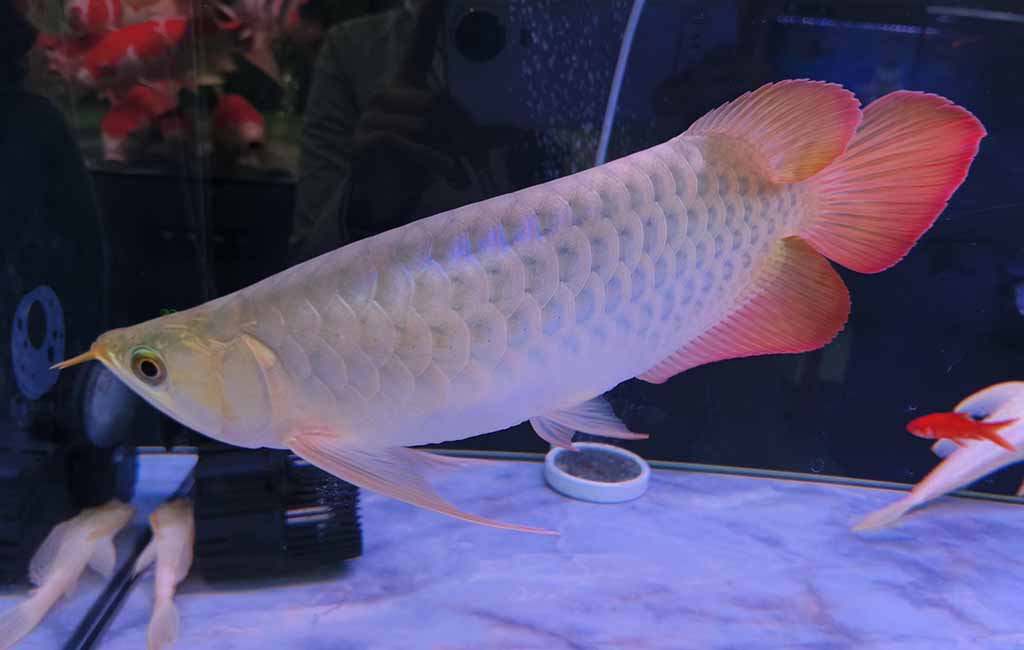
What Shape of Fish Tank Do You Have
1. Rectangular and Cube Fish Tanks
Rectangular tanks are the most common aquarium shape and are the easiest to measure accurately. Their uniform length, width, and height make volume calculations simple and reliable. Cube tanks follow the same principle but feature equal dimensions on all sides. These tanks are popular for nano setups and small aquascapes. Their compact shape usually retains heat well, making heater performance more predictable.
2. Cylindrical and Hexagon Aquariums
Cylinder or round tanks are visually appealing but lose heat faster due to curved glass surfaces. This increased heat loss often requires a slightly stronger heater. Hexagon tanks offer vertical viewing space and decorative appeal. However, they usually hold less water than they appear, which can mislead heater selection. Careful measurement is essential with these designs.
3. Bowfront and Custom-Shaped Tanks
Bowfront tanks include curved panels that slightly reduce internal volume. Irregular or custom tanks need precise internal measurements. Understanding your tank shape helps prevent heater sizing mistakes and temperature instability.
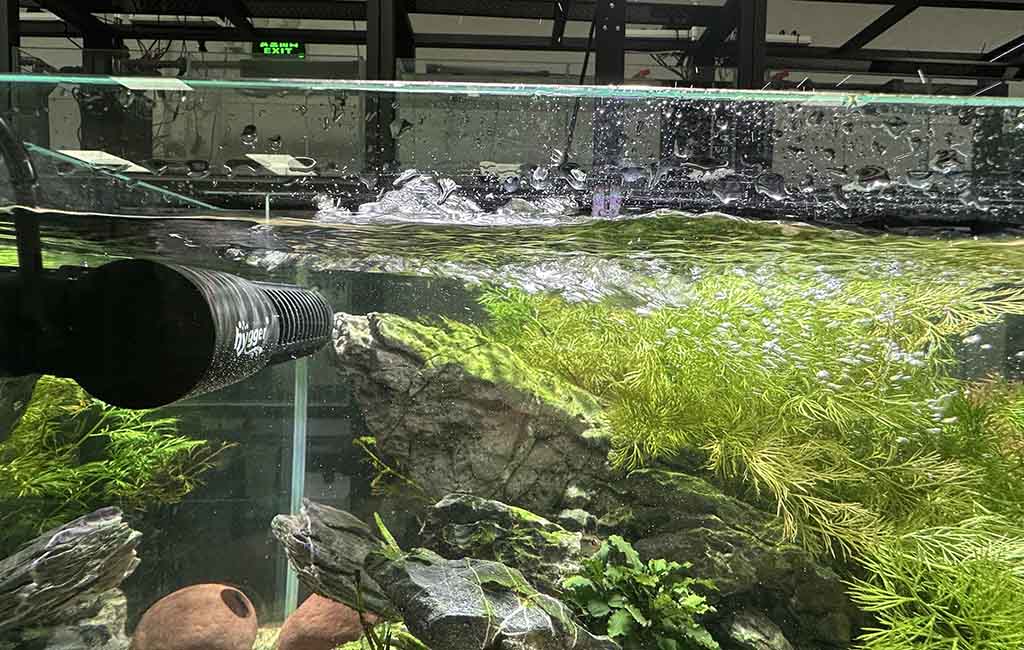
Calculating Fish Tank Volume in Gallons
Below is a detailed guide for calculating water volume for various aquarium shapes and tips to improve accuracy.
1. Rectangle Fish Tank Volume in Gallons
Rectangular tanks are the most common aquarium type and the easiest to measure. To calculate the volume: measure the internal length, width, and height in inches, then multiply them to get cubic inches. Divide the result by 231 to convert cubic inches into gallons:
Formula: Length × Width × Height ÷ 231 = Gallons
Always measure inside the tank glass, not the exterior. External measurements include glass thickness, which can overestimate volume. Subtract the space taken by substrate soil, decorations, rocks, and driftwood for a more accurate usable water volume.
Rectangular tanks are ideal for heating because their predictable surface area and shape minimize heat loss. Cube tanks, a variation of rectangular tanks with equal dimensions, are popular for nano setups. They retain heat efficiently due to their smaller surface area, but require careful consideration when adding tall decorations that displace water.
Bowfront rectangular tanks include curved glass panels, slightly reducing internal volume compared to standard rectangular tanks of the same external dimensions. Always account for this when calculating water capacity.
Practical Tip
Use a tape measure inside the tank from one internal edge to the other, and consider leaving one to two inches below the rim for safe water levels. This prevents accidental overflow and ensures the aquarium heater operates efficiently without overworking.
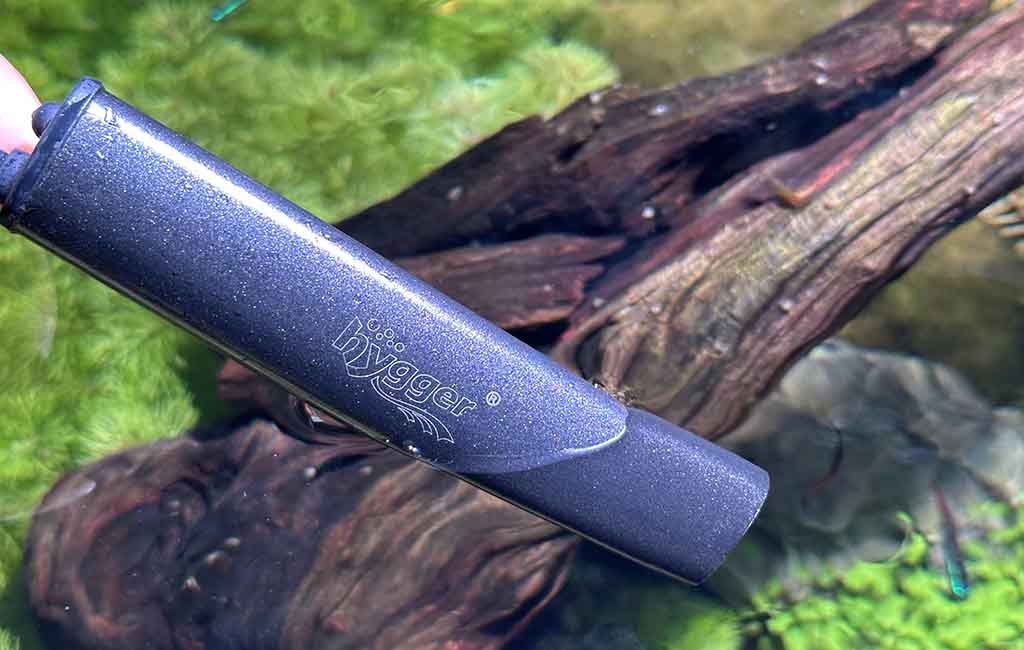
2. Cylinder Aquarium Volume
Cylindrical aquariums are visually appealing but slightly more challenging to calculate due to their circular base. Curved surfaces often create the illusion of a larger water volume than the tank can actually hold. To calculate water volume: measure the internal diameter and height in inches. Divide the diameter by two to find the radius, then apply the formula:
Formula: π × radius² × height ÷ 231 = Gallons (π ≈ 3.14)
Cylindrical tanks tend to lose heat faster because their curved glass exposes more surface area relative to volume. When calculating heater wattage, consider adding 10–20% more power than standard recommendations to compensate for heat loss. Cylinder tanks also make placement of heaters and filters important; placing a heater near a gentle circulation current ensures even heat distribution.
Additional Notes
Some cylindrical tanks are tall and narrow, which increases water pressure at the bottom but reduces surface area for oxygen exchange. In these cases, pairing a heater with a gentle circulation pump improves water movement and maintains uniform temperature.
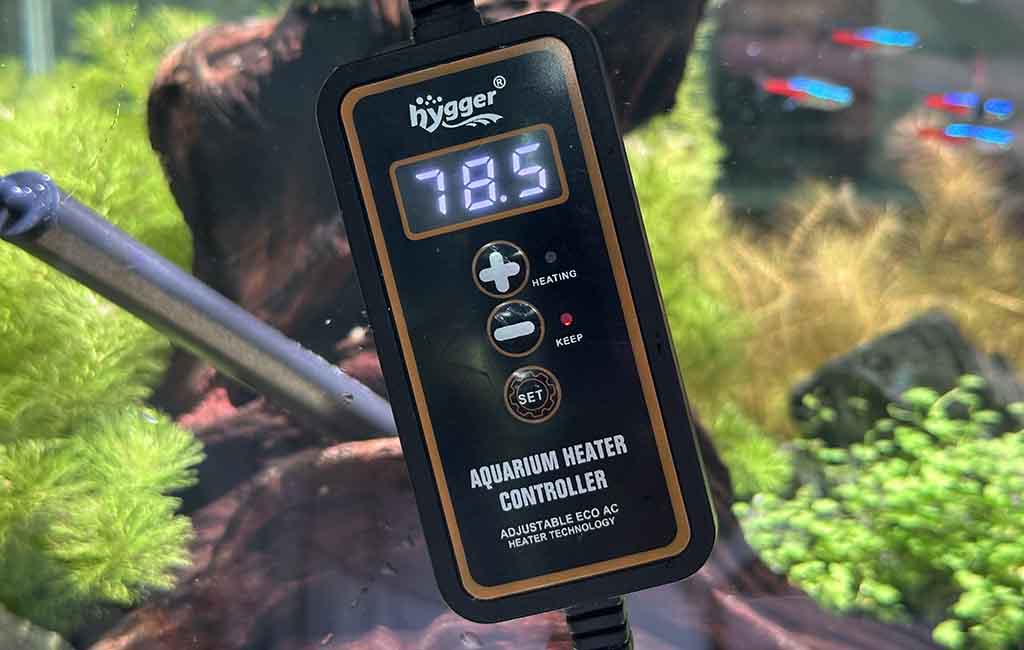
3. Hexagon Aquarium Volume
Hexagon tanks are popular in decorative setups, but their irregular base makes calculations trickier. Begin by measuring one side of the hexagon base and the internal height. The area of a regular hexagon is:
Area: 2.598 × side²
Multiply the area by the height to get cubic inches, then divide by 231 to convert to gallons:
Formula: (2.598 × side² × height) ÷ 231 = Gallons
Many aquarists underestimate hexagon tank volume, which often leads to heater undersizing or overstocking. The tall vertical walls in some hex tanks may increase heat loss through the glass, requiring a slightly higher wattage heater. Hexagon tanks are visually striking, but always double-check measurements, especially if the tank has beveled or slanted sides, which slightly reduce internal water volume.
Practical Tip
Use a water-measuring container to cross-check calculations. Fill the tank incrementally and note the actual gallon amount; this ensures your heater and filtration plans are accurate.
4. Other Aquarium Shapes
Bowfront tanks are essentially rectangular but with a curved front panel. For volume calculation, measure the internal length, width, and height as you would for a rectangular tank, but subtract about 5–10% of volume to account for the curve. Corner tanks often resemble triangles or trapezoids. Calculate their base area first using the appropriate geometric formula, then multiply by height and divide by 231 to get gallons.
Custom or irregularly shaped tanks may not fit any standard formula. In these cases, the most reliable method is to fill the tank with water using a container of known volume.
Keep track of the total gallons added to ensure accurate calculation. This hands-on approach guarantees you know exactly how much water your tank can safely hold and prevents mistakes in equipment sizing.
Importance of Accurate Volume Calculation
Knowing your aquarium’s precise water volume is crucial for many reasons. First, it ensures heaters maintain consistent temperatures without overloading. Second, filtration capacity depends on water volume; undersized filters struggle to maintain water quality.
Third, calculating the correct chemical dosing, such as fertilizers, medications, or water conditioners, requires accurate volume knowledge. Finally, understanding the actual water capacity helps prevent overstocking fish, which can reduce stress and improve overall tank health.
Additional Considerations
- Always account for the displacement of substrate, decorations, and equipment.
- Leave a safe water line below the tank rim.
- Consider heat loss from tank shape, glass thickness, and the presence of a lid.
- In tall or narrow tanks, add circulation devices to ensure even heat distribution.
- Re-check measurements periodically if the tank is moved or refilled, as settling substrate may slightly change water volume.
How Many Gallons of Water Can Your Tank Hold
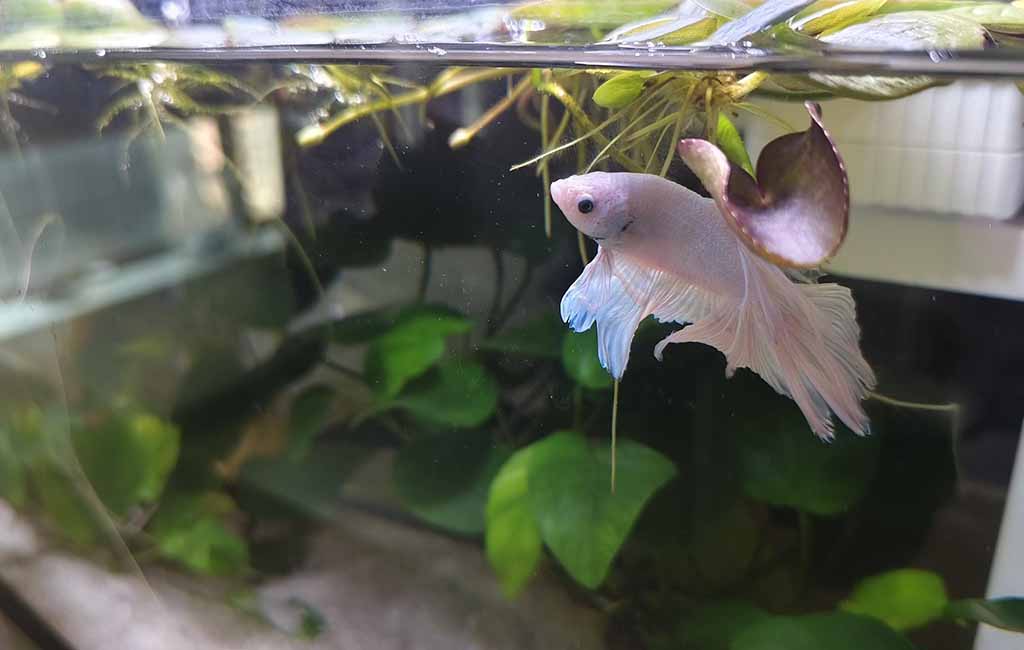
Calculated tank volume represents maximum capacity, not usable water volume. In practice, tanks are never filled to the rim. A safe water line usually sits one to two inches below the top. Substrate, rocks, driftwood, and decorations displace significant water volume. Filters, heaters, and internal equipment also reduce available space.
As a result, actual water volume is often ten to twenty percent lower than calculated capacity. For heater sizing, always use the actual water volume rather than the advertised tank size. This adjustment prevents overheating and improves temperature stability. Understanding real water capacity helps you choose a heater that runs efficiently.
Aquarium Heater Size: Your Fish Tank Needed
Aquarium heater size depends mainly on water volume and the room temperature difference. A general rule suggests using three to five watts per gallon. Tanks in warm rooms may need closer to three watts per gallon. Tanks in cooler rooms or near windows may require five watts per gallon. Tank shape affects heat retention, with tall or curved tanks losing heat faster.
Thicker glass provides better insulation and reduces heat loss. Using a lid or canopy helps trap heat and lowers heater demand. Open-top tanks lose heat quickly through evaporation. External room-temperature swings also affect the heater’s workload. Using two smaller heaters instead of one large heater improves safety and heat distribution. Heater placement near the water flow ensures an even temperature spread.
Examples of Aquarium Heater Size for Fish Tanks
1. Small Rectangular Aquariums
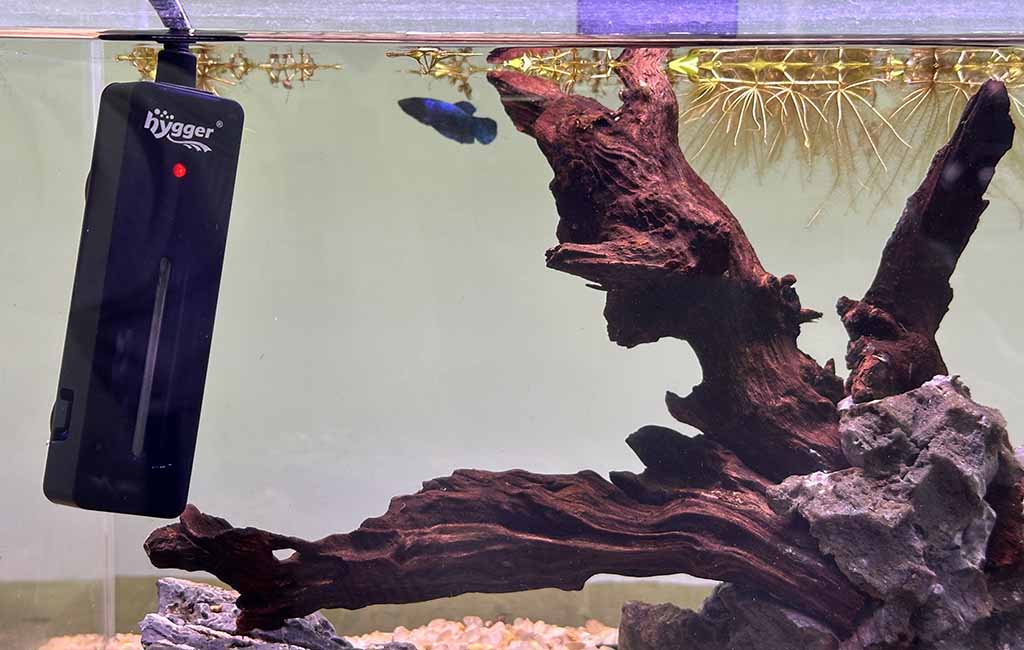
A standard ten-gallon rectangular tank usually needs a 50-watt heater in normal indoor conditions. This size maintains stable temperatures without overheating small water volumes. A twenty-gallon long tank benefits from a 75 to 100-watt heater because the extended length increases heat loss.
2. Medium and Tall Aquarium Shapes
A 30-gallon rectangular tank typically requires a 100-watt heater for consistent warmth. A 40-gallon breeder tank may need a 150-watt heater, especially in cooler rooms. Cylindrical tanks of similar size often require higher wattage due to curved surfaces losing heat faster.
3. Large and Specialty Tanks
A hexagon 30-gallon tank performs better with a 150-watt heater because of its vertical height. Large 50-gallon tanks work best using two 100-watt heaters or a 200-watt heater for even heat distribution and safety.
Additional Tips About Aquarium Heater Size Choosing
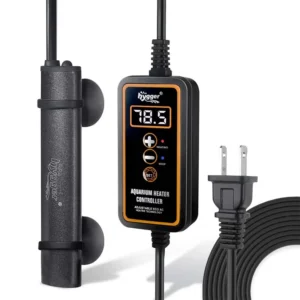
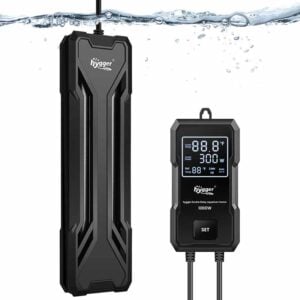
Always choose heaters with built-in thermostats for safety and accuracy. Digital heaters provide more precise temperature control than analog models. Place heaters near filter outlets for even heat distribution. Avoid placing heaters near the substrate where debris can accumulate. Check the heater length to ensure proper fit inside your tank. Use heater guards if you keep large or aggressive fish.
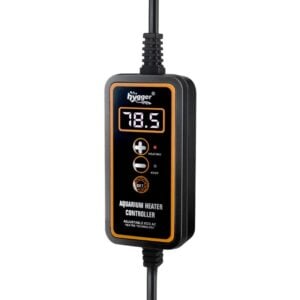
Regularly test water temperature with a reliable thermometer. Replace old heaters every few years to prevent failure. Avoid oversized heaters in small tanks because they can overheat water quickly. Consider using temperature controllers for advanced setups. These tips help extend heater life and protect your fish.
Rounding Out the Discussion
Aquarium heater sizing does not need to be confusing or stressful. Once you understand tank shape, volume, and real water capacity, the process becomes simple. Accurate volume calculations lead to better heater selection and stable temperatures.
Tank shape, glass thickness, lids, and room temperature all play important roles. Using proper formulas and realistic adjustments protects fish from temperature swings. A correctly sized heater runs efficiently and lasts longer. When in doubt, slightly oversizing with safety controls works better than undersizing. Proper heating supports healthy fish behavior, strong immunity, and long-term aquarium success.
Related Products


Leave a comment