
Many aquarium enthusiasts discover the joy of keeping vegetable-eating fish in their tanks. These herbivorous species bring unique behaviors and fascinating feeding habits to home aquariums. Unlike carnivorous fish that require protein-rich diets, these gentle grazers thrive on plant matter. Vegetable-eating fish help control algae growth while adding vibrant colors to aquatic environments.
Content Table
Their dietary preferences make them relatively easy to feed with readily available vegetables. Understanding their nutritional needs ensures these fish live long, healthy lives in captivity. This article explores everything you need to know about keeping vegetable-loving fish successfully.
vegetable-eating fish
Do Fish Eat Vegetables
Natural Herbivorous Tendencies in Fish
Yes, many fish species do eat vegetables and plant matter as their primary food. In natural habitats, herbivorous fish graze on algae, aquatic plants, and vegetation constantly. Their digestive systems have evolved specifically to break down plant-based materials efficiently and effectively. Some fish are strict herbivores, while others are omnivores that include vegetables in their diets.
The length of their digestive tract typically indicates their dietary preferences quite clearly. Herbivorous fish possess longer intestines that allow thorough digestion of fibrous plant materials. This adaptation enables them to extract maximum nutrition from the vegetation they consume daily.
Benefits of Plant-Based Diets for Fish
Fish eat vegetables because plant matter provides the essential nutrients, vitamins, and fiber they need. Vegetables supply important vitamins like A, C, and K that support immune function. Fiber from vegetables aids digestion and prevents constipation common in aquarium fish today. Plant-based diets help maintain healthy gut bacteria, improving overall digestive health significantly.
Many vegetable-eating fish require these nutrients to maintain their vibrant colors and patterns. Without adequate plant matter, herbivorous fish may become malnourished despite eating regularly every day. Providing vegetables mimics their natural diet, promoting natural behaviors, and reducing fish stress levels.
herbivore fish
What Are Vegetable-Eating Fish in Aquariums
Defining Herbivorous Aquarium Fish
Vegetable-eating fish in aquariums are species that primarily consume plant-based foods and algae. These herbivores have specialized teeth designed for scraping algae and tearing plant materials. Their mouths are typically positioned for grazing on surfaces or nibbling vegetation effectively.
Herbivorous fish play important ecological roles in aquariums by controlling excessive algae growth. They help maintain balanced ecosystems, preventing algae from overwhelming tanks and blocking light. Many popular aquarium species fall into the herbivore or omnivore category naturally.
Herbivores Versus Omnivores in Aquariums
True herbivores require diets consisting of at least seventy to eighty percent plant matter. Omnivores incorporate both plant and animal proteins, showing more dietary flexibility than herbivores. Understanding this distinction helps aquarium keepers provide appropriate nutrition for their fish species. Herbivorous fish may struggle or become ill if fed primarily meat-based foods.
Their digestive systems cannot efficiently process high-protein carnivorous diets without experiencing health problems. Providing adequate vegetables prevents nutritional deficiencies and supports their natural digestive processes effectively.
Vegetable-Eating Fish Species in the World
Freshwater Herbivorous Fish Species
Numerous freshwater fish species have evolved as dedicated vegetable-eaters in their natural habitats. Plecos, particularly species like the bristlenose, consume massive amounts of algae and vegetables. Silver dollars are entirely herbivorous, requiring constant access to plant-based foods throughout the day. Pacus, relatives of piranhas, surprisingly prefer fruits, nuts, and vegetables over meat entirely.
Grass carp were specifically introduced in many regions to control aquatic vegetation growth. Tilapia species feed primarily on algae and aquatic plants in lakes and rivers. These fish demonstrate diverse adaptations for processing tough, fibrous plant materials efficiently.
Vegetable-Eating Fish Species
Marine Herbivorous Fish Species
Saltwater aquariums also host impressive vegetable-eating fish with unique adaptations and colorful appearances. Tangs and surgeonfish are renowned algae grazers, constantly picking at rocks and surfaces. Rabbitfish possess venomous spines but maintain peaceful herbivorous diets of algae and plants. Parrotfish use beak-like teeth to scrape algae from coral, producing sand as a byproduct.
Blennies, particularly species like the lawnmower blenny, excel at controlling hair algae. Angelfish species often include significant plant matter alongside their varied omnivorous diets regularly. These marine herbivores add both beauty and functional benefits to reef aquariums.
Peculiarities of Vegetable-Eating Fish
Vegetable-eating fish exhibit fascinating behavioral peculiarities that clearly distinguish them from carnivorous species. Many herbivores graze continuously throughout the day rather than eating in distinct meals. Their constant grazing behavior helps them extract sufficient nutrition from low-calorie plant matter. Some species, like silver dollars, live in schools and feed together cooperatively.
Herbivorous fish often display less aggressive feeding behaviors compared to predatory carnivorous fish. Their peaceful nature makes them excellent community tank residents alongside other compatible species. Many develop specialized relationships with certain plant types, showing distinct preferences for vegetation.
Common Vegetables to Feed Herbivore Fish
Best Vegetables for Aquarium Fish
Several vegetables provide excellent nutrition for herbivorous fish and are readily available everywhere. Zucchini is a top choice, offering soft texture and high nutritional value. Cucumbers provide hydration and fiber, making them ideal for most vegetable-eating species. Peas support digestive health and can help relieve constipation in aquarium fish.
Spinach delivers iron, vitamins, and minerals essential for maintaining vibrant fish colors. Lettuce, particularly romaine, offers variety, though it has lower nutritional density overall. Broccoli provides vitamin C and fiber,r but should be fed in moderation. Carrots supply beta-carotene that enhances red and orange coloration in fish.
vegetables for herbivore
Proper Preparation Methods for Vegetables
Preparing vegetables correctly ensures fish can digest them easily and extract maximum nutrition. Always wash vegetables thoroughly to remove pesticides, dirt, and harmful chemical residues. Blanching vegetables in boiling water for one to two minutes softens them. Blanching makes vegetables sink, allowing bottom-feeding fish to access them more easily.
After blanching, immediately cool vegetables in ice water to preserve nutrients effectively. Remove skins from cucumbers and zucchini as they can be difficult to digest. Cut vegetables into appropriately sized pieces based on your fish species’ mouth size.
Feeding Guidelines and Best Practices
Use vegetable clips or weights to anchor vegetables, preventing them from floating away. Feed vegetables in the evening, allowing fish to graze naturally overnight, like in nature. Remove uneaten vegetables after twelve to twenty-four hours to prevent water quality deterioration. Rotate different vegetables regularly to provide varied nutrition and prevent dietary boredom.
Start with small amounts when introducing new vegetables to gauge fish interest. Avoid seasoning or adding oils, butter, or salt to vegetables for fish. Organic vegetables are preferable as they contain fewer pesticides and chemical treatments.
Popular Examples of Vegetable-Eating Fish in Fish Tanks
1. Plecostomus Species
Plecos rank among the most popular vegetable-eating fish for home aquariums worldwide. Bristlenose plecos remain small, reaching only four to six inches in well-maintained tanks. They enthusiastically consume algae wafers, zucchini, cucumber, and other vegetables throughout the night. Common plecos grow much larger, sometimes exceeding twelve inches in spacious aquarium environments.
Their armored bodies and sucker mouths make them distinctive and fascinating to observe. Plecos require driftwood in their diet to aid digestion of plant materials. They’re generally peaceful and coexist well with many other community fish species.
2. Otocinclus Catfish
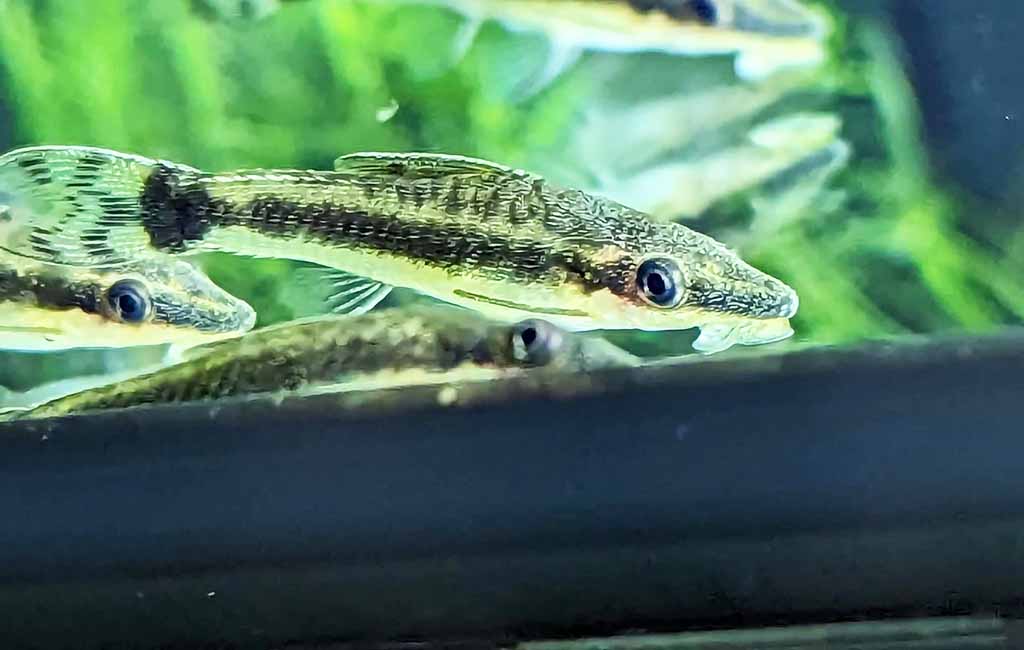
Otocinclus catfish, or “otos,” are tiny algae-eating champions perfect for smaller aquariums. These peaceful fish grow to only one to two inches in length. Otos constantly graze on soft algae, keeping glass and plants remarkably clean.
They prefer living in groups of at least six individuals for security. Supplement their diet with blanched zucchini, cucumber, and specialized algae wafers regularly. Otos are sensitive to water quality changes and require stable, well-established tanks. Their small size and gentle nature make them ideal for peaceful community setups.
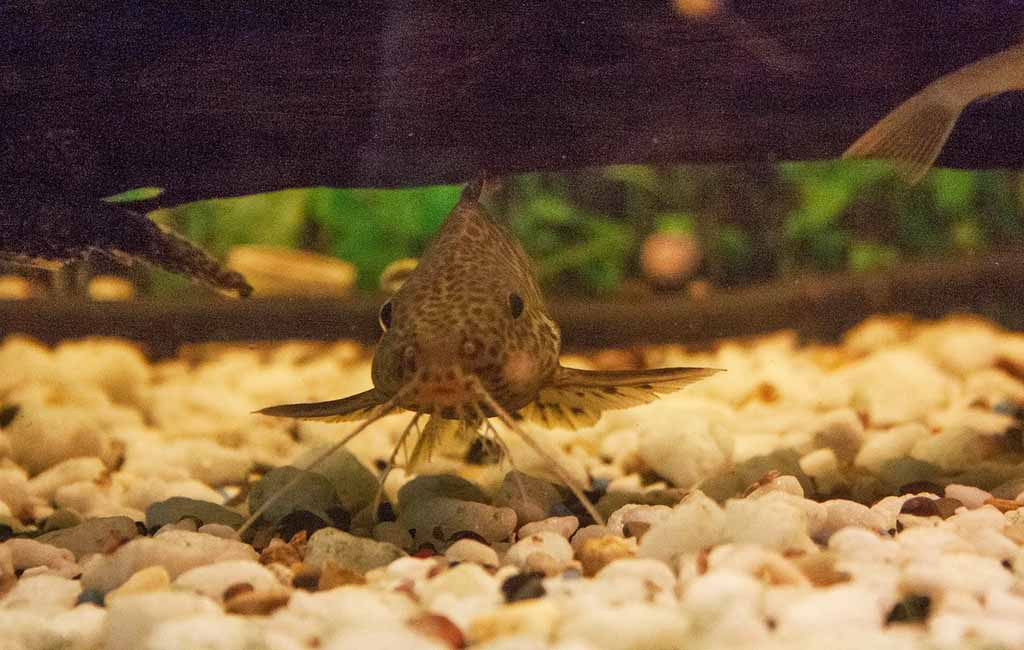
Feed Herbivore Fish
3. Mollies
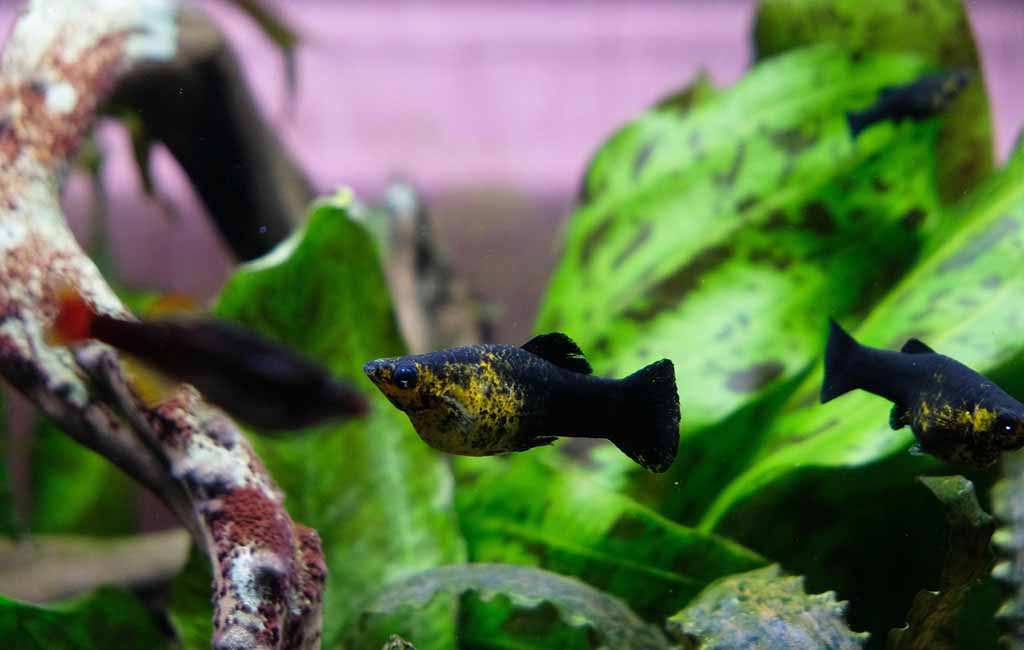
Mollies are popular livebearers that appreciate vegetables as part of their omnivorous diet. These colorful fish actively nibble on algae and readily accept blanched vegetables. Mollies come in various colors, including black, orange, and dalmatian patterns.
They’re hardy, adaptable, and excellent fish for beginners starting their first aquariums. Feed mollies spirulina flakes, blanched spinach, and zucchini to maintain optimal health. Mollies breed readily in aquariums, making them fascinating for hobbyists interested in breeding.
4. Silver Dollars
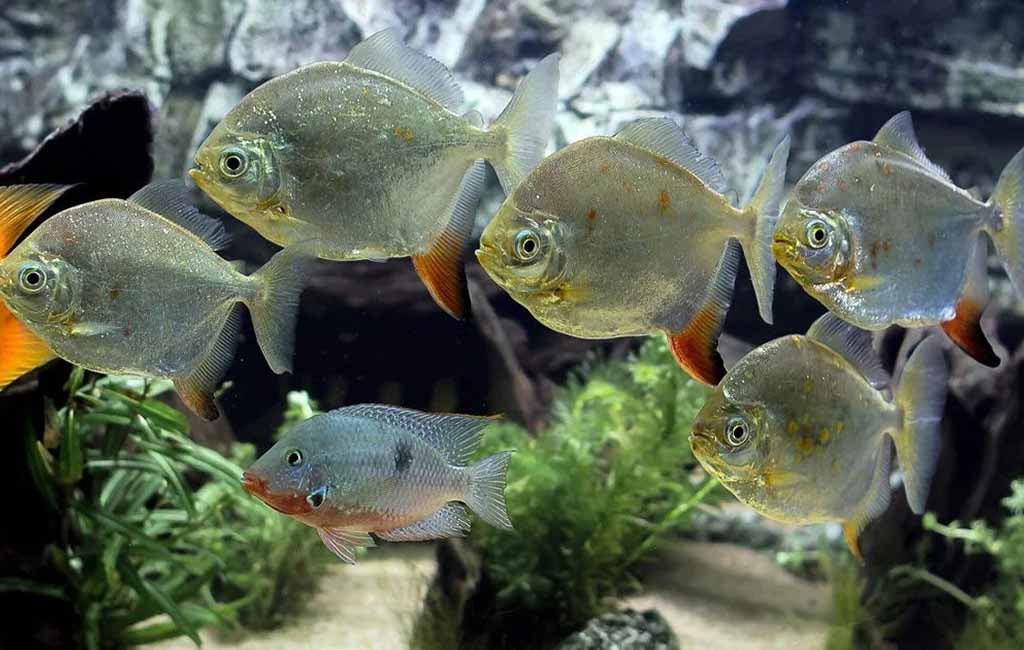
Silver dollars are entirely herbivorous and require substantial amounts of plant-based foods. These peaceful schooling fish resemble their namesake coin in shape and silver coloring. They grow to six inches and prefer living in groups of five or more.
Silver dollars eagerly consume lettuce, spinach, zucchini, and most aquatic plants,s unfortunately. They’re notorious for eating live plants, requiring either fake decorations or fast-growing plants. Despite their plant-eating habits, they’re peaceful and make excellent community tank residents.
5. Siamese Algae Eaters
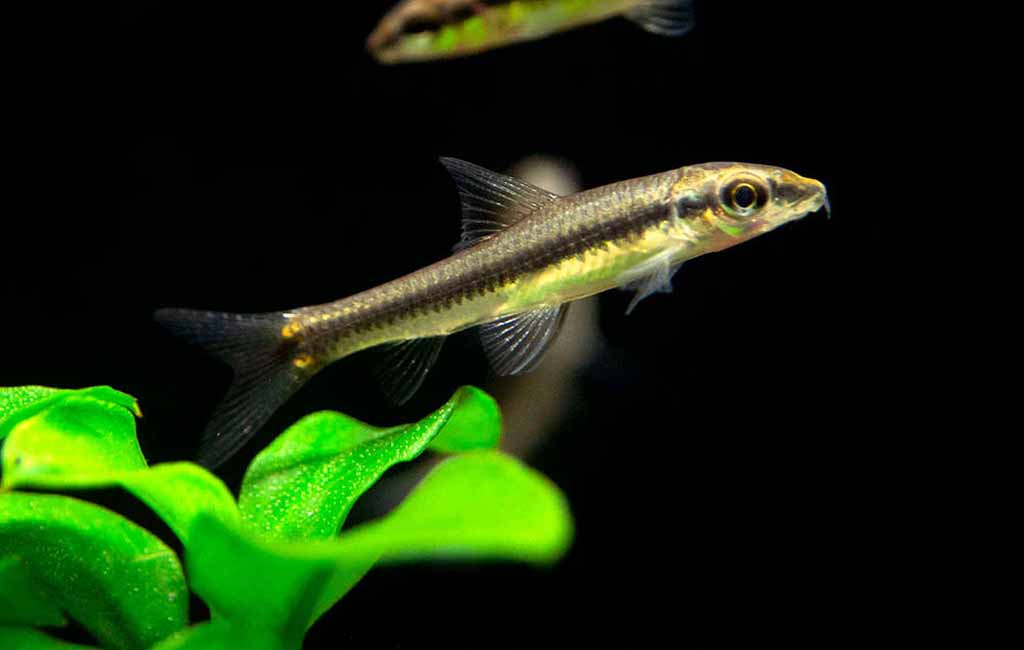
Siamese algae eaters are highly effective at controlling various algae types in aquariums. These active fish grow to approximately six inches and appreciate spacious swimming areas. They consume black beard algae, which many other fish species completely ignore.
Supplement their diet with algae wafers, blanched vegetables, and quality sinking pellets. Siamese algae eaters are peaceful when young but may become territorial as adults. Provide plenty of hiding spots and swimming space to minimize potential aggression.
A Call to Action
Vegetable-eating fish bring natural beauty and practical benefits to aquariums of all sizes. Their peaceful nature and algae-controlling abilities make them valuable additions to community tanks. By understanding their dietary needs, you ensure these herbivores thrive and display vibrant health. Start incorporating fresh vegetables into your feeding routine to witness improved fish vitality.
Research specific species requirements before purchasing to provide optimal care from the start. Create a balanced aquarium ecosystem where vegetable-eating fish can exhibit their natural grazing behaviors. Your commitment to proper nutrition will reward you with healthy, active, beautiful fish.
Related Products

Thank you for this article. I did not know I “should” feed cucumbers to the Otos. I also did know I should have 6, not just 3, in my 37-gallon aquarium.
I have some questions if you don’t mind. How big of a piece of cucumber do I feed the Otos? For example: thumbnail size? How often should I feed cucumbers to the Otos? And, finally, do you happened to know if 6 Otos count against the bio-load? One person in a local aquarium store said I could put 10 Otos in the tank, and the fish still do not count the bio-load. Thank you.