
The substrate is the bottom of an aquarium. It is not merely decorative gravel but one of the components of the tank’s array of life. Nutrient-rich or active vs. inert has long been a bone of contention with many hobbyists. Yet increasingly, people appreciate the simplicity and control of these inert substrates. These products do not alter water chemistry or feed the plants with nutrients, but they bring benefits that make them ideal fits in certain setups, particularly shrimp tanks, low-tech planted aquariums, and aquascapes, where water values must be stable.
Content Table
In this article, we’ll explore what an inert substrate is, the various types available, why it’s used in aquariums, and—most importantly—how to maintain it properly for a healthy and thriving aquatic environment.
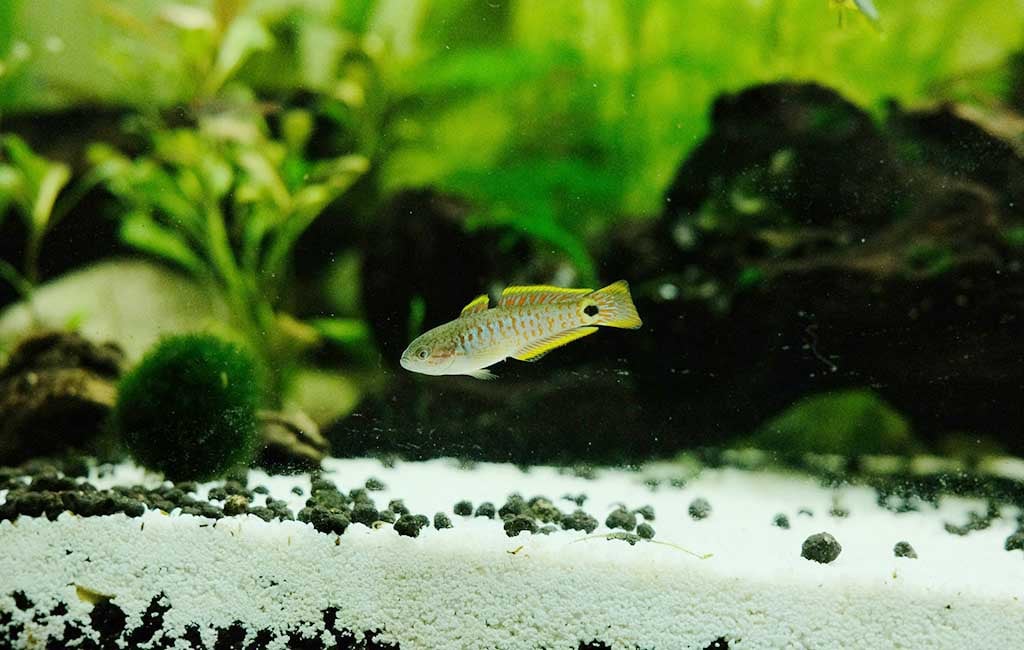
What is an inert substrate
Inert Substrate Meaning
What is Inert Substrate?
An inert substrate refers to any material that does not develop any kind of chemical interaction with water in that aquarium. Inert substrates are neutral in contrast to nutrient or active substrates, which add minerals and nutrients to the water column. They do not raise or lower the pH and hardness, among other meat water parameters. They are a great option when an aquarist desires to have complete control over tank chemistry by doing liquid dosing and external fertilization.
Pros of Inert Substrate:
- Stability: It doesn’t affect pH or hardness, making it perfect for sensitive species like shrimp that prefer consistency.
- Control: Nutrients are added externally, allowing precise control over plant feeding.
- Longevity: Inert substrates don’t break down over time like some active soils, offering a longer functional lifespan.
- Aesthetics: Many inert substrates come in a variety of natural and aesthetic colors to match aquascaping styles.
Cons of Inert Substrate:
- No built-in nutrients: Plants need external fertilization (root tabs or liquid fertilizers).
- Slow plant growth: Especially in high-tech planted tanks, unless heavily supplemented.
- Limited buffering: No buffering capability for water parameters, which may not be ideal in some cases.
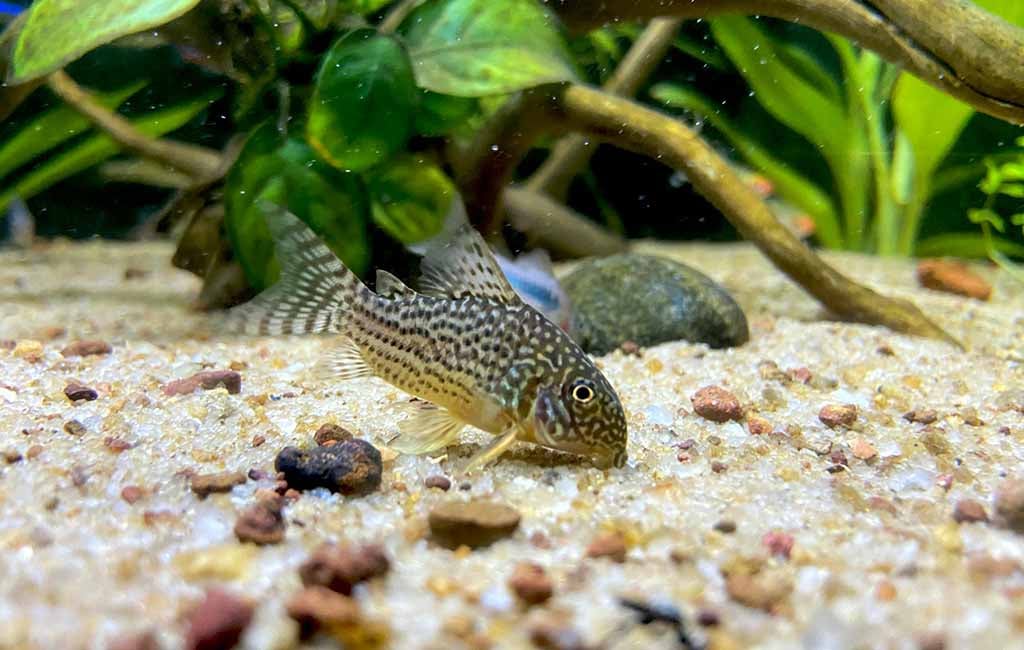
inert substrate
Types of Inert Aquarium Substrate
The inert substrate is not one size fits all. Depending on tank type and aesthetics several types are employed.
- Gravel
In beginner and community tanks, gravel is common. It provides both convenience and hassle-free care. Gravel tends to consist of quartz, granite, or basalt. It is available in a variety of sizes, from small pea gravel to large decorative stones. It is available in its natural hues or in colors that are added. Because of their larger size, the rocks allow water to flow through the substrate with relative ease. This does not let heavy gases build up and fosters aerobic bacterial colonies.
- Sand
Aquarists seeking a natural riverbed often turn to sand. Its soft, smooth, fine texture fits most freshwater and brackish environments. It is ideal to keep with other fish species such as Corydoras, Kuhli loach, and freshwater shrimp, which love to sift and burrow through soft substrate. Widely used common inert sands are pool filter sand (based on silica), blasting sand, and aquarium-specific white or black sand. These sands are also chemically inert. This means that they will not alter the parameters of water, which is a good quality in shrimp tanks or a pond with soft water species.
- Clay-Based Gravel
Among the most popular inert or semi-inert substrates for planted aquariums are clay-based. Although some have some biological activity, it still ranks among the most commonly chosen clay-based media. They are porous and fired clay or volcanic minerals substrates that provide a rough texture that can anchor plant roots.
They do not leach nutrients into the water column. But their porous surface can absorb and retain nutrients added to the water column via dosing. So, they work very well with root feeders when used with root tabs or liquid fertilizers. They do not degrade like aqua soils and can last long. Their biological filtration is also very good due to their large surface area, where the beneficial bacteria can grow.
- Glass Beads or Ceramic Substrates
Elegant and more modern is glass beads or ceramic balls commonly seen on nano aquascapes or shrimp bowls. They are completely inert and easy to clean, but do not have the porosity or texture required to allow root growth or bacterial colonization. These substrates work best in tanks with sparse plant life—or even no plant life at all—or in those that furnish their décor with artificial plants. They can likewise serve in breeding tanks in which maintenance simplicity and visibility are paramount.
- Crushed Lava Rock
Another natural, inert material and highly porous material is Crushed Lava Rock. It can be added as a bottom layer in larger tanks or under the decorative gravel to increase its filtration capacity. The irregular surface will enable the tank to colonize quickly with nitrifying bacteria to boost nitrogen cycling.
It can, however, be sharp, so it cannot be used in tanks with soft-bellied or burrowing fish unless a softer layer, such as sand, is used over it. Lava rock also contributes to oxygenating the area around plant roots and avoiding substrate compaction with time.
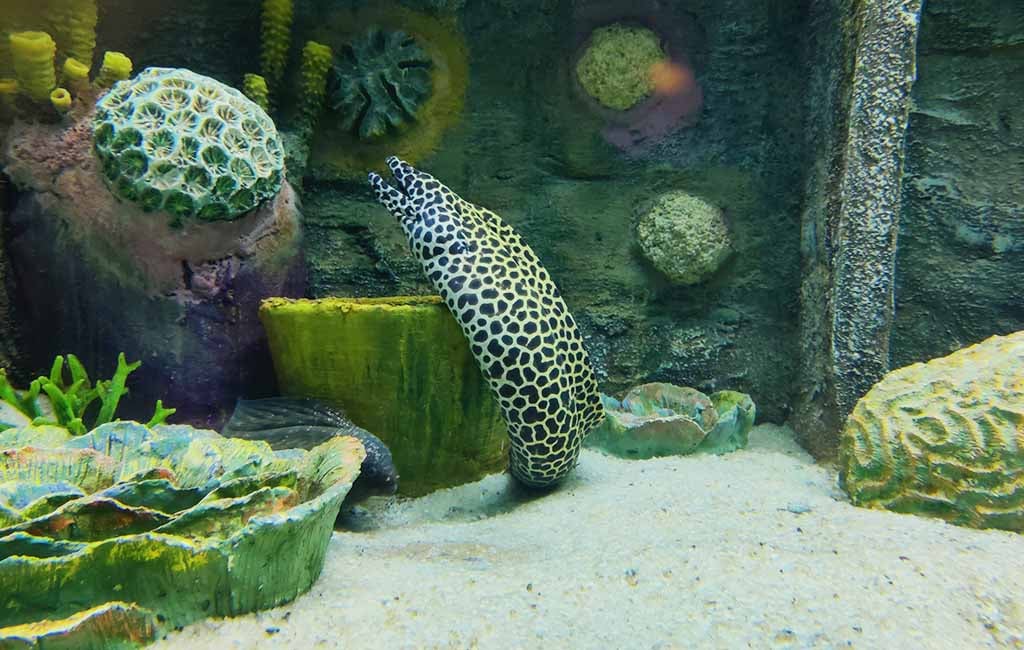
Inert Substrate in an Aquarium
Why Use an Inert Substrate in an Aquarium?
Several practical and ecological reasons exist to choose an inert substrate in an aquarium setup.
- Water Chemistry Balance: Most aquarists wish to avert changes in water parameters. Inert substrates make sure that the water chemistry stays the same, and this is critical to sensitive fish and invertebrates, including Caridina shrimp.
- Flexibility in Fertilization: When you use an inert base, you determine to a tee how much fertilization your plants receive and of what type. This amount of control is significant in high-tech aquariums where precision in dosing may influence the plant’s well-being and algae production.
- Long-term Usage: Inert substrates do not degrade or alter their composition with time. They are a one-time investment that can last for years, provided one maintains them.
- Appearance/Less Disturbance: Inert materials such as fine sand or gravel have the advantage of making shrimp tanks easy to clean and bringing less buildup of organics and waste, especially important in shrimp tanks.
Best Inert Substrates for Planted Tank and Shrimp Tank
There are a few common choices of inert substrate that are rather stable, look great, and are not adverse to sensitive aquatic creatures.
- Porous Clay Gravel
This porous clay gravel is a long-time favorite among planted tank enthusiasts. Available in natural, red, black, and dark varieties, it adds visual depth while offering excellent anchorage for plant roots. Although Flourite does not provide immediate nutrients, it absorbs liquid fertilizers and root tabs efficiently, making it ideal for long-term aquascapes. Its coarse texture also supports beneficial bacteria colonization. However, it can be dusty straight out of the bag, so thorough rinsing is essential before use.
- Pool Filter Sand
The pool filter sand is both cheap and readily available. It consists of uniform, inert silica grains that are non-abrasive to the skin of shrimp and bottom-feeders like loaches and Corydoras. The color is light and, therefore, reflects tank lights on the surface but may also make dirt more visible, and, thus, spot cleaning is important. It compacts better than gravel, and thus, you should occasionally stir it up or include burrowing snails to exclude anaerobic zones.
- Black Diamond Blasting Sand
Black Diamond Blasting Sand is also inexpensive, and it looks good. It consists of coal slag and is jet-black, thus making shrimps and plants appear and stand out, and creating a good contrast. It is inert, and the fine dust has to be rinsed out before use. The grains may settle as sand used in a pool filter, hence users advise them to stir them after some intervals of time. Although it was formulated to be used in industry, when properly prepared, it has been used by aquarists safely over the years.
- Inert Aquarium Gravels
Inert aquarium gravels are costlier and are washed and neutral in pH, in a variety of sizes and natural colors. Their presence makes good water flow through the substrate, helping to avoid dead zones. Combined with root tabs, these will maintain moderate plant growth and crystal clear water. This is ideal in shrimp tanks or simply in bare-bone planted designs. They are also round-edged and safe with shrimp and fry.
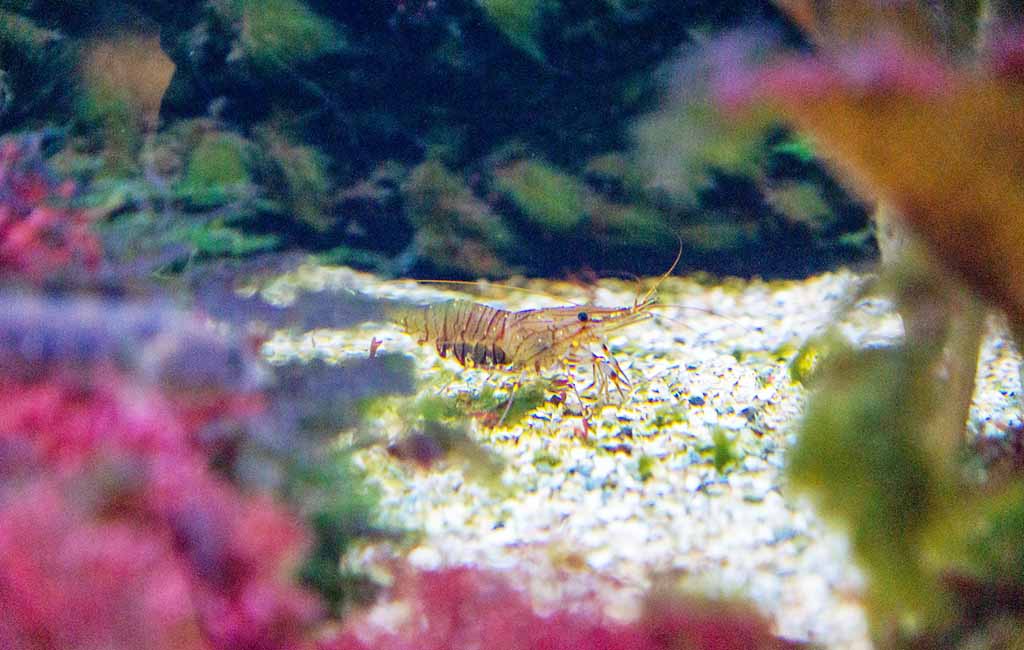
inert substrate maintenance
Inert Substrate Maintenance
Standard care of inert substrate leads to no accumulation of waste and toxins, particularly in tanks with live plants or fragile shrimp.
- Vacuuming and Cleaning
Inert substrates should be regularly vacuumed, unlike the active soils.
- In gravel tanks, a gravel vacuum should be used to get rid of detritus that falls between the grains.
- With sand tanks, glide the siphon very slightly above the surface and raise the debris without removing the substrate itself.
- Preventing Anaerobic Pockets
The fine sand consolidates with time and may contain the waste more deeply. This forms low oxygen regions, which promotes the development of harmful anaerobic bacteria. Gently mix the substrate every two weeks. It is also possible to include burrowing snails and fish.
- Algae and Biofilm
Substrate biofilms can be advantageous in shrimp tanks, as shrimp will feed on them. Nevertheless, an abundance of algae may represent a symptom of nutrient imbalance. Diminish lighting and change dosing when the substrate begins to transform into green areas or clumpy deposits.
- Supplementing Nutrients
Since inert substrates lack nutrients, planted tanks will require:
- Root tabs: For rooted plants like Cryptocoryne and Sword species.
- Liquid fertilizers: To dose the water column with micronutrients and macronutrients.
- CO₂ injection(optional): For faster plant growth in high-tech setups.
- Water Changes
When regular water changes are done, they serve to dilute waste, particularly in tanks that have inert substrates that do not help to slow down toxins or nutrients. Especially in shrimp tanks, small changes over a short period assist them in preventing abrupt parameter changes.
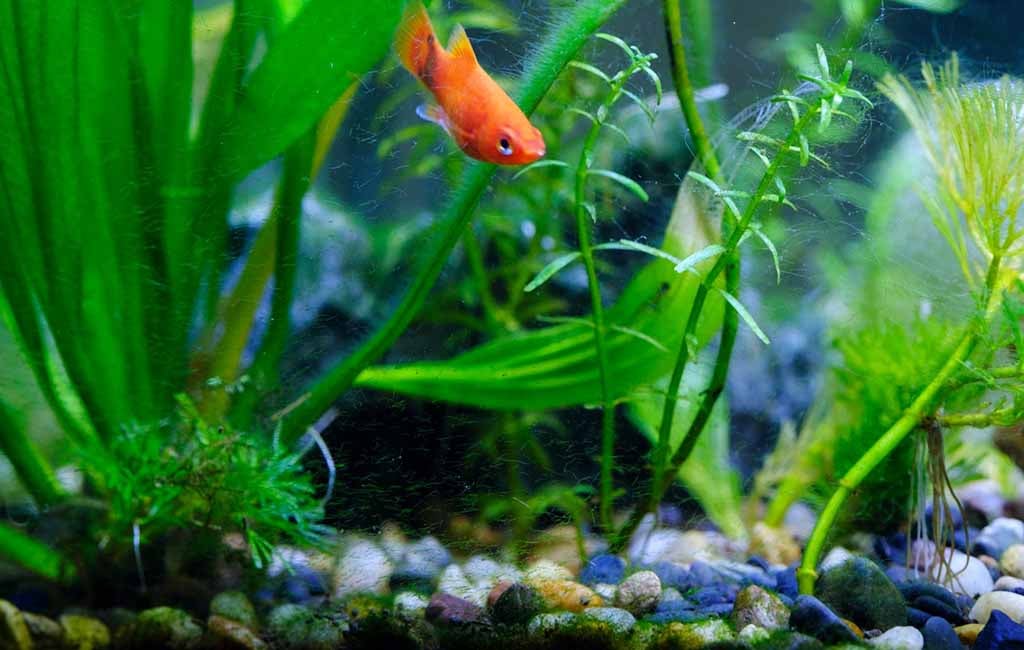
Maintenance of Inert Substrate
Closing Remarks
The predictability and control provided by inert substrates can be priceless to a person who picks aquariums as a hobby and views stability, aesthetics, and a long life span as priorities. They do not bear the same nutrient-rich qualities that active soils do. But their neutrality makes them low-maintenance and versatile. They are appropriate to a very diverse range of tanks, from beautiful shrimp aquariums to minimalistic aquascapes.
The success in the use of inert substrates is a factor of the ability to comprehend their limitations and satisfy the tank’s nutritional requirements by dosing and root feeding. Inert substrates are a reliable, lasting foundation to your underwater world with regular cleaning and some additional attention during fertilization.
An inert substrate can well be the powerhouse you need without the hype. Be it colorful shrimp colonies you maintain, a low-tech planted tank you grow, or just a clean and customizable foundation to house your fish.
Related Products


Leave a comment