
So you want to fill your reef tank with LPS corals. Good choice. They are colorful, dramatic, and watching them sway under the current is honestly one of the more satisfying things about keeping a reef tank. But here is where many beginners trip up: they go too fast, add too many, and suddenly the tank is a stressed-out mess.
Content Table
This article breaks down exactly how many LPS corals you should add, what size tank you actually need for LPS corals, and how to know if your corals are doing okay or quietly suffering.
How Many LPS Corals
How Many Species of LPS Coral Are There?
Quite a few, actually. Scientists have identified over 800 species of large polyp stony corals worldwide. These fall under the order Scleractinia and are found across tropical reefs in the Indo-Pacific, the Caribbean, the Red Sea, and the Great Barrier Reef region.
Some of the most popular ones in the hobby include Hammer corals, Torch corals, Frogspawn, Duncan corals, Candy Cane corals, Chalice corals, Elegance corals, and Brain corals. That is just scratching the surface. The variety is wild, which is part of why reef keeping gets so addictive so fast. You go in planning to buy two corals and leave the fish store with six.
How Much PAR Do LPS Corals Need?
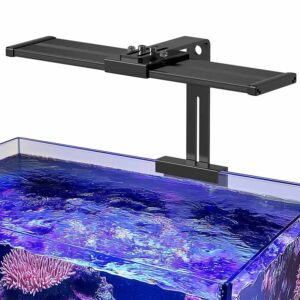
Before you even think about stocking numbers, lighting matters a lot. Get this wrong, and it does not matter how carefully you plan everything else.
Most LPS corals do well in a PAR range of 50 to 150. Some species on the lower end, like Torch corals and Hammer corals, prefer around 50 to 100 PAR. Others, like certain Brain corals, can handle up to 150 PAR without complaining too much. What you want to avoid is blasting them with high-intensity light meant for SPS corals. That is a fast way to bleach them out.
A general rule worth remembering: if your coral is bleaching or turning white, the light is probably too strong. If it is looking dull, brown, or deflated even after acclimation, it might need a bit more light. You adjust and watch. That is kind of the whole hobby in a sentence.
fish tank size for LPS corals
Fish Tank Size for LPS Corals
This part matters more than people expect. LPS corals grow. Some of them grow a lot. Here is a rough breakdown of suitable tank sizes for various LPS species:
- 20 to 30 Gallon Tanks
Good for smaller, slower-growing LPS like Duncan corals, small Hammer coral frags, and single-head Torch corals. Do not try to pack in too many species at this size. Water parameters swing fast in small tanks, and LPS corals are not fans of instability.
- 40 to 75 Gallon Tanks
A much more comfortable range. You have room for multiple species, better flow distribution, and more stable water chemistry. Frogspawn, Candy Cane corals, and small Brain corals do well here alongside a few other specimens.
- 90 to 120 Gallon Tanks
Now you are working with real space. Large Hammer colonies, multiple Torch coral heads, bigger Brain corals, and a wider variety of species all fit comfortably. You also have more room to space corals apart, which matters a lot because many LPS corals have sweeper tentacles that sting their neighbors at night.
- 150 Gallons and Up
Pretty much the full menu is available to you. Elegance corals, large Chalice colonies, and multi-colony setups all become realistic options without constantly worrying about space and aggression.
How many LPS corals
How Many LPS Corals Can You Put in a Tank?
Here is where people either get it right or set themselves up for trouble. There is no single universal number, but there is a formula that experienced reef keepers use as a starting point.
A commonly used guideline is to stock no more than one to two small LPS coral colonies per 10 gallons of water in a mature, well-established tank. So a 50-gallon tank could reasonably house five to ten smaller colonies, assuming good filtration, stable parameters, and proper spacing.
But raw numbers are only part of the picture. You also have to factor in:
Aggression and sweeper tentacles. Some LPS corals, especially Hammer and Torch corals, send out long sweeper tentacles after dark that can sting and damage nearby corals. Leave at least 6 inches between aggressive species and their neighbors. Sometimes more.
Flow and placement, LPS corals generally prefer moderate, indirect flow. Placing them in high-flow zones stresses them out and prevents them from fully extending their polyps.
Bioload and filtration. More corals mean more waste. Your filtration system needs to keep up. A skimmer, good live rock, and regular water changes are non-negotiable if you are stocking toward the higher end of that formula.
LPS Corals You Can Add
LPS Corals You Can Add at One Time
Okay, so you know the total number your tank can handle. Now, how many do you actually add at once?
The safe answer is two to three corals per introduction, with at least two to three weeks between additions. This gives your tank time to adjust to the increased bioload and lets you monitor water parameters without scrambling to troubleshoot five new problems at once.
A simple formula that works well: add no more than 10% of your planned total coral stock in any single week. So if you are planning a 20-coral tank eventually, adding two corals per week is a reasonable pace. Slow? A little. But it protects everything already living in there and gives new additions the best shot at a smooth transition.
Also, always quarantine new LPS corals if you can. Two weeks in a small quarantine tank lets you spot pests like Acropora-Eating Flatworms, Nudibranches, or bacterial infections before they ever reach your display tank. It feels like an extra step. It is worth it every time.
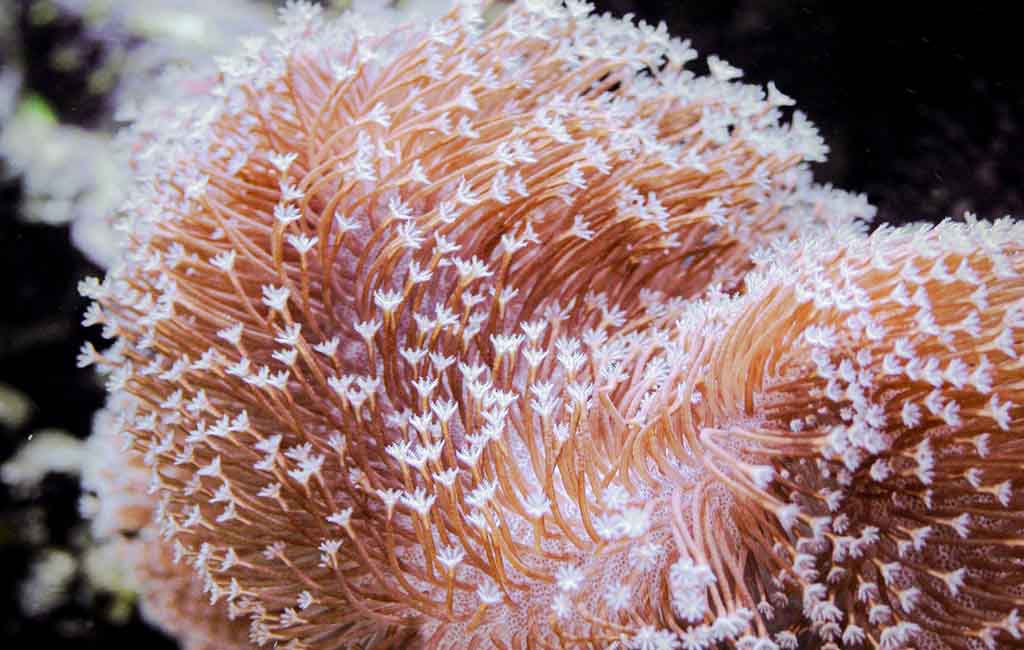
How to tell LPS coral is happy
How to Tell If LPS Coral Is Happy
This is honestly one of the more fun parts of keeping LPS corals. Once you know what to look for, you can read them pretty well.
Signs your LPS coral is happy
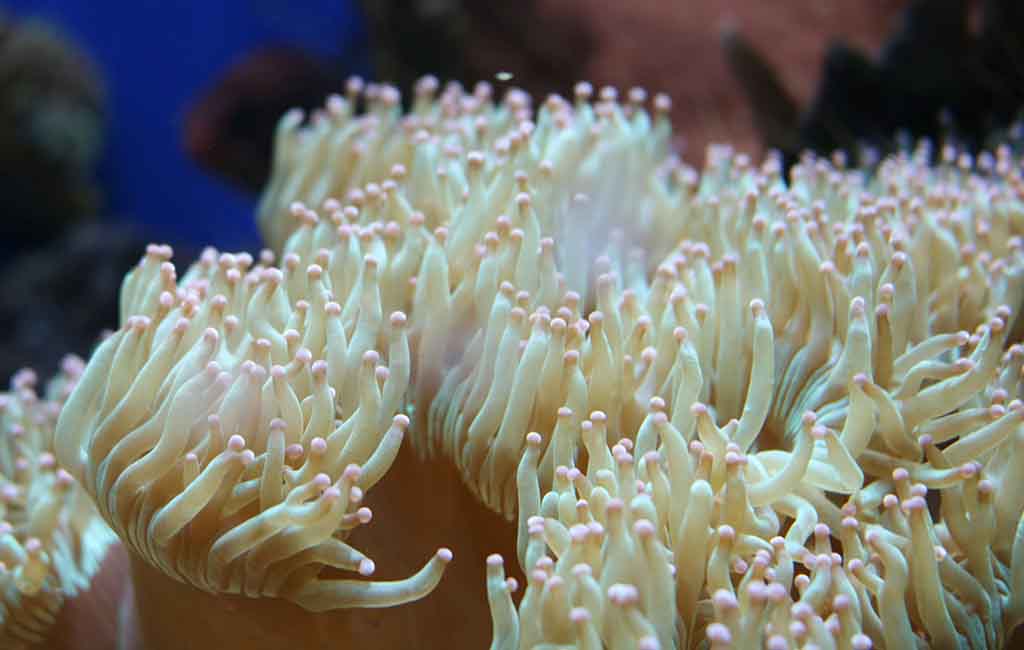
- Full, puffy polyp extension. A happy LPS coral opens up fully, sometimes looking almost inflated. Torch corals get long and flowing, Hammer corals balloon out, Duncan corals look like little colorful flowers.
- Good color Vibrant greens, purples, blues, and even browns (yes, brown can be healthy, it just means the coral has a lot of zooxanthellae) are all positive signs. Pale or white patches are not.
- Regular feeding response. If you target feed your LPS corals and they respond by extending feeding tentacles and actually capturing food, that is a good sign. They are active and doing what they are supposed to do.
Signs something is off
- Retracted polyps for more than a day or two. Some brief retraction is normal after handling or a water change. Extended withdrawal is not.
- Tissue recession. If you start seeing the skeleton exposed at the base or edges, that is a problem that needs attention fast. Check your water parameters, salinity, and lighting intensity.
- Mucus production: A little mucus is normal. A lot of mucus, especially combined with a bad smell, usually points to a bacterial issue or a parameter spike.
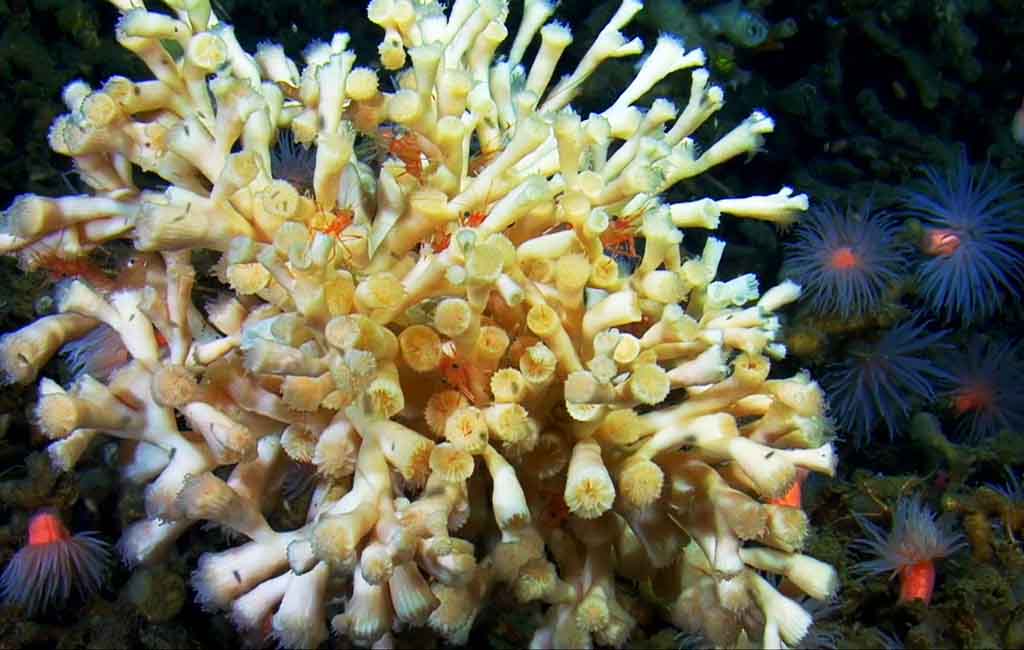
How to Tell If LPS Coral Is Happy
Final Thoughts
LPS corals are genuinely some of the most rewarding things you can keep in a reef tank. They respond to care, they grow visibly, and when a full Torch coral colony is swaying under the current, it is hard to argue that there is a better hobby out there. Just take it slow. Stock carefully, space things out, watch your parameters, and pay attention to what your corals are telling you. They communicate more than you think.
Related Products

Leave a comment