
Life demonstrates remarkable resilience across countless species inhabiting our planet today. Fish exemplify this incredible life force through their extraordinary survival capabilities in aquatic environments. These creatures have evolved sophisticated biological mechanisms over millions of years of adaptation.
Content Table
Their adaptations enable them to thrive in diverse water conditions worldwide. From the deepest ocean trenches to shallow freshwater streams, fish showcase nature’s ingenuity. Understanding their survival strategies reveals fascinating insights into biological adaptation and persistence. This exploration highlights why fish remain such successful and enduring life forms.
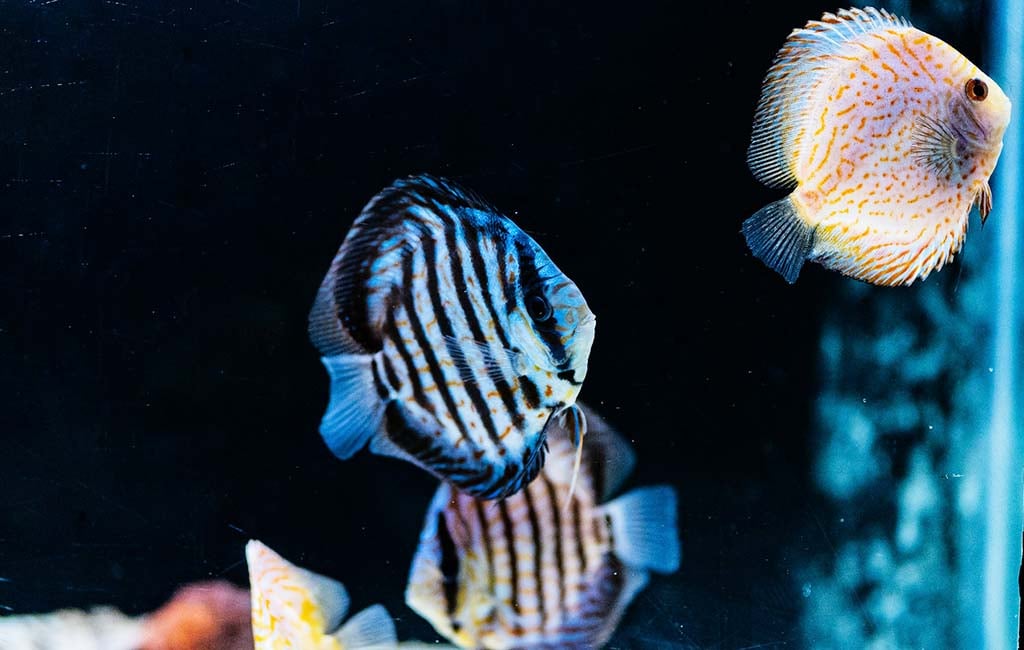
fish surviving
Things That Help Fish Survive in the Water
Physical Adaptations for Aquatic Life
Fish possess specialized anatomical features that enable their aquatic existence and survival. Gills extract dissolved oxygen directly from water, allowing fish to breathe underwater continuously. Swim bladders function as internal flotation devices, helping fish maintain buoyancy at different depths. Streamlined body shapes reduce water resistance, making water highly efficient and graceful.
Scales provide protective armor against predators, parasites, and various environmental hazards in water. Lateral lines detect vibrations and pressure changes, alerting fish to nearby threats or prey. Fins offer precise control over swimming direction, speed, and stability in strong currents.
Behavioral and Physiological Survival Mechanisms
Beyond physical adaptations, fish have developed remarkable behavioral strategies for survival in water. Many species can regulate their body temperature to match the surrounding water conditions effectively. Osmoregulation allows fish to maintain proper salt and water balance within their bodies.
Some fish enter dormancy states during unfavorable conditions, conserving precious energy until improvement occurs.
Camouflage abilities help numerous species blend seamlessly with their aquatic surroundings for protection. Schooling behavior provides safety in numbers, confusing predators and significantly improving survival rates. These combined adaptations demonstrate why fish thrive in virtually every aquatic habitat on Earth.
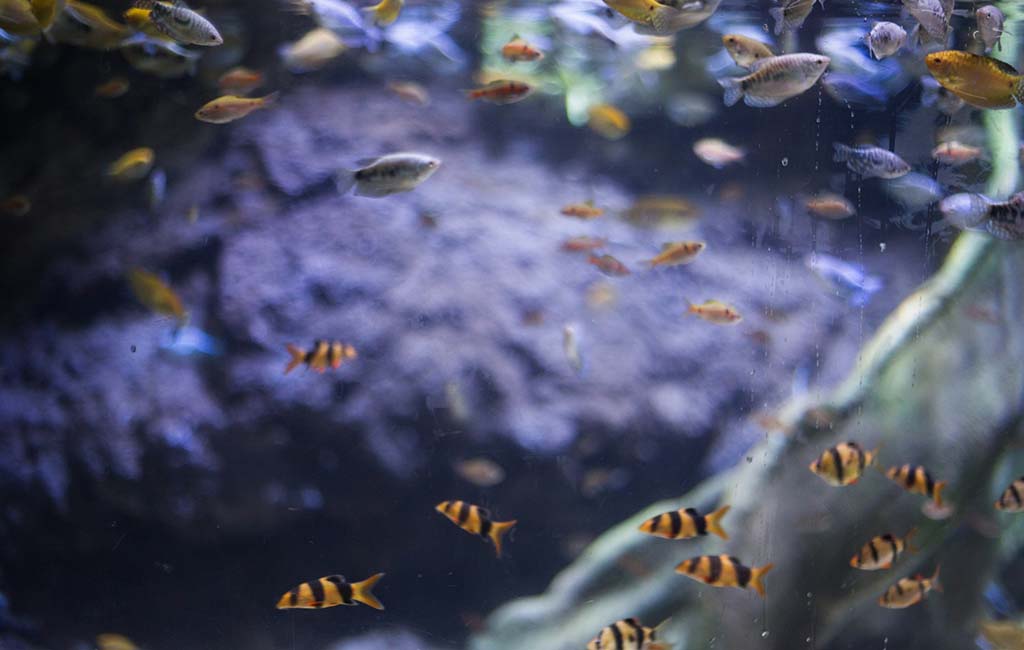
How long can a fish survive out of water
How Long Can a Fish Survive Out of Water
Typical Survival Times Without Water
Fish survival out of water varies dramatically depending on species and environmental conditions. Most fish can survive only minutes outside their aquatic environment before experiencing fatal suffocation.
Gills collapse without water support, preventing effective oxygen absorption from the air around them. Moisture loss accelerates rapidly on land, causing fatal dehydration in most fish species quickly. The transition from water to air creates immediate physiological stress for aquatic organisms.
Species With Exceptional Air-Breathing Abilities
However, certain fish species have evolved remarkable adaptations for temporary exposure to air. Lungfish can survive months out of water by breathing air and entering estivation. Mudskippers actively move on land, using modified fins and specialized breathing mechanisms effectively.
Walking catfish can travel overland for extended periods during severe drought conditions. Bettas gulp air from the surface, allowing brief survival outside their water environment. Even typical aquarium fish might survive five to ten minutes if kept moist.
The key factor remains keeping gills moist, which significantly extends their survival time. Temperature, humidity, and individual health also influence how long fish can endure outside water. Generally, fish should return to water immediately to prevent permanent damage or death.
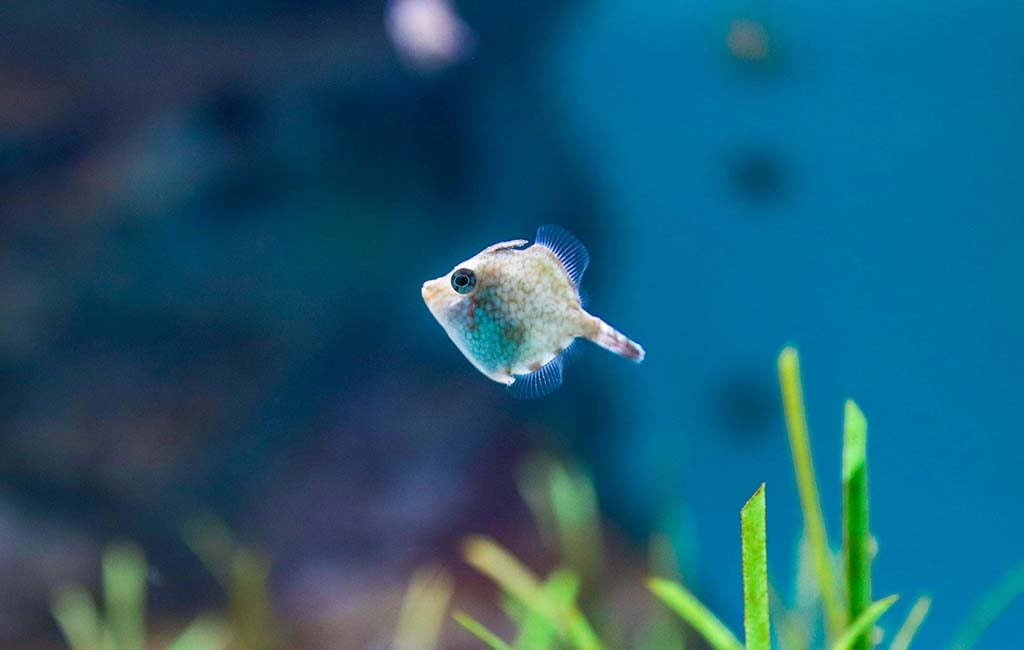
How Long Can Fish Survive Without Food
How Long Can Fish Survive Without Food
Fasting Tolerance in Aquarium Fish
Fish demonstrate impressive fasting abilities, surviving extended periods without food in their tanks. Healthy adult fish can typically survive 2 to 3 weeks without any feeding. Their metabolism slows considerably during food scarcity, conserving valuable energy stores very efficiently. Species, size, age, and health status all influence individual fasting tolerance quite significantly. Larger fish generally survive longer without food than smaller, more juvenile specimens do.
Species-Specific Fasting Capabilities
Cold-water fish have slower metabolisms, enabling them to fast longer than most tropical species. Goldfish can survive approximately 2 weeks without food under proper tank conditions. Bettas typically last about 2 weeks as well, though stress accelerates their decline. Guppies and small tropical fish survive roughly 1 to 2 weeks at maximum.
Wild fish naturally experience seasonal food scarcity, adapting to natural feast-or-famine cycles effectively. However, prolonged starvation weakens immune systems, making fish vulnerable to disease and infections. Young, growing fish require regular feeding and tolerate fasting poorly compared to adults.
Maintaining Health During Absences
Water quality remains crucial during fasting periods, as poor conditions accelerate health deterioration rapidly. While fish survive weeks without food, regular feeding maintains their optimal health levels. Automatic feeders help maintain consistent feeding schedules during owner absences quite effectively today.
Overfeeding before extended absences harms water quality and doesn’t actually improve survival rates. Moderate, consistent feeding schedules support long-term health better than irregular feast-and-famine patterns do.
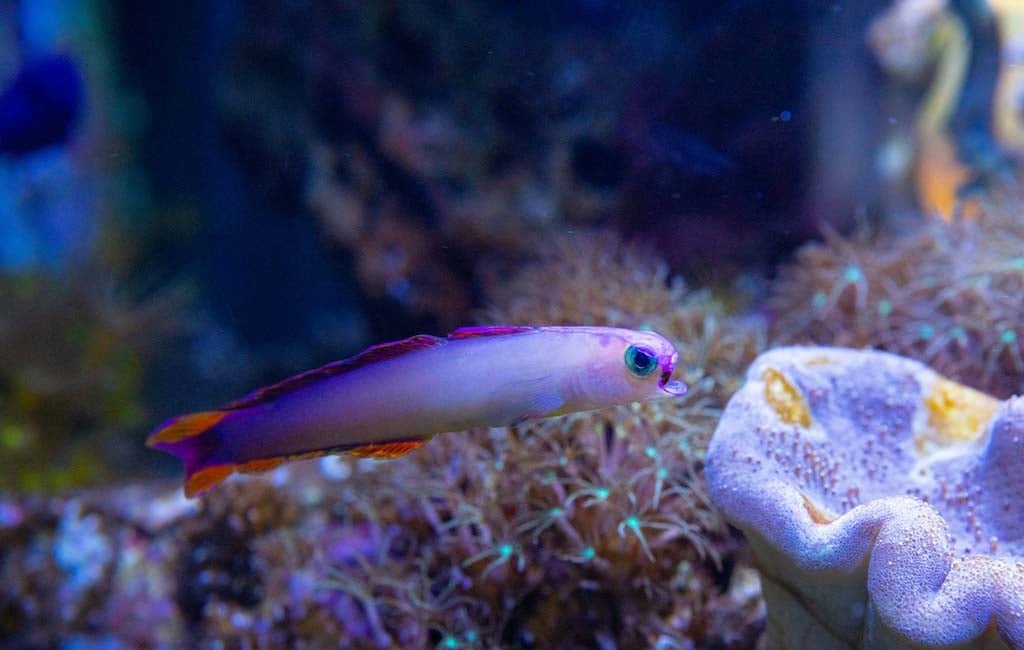
Key Factors for Fish Survival
Key Factors for Fish Survival
Water Quality Parameters
Water quality represents the most critical factor determining fish survival and overall health. Dissolved oxygen levels must remain sufficient for respiration, varying significantly by species requirements. Temperature directly affects metabolism, immune function, and overall physiological processes in all fish. pH levels influence biological functions, with each species thriving in its specific range. Ammonia, nitrite, and nitrate levels must stay within safe parameters constantly for survival.
Environmental and Social Factors
Adequate space prevents overcrowding, stress, territorial conflicts, and dangerous waste accumulation in tanks. Proper filtration removes toxins and debris, and maintains beneficial bacterial colonies essential for health. Regular water changes dilute accumulated waste products and replenish essential minerals fish need.
Appropriate nutrition provides energy, supports growth, and maintains a strong immune system against disease. Species-compatible tank mates reduce aggression, stress, and injury from territorial disputes significantly.
Enrichment and Disease Prevention
Environmental enrichment through plants, rocks, and hiding spots reduces stress levels quite significantly. Consistent light cycles mimic natural day-night rhythms, supporting healthy biological functions in fish. Disease prevention through quarantine procedures protects established populations from dangerous new introductions effectively.
Genetic diversity in breeding programs maintains species vigor and adaptability over generations and time. These factors work synergistically, with weakness in one area compromising overall fish survival.
Threats to Fish Survival
Threats to Fish Survival
Environmental Degradation and Pollution
Modern fish populations face unprecedented challenges threatening their survival across ecosystems globally today. Habitat destruction through pollution, development, and deforestation eliminates critical breeding and feeding grounds. Water pollution from agricultural runoff, industrial waste, and plastics poisons aquatic environments severely.
Climate change alters water temperatures, oxygen levels, and disrupts long-established ecological balances. Ocean acidification from increased carbon dioxide absorption damages coral reefs and vulnerable shellfish.
Human Activities and Invasive Species
Overfishing depletes wild populations faster than natural reproduction rates can possibly sustain long-term. Invasive species introduced through aquarium releases and shipping outcompete native fish for resources.
Dam construction blocks migration routes, preventing spawning and fragmenting populations permanently across regions. Agricultural practices increase sedimentation, smothering eggs and reducing water clarity significantly for fish.
Disease and Climate Impacts
Disease outbreaks spread rapidly in stressed populations with compromised immune systems and defenses. Warming waters force fish to migrate toward cooler regions, disrupting ecosystem relationships.
Coral bleaching eliminates essential habitats that countless fish species depend upon for survival. Chemical contaminants disrupt reproductive systems, reducing fertility rates in wild fish populations significantly. These combined threats require urgent conservation efforts to protect fish biodiversity worldwide.
What helps fish survive
Lasting Impressions
Fish surviving demonstrates truly incredible life force through remarkable adaptations and resilience mechanisms. Their ability to thrive in diverse aquatic environments showcases millions of years of evolution.
Understanding what helps fish survive enables better conservation and aquarium care practices. While fish face mounting threats from human activities and environmental changes today, awareness drives action. By protecting water quality, preserving habitats, and practicing sustainable fishing, we safeguard fish populations. These remarkable creatures deserve our respect, protection, and commitment to their continued survival.
Related Products




Leave a comment