
Maintaining a reef aquarium is a sensitive art that calls for dedication and precision. These tanks’ colorful, bustling environment relies on meticulous care to thrive. Daily renovation rituals are critical for sustaining the fitness and beauty of your underwater globe. Are reef tanks hard to maintain? From tracking water parameters to making sure proper feeding, those ordinary tasks shape the cornerstone of a hit reef aquarium.
Content Table
In this manual, we’re going to delve into the vital daily renovation practices to keep your reef aquarium flourishing, ensuring a harmonious environment for its population even as maintaining a reef tank’s binding splendor.
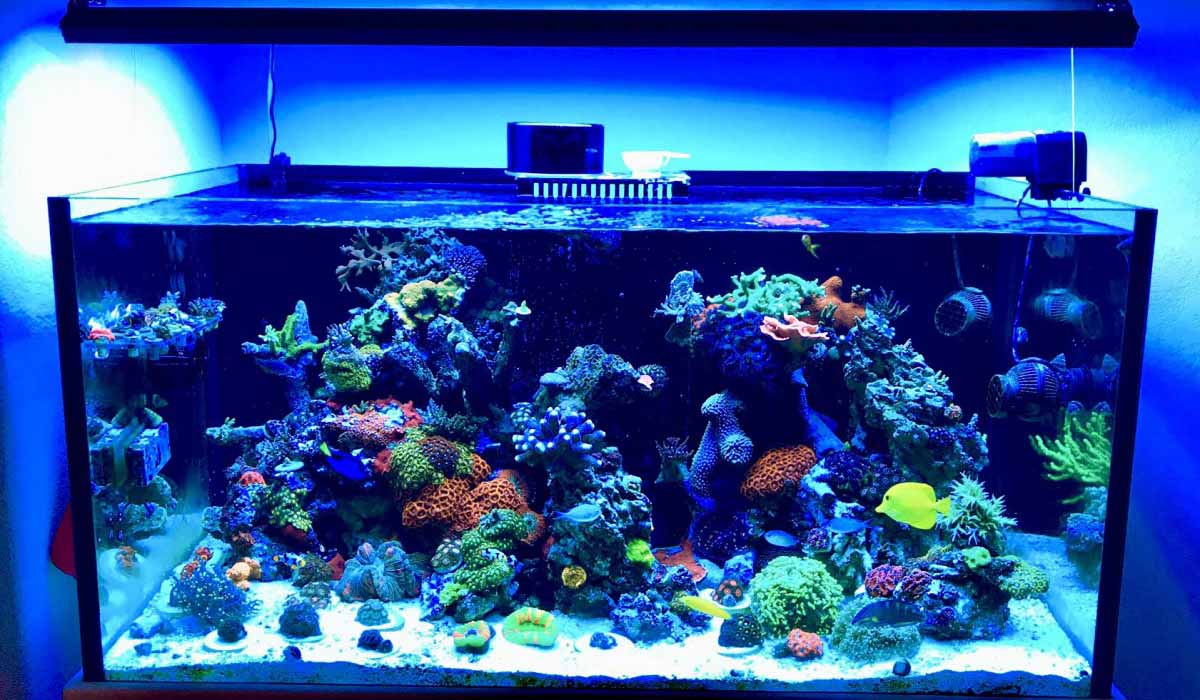
Are Reef Tanks Hard to Maintain
Reef Tank Basics
Reef tanks are particularly popular due to the fact that they house not only fish but also live corals, invertebrates, and other marine organisms. These tanks aim to recreate the situations determined in the ocean, inclusive of precise lighting fixtures, water parameters, and filtration systems. The goal is to provide solid and secure surroundings for the corals and different populations to thrive.
Characteristics of a Reef Tank
Reef tanks are recognized for their vibrant and colorful corals, which create a visually lovely display. Corals are dwelling animals with a symbiotic relationship with tiny photosynthetic algae called zooxanthellae. This relationship allows corals to grow and construct their calcium carbonate skeletons. However, preserving the delicate balance required for healthy corals may be tough.
Maintaining a Reef Tank
To maintain a thriving reef tank, it’s vital to display and hold certain parameters. These include water temperature, salinity, pH ranges, nutrient levels, and lighting intensity. Regular water testing and changes may be important to ensure these parameters remain within the optimum range for the coral boom. Additionally, the right filtration and protein skimming are essential for doing away with waste and retaining water.
Is It Hard to Maintain a Reef Tank
The short answer is no. Previously, preserving a reef tank became regarded as complicated and enigmatic. Saltwater aquariums have been deemed hard because of a lack of understanding and a confined system. However, the brand-new state of affairs is vastly unique. Advancements in generation and a deeper comprehension of marine life necessities have transformed the interest. Quality devices and support merchandise have made reef tank maintenance always greater accessible.
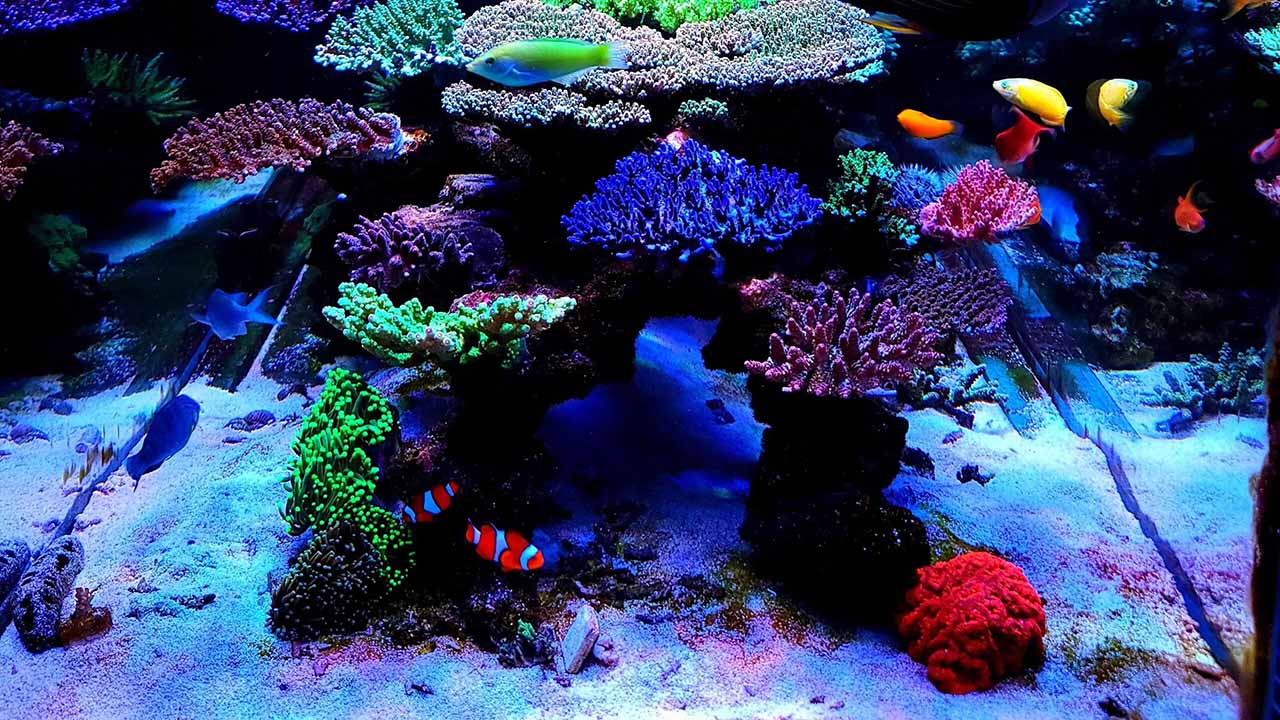
Cleaners Might Use in Maintaining a Reef Tank
Maintaining a reef tank calls for regular cleaning to ensure the health and well-being of the marine life inside it. Several cleaning equipment options can be used to efficiently ease and maintain a reef tank.
- Aquarium Siphon Coral Feeder Kit
One famous preference is the hygger Siphon Coral Feeder Kit. This package includes quite a few cleaning tools along with an algae scraper, a gravel rake, and a plant fork. These gears are specifically designed to clean specific surfaces inside the tank, making it less complicated to remove algae, particles, and other undesirable substances. The hygger 080 kit is durable and clean to use, making it a top-notch option for reef tank cleaners.
- Aquarium Electric Cleaning Brush
Another beneficial cleaner equipment choice is the Aquarium Electric Cleaning Brush. This brush is designed to ease the interior of the tank, mainly tough-to-reach areas, together with corners and crevices. The bristles are gentle and mild, making sure that they won’t scratch the tank or damage marine life. The hygger 086 cleaning brush is likewise smooth to grip and maneuver, making it a handy device for reef tank preservation.
- Some Other Options
In addition to these particular purifier equipment alternatives, other fashionable cleaning tools may be utilized in keeping a reef tank. These encompass siphons for removing excess particles and waste from the bottom of the tank, magnetic algae scrapers for cleansing the glass surfaces, and specialized brushes for cleansing sensitive corals and rocks.
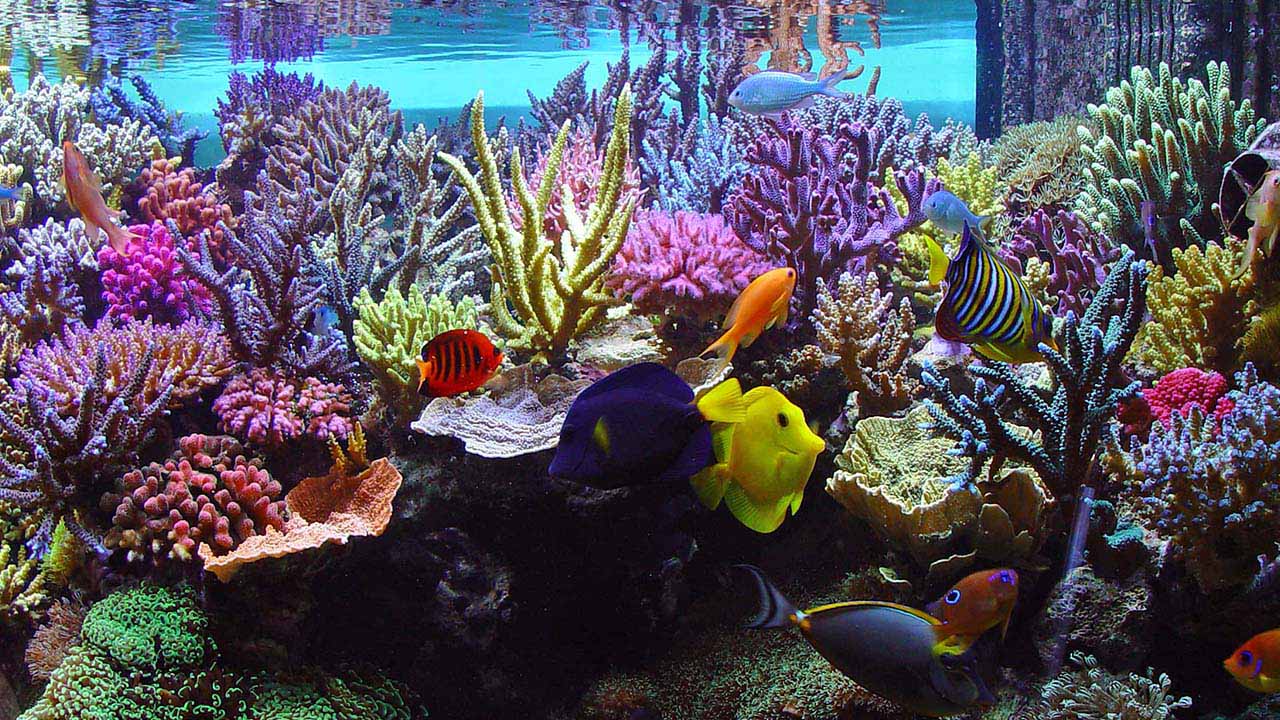
How to maintain a Reef Tank
Maintaining a reef tank, whether it’s an SPS (small polyp stony) reef tank or an LPS (large polyp stony) reef tank, requires ordinary care and attention. Here are a few pointers and steps to help you maintain a healthy reef tank daily.
SPS And LPS Reef Tank Maintenance
| Parameter Stability | Maintain stability in salinity, nitrate, magnesium, calcium, and phosphate. Alkalinity is pivotal; put money into a monitor/controller to ensure consistency. |
| Lighting | Consider high-depth alternatives like 400W steel halides or LED Bluetooth light. SPS thrives below sturdy PAR, favoring the blue wave of the spectrum. |
| Calcium & Alkalinity | SPS corals take in calcium and alkalinity swiftly. Employ a strong supplementation gadget—calcium reactors or a dosing system work nicely. Regularly trying out is important for balance. |
| Adequate Flow | Ensure enough circulation to prevent detritus accumulation, preserve nutrient delivery, and discourage algae boom. Optimal drift mimics herbal reef situations with a wave pump. |
| Nutrient Balance | Maintain a slightly ‘grimy’ tank (nitrates: 2.5-5 ppm, phosphates: 0.03-zero-05). Employ high import (through feeding) and high export (via water adjustments, skimming, and algae reactors) techniques. |
| Patience & Observation | Exercise endurance, this hobby demands it. Regularly observe the tank, carry out device upkeep, and perform frequently with water parameter assessments. |
| Continuous Learning | Expand know-how via studying, enticing experienced reef keepers, and beginning with smaller structures earlier than scaling up. Learning from errors minimizes errors. |
| Stress Avoidance | Minimize disturbances; frequent coping with and rearranging the pressure of each coral and fish. Allow the atmosphere to develop evidently |
| Preparedness | Anticipate curveballs—equip the tank with a dependable controller, prepare for electricity outages, and live proactive with equipment protection to prevent breakdowns. |
Maintain Alkalinity in the Reef Tank
Maintaining alkalinity, pH, and calcium levels in a reef tank is essential for the health and growth of coral and other marine organisms. Numerous methods may be used to achieve and preserve the proper degrees:
- Regular water testing
Regularly take a look at the alkalinity, pH, and calcium levels of your reef tank and the usage of reliable aquarium test kits. This will let you screen any fluctuations and take appropriate action.
- Water changes
Performing regular water changes is an effective way to keep alkalinity, pH, and calcium levels. By changing a portion of the tank water with sparkling saltwater, you may help replenish any depleted minerals and hold solid levels.
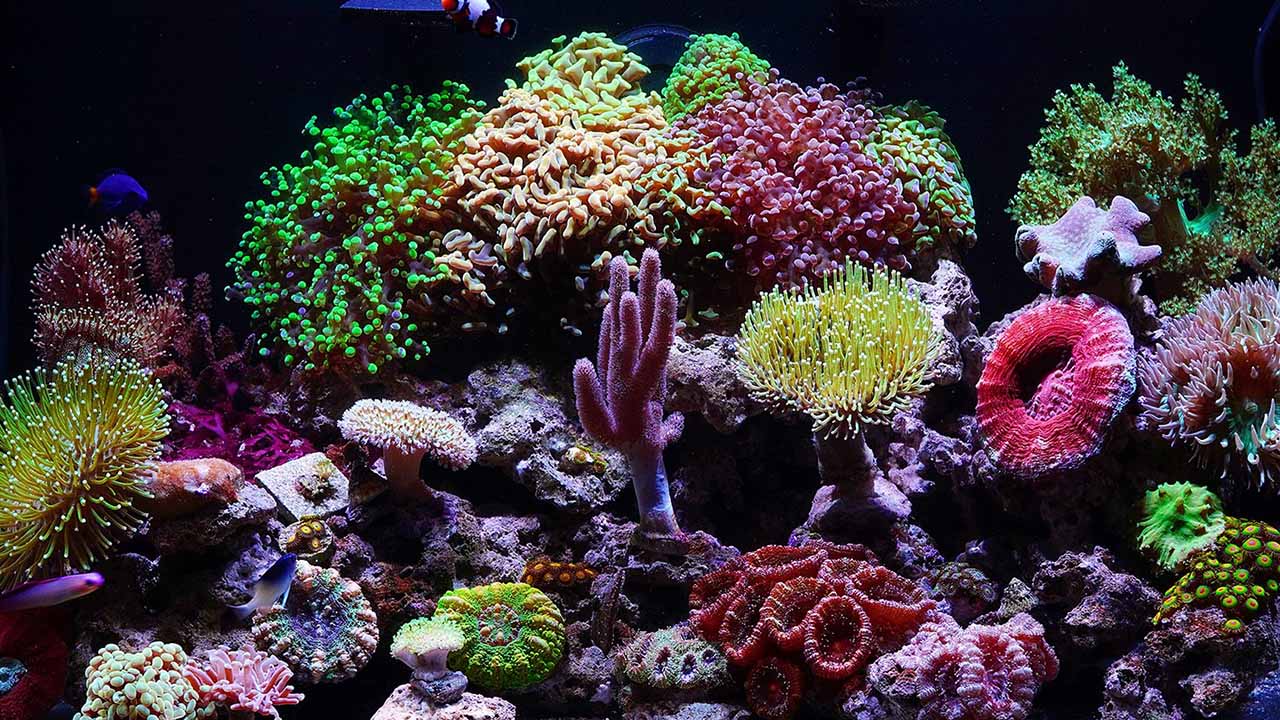
- Calcium reactors
Calcium reactors are devices that help preserve calcium and alkalinity ranges using dissolving calcium carbonate media into the water. These reactors can be adjusted to maintain the favored tiers and offer a regular supply of calcium.
- Kalkwasser dosing
Kalkwasser, or calcium hydroxide, may be dosed into the reef tank to raise alkalinity, pH, and calcium levels. This approach is powerful, but has to be accomplished cautiously, as overdosing can have adverse effects on coral health.
- Balanced feeding and supplementation
Providing a balanced diet to your reef tank inhabitants is essential for retaining proper alkalinity, pH, and calcium levels. Ensure that you are feeding a varied eating regimen that consists of meals rich in calcium and alkalinity. Additionally, supplementing with reef supplements can help hold solid stages.
So, What is Now?
In preserving a reef tank, everyday care is paramount. From monitoring water parameters to using powerful cleansing gear, meticulous interest maintains the environment colorful. Sustaining the delicate balance required for corals and marine life demands willpower. Embracing habitual responsibilities ensures a harmonious, thriving underwater world that captivates with its splendor and power.
Related Products





Leave a comment