
You often see Cryptocoryne plants in planted tanks because they grow reliably. These plants remain stable once they have settled and adapt well to various aquarium styles. Many aquarists love them because they add lush texture without demanding heavy maintenance. You can find small, medium, and large species that fit almost any aquascape. Their slow growth also helps you manage the tank without frequent trimming.
Content Table
You simply need stable water parameters and a nutrient-rich substrate to see healthy development.
This care guide helps you understand the different Cryptocoryne species and provides simple steps for keeping them healthy and strong. You will also learn how to assort them properly and choose the right options for your planted tank.
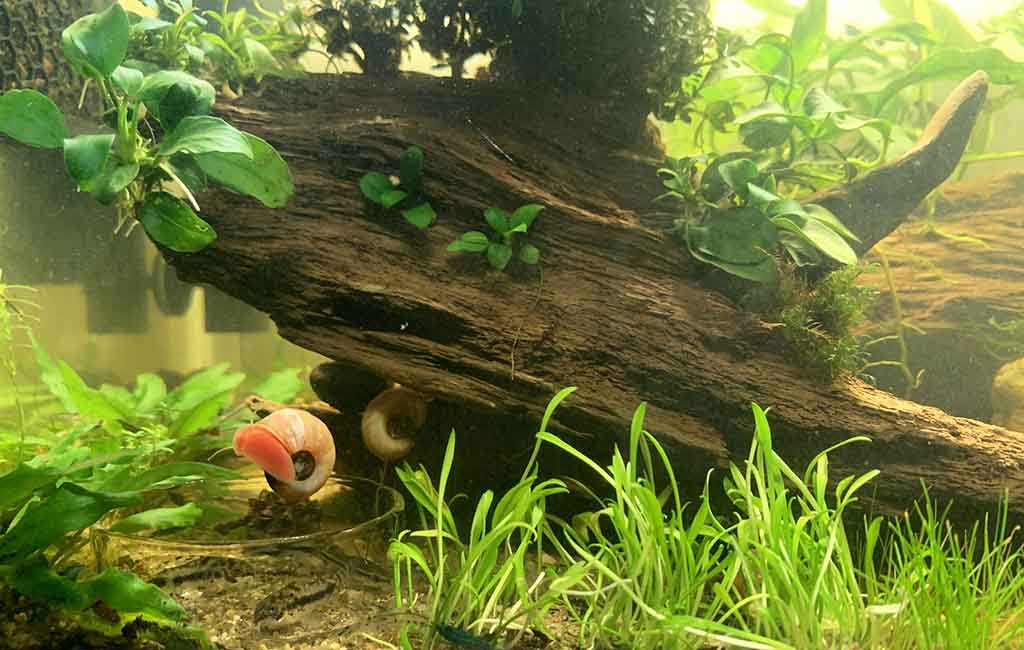
cryptocoryne species
Cryptocoryne Species
Understanding Cryptocoryne Species Profiles
Cryptocoryne plants come from Southeast Asia, where they grow in rivers, streams, and shaded wetlands. They thrive in low-light environments because their leaves are adapted for slow but steady growth. You will find species with wide leaves, narrow leaves, and textured leaves that make each plant visually unique in the tank.
Each species has its preferred water conditions, but most settle into a planted tank when provided stability. They dislike sudden changes, especially in pH or lighting. When stressed, many species melt back to their base. This melting looks scary, but new leaves usually return once conditions stabilize again.
Growth Habits in Planted Tanks
Cryptocoryne plants grow from a central crown and send runners through the substrate. These runners produce new plants, helping you form attractive clusters. Their growth rate stays moderate because they prefer slow nutrient absorption.
You rarely need to prune them heavily, but removing damaged leaves helps them maintain a better shape.
Their roots grow strong and deep over time, pulling nutrients from the substrate more effectively than from the water column. This is why root tabs or nutrient-rich soils work incredibly well with crypts. Once rooted, they become very hardy and remain stable even without CO₂ injection.
How to Assort the Aquarium Cryptocoryne Plants
Arranging Cryptocoryne Species in a Planted Tank
When you assort different Cryptocoryne species, you should consider size, leaf color, and texture. Some species grow tall with wide leaves, while others stay compact. Mixing them randomly often disrupts the visual flow of your aquascape. You get better results when you group plants by size and place them according to tank layout.
You can use taller species like Cryptocoryne spiralis for background planting because their long leaves create gentle movement. Medium-sized species such as Cryptocoryne wendtii work great for midground placement due to their textured leaves and varying colors. Small species like Cryptocoryne parva suit foreground layouts where you need a tidy and low carpet.

Cryptocryne balansae
Extra Tips for Assorting Cryptocoryne Plants
You should keep a slight distance between clusters because their roots expand quickly. Leaving space helps the plants form natural groups without overcrowding. This spacing also prevents nutrient competition during early growth.
Add root fertilizer near each cluster to help them adapt faster. Crypts prefer nutrient-rich roots, so giving each plant its own feeding point supports healthier establishment.
Avoid moving plants after planting because crypts dislike disturbance. Once placed, allow them several weeks to settle before expecting active growth. If you need to rearrange them, you should expect temporary melting as they readjust.
Popular Cryptocoryne Plants for Planted Tanks
1. Cryptocoryne wendtii
This species is one of the most common crypts because it grows reliably. You find it in green, brown, and red variants, giving you multiple options for design. The leaves have a slightly crinkled surface that adds depth to the tank. It grows to medium height, making it perfect for midground zones.
2. Cryptocoryne spiralis
This species grows tall with long ribbon-like leaves. You can place it in the background to create vertical movement. It handles moderate light and stable parameters. Once rooted, spiralis grows quickly compared to other species, but still stays manageable.
3. Cryptocoryne undulata
This species offers slim leaves with gentle waves along the edges. It stays medium-sized and works well for filling spaces between larger plants. It can adapt to low-light tanks and still maintain a healthy shape.
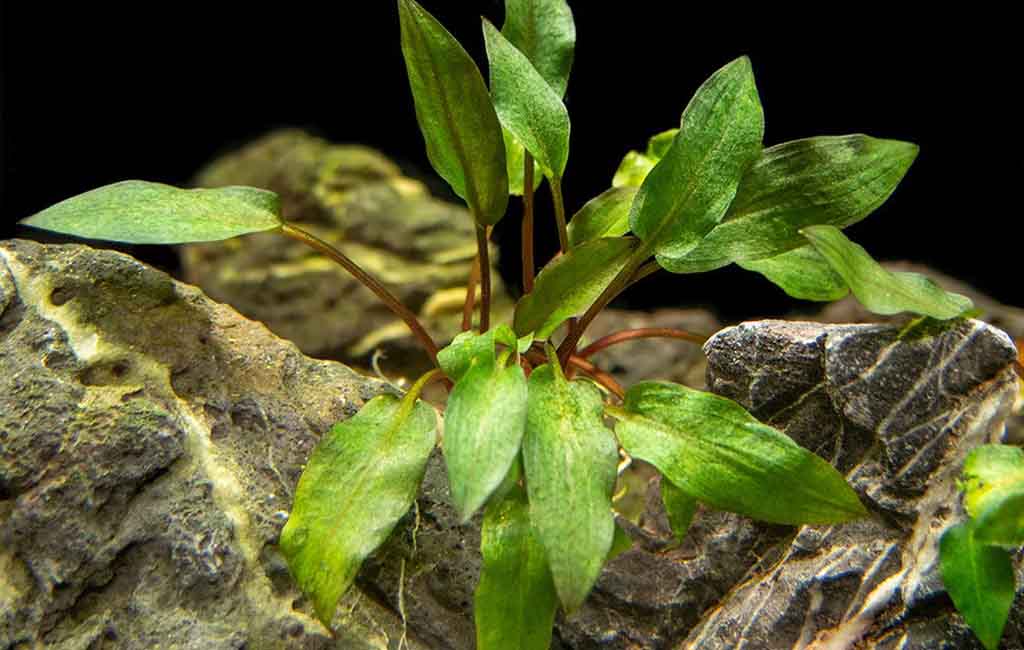
cryptocoryne wendtii
4. Cryptocoryne balansae
This is a tall species with long and textured leaves that look beautiful in large aquariums. You need a deeper substrate because the roots become strong and large. The leaves develop hammered patterns that give your aquascape a unique look.
5. Cryptocoryne parva
This species is the smallest crypt available and stays very compact. Aquarists use it for foreground carpets because it forms neat, low clusters. It grows slowly but becomes dense when given good substrate conditions.
6. Cryptocoryne lucens
This species grows small to medium and has bright green narrow leaves. It looks clean and produces runner plants easily. You can use it for forming tidy green borders in the tank.
Growing the Smallest Cryptocoryne Species
What Is the Smallest Cryptocoryne Species?
The smallest species in this genus is Cryptocoryne parva. This plant stays only a few centimeters tall and forms a grass-like cluster. It is ideal for aquarists who want a simple foreground plant without high maintenance.
Unlike other crypts, parva does not change shape or leaf structure much under different conditions. It keeps its upright and tidy form while growing slowly across the substrate.
How to Plant Cryptocoryne Parva in Planted Tanks
You should separate each parva plant into small portions before planting. Planting individual pieces helps each portion root comfortably and spread outward. Push the roots gently into the substrate and avoid covering the crown.
Parva grows extremely slowly, so patience becomes important. You must provide strong nutrition at the roots because this species absorbs nutrients primarily from the substrate. Use nutrient-rich soil or root tabs placed close to each cluster.
Light should stay medium for better growth. Low light works, but slows growth further. CO₂ is optional, but it helps the plant produce new leaves more consistently. With enough stability, parva forms a small carpet that adds clean structure to your aquascape.

Growing the smallest cryptocoryne
Cryptocoryne Species Assorted Care
1. Water Parameters
Cryptocoryne plants prefer stable conditions more than specific parameters. You can keep them in a pH between 6.2 and 7.5. Hardness should stay moderate because extreme hardness may slow growth. Temperatures between 23°C and 28°C works best for most species.
2. Lighting Requirements
Crypts do well in low to medium light. High light may cause leaf burn or algae buildup on slow-growing leaves. Keeping moderate light helps the plants maintain better color and steady growth.
3. Substrate and Root Nutrition
A nutrient-rich substrate is extremely important for crypts. These plants feed more through their roots than through water. If your tank has an inert substrate, you should place root tabs around each cluster. Replenish these tabs every two to three months for consistent nutrition.
4. Fertilization Routine
Cryptocoryne species usually require minimal water-column dosing. You should provide micronutrients weekly to prevent leaf deficiencies. Iron supplements help some species maintain richer color. Avoid large changes in fertilization because crypts respond negatively to sudden shifts.
5. CO₂ Support
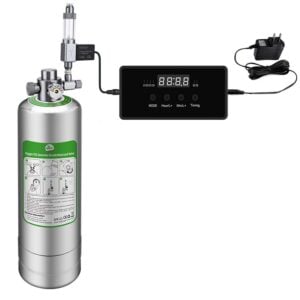
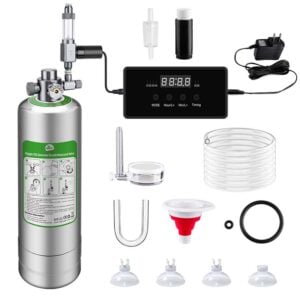
CO₂ is optional but beneficial. It improves growth stability and faster recovery from melting. Without CO₂, crypts still survive, but growth remains slower. With CO₂system, colors often appear richer, especially in varieties like wendtii red and wendtii brown.
6. Handling Crypt Melt
Crypt melt is a common stress response where leaves suddenly break down. This happens after large water changes, major replanting, lighting shifts, or substrate disturbance. If your plant melts, you should avoid panicking. Leave the roots undisturbed because new leaves usually appear within weeks. Stable parameters help recovery.
7. Trimming and Maintenance
Crypts rarely need trimming except when removing dead or damaged leaves. You should cut leaves close to the crown without pulling. Pulling the leaf may disturb the root system, causing stress. Removing damaged leaves helps the plant focus on new growth.
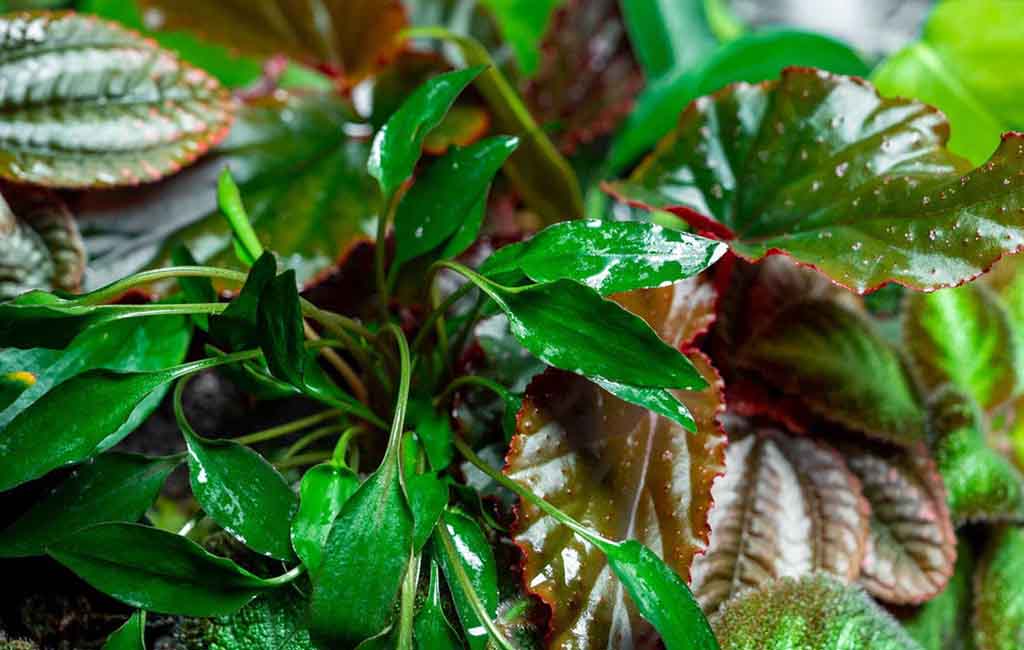
Cryptocoryne species assorted care
Parting Thoughts
Cryptocoryne plants give you reliable beauty and structure in your planted tank. You get many species that fit different sections of your aquascape, whether you need large textured leaves or small compact clusters. Their slow growth helps you maintain stable layouts without constant trimming.
You simply need steady parameters and nutrient-rich substrates for healthy development. Assorting them becomes easy when you understand their size and growth behavior.
When placed thoughtfully, these plants improve your tank’s look while staying easy to care for. With patient adjustments and stable routines, your assorted Cryptocoryne collection thrives for years and continues to enhance your aquascape naturally.
Related Products


Leave a comment