
Aquarium fish can brighten home aquariums with their beauty, though they may experience problems, like spinal deformities or a bent spine, which can change their appearance and actions. Of the most popular aquarium animals, zebrafish (Danio rerio) have a reputation for always moving and being tough. What should you do if the curved spine suddenly appears in one of your zebrafish? Is the condition scoliosis? How to treat bent zebrafish? Let’s see what happens when zebrafish have spinal deformities and if there is any chance of recovery.
Content Table

zebrafish bent spine
Spinal Deformities in Fish
Spinal problems in aquarium fish occur when there is an unnatural curve or misalignment of the fish’s backbone. A visible sign is the way the stroke is reflected by an S-curve, C-curve, kinks, or in general by the swimmer’s stiffness. Deformities can occur naturally in animals (at birth). But some may arise because of bad water, lack of proper nutrition, various disease infections, or genetic problems.
Deformities can hinder a fish’s ability to swim, search for food, and live. When the spine is badly bent, it may harm organs, reduce the fish’s ability to move, or even shorten it to live a shorter life. If you have fish, being able to spot the early signs and know what causes them is the first thing you should focus on.
What Is a Deformed Zebra Danio?
Zebra danios are small and striped, and they are appreciated for being hardy and active. The spinal curvature of a deformed zebra danio is often distorted. An unusually common deformity in fish is scoliosis, a sideways curvature seen as an S-shaped distortion in the fish.
Symptoms of zebrafish bent spine include:
- A visibly bent or curved body
- Difficulty swimming in a straight line
- Reduced activity or sluggish movement
- Loss of appetite
- Favoring one side or swimming lopsided
- Growth stunting (in younger fish)
You should tell apart fish that grow normally a little uneven from those showing obvious signs of a problem. If there is a sudden difference in your zebrafish’s shape or stance, it should make you concerned and encourage you to find out more.

Scoliosis in Zebrafish
What Causes Scoliosis in Zebrafish?
Zebrafish may develop scoliosis because of factors found in their environment, the nutrients they consume, and their genetics. It is important to discover the main condition to give the proper treatment. There are mainly these causes for a zebrafish curving to one side:
1. Genetic Defects
Genetic abnormalities in some zebrafish cause them to develop problems with the spine at birth. You can see these issues as early as the fish’s childhood, and they may get worse with age. Some congenital scoliosis develops because of damage to genes that control bone growth or collagen. Fish that breed in mass-breeding spots or closed populations face more danger. Because their genetic diversity is lower. When breeders are responsible, the number of heritable injuries can be lowered.
2. Poor Nutrition
If fish lack vitamin C (ascorbic acid) or calcium, vitamin D3, or phosphorus, bone and cartilage problems may result. A diet low in nutrients can cause young, growing zebrafish to develop deformed or very soft vertebrae. Over time, flake foods can lose their nutrients, which is why switching to supplements or giving your pet fish live or frozen food is necessary.
3. Infections
Some chronic bacterial diseases, including Mycobacterium marinum or Aeromonas hydrophila, can result in vertebral inflammation and changes in shape over a period. Minor wounds are usually how these bacteria enter the body, and they may not always show obvious signs right away. A sign of infection in fish is an overall drop in weight, slow movement, and bent spines. It is necessary to use a microscope or do water testing to diagnose a bacterium. Antibiotics are necessary for preventing infections in community fish, but it is usually difficult to give these drugs to the fish.
4. Parasites
Infections by nematodes and protozoans in the muscles or the spinal area can disrupt the way the nerves or muscles function. Swimming and spine curvature might become abnormal due to this process. It is usually difficult to find internal parasites unless lab testing is done, but erratic swimming, changing color, and wasting could suggest they are present. The use of medicated treatments like praziquantel or metronidazole should begin quickly if symptoms appear.
5. Spinal Injury
Injuries to the fish’s body can quickly result in unsightly spinal deformities. Being slammed into a tank wall, attacked by other fish, or caught with a net can cause dislocations or compressive fractures in the spine. High numbers of fish together and strong water flow from filters can raise the possibility of collision and harm, mainly to young or distressed fish.
6. Environmental Stress
Ammonia spikes, low oxygen, temperature fluctuations, and overcrowding can wear away at a zebrafish’s immune system. Thus, making it more likely that it will suffer infections or developmental problems. Problems with nitrate levels and pH may prevent the efficient use of body chemicals for healthy bone development. Being exposed to poor water can disrupt how calcium is used in the body and its effect on cartilage, which may eventually cause a zebrafish bent spine.
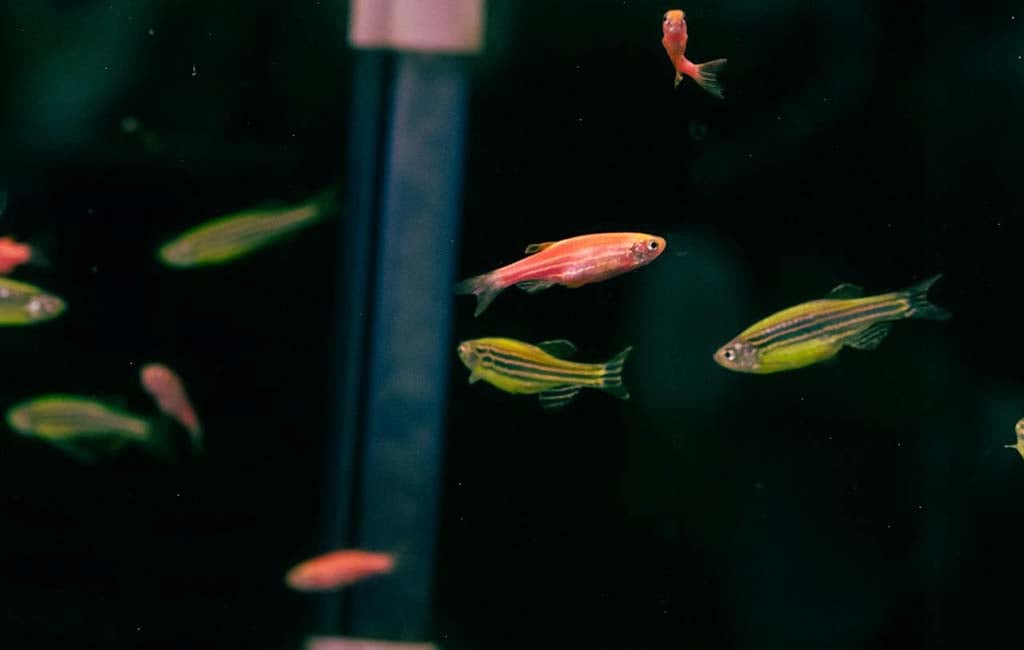
how to treat bent zebrafish
How to Treat and Recover the Bent Zebrafish
While some deformities cannot be corrected entirely, beginning treatment early can make life better and stop the deformity from worsening much. Here’s a step-by-step guide to help you treat and support recovery for a bent zebrafish:
Step 1: Quarantine the Fish
Immediately move the affected fish to a separate quarantine tank. This will prevent the potential spread of infections and reduce stress from tank mates.
- Tank requirements: 5–10 gallons
- Temperature: 76–78°F (24–26°C)
- Filtration: Sponge filter preferred to avoid strong currents
Step 2: Improve Water Quality
Ensure pristine water conditions. Use a test kit to measure ammonia, nitrites, nitrates, and pH, or use a water clarifier to balance the pH and KH of the water.
- Ideal parameters:
- Ammonia: 0 ppm
- Nitrites: 0 ppm
- Nitrates: <20 ppm
- pH: 6.8–7.5
Perform partial water changes (20–30%) every 2–3 days to maintain stability.
Step 3: Optimize Diet
Feed high-quality, nutrient-rich food to support bone health and recovery.
- Recommended diet:
- Live or frozen foods (daphnia, bloodworms, brine shrimp)
- Pellets/flakes fortified with vitamins (especially vitamin C)
- Occasional treats of blanched veggies (spinach, peas)
Consider soaking food in a liquid vitamin supplement designed for fish to boost nutrition.
Step 4: Observe for Signs of Infection
Watch for swelling, red streaks, fin rot, or behavioral changes. If bacterial infection is suspected:
- Use aquarium antibiotics such as Kanamycin or Maracyn 2 (follow manufacturer’s instructions).
- Maintain treatment for 5–7 days while monitoring for improvement.
Step 5: Reduce Stress
Keep the lighting soft, minimize tank disturbance, and avoid overcrowding.
- Use floating plants or a dark background to help calm the fish.
- Avoid introducing new fish during the recovery period.
Step 6: Evaluate Progress
Since healing of the spine is slow, it is common that some recovery cannot be achieved. As long as the fish shows a good appetite, swims, and is not stressed, it can go on living fairly normally.
Optional: Euthanasia (Only in Severe Cases)
If the fish shows severe deformities, constant distress, and poor quality of life, humane euthanasia may be considered. Use clove oil (eugenol) under veterinary guidance if necessary.
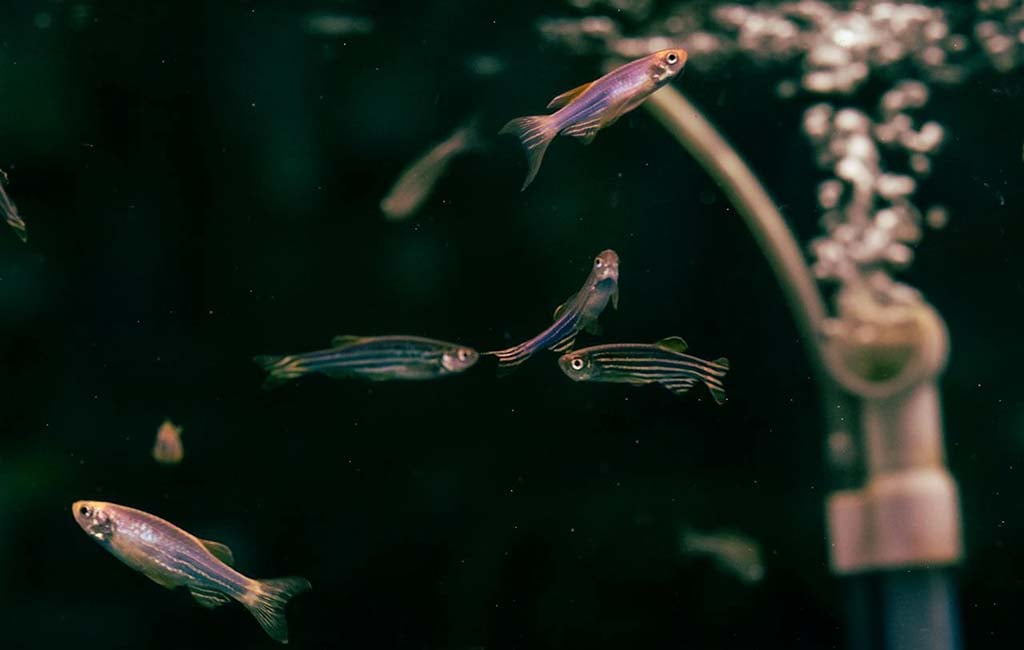
Recover the Bent Zebrafish
The Bottom Line
Watching a zebrafish with spinal issues—particularly scoliosis—can be sad, but they often survive the condition. If your fish gets sick because of their genes, diet, or the environment, finding the problem early and care can greatly improve their life.
Although complete recovery is rare, many bent zebrafish benefit a lot from good care and better feeding. Always aim for prevention rather than cure, by picking clean water, healthy food, and choosing fish from respected fish breeders.
A zebrafish with an abnormality should not be left without care. If you care for your pet over time, you can help it get well and feel comfortable again.
Related Products


Leave a comment