
Aquariums can host more than just fish. Unique species like sea stars, sea urchins, and sea cucumbers can enhance the aesthetic of your tank. These creatures bring captivating colors, movement, and essential tank-cleaning functions. This article explores the requirements and setup tips for these fascinating marine species.
Content Table
The Unique Species Kept in Aquariums
You can house some interesting and unique species in your aquarium besides fish. These species will help elevate the tank’s look and introduce some variation. Here are some interesting species.
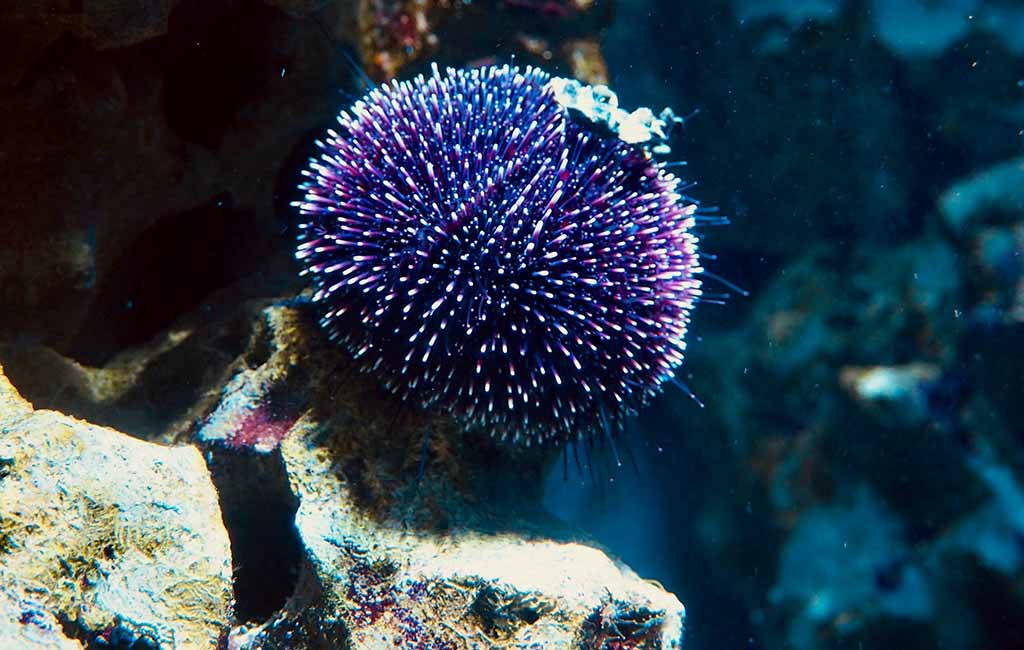
sea urchins
Sea Stars or Starfish
Sea stars are unique and come in vibrant coloration. Their radial body shape and slow but graceful movement help make your tank diverse and interesting. Moreover, some sea stars can regenerate their lost body parts. This ability makes them even more unique and fascinating.
Sea Urchins
Like sea stars, sea urchins help to bring diversification to your marine tank. Like sea stars, they have a symmetrical body shape. They are known for their spiny exterior and have a five-fold body structure. They are present throughout the world, from intertidal marine zones to depths of 5,000 meters in the ocean. They usually feed on algae.
Sea Cucumbers
Sea cucumbers are another interesting and unique-looking marine aquarium option. They are soft, elongated, and slow-moving animals. In aquariums, they help keep the bottom clean. They are usually present on the sea floor and are found globally. However, the Asia-Pacific region houses the majority of sea cucumbers.
Special Aquarium Design and Setup for Sea Urchins and Sea Cucumbers
Sea stars, sea urchins, and sea cucumbers thrive in special aquarium setups. Here are their requirements.
Sea Stars Aquarium
Sea stars are bottom dwellers. Therefore, keep them in a large but low height. Although you can find some small species, e.g., Patiriella, starfish, Parvulastra parvivipara, etc., keep them in a long tank. A large tank helps them feel at home.
Sea Urchins
Sea urchins are a unique and beautiful marine tank pet option. They help control algae growth in their surroundings. They have specific lighting, substrate, and other requirements.
Sea Cucumbers
Sea cucumbers require a well-established and fully matured tank environment with plenty of sand at the bottom. They need sand to fulfill their sand-shifting habit. Here are the requirements for a sea cucumber tank.
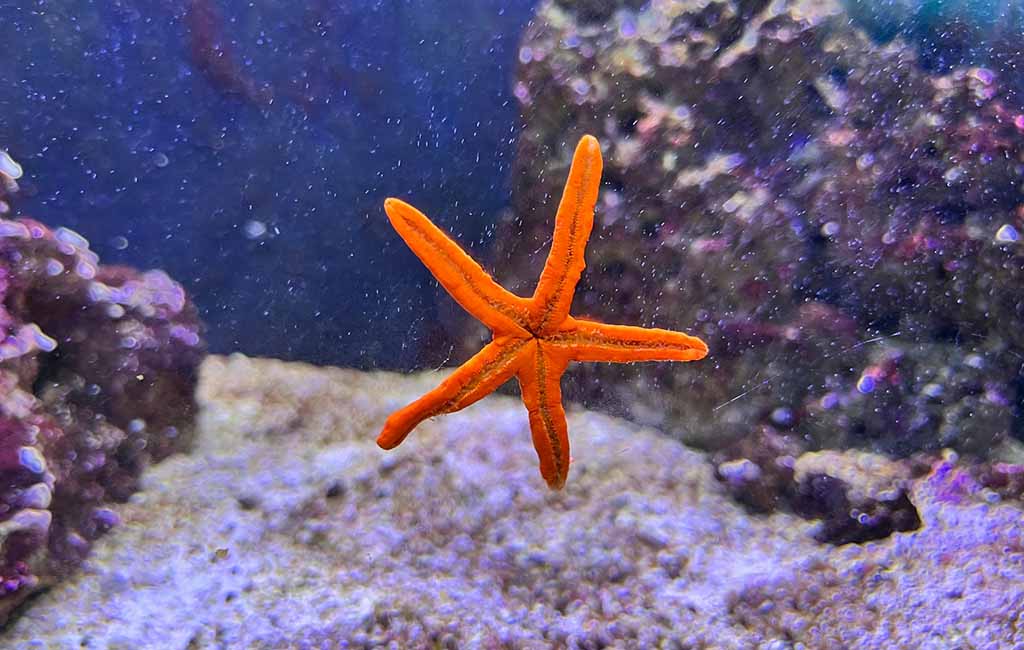
sea stars
Aquariums Focus on Specific Ecosystems
Here are some specific requirements for building an optimal ecosystem for sea urchins, sea stars, and sea cucumbers.
Sea Stars
Tank Requirements
- A minimum 30-gallon shallow and wide saltwater tank with a live rock setup is the basic requirement for keeping a small sea star. However, it’s better to keep it in a larger tank with more bottom-dwelling area.
- They are sensitive to water parameters. Therefore, always maintain optimal water conditions in your tank. These parameters vary among species; however, here are some general guidelines.
Water Requirments
| Parameter | Value |
| Temperature | 72–78°F |
| Salinity | 1.023 to 1.026 |
| pH | 8.1 to 8.4 |
| Ammonia | 0 ppm |
| Nitrite | 0 ppm |
| Nitrate | Less than 10 ppm |
Substrate and Other Items
Add a 2-inch deep fine sand substrate at the bottom. Moreover, the addition of live rocks works like magic for biological filtration, besides serving as decoration. These live rocks also provide a grazing surface for sea stars. You can also introduce some other hardscape décor; however, always avoid sharp-edged décor, as it can damage the tank pets. Introducing hiding areas largely helps them boost their health.
Filtration
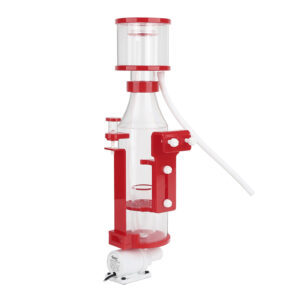
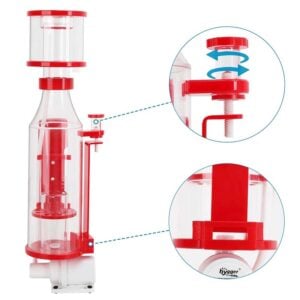
Besides regular chemical and mechanical filtration, strong biological filtration is the utmost requirement. Also, introduce a protein skimmer. It’ll help clean the water and remove organic waste, i.e., food leftovers, plant debris, etc.
Flow Rate
Maintain a medium flow rate in the tank. Moreover, try to include some low-flow or calm areas, not dead spots, where sea stars can rest.
Lighting
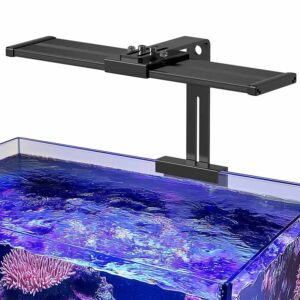
Go with the reef lighting, i.e., dull and smooth, because they don’t require lighting. These lights will only serve for aesthetics and coral growth in the tank.
Tank mates
They are peaceful. Therefore, never add aggressive companions. Here is a list of suitable tank mates.
- Clownfish
- Gobies
- Blennies
- Cleaner shrimp
Feeding
Sea stars fulfill their appetite by scavenging. However, you can offer the following food items.
- Chopped shrimps
- Sinking pellets
Spot feeding is the preferred feeding option.
Sea urchins
Aquarium size
A minimum 20-gallon reef or live rock tank with a wide bottom is the optimal space for sea urchins. Tank size varies depending on the species.
Water Parameters
Although they look hardy, they are sensitive to unstable salinity, copper, ammonia, and nitrite. Here are suitable water parameters that will help sustain optimal life in the tank.
| Parameters | Values |
| Temperature | 72–78°F |
| Salinity | 1.024 to 1.026 |
| pH | 8.1 to 8.4 |
| Ammoina | 0 ppm |
| Nitrite | 0 ppm |
| Nitrate | Less than 10 ppm |
| Calcium | 400 to 450 ppm |
| Alkalinity | 8 to 12 dKH |
Substrate and decor
They can live with no substrate or a layer of fine sand at the bottom. Introduce live rocks into the tank. Ensure rock stability and secure them properly, as sea urchins can dislocate these rocks. Introduce them into the tank when there is a large layer of algae on the rocks for grazing. However, avoid adding any sharp-edged decorations, as these sharp edges can scratch their body tissue and delicate tube feet.
Filtration
They require a high-end biological filter in the tank, i.e., live rocks, sponges, or sump filters, in addition to chemical and mechanical filtration. The introduction of a protein skimmer also helps to remove organic waste from the tank.
Flow Rate
Maintain a medium flow rate in the tank. High flow rates can cause stress among sea urchins.
Lighting
If you are only keeping the sea urchins, install moderate reef lights. Excessive light exposure will harm them.
Tank Top
Secure the tank top with a lid, as sea urchins can climb on the glass and escape the tank. Moreover, cover the filter and other equipment openings to avoid them getting stuck in these items.
Tankmates
Reef-safe and peaceful aquatic species do well with sea urchins. Their tankmates include fish species such as gobies, clownfish, wrasses, firefish, chromis, etc. You can also stock snails, hermit crabs, and feather duster invertebrates with them.
Diet
Usually, they eat greenery in the tank, e.g., green hair algae, coralline algae, and biofilm on rocks. If your tank is out of or has scarce algae, feed them nori, blanched spinach or lettuce, and algae wafers.
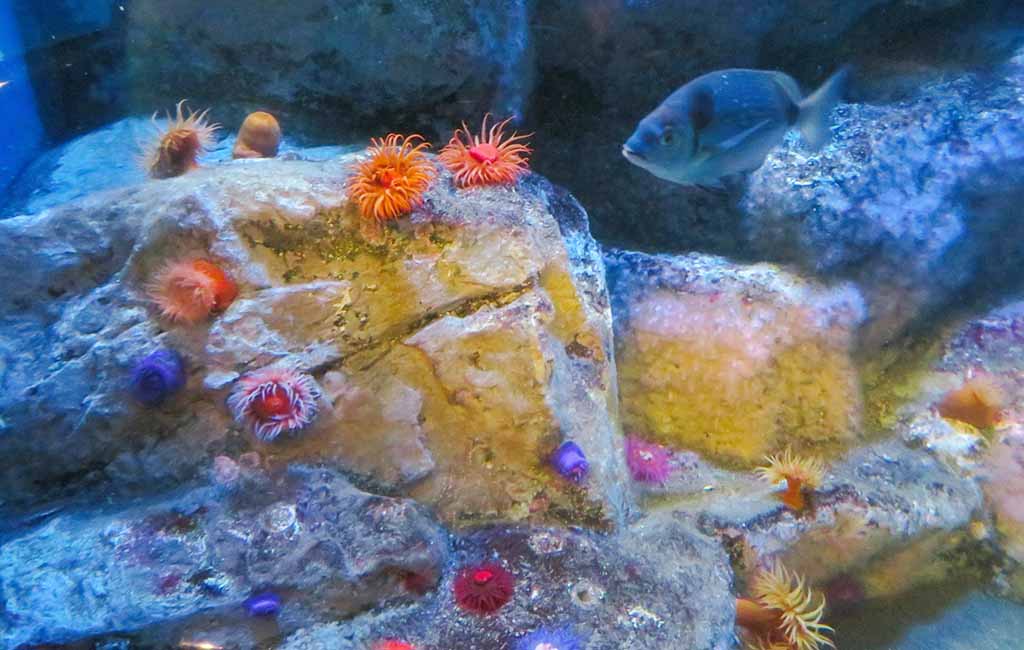
sea urchin aquarium
Sea Cucumbers
Tank Size
A minimum 30-gallon, wide, and horizontal tank with open spacing is suitable for housing sea cucumbers.
Water Parameters
It should be mature, and the water parameters should be well settled. Here are the remaining details for optimal values.
| Water Parameters | Optimal Value |
| Temperature | 72–78°F |
| Salinity | 1.024 to 1.026 |
| pH | 8.1 to 8.4 |
| Ammonia | 0 ppm |
| Nitrite | 0 ppm |
| Nitrate | Less than 10 ppm |
| Calcium | 400 to 450 ppm |
Substrate and Rocks
They require a 2- to 3-inch-deep sand substrate. Live rocks help filter the water. Moreover, rocks provide a playground for them to climb.
Filtration
Use a high-quality biological filter and protein skimmer to keep the tank clean from organic waste. Also, never forget to install chemical and mechanical filters in the tank.
Flow Rate
Maintain a moderate flow rate; however, some species prefer a steady laminar flow rate.
Safety Requirements
Cover the tank top and filter intake to avoid any accidents. Always use a UV sterilizer or a reef light within UV lighting to keep the tank toxin-free.
Feeding
Feed sand sifters on detritus and microorganisms. Microplankton supplements or invertebrate food can help if your sand sifter has fewer basic feeding options. Filter-feeding cucumbers feed on phytoplankton, rotifers, and marine snow.
Suitable tankmates
Use peaceful and reef-safe species as a tank mate. Here is a list of such tank mates.
- Gobies
- Blennies
- Clownfish
- Chromis
- Snails
- Shrimp
- Feather dusters
How to Build a Vibrant Aquarium World
Theme Selection
Different theme options are available for building a vibrant aquarium for your unique aquapets. Here are some of them.
Tide Pool Habitat
It is a shallow tank with rock ledges and sand. It mimics coastal zones where all three species coexist. Moreover, it is excellent for observation and algae and detritus cycling.
Soft Sand Reef Base
It is a clean and minimal tank setup with a large open sandbed for sand-sifting cucumbers. Moreover, it has isolated rock islands for urchins and stars. If you love a minimalistic and clean setup, it’s for you.
Rock Garden Grazing Zone
It’s mainly suitable for sea urchins. It has macroalgae-covered and vertical rock walls with a crawl space.
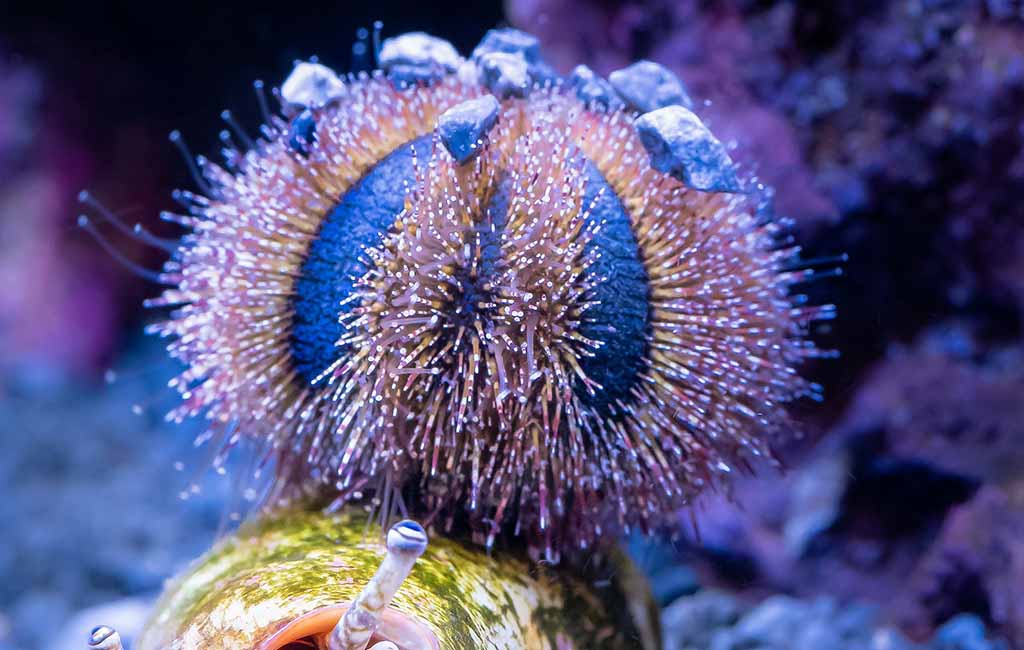
sea urchin aquarium
Tank Building
- Have a wide, low-profile tank with reef-ready and external filter options.
- By keeping a slight slope from back to front, add a 2 to 3-inch deep layer of sand. Also, don’t forget to add live sand at the bottom.
- Use round-cornered flat live rocks and secure them well. Keep open sand zones for cucumbers, archways, and shaded caves for sea stars, and vertical faces or rounded mounds for urchins.
- Use adjustable wave makers to create flow zones. Create a calm bottom for the sea cucumber and moderate upper flow to move detritus and feed filter feeders.
- Install all equipment in the tank.
- Introduce lighting according to the aquatic pets.
- Introduce Caulerpa and Gracilaria in corners or on the rocks.
- Never introduce sharp-edged decor in the tank.
The Bottom Part
By adding sea stars, sea urchins, and sea cucumbers to your aquarium, you not only diversify its look but also promote a healthier environment. Proper tank design, water conditions, and care will ensure these unique species thrive, turning your aquarium into a vibrant, sustainable ecosystem.
Related Products


Leave a comment