
You want your fish living in a clean, quiet, and breathable home. A tank with constant oxygen levels makes your fish happy, energetic, as well and tension-free.
Content Table
A lot of novices are interested in filters and decoration, and forget about the process of water flowing within the tank itself. This flow of water contributes to the diffusion of oxygen throughout the aquarium.
In cases where the flow is weak, the result is low-oxygen zones. Your fish might have trouble swimming when the current is too strong. You require a balance at which the water flows just to an extent that it is not stressful to your fish. This balance is referred to as heavy and light flow. It makes the entire aquarium breathable and safe for every species.
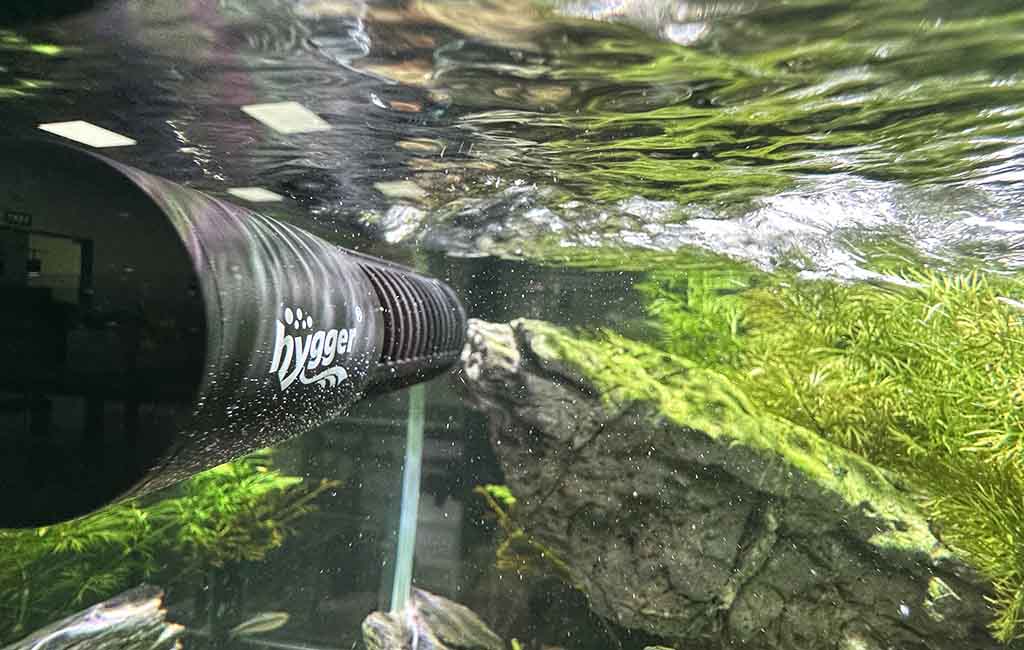
aquarium breathable
What Is an Aquarium Breathable?
A breathable aquarium is a tank in which oxygen flows around the water without difficulty. You desire enough surface movement to aid in gas exchange to occur. Gas exchange occurs when carbon dioxide is eliminated from the water and oxygen is added to the water. This, in turn, keeps your tank oxygen-rich and healthy for the fish.
Why Oxygen Movement Matters
A breathable tank that promotes advantageous bacteria living in your filter and substrate. Ammonia and nitrites are decomposed by these bacteria. Oxygen is also essential to them. The bacteria can stabilize your water when your tank has good oxygen movement.
What a Breathable Aquarium Needs
Three items are required to make a breathable aquarium. First, there must be good mixing on the surface, as this is where oxygen penetrates. Second, it requires internal movement of water that finds its way to dead zones. These dead zones are located in a corner or the background of the decor, where water does not flow well. Third, it requires an effective filtering system. A waterfall filter also makes the water clean and aids in the circulation of oxygen.
The combination of these three areas makes your tank a home to fish, shrimp, snails, and plants. A flowing aquarium is also more natural to those species that are found in flowing rivers and constant streams.
The Signs of Low Oxygen in a Fish Tank
Behavioral Signs in Fish
Low oxygen in a tank is hazardous within a very short time, and you need to be aware of the early indications. Gasping of fish at the surface is one of the most common indicators. This is because the oxygen concentration is greatest at the top of the tank. A second obvious symptom is the fact that your fish moves slowly or looks fatigued. They can sleep more than usual, or they may not be able to swim.
Physical and Stress Indicators
Your fish will feel weak due to low oxygen since its body cannot perform properly. You can even find your fish moving their gills very fast, even when resting. This implies that they are strenuously trying to take shallow amounts of oxygen. Fish will also occasionally remain close to the filter output since the flowing water contains more oxygen.

Low Oxygen in a Fish Tank
Environmental Clues in Your Tank
Severe cases would have fish hanging at the bottom and appear distressed. Shrimp can climb up the plants, and snails may lie down in strange forms. The plants can also experience stress since they release oxygen during the day and take up oxygen at night.
Low oxygen conditions can also be indicated by cloudy water, residual food, or heavy algae growth. The debris in the tank consumes oxygen because it decomposes. Excessive algae or waste may also actually seal the water flow. Thus inhibiting oxygen movement.
How to Know If a Tank Has Enough Oxygen
Observing Fish Behavior
After making your tank, you would want to be sure that your oxygen levels are steady. The presence of enough oxygen in a tank leads to a situation where the fish in the tank are active and swim freely. Your fish should move naturally without gasping or resting too much.
Watching Plant Activity
You may also observe your plants. Healthy plants appear light and stable, and most of them give off oxygen bubbles in the daytime. When you find some pearling on tanks that have been planted, this is a good indication that there is a lot of oxygen.
Checking Surface Movement and Flow
Another method is to view the surface of your tank. A breathing tank will cause a small wave on the water. You do not require huge waves, but want some movement to ensure that gas exchange is vigorous.
Using Oxygen Test Kits
To have the precise readings, you may use a digital oxygen test kit. These kits assist in determining the dissolved oxygen levels. Oxygen concentration within freshwater tanks should remain between 7 and 8mg/L to keep them healthy. When your reading falls below 5mg/L, then your fish will start having problems.
Water Quality as an Indicator
There is also healthy oxygen, attested by stable water parameters. A tank that contains low ammonia levels, nitrites, and organic waste tends to be well oxygenated. Clean water will trap more oxygen than dirty or stagnant water.
When your fish, surface movement, and water readings look stable, your tank has enough oxygen.

Strong but Gentle Flow
A Strong but Gentle Flow Ensures Your Aquarium Is Breathable
Which Tanks Need Strong but Gentle Flow?
The various tanks require varying amounts of water movement. A river like a tank should have a greater flow since the fish are used to a heavy flow. A community tank planted requires medium flow since the water is slowed down naturally by vegetation. A betta tank or shrimp tank should have a slow flow since the species like still water.
Why Balanced Flow Matters
Strong yet soft flow indicates that you have a moving tank with no violent flow. You also need water that serves to circulate, and you also do not want the water to move your fish around the tank. The movement must extend to all corners and avoid areas of stagnation. Meanwhile, you should be able to permit your fish to swim freely.
How to Build a Strong but Gentle Flow
There are various tools that you can use to develop this flow. A hang-on-back filter develops good surface agitation without excessive flow. A sponge filter will provide light flow and help keep up the oxygen in smaller tanks. Larger tanks have an inner filter or wavemaker that facilitates the establishment of high but regulated flow.
Adjusting Equipment for Better Oxygen Movement
The direction of the filter output can also be changed. A slight inclination upward on it enhances agitation on the surface. Directing it on the side allows the movement of water throughout the entire tank. The flow can be distributed evenly using spray bars.
Plants or other large decor should not be in the way of the water movement. Attempt to place your filter output on the other side of the thick plants. This assists in the flow to reach each side of the tank.
A breathable tank that has a strong yet gentle flow will ensure that your oxygen levels remain constant. It also maintains the movements of debris towards the filter. Your fish will enjoy the benefits of cleaner water, higher oxygen levels, and a more natural swimming experience.

fish like strong but gentle flows
Aquarium Fish That Like Strong but Gentle Flows
1. Zebra Danios
Zebra danios are active swimmers that like active water. They are more mischievous with a steady flow in the tank. They exercise with the current and run in every direction of the moving water.
2. White Cloud Mountain Minnows
These minnows come from cooler streams and prefer gentle but steady flow. They look brighter and more active when the water moves softly around them.
3. Cherry Barbs
Cherry barbs enjoy moderate flow that keeps oxygen high. They prefer well-oxygenated water because it matches their natural stream habitat.
4. Hillstream Loaches
Hillstream loaches love strong but controlled currents. They live in fast rivers and use their flat bodies to grip rocks. You can use powerheads or wavemakers for these fish.
5. Rummy Nose Tetras
These tetras enjoy tanks with stable oxygen levels and gentle movement. They swim comfortably when the water has a soft push.
6. Rainbowfish
Rainbowfish feel healthier in tanks with steady movement. The flow helps keep oxygen levels high and supports their energetic swimming style.
7. Corydoras Catfish
Corydoras enjoy a gentle current at the bottom of the tank. They do not like strong water flow, but they enjoy breathable environments with smooth movement.

tank has enough oxygen
Concluding Thought
An aquarium is a healthy home when oxygen flows freely and nicely. The powerful yet delicate stream can help your tank easily keep your fish calm. You give your fish the pleasure of the natural flow of water and eliminate most of the oxygen-related issues.
Add surface stirring, internal flow, and intelligent filtration, and you will have a peaceful and active place to be. You make your fish swim and breathe, and they like their home.
One of the most useful things you can do for your fish is to have a breathable tank of good shape with a strong but mild flow. You can achieve a natural and stable feel of the tank by emphasizing the construction of good flow. And you will have a prettier fish, with more liveliness and protracted lives.
Related Products



Interesting and educational article. I learned a lot and plan of changing some filters around.