
Keeping a planted aquarium healthy and thriving is about more than just choosing the right plants or adding good lighting. One of the most overlooked—but most important—elements in plant growth is carbon dioxide (CO2). When CO2 levels are balanced, plants grow stronger, colors become richer, and the entire aquarium ecosystem feels more stable and natural.
Content Table
Many aquarists struggle at first with CO2 because it can seem complicated or even intimidating. Questions about how much CO2 to use, how to control it, and how to keep fish safe are very common. The good news is that modern CO2 generator kits and CO2 motorized valves have made the process much easier and safer than it used to be.
In this article, we’ll walk through practical and easy-to-understand tips for using an aquarium CO2 generator kit effectively. From understanding different CO2 delivery methods to set CO2 output right and using the proper CO2 material addition ratio, these insights are designed to help you grow healthier plants with confidence.
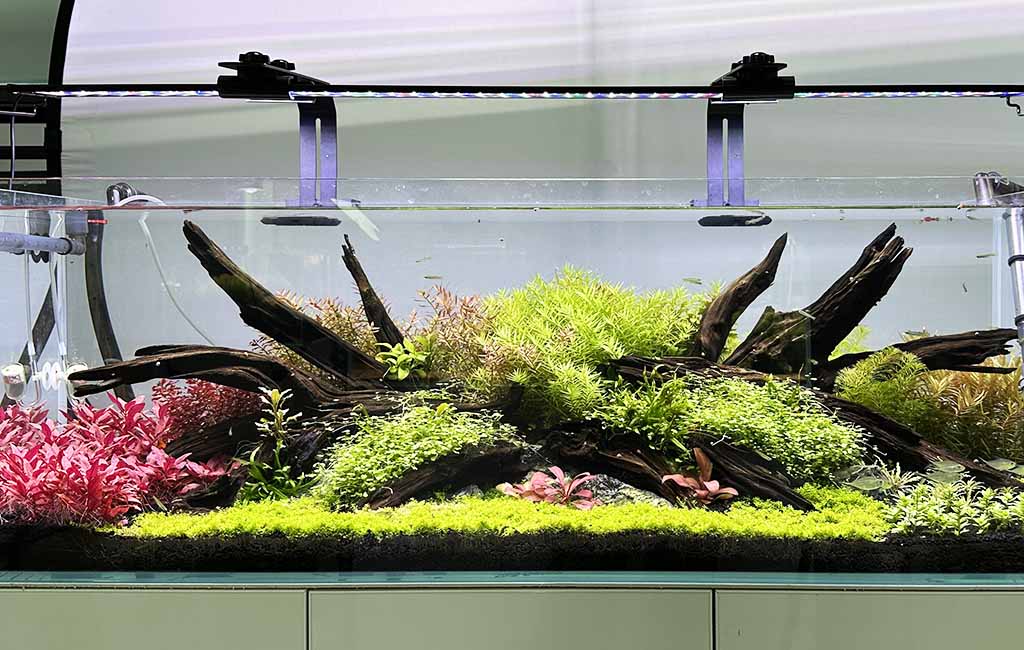
Add CO2 to a Growing Planted Tank
Ways to Add CO2 to a Growing Planted Tank
If you’ve ever kept a planted aquarium, you already know that CO2 can make a huge difference. While fish naturally produce some carbon dioxide through respiration, it’s usually not enough to support healthy growth in a planted tank—especially if you’re running stronger lighting or keeping demanding plant species.
There are a few common ways aquarists add CO2 to their tanks, and each option works better for different setups.
Liquid carbon supplements are often the first choice for beginners. They’re simple to dose and don’t require any equipment, but they’re best suited for low-tech tanks. For more demanding plants, liquid carbon alone usually isn’t enough.
DIY yeast-based CO2 systems are another budget-friendly option. These rely on fermentation to produce CO2, but the output can be unpredictable. CO2 levels tend to fluctuate, which can stress fish and lead to inconsistent plant growth.
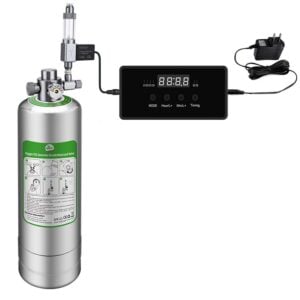
Pressurized CO2 systems offer the most control and stability. They use CO2 cylinders, regulators, and solenoids to deliver precise amounts of gas. While very effective, they can be expensive and require tank refills or exchanges.
Chemical CO2 generator kits sit right in the middle. They provide steady CO2 output, better control than DIY systems, and are often easier to manage than pressurized setups. For many planted tank hobbyists, this balance makes CO2 generator kits a very attractive option.
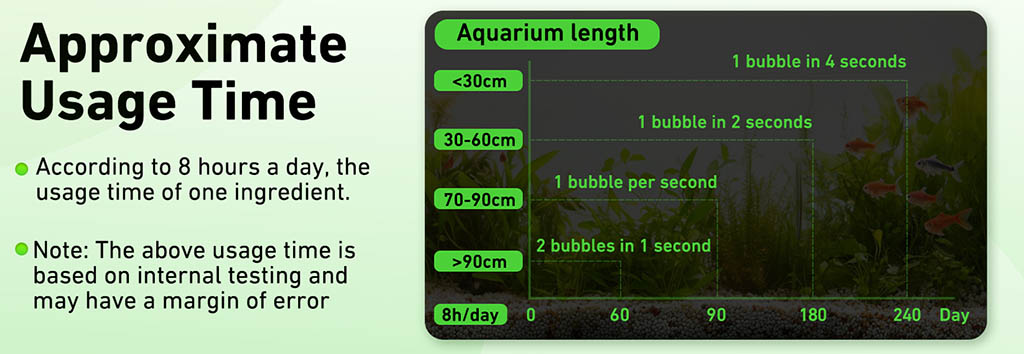
HC031 CO2 generator review
The hygger HC031 CO2 Generator Kit Review
Thehygger HC031 CO2 Generator Kit is designed for aquarists who want reliable CO2 injection without the complexity of traditional pressurized systems. It’s built with durability and ease of use in mind, making it suitable for both beginners and experienced planted tank keepers.
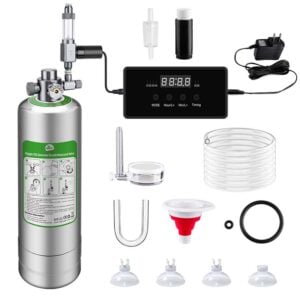
The kit typically includes a solid generator bottle, a pressure-resistant regulator, quality tubing, and a motorized valve for automated control. Everything feels well-made, and once assembled, the system holds pressure consistently without frequent adjustments.
What stands out most is how user-friendly the HC031 is. Setup doesn’t feel intimidating, and adjusting the CO2 output is straightforward. Once running, the CO2 supply remains stable, which helps plants grow evenly and reduces the chances of algae caused by fluctuating CO2 levels.
Overall, the HC031 offers a dependable and practical solution for planted aquariums, especially for hobbyists who want better results without moving to a full pressurized CO2 cylinder.
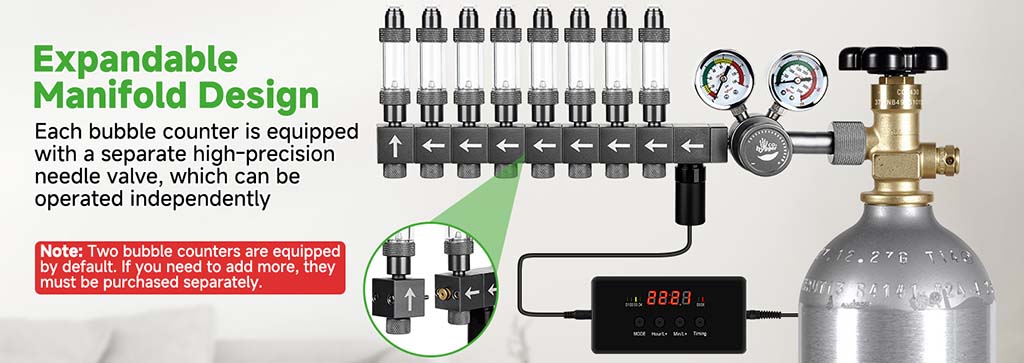
CO2 motorized valve
Why Use a Motorized Valve in a CO2 Generator Kit
A motorized valve is one of those features you don’t fully appreciate until you use it. Its main job is to automatically control when CO2 is injected into the aquarium, usually based on your lighting schedule.
Plants only use CO2 when the lights are on. At night, injecting CO2 is unnecessary and can even be harmful. A motorized valve solves this problem by opening and closing the CO2 flow automatically.
The biggest advantage is consistency. Instead of manually turning CO2 on and off every day, the valve handles it for you. This not only saves time but also keeps CO2 levels more stable, which is better for both plants and fish.
For best results, many aquarists set the motorized valve to start CO2 injection about one to two hours before the lights turn on. This allows CO2 levels to build up gradually. Turning CO2 off 30 to 60 minutes before lights go out also helps prevent excess gas from lingering overnight.
When paired with a bubble counter, a motorized valve gives you excellent control and peace of mind.
How to Set the Appropriate CO2 Output for Aquatic Plants
Finding the right CO2 level is one of the most important steps in running a planted aquarium. Too little CO2 slows plant growth, while too much can stress or even harm fish.
Most planted tanks do well with CO2 levels between 20 and 30 ppm. This range supports healthy plant growth while remaining safe for livestock.
Tank size, lighting strength, plant density, and plant species all affect how much CO2 your aquarium needs. Heavily planted tanks with strong lighting will require more CO2 than lightly planted, low-light setups.
A good approach is to start slow. Begin with a low bubble rate and increase gradually over several days. Watch how your plants respond—signs like pearling, improved color, and steady growth usually indicate that CO2 levels are on point.
Always keep an eye on your fish. If they start gasping at the surface or behaving unusually, it’s a sign that CO2 may be too high and should be reduced immediately.
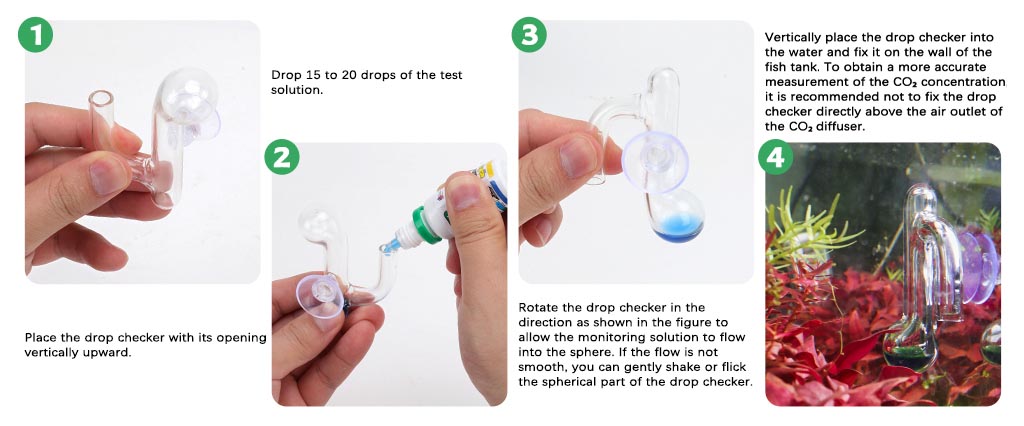
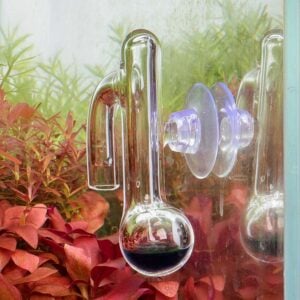
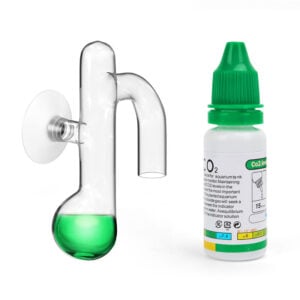
Using a drop checker is a simple and effective way to monitor CO2 levels and avoid guesswork.
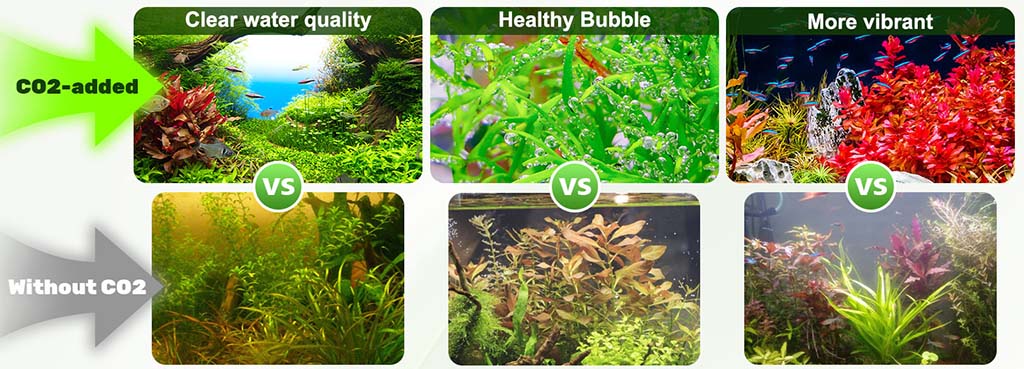
set CO2 output
CO2 Raw Material Addition Ratio for Aquarium
Using the correct raw CO2 material addition ratio in a CO2 generator kit is one of the most important steps for achieving stable, safe, and long-lasting CO2 output. Adding too much or too little material can lead to unstable pressure, inconsistent CO2 release, or even safety risks. Understanding the proper ratios helps ensure your aquatic plants receive steady carbon dioxide without stressing fish or equipment.
Most DIY and commercial CO2 generator kits—such as the hygger HC031—use a citric acid and sodium bicarbonate reaction to produce CO2. The key is balancing these two ingredients according to the size of your aquarium and the capacity of the generator.
Basic CO2 Material Ratio Explained
A commonly recommended and proven ratio is:
Citric Acid: Sodium Bicarbonate = 1 : 1 (by weight)
This balanced ratio creates a smooth and predictable CO2 reaction, making it easier to control pressure and output using a motorized valve or needle valve.
Water is added separately to activate the reaction and should always follow the manufacturer’s fill guidelines.
Safety Precautions
Safety is essential when using any CO2 system, even ones designed for home aquariums.
Check all connections regularly for leaks, especially after refilling the generator. Never exceed recommended material amounts, and always make sure the generator bottle is stable and upright.
A bubble counter is strongly recommended, as it helps prevent accidental overdosing. Monitoring fish behavior daily is also important—fish often show signs of CO2 stress before serious problems occur.
Keep the system away from heat sources and ensure that all components are securely installed. With basic care and attention, CO2 generator kits are very safe to use.
CO2 material ratio
Leaving a Lasting Impression
Adding CO2 to a planted aquarium can completely change how your tank looks and functions. Healthy plants grow faster, colors become more vibrant, and algae problems often decrease once CO2 levels are stable.
Using a well-designed CO2 generator kit like the HC031—especially with a motorized valve—makes CO2 management far less stressful. With proper setup, careful adjustment, and attention to safety, your aquarium can thrive long-term.
Once you see the difference CO2 makes in your plants, it becomes hard to imagine running a planted tank without it. The effort you put into learning and fine-tuning your system will pay off every time you look at your aquascape.
Related Products

Leave a comment