
Water treatment is one of the most important tasks of having an aquarium. It involves various methods to address various issues. Certain parameters indicate whether your tank needs treatment. TDS is one of such parameters. Moreover, accurately estimating these parameters is crucial. In the following, we’ll discuss fish aquarium water treatment, how to check these parameters, and water treatment for freshwater aquariums.
Content Table
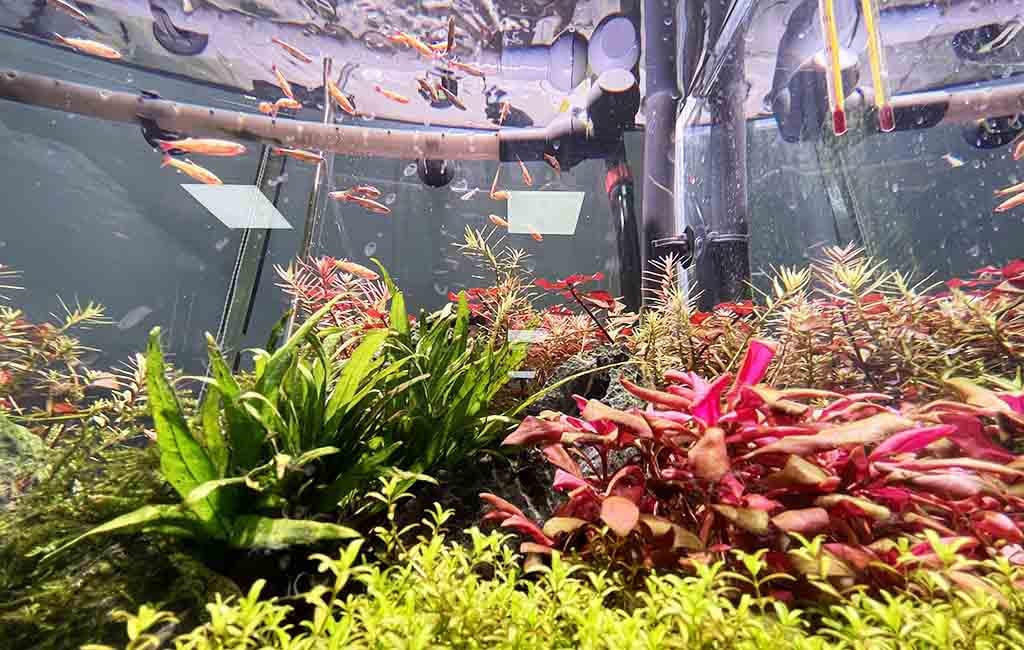
water treatment for freshwater aquariums
The Meaning of Water Treatment for Aquarium
Aquarium water treatment helps to make the water like the fish have in their natural environment. It involves various processes, e.g., filtration, removing chemical substances, regular water changes, and maintaining the water chemistry.
Water Filtration
It involves three types of filtration.
| Filtration Type | Treatment |
| Mechanical Filtration | It helps to remove the physical unwanted impurities from the tank. |
| Chemical Filtration | It filters out the unwanted chemicals from the water. |
| Biological Filtration | It helps to remove pathogens and other harmful living substances from the water. |
Water Conditioner
These are chemical substances that condition tap or other water. Treatment involves chlorine removal and heavy metal treatment.
Water Changes
Regular water change helps to maintain the water quality. It removes the nitrate accumulation in the tank and adds the required new minerals.
Water Parameter Maintenance:
It refers to maintaining the optimal water parameters in the tank, i.e., pH, TDC, EC, etc., in the water.
The Normal TDS for a Fish Tank
| Aquirum Type | Value (ppm) |
| Freshwater Aquarium | 150 to 250 |
| Planted Tanks | 100 to 200 |
| Hard water Fish | 200 to 500 |
| Soft water Fish | 50 to 150 |
| Saltwater Marine Fish | ~30,000 to 40,000 |
Role of TDS
- It indicates the water quality in the tank.
- Out of optimal values, it causes stress, gill issues, fish’s growth, and susceptibility to various diseases.
- Higher TDS causes an algae bloom in the tank.
- It is usually higher in saltwater tanks as they support the marine life.
- It helps to check the water quality in the tank.
Influence In Tanks
A moderate TDS is crucial for fish health and the overall tank environment.
Low TDS
It causes stress among fish, leads to poor growth, and indicates a lack of minerals that are essential for the tank environment. It also causes the instability of pH.
High TDS
It also causes stress among fish. High TDS severely damages fish’s gills and kidneys and influences fish breeding ability. Moreover, it leads to algae growth in the tank.
Sudden Changes in TDS
Sudden changes shock the fish, lead to various diseases, and, in severe cases, cause death.
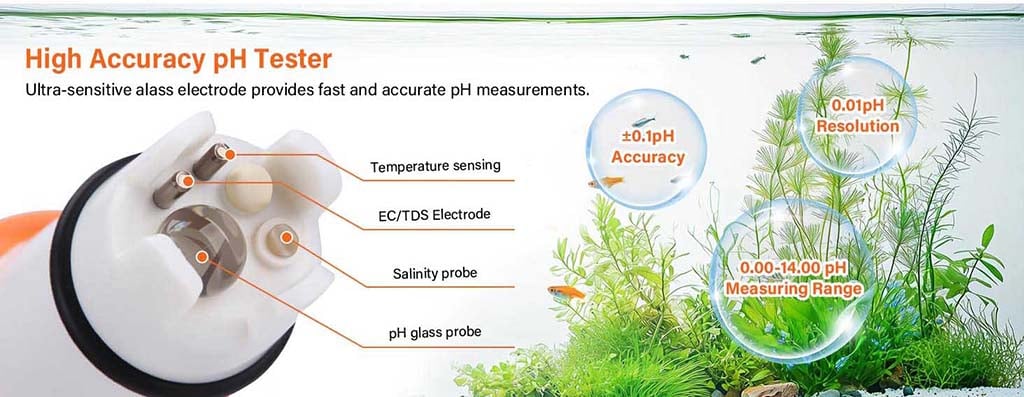
TDS for a Fish Tank
TDS Meter for an Aquarium
If you are planning or have an aquarium, it’s quite a handful, and I would say it is necessary to have a TDS meter. A TDS meter helps in various ways.
What Does A TDS Meter Do?
Water Quality Check
A TDS meter helps you determine the water quality, i.e., whether it is safe for fish and plants or not.
Consistency
It helps to keep a consistent look at your tank’s insights.
Water Type
A TDS meter can easily differentiate between tap water and RO/DI water. It’ll also let you know whether you need to treat the water in the tank or vice versa.
Early Warning System
A TDS meter works for an aquarium, like early warning systems in the real world. On regular usage, you’ll learn about waste buildup, water change, or any mineral imbalance in your aquarium.
Species Selection
A TDS meter will tell you about the total dissolved solids in the water. With higher TDS, you can go with marine species and vice versa. Moreover, if you’ve already stocked any type of fish, i.e., saltwater, freshwater, etc., it’ll help you to take care of these species.
How to use a TDS meter?
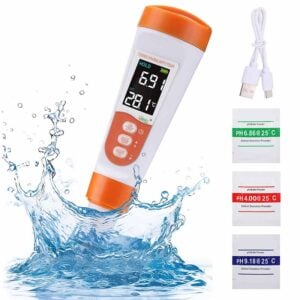
Various types of TDS meters are available in the market, but you need a reliable and auto-calibrating TDS meter. Moreover, if the same meter helps you know about other water parameters, i.e., temperature, pH, etc., it’ll be icing on top. With 5 in 1 features, hygger presents the HG239 Water Quality Meter. You can use it to check the TDS level in the tank, as follows.
How to Use It?
- Switch on the TDS meter, and remove the protective cap from the top.
- The meter has metal probs with the maximum immersion line. Submerge these metal probs in water up to the immersion line.
- Wait for a while and check the display screen. You’ll get the value of different parameters. Stop it on the TDS value in ppm.
- Remove it from the tank, and compare the TDS with the optimal value for fish and plants.
- Rinse off the prob, dry it, and cover the head with the cap.
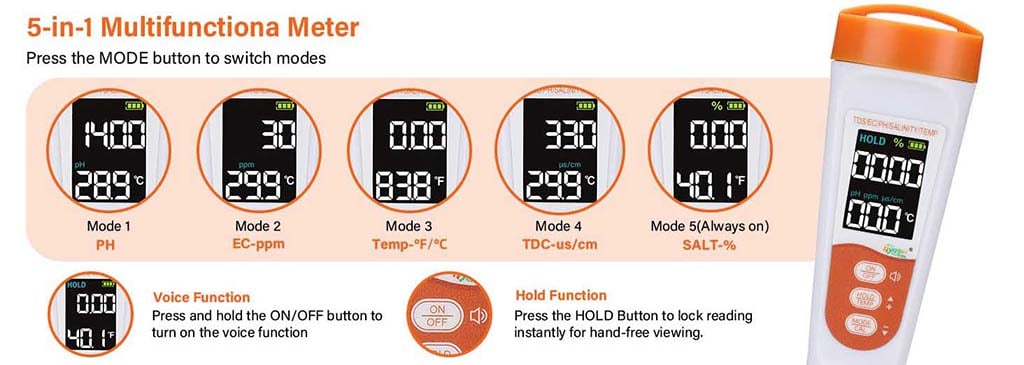
meter for aquarium water treatment
What to Use to Treat Aquarium Water?
Water treatment is one of the most important tasks when having an aquarium. It differs for all aquariums. Water treatment makes the water suitable for living beings in the tank. The first step is to inspect the parameters and later fix these parameters.
Water Parameter Inspection
The first step to fix the water parameter in a freshwater tank is to check the variance of parameters from the optimal range or value. These parameters differ among plants and fish. Therefore, here is a list of such parameters.
- Chlorine level
- Bacterial Activity
- WaterpH
- Water softness/hardness
- Nutrient level in the planted tank
Water Treatment
Freshwater aquariums and saltwater aquariums are treated differently. Here is a treatment procedure for both types.
Freshwater Aquarium
Chemical Removal
If your freshwater tank has harmful chemicals, i.e., chlorine, chloramine, and heavy metals, neutralize them. Neutralization is done according to the tank size and species.
Parameter Balance
pH, GH, and KH are some of the most important parameters in any tank. Here are different techniques to balance them.
| Parameter | Technique |
| Hardness | Use a buffer solution to fix the alkalinity and hardness in the tank. |
| pH | You can bring it down with peat moss, driftwood, and almond leaves. These items will reduce the pH and soften the water. |
Bacterial Count Optimization
Beneficial bacteria help maintain the nitrogen cycle in the tank. They break down the ammonia to nitrite and then into nitrate, which is relatively safe. If you have lost the optimal bacterial count, complement it with bottled bacteria, established tank’s decor, or an object from an established tank into your tank. It’ll help your tank to regain the actual bacterial count.
Fish and Plants Conditioning
In a planted tank, you can condition your plants by adding liquid or root tab fertilizer. Aloe vera and vitamins protect fish’s slime coat. Usually, fish issues start with their slime coat.
Regular Maintenance
Weekly change up to 25% tank’s water. It’ll reduce the TDS and waste at a low level. Moreover, regularly vacuum the tank’s bottom, as uneaten food and waste pile up at the bottom. Use distilled water to clean the filter and other equipment in the tank.
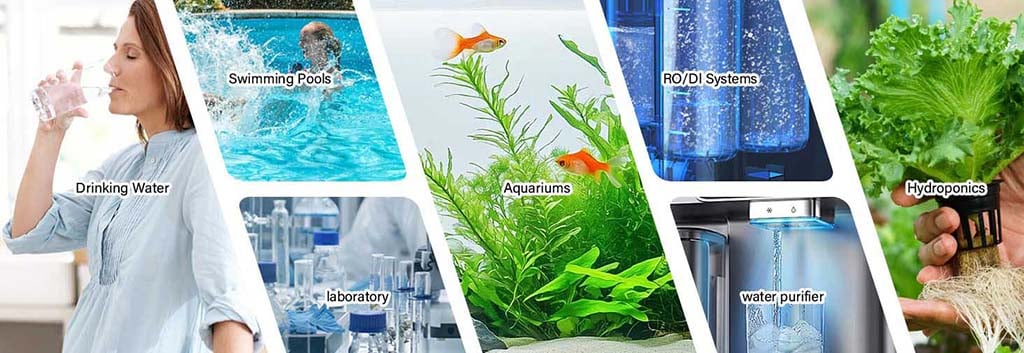
water treatment for aquarium
Saltwater Aquarium
Marine Water
If you need to replace the marine tank’s water, prepare the replenishing water initially. Use RO\DI water instead of tap water. After that, add the marine salt to the water and bring its salinity up to the targeted level. Continually stir the water with a powerhead or a wavemaker pump for complete salt dissolvation.
| Tank Type | Specific Gravity |
| Fish-only Tanks | 1.020 to 1.025 |
| Reef tanks | 1.024 to 1.026 |
When you are topping off the weekly water, replenish it with RO\DI water.
Water Parameter Balancing
Use HG239 to check the pH, temperature, and alkalinity of the water. Also, keep the calcium and magnesium levels up to the mark. If there is a drop in any supplement, add buffer, calcium supplements, and magnesium additives.
Biological Filtration
Maintain the bacterial count in the tank. You can maintain it with live rock and bacterial supplements.
Water Quality Maintenance
Use a protein skimmer for organic waste removal. Activated carbon removes the chemical toxins from the tank. It also helps in discoloration and impurity removal. Add iodine, strontium, and other micronutrients to the tank to maintain the reef quality in the tank.
Common Fish Aquarium Water Treatment
Almost every tank goes through the following water treatments.
Water Conditioning
It is a process of neutralizing chlorine and chloramine from the aquarium. Moreover, it also involved the detoxification of heavy metals in the tank. Condition the tank’s water with every change. Chlorine, chloramine, and heavy metals are harmful to the fish and tank environment.
Bacterial Seeding
Bacteria play a pivotal role in maintaining the nitrogen cycle in the tank. Without the optimal bacterial count, you’ll observe the waste piling up, ammonia, and nitrite spikes in the tank. Add the bacterial supplements to your tank during tank setup, filter cleaning, and medication.
pH Adjustment
Water pH is one of the most crucial parameters for any fish tank. It controls the acidity and alkalinity levels of the water. Regularly buffers the tank water according to your desired level.
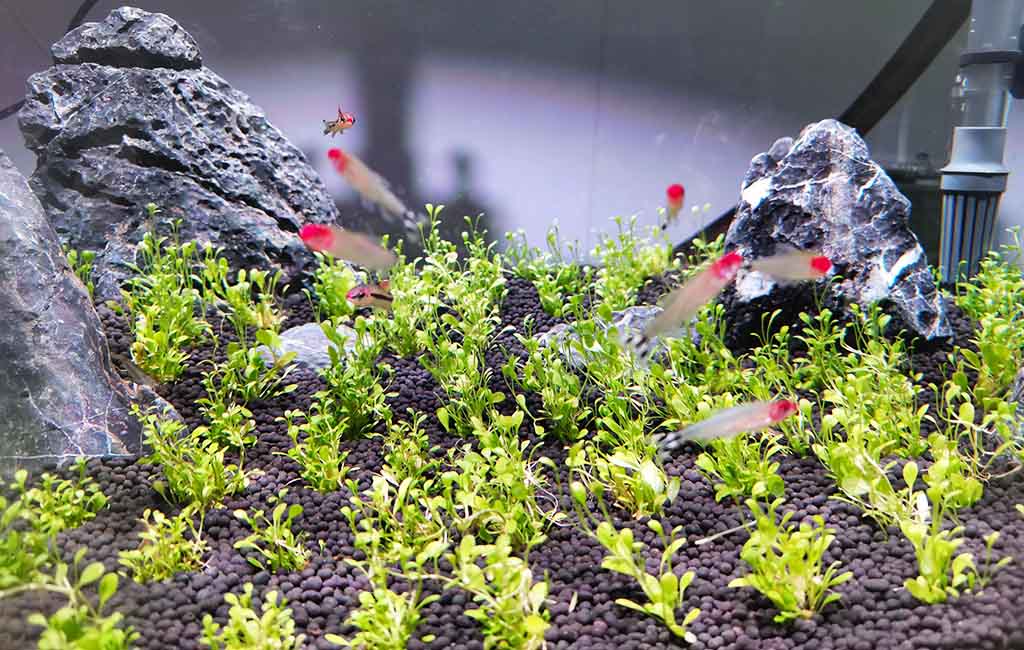
Fish Aquarium Water Treatment
Hardness and Mineral Additives
Adjustment of the water hardness is another important regular treatment. Maintain it according to the tank inhabitants.
Medication Treatment
Fish are susceptible to ich, fin rot, velvet, and other similar diseases. Regularly use anti-parasitic, antibacterial, and antifungal medications.
Carbon and Chemical Filtration Aids
Chemical toxins, discoloration, and odors in the tank. To fix these issues, regularly use activated carbon. Use Purigen and resins to control ammonia, nitrate, and phosphate in the tank.
Trace Elements and Supplements
Usually, this water treatment is done for the saltwater tank. Add calcium, magnesium, iodine, and strontium to your reef tanks. It’ll help to maintain coral and invertebrates.
Ultimately
Water treatment keeps your tank’s parameters optimal and viable for fish living. It involves biological, chemical, and mechanical methods. Each method has its benefits. You can do it better with one of the best testing equipment, such as the hygger water quality meter. Bring it today and elevate your aquarium experience.
Related Products


Leave a comment