
One of the most popular aquarium freshwater fish in the world is the rosy barbs. Their dynamic red-gold colors, the playful suit of diving, and their calm social status are some of the reasons they are popular among amateurs and professional aquarists. But to make these beautiful fish remain healthy and bright, you will have to know their needs and care requirements.
Content Table
Everything in their natural habitat, their diet, and even their tank is part of the long-term welfare of the aquatic creatures. With this care guide, you will learn all about the care of rosy barb fish and long fin rosy barb, such as their temperament, daily care, and how to make a distinction between males and females of them.

rosy barb
Rosy Barb Species
The rosy barb (Pethia conchonius) is a fish of cool-flowing rivers and lakes of South Asia (especially India, Bangladesh, Nepal, and Pakistan). They belong to the Cyprinidae family, which includes goldfish and danios. Rosy barbs, in their wild habitat, usually inhabit low-flowing, soft waters with a large amount of plant life. This environment provides them with the inherent ability to withstand slightly colder water than most tropical fish.
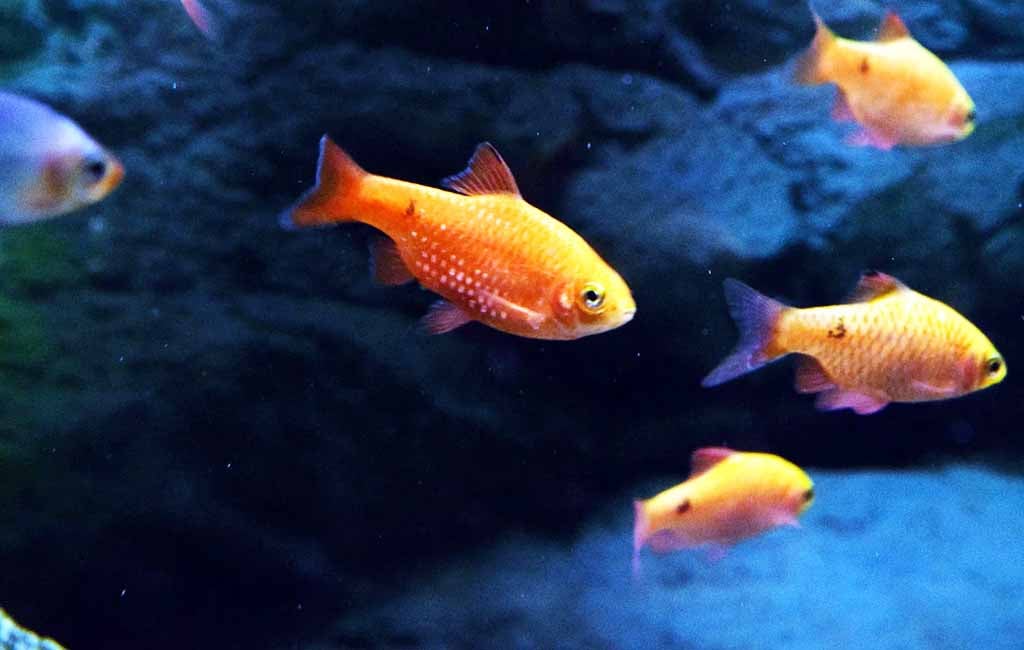
In normal conditions, rosy barbs measure about 4 to 6 inches long, and this is based on the environment and what they feed on. Their long form has glossy scales that show a pinkish-red color, particularly when seen through the aquarium lights.
Male ones are much more colorful, especially during the breeding season, when their bodies turn a deep rosy color. In females, on the contrary, they look rounder, and their tone is less bright and golden.
These are schooling fish, i.e., they would be best kept in groups. A group consisting of 6 or more rosy barbs will show natural behavior, swim freely, and look less stressed. It is relaxing and beautiful to see a group of them move gracefully in an aquarium.
Are Rosy Barb Fish Aggressive?
Being among the most frequently asked questions that beginners tend to pose is the issue of whether rosy barbs are aggressive. They are not quite aggressive, in technical terms, but the manner of their behavior strongly depends on the environment and their tank mates. When chased in isolation or in too few numbers, rosy barbs become territorial or begin to fin-nip, particularly the sluggish or long-fin rosy barb.
Nevertheless, rosy barbs are usually quiet when confined in an adequately sized school and a large tank. They are very active swimmers and spend most of their time exploring or playing around with each other. They are also good community fish when they are combined with other species of the same level of activity and temperament.
Ideal tankmates include:
- Zebra danios
- Mollies
- Gouramis
- Larger tetras
- Cory catfish
They should not be kept together with bettas, guppies, or angelfish because the rosy barbs have a habit of biting the fin of delicate fish or long-finned ones. Space and visual breaks, such as rocks, plants, and driftwood, should be offered to create less tension in the aquarium.
Their social setup is also significant. Rosy barbs form a natural pecking order in groups, and this assists in keeping peace. The most dominant males tend to be more colorful, and sometimes they might even run at others, but it is not a dangerous habit. Their mischievous and active character causes them to be one of the most energetic species to observe when in a community setup.
do rosy barbs need a filter
Do Rosy Barbs Need a Filter?
Yes, rosy barbs definitely require a filter for a healthy and balanced aquarium. Being active feeders, they also generate an average amount of waste. So the filtration process allows keeping the water parameters stable, avoiding the accumulation of destructive toxins. They need clean water to stay healthy, colored, and to maintain energy.
The quality aquarium filter is expected to provide both mechanical and biological filtration. This implies that it entraps debris and encourages the growth of good bacteria that decompose ammonia and nitrite. Rosy barbs dislike stagnant water that lacks oxygen, and they love to move in slightly flowing water that is full of oxygen. Therefore, the air stone or sponge filter could be very beneficial to promote water flow.
Essential aquarium equipment for rosy barbs includes:
- Filter: Internal, hang-on-back, or canister filters with moderate flow.
- Heater: Maintain water between 64°F and 72°F (18°C–22°C).
- Aeration: Use an air pump or bubbler for proper oxygenation.
- Lighting: Moderate lighting that highlights their natural color.
- Substrate: Fine gravel or sand with live or artificial plants.
Their optimal pH of water is between 6.5 and 7.5, and water hardness is 5-15 dGH. Frequent changes of water are also significant. Add 25-30% of the tank water every week to keep the tank clear and balanced. When washing the filter, wash the media with aquarium water, not tap water, in order to avoid the destruction of useful bacteria.
Rosy Barb Care Sheet
The rosy barbs are tough fish, although, like any such species in the aquarium, they demand regular attention to be well. The following is a care sheet that specifies how to take care of their tank and assist in their well-being in general.

Rosy Barb Care Sheet
Daily Care Routine:
- Feed your rosy barbs twice a day with high-quality food. Only give as much as they can eat in two minutes.
- Observe their behavior during feeding. Active swimming, bright colors, and regular eating indicate good health.
- Check temperature, water clarity, and filter operation daily.
- Remove any uneaten food or debris to prevent ammonia spikes.
Weekly Maintenance:
- Change 25–30% of the tank water with clean, dechlorinated water.
- Test water parameters using a reliable aquarium test kit.
- Trim live plants and remove algae buildup on glass and decorations.
- Clean the substrate lightly using a siphon vacuum to remove waste.
Diet and Nutrition:
Rosy barbs are omnivorous and enjoy a balanced mix of animal and plant-based foods. Their diet should include:
- High-quality flakes or pellets for daily nutrition.
- Frozen or live foods like brine shrimp, bloodworms, or daphnia for protein.
- Vegetable-based options such as blanched spinach, lettuce, or spirulina flakes.
Feeding a varied diet enhances their color, boosts immunity, and supports faster growth. Overfeeding is a common mistake, so maintain small, consistent feedings.
Tank Companionship and Environment
Provide plenty of swimming space, as rosy barbs are fast and active. The smallest size of tank that a small group can use is a 30-gallon tank; however, bigger tanks are always advisable. Plant aquatic plants, for example, hornwort, anubias, or java fern, to give a natural appearance and offer a resting place. The ornamental driftwood, rocks, and caves are used to alleviate stress and ensure that the fish is occupied.
Since they are schooling fish, it is important to have at least half a dozen rosy barbs. When in low numbers, they might be anxious and develop aggressive behavior. They are synchronized in swimming and social play in bigger schools, which makes the aquarium alive.

rosy barb gender
How to Tell If a Rosy Barb Is Male or Female
Distinguishing between male and female rosy barbs becomes easier once they mature. Recognizing their gender is important for breeding and maintaining a balanced community.
Male Rosy Barbs:
- Exhibit a vibrant reddish-pink coloration, especially during mating season.
- Have slimmer bodies with pointed fins.
- Display active and dominant behavior, often leading the group.
Female Rosy Barbs:
- Show a softer, golden-silver tone instead of intense red.
- Have rounder and fuller bodies, especially when carrying eggs.
- They are calmer and less active compared to males.
In the reproduction process, the males chase females, and they show bright coloration to attract them. To breed them, prepare another breeding tank with fine-leafed plants or spawning mops. Keep the water slightly warmer at 75°F (24°C) and filter lightly.
Women deposit eggs on vegetation, and men fertilize them instantly. Once they have spawned, take away the adults, as they can feed on the eggs. It takes 24 to 36 hours before the eggs hatch, and a few days later, the fry begin to swim freely. Feed the fry infusoria or baby brine shrimp until they are big enough to consume flakes that have been crushed.
Common Health Issues on rosy barb
Common Health Issues and Prevention
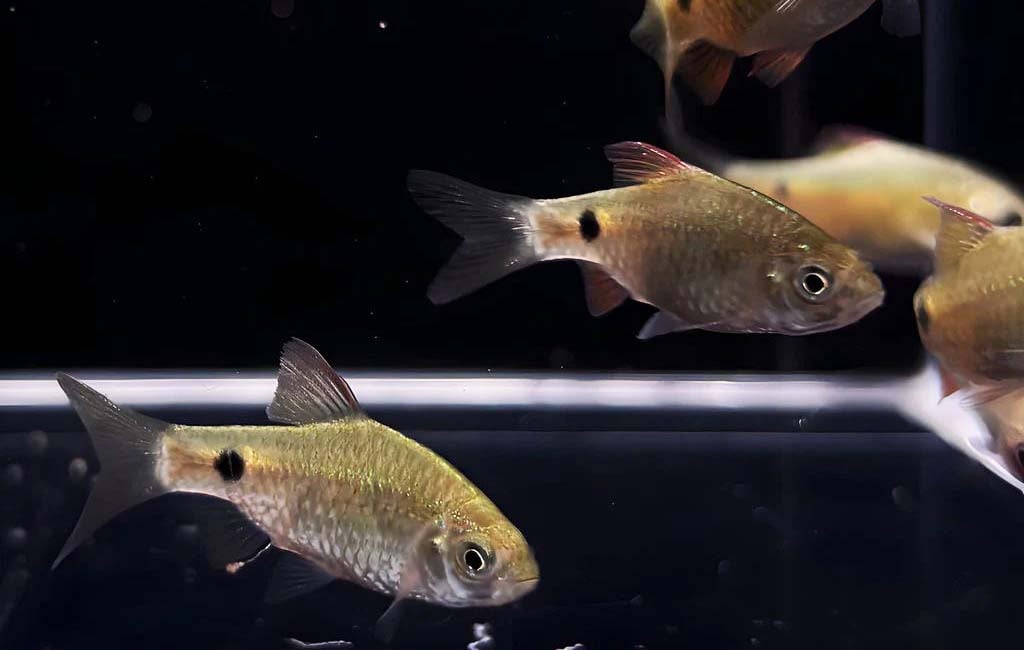
Rosy barbs are very tough, yet they are susceptible to the prevalent freshwater fish diseases. The most common ones are ich (white spots), fin rot, and fungus. The primary causes are poor water quality, abrupt temperature variation, or stress.
New fish should always be quarantined before they are introduced into your main tank to avoid the spread of sickness. Continue with the water monitoring and check the ammonia, nitrite, and nitrate levels regularly. The healthy rosy barb will exhibit bright colors, regular appetite, and swimming activity.
Signs of possible health problems include:
- Faded color or clamped fins
- Rapid gill movement or gasping at the surface
- Loss of appetite or sluggish behavior
- White spots or unusual growths on the body
Wrapping Up
Rosy barbs are the ideal formula for any individual who wants to introduce color, movement, and energy to his or her aquarium. They are easy to keep, durable, and maintenance-free, and hence ideal for beginners. Nevertheless, they still require adequate space, consistent water quality, and companionship to thrive.
With a regular care regime, a healthy diet, and clean surroundings, you will be able to enjoy their bright look and happy spirit on a long-term basis. Whether you’re building your first community tank or expanding your aquarium collection. Rosy barbs are a rewarding species that never fail to bring beauty and charm to your underwater world.
Related Products





Leave a comment