
Omnivorous fish are among aquarists’ favorites. They love them due to their food adjustment. If someone inspired you to have omnivorous fish or you already have a plan, it is vital to learn about how to take care of them, such as the omnivore fish diet and their feeding habits. All of these topics are covered in the following. At the end of the article, you will also find the tips for a better omnivorous fish care guide.
Content Table
Are Fish Omnivores
Are Fish Omnivores?
What Is Omnivore?
Omnivores are species that eat plant-based food and meaty diets. Omnivore comes from the combination of two Latin words, i.e., omnis and varore. Omnis, meaning “all” and varore, meaning “to all”. In short, these are such living beings that eat all.
Omnivores Fish
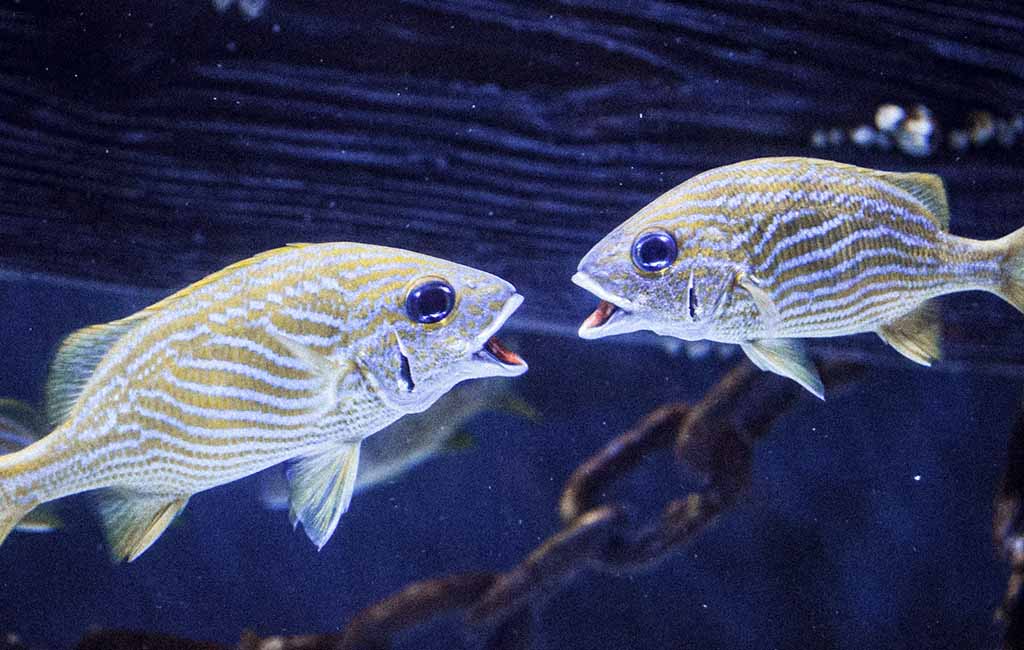
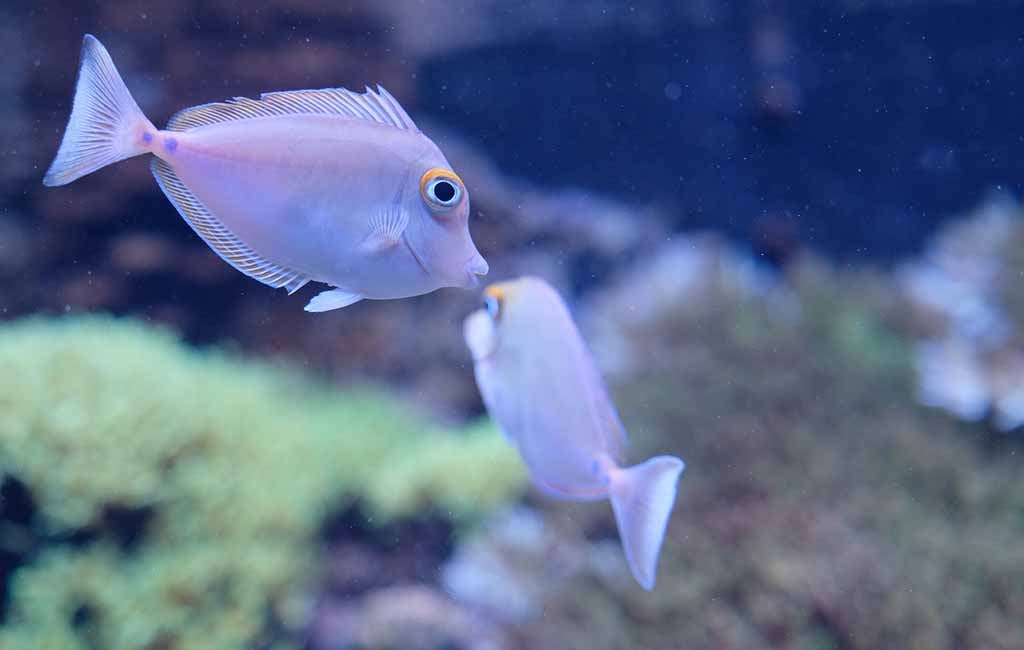
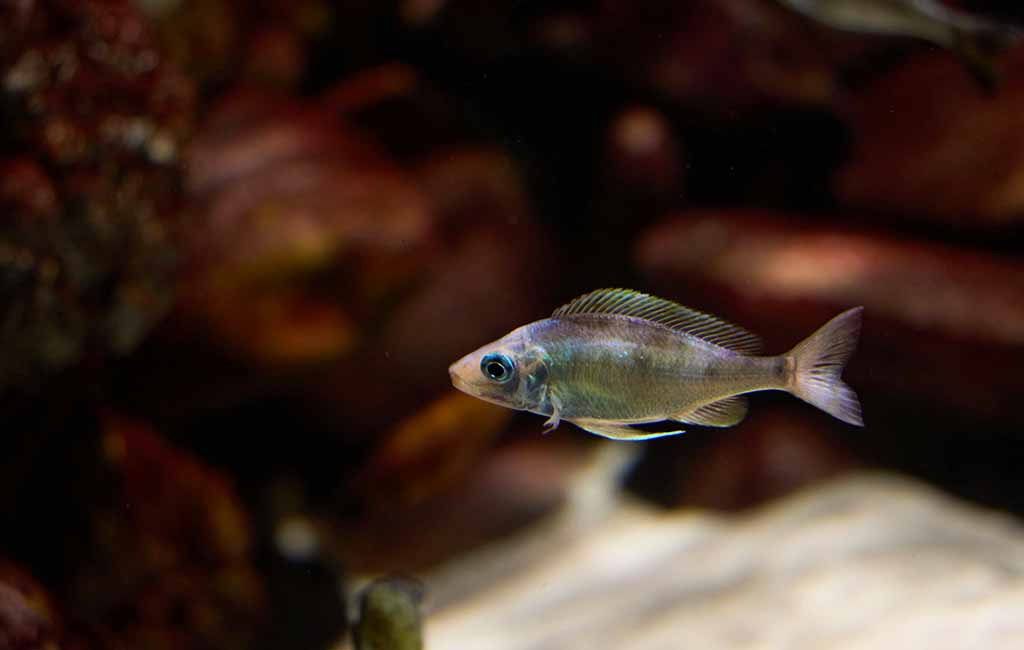
Omnivorous fish are such fish species that feed on algae and other plant food and feast on other animals for meat. They eat whatever is available in their surroundings. As they feed on everything, most aquarists love to keep them in their tank.
Peculiarities
- They have a Broad Enzymatic Profile. They produce higher amylase, which helps them to digest plant-based diets. Moreover, they also produce protein-digesting enzymes, which help them to digest a protein-based diet.
- They have trophic versatility. This makes them primary, as well as secondary and tertiary consumers.
- They have an intermediate tooth structure, i.e., neither sharp like carnivores nor flat like herbivores.
- They have higher Dietary Plasticity, which allows them to feed on any available food.
- They have diverse microbiota.
- They have a larger digestive tract than herbivores and a shorter digestive tract than carnivores.
Habitat
These fish usually live near the bottom, near the mud or algae, to feed them properly. They live in the following environments.
- Shallow and nutrient-rich wetlands
- Nearshore areas with dense aquatic plants (macrophytes)
- Slow-moving rivers
- Lakes
- Coral reefs
Basic Profile
| Feature | Details |
| Diet Type | Plants and Animals |
| Feeding Flexibility | High |
| Natural Habitat | Rivers, lakes, streams, rice paddies |
| Common in Aquariums? | Very common |
| Difficulty in Feeding | Easy to moderate |
Omnivore
Aquarium Fish That Are Omnivores
Actually, aquarists love to keep omnivore fish due to their dietary flexibility. Here are some common omnivore fish species.
- Goldfish
- Guppies
- Angelfish
- Oscar Fish
- Corydoras Catfish
- Tetras (Neon, Cardinal, Diamond, Ember, Buenos Aires, and Black Widow tetras)
- Mollies
- Platies
- Barbs (like Tiger Barbs)
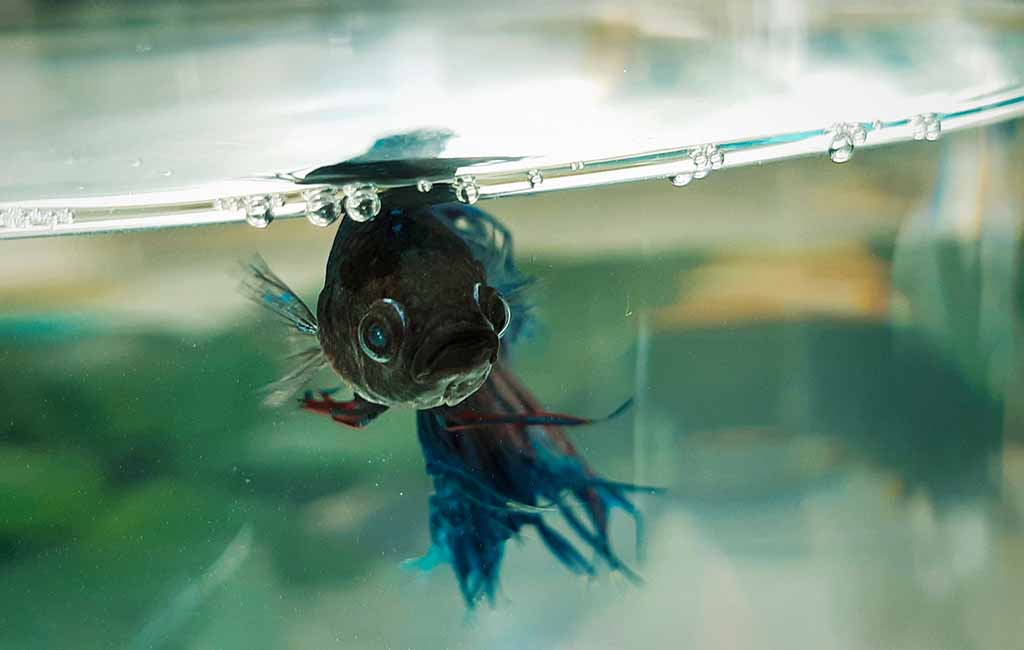
- Betta Fish (opportunistic omnivores in captivity)
The Care Guide for Aquarium Omnivore Fish
Having omnivore fish in the tank does not mean that you can feed anything and they will live. They have special care requirements. If you are fulfilling that, they will live an optimal life. Here is a proper care guide for aquarium omnivore fish.
Tank Size
An optimal tank size is the most basic requirement. As their size and temperament vary. Therefore, I can’t suggest one tank size. Here are different tank sizes.
| Category | Example | Tank size (gallons) |
| Small | Guppies | 10 to 20 |
| Mollies | ||
| Tetras | ||
| Medium | Angelfish | 30 to 55 |
| Barbs | ||
| Large | Oscars | 75+ |
| Large cichlids |
Water Parameters
Optimal water parameters help to keep them living long and healthy. Here are the optimal water parameters.
| Parameter | Recommended Range |
| Temperature | 72°F – 82°F (22°C – 28°C) |
| pH Level | 6.5 – 7.8 |
| Ammonia | 0 ppm |
| Nitrite | 0 ppm |
| Nitrate | Under 20 ppm |
Tank Decor and Plant
Omnivores love to hide themselves under plants and decorations. Here are some suitable tank decorations and plants that help to keep them stress-free.
- Live or fake plants
- Rocks and caves
- Driftwood
- Smooth gravel or sand substrate
Suitable Tank Mates
Most omnivore fish are peaceful. However, there are some aggressive species as well. Therefore, always check the fish’s temperament and introduce the fish tank mate that matches the existing fish’s temperament.
Lighting
No special lighting is required. Only keep them under the aquarium lights for 10 to 12 hours daily.
Omnivorous Fish Care Guide
Common Cross-Over Foods for Omnivorous Fish
Cross-over food is a food that plant-based diet eaters and protein-based diet eaters eat. Brine shrimps and spirulina flakes are examples of such food. Here are some plant-based, protein-based, and manufactured diet options.
Plant-Based Diet
- Algae wafers
- Spirulina flakes
- Blanched zucchini
- Peas
- Spinach
- Aquatic plants (Java fern, Java moss)
- Cucumber slices
Protein-Rich Diet
- Brine shrimp (live or frozen)
- Bloodworms
- Daphnia
- Tubifex worms
- Micro pellets with fish meal
Manufactured Diet
- High-quality flake food
- Sinking pellets
- Freeze-dried foods (krill, bloodworms)
Cross-Over Food
| Food Type | Examples | Best For |
| Flake Food | Tropical flakes | Guppies |
| Color flakes | Tetras | |
| Mollies | ||
| Pellets | Sinking | Goldfish |
| Floating pellets | Cichlids | |
| Oscars | ||
| Live Foods | Brine shrimp | All omnivores |
| Daphnia | ||
| Frozen Foods | Bloodworms | Medium to large omnivores |
| Krill | ||
| Vegetables | Peas | Platies |
| Spinach | Goldfish | |
| Zucchini | Mollies | |
| Algae Products | Spirulina wafers | Mollies |
| Algae sheets | Corydoras | |
| Barbs |
Feeding Habits of Omnivorous Fish
The Feeding Habits of Omnivorous Fish
Knowing the feeding habits of your fish is crucial. It helps to optimize the feeding, improve health, and reduce waste.
Feeding Frequency
The first thing to know about your omnivorous fish is how many times it requires food daily. The feeding frequency varies according to age. Here is a table to better understand.
| Age group | Feeding Frequency |
| Fry or younger | 3 to 4 times daily |
| Adults | 1 to 2 times daily |
Feeding Quantity
Add such a quantity to the tank that the fish can consume within 2 to 3 minutes. After that, remove the food from the tank.
Step-By-Step Feeding Tutorial
- Select the correct food according to the fish, pellets, or other dietary options.
- Add a small quantity of food to the tank. If they consume it before 2 to 3 minutes, add more food.
- Slowly introduce the food to the tank so that each fish has a fair share of the diet.
- After 2 to 3 minutes, remove the leftover food from the tank.
- Make the diet versatile, i.e., feed a varying diet throughout the week.
Tips
- Give your fish rest for one day a week. 1 fast per week.
- Don’t feed the dry food directly to the fish. Soak it in water before feeding.
- Always drop the sinking pellets near the bottom dwellers so that they don’t miss out while feeding.
- Remove vegetables after 24 hours.
- Use a feeding ring for feeding. It will make the cleanup easy and reduce the waste in the tank.
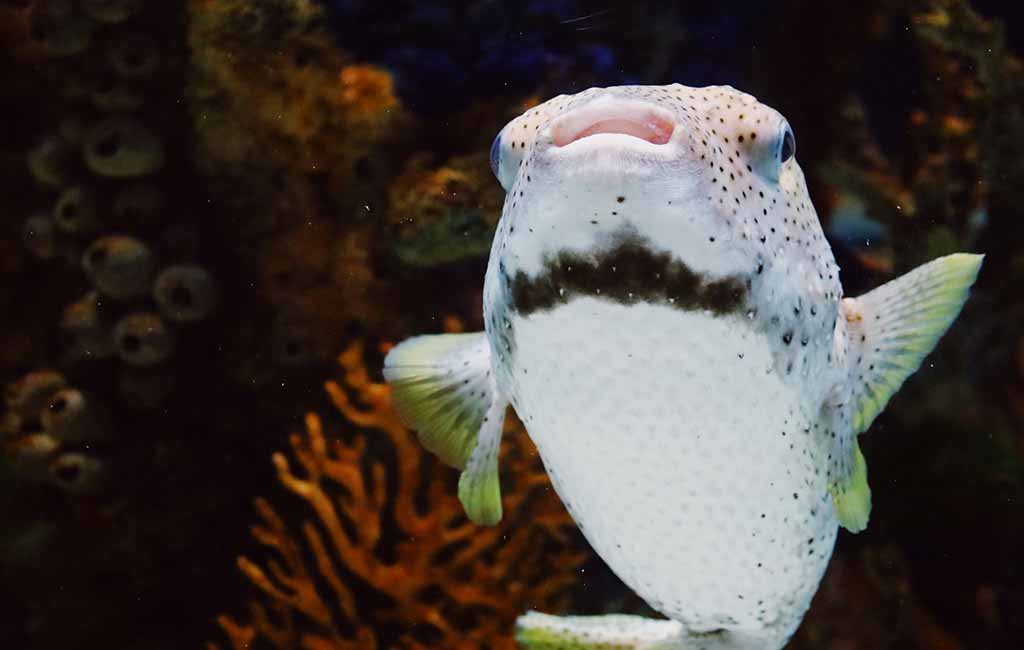
Omnivores fish
Concluding Remarks
Omnivorous fish species eat protein-based and plant-based food. They are an aquarist’s favorite due to their dietary plasticity. Feed the adult twice daily and 3 to 4 times to fry with varying food options to keep their interest in food. Feeding in small quantities and near the bottom dwellers improves the feeding efficiency.
Related Products




Leave a comment