
You spend good money on your aquarium setup. You pick out the fish carefully, balance the water chemistry, and do your best to keep things running smoothly. Then one morning, you notice the tank looking a little green, and a few days later, your fish are acting strange. Lethargic. Off their food. Maybe worse. Most people blame water quality right away, and that is fair. But there is a quieter culprit that does not get enough attention: algae. Knowing how fish diseases caused by algae actually happen, and what you can do about them, could genuinely save your fish.
Content Table
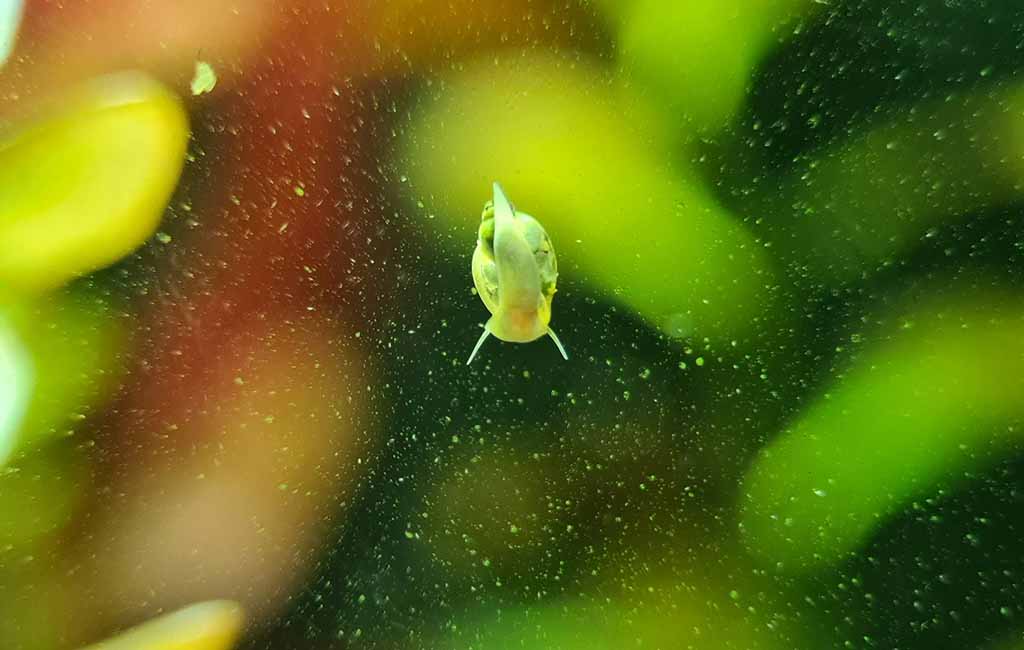
fish diseases caused by algae
Will Fish Get Sick from Algae?
Yes, absolutely. It depends on the type of algae, how much of it is growing, and how fast things spiral out of control. Not every green bloom is a death sentence for your tank. Some algae, in small amounts, are actually normal and even beneficial. The problem starts when certain species of algae overgrow, when water conditions create the perfect storm for toxic varieties to take hold, or when algae physically disrupts the environment your fish depend on.
Here is what an out-of-control algae bloom actually does to a fish tank:
- Oxygen depletion: Algae consume oxygen at night through respiration. A heavy bloom can strip so much dissolved oxygen from the water overnight that fish essentially suffocate by morning.
- pH swings: During the day, algae absorb carbon dioxide and push the pH up. At night, the reverse happens. These wild swings stress fish, weakening their immune systems over time.
- Ammonia spikes: When large amounts of algae die off suddenly, they decompose fast. That decomposition process releases ammonia, which is toxic to fish even at low levels.
- Physical obstruction: Dense algae mats can trap fish, block filtration systems, and cut off circulation in parts of the tank.
So yes, fish can and do get sick from algae. It just happens in a few different ways depending on the situation.
Effects of Harmful Algal Blooms on Fish Tank Inhabitants
Harmful algal blooms (HABs) are not just an outdoor, open-water concern. They can happen in home aquariums too, particularly in tanks with poor circulation, excessive light, or elevated nutrient levels due to overfeeding.
The most concerning types for aquarium fish are cyanobacteria (often called blue-green algae, though they are technically bacteria) and certain dinoflagellates. Here is how they affect your fish:
- Toxin production: Cyanobacteria produce cyanotoxins that attack the liver, nervous system, and skin of fish. Even low-level exposure causes chronic stress and organ damage.
- Skin and gill irritation: Some algae release compounds that irritate gill tissue, making it harder for fish to breathe efficiently. You might notice fish gasping at the surface or rubbing against objects.
- Feeding disruption: A tank choked with algae makes it hard for fish to find food. Stress from competition with algae mats, combined with reduced appetite from toxin exposure, leads to rapid weight loss.
- Behavioral changes: Affected fish often become reclusive, lose color vibrancy, or swim erratically. These are early warning signs that something in the water is making them sick.
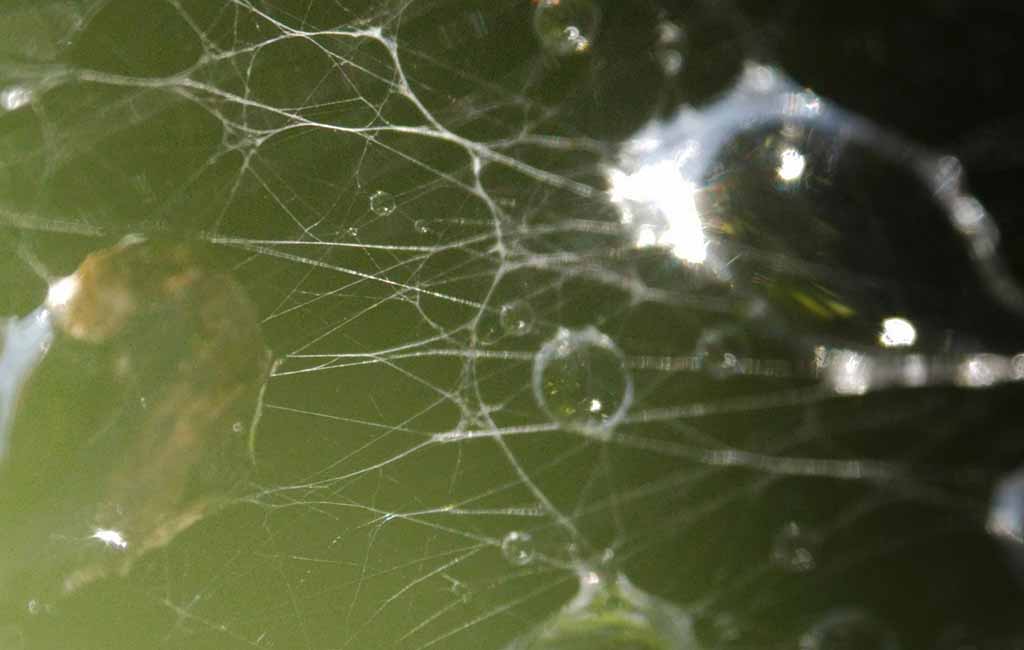
fish algae-related diseases
Aquarium Fish Diseases Caused by Algae
This is where things get specific. Fish algae-related diseases are real, documented, and more common than most hobbyists realize.
1. Fin Rot Triggered by Algae-Related Water Degradation
Fin rot is caused by bacteria, but algae blooms create the exact conditions those bacteria love. When dying algae spike ammonia and nitrite levels, fish become stressed and immunocompromised. Bacterial infections like Aeromonas and Pseudomonas then take advantage. You first see ragged, discolored fin edges, then progressive tissue loss.
2. Velvet Disease (Oodinium)
The parasite responsible for velvet disease, Oodinium pilularis, thrives in tanks where algae blooms have disrupted water chemistry. Infected fish develop a fine, gold or rust-colored dusting on their scales. They scratch against surfaces constantly and breathe rapidly because the parasites attach to gill tissue.
3. Ich (White Spot Disease)
Ichthyophthirius multifiliis, the parasite behind ich, does not come from algae directly. But the immune suppression caused by algae-related toxins and oxygen fluctuations makes fish dramatically more vulnerable to ich outbreaks. You see white spots that look like grains of salt across the body and fins.
4. Columnaris (Saddle Back Disease)
This bacterial infection, columnaris disease, is caused by Flavobacterium columnare and takes hold readily in stressed fish. Algae-degraded water quality is a common trigger. Symptoms include white or gray patches, frayed fins, and lesions near the dorsal fin area.
5. Gill Disease from Cyanobacteria
Direct exposure to cyanobacterial blooms causes gill tissue damage. Affected fish show labored breathing, loss of appetite, and swollen gill covers. If the bloom is severe and prolonged, damage can become permanent in fish.
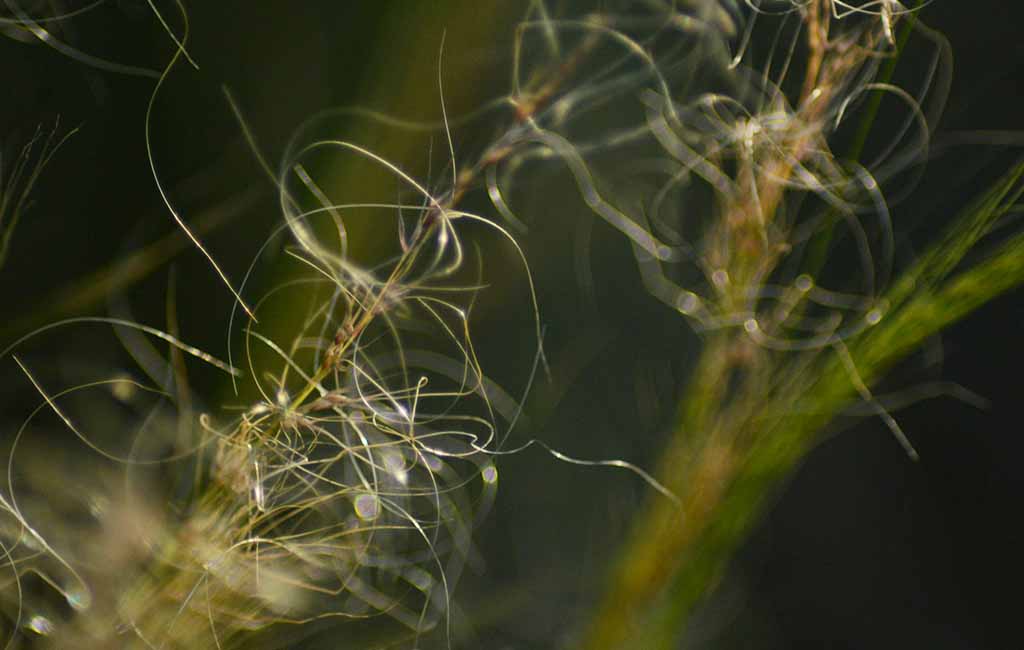
Treatment for Fish Diseases Caused by Algae
Treatment for Fish Diseases Caused by Algae
Before you treat the disease, address the algae problem. Treating symptoms without fixing the root cause is like mopping the floor while the faucet is still running.
For bacterial infections (fin rot, columnaris)
Broad-spectrum antibiotics like erythromycin or kanamycin are effective. Isolate affected fish in a quarantine tank, perform partial water changes to reduce bacterial load, and keep water temperature stable. Add aquarium salt at 1 teaspoon per gallon to support osmoregulation.
For velvet disease
Copper-based medications are the standard treatment. Remove activated carbon from the filter before dosing since it absorbs medication. Dim the tank lighting because Oodinium relies on photosynthesis to survive. Raising water temperature slightly (if species-appropriate) speeds up the parasite lifecycle and makes treatment more effective.
For ich
Gradual temperature increase combined with ich-specific medications containing malachite green or formalin works well. Treatment needs to continue for at least two weeks to catch all lifecycle stages of the parasite.
For gill disease from cyanobacteria
Perform a 30% water change immediately. Use erythromycin, which is specifically effective against cyanobacteria. Support affected fish with clean, well-oxygenated water and reduce feeding temporarily to lower nutrient output.
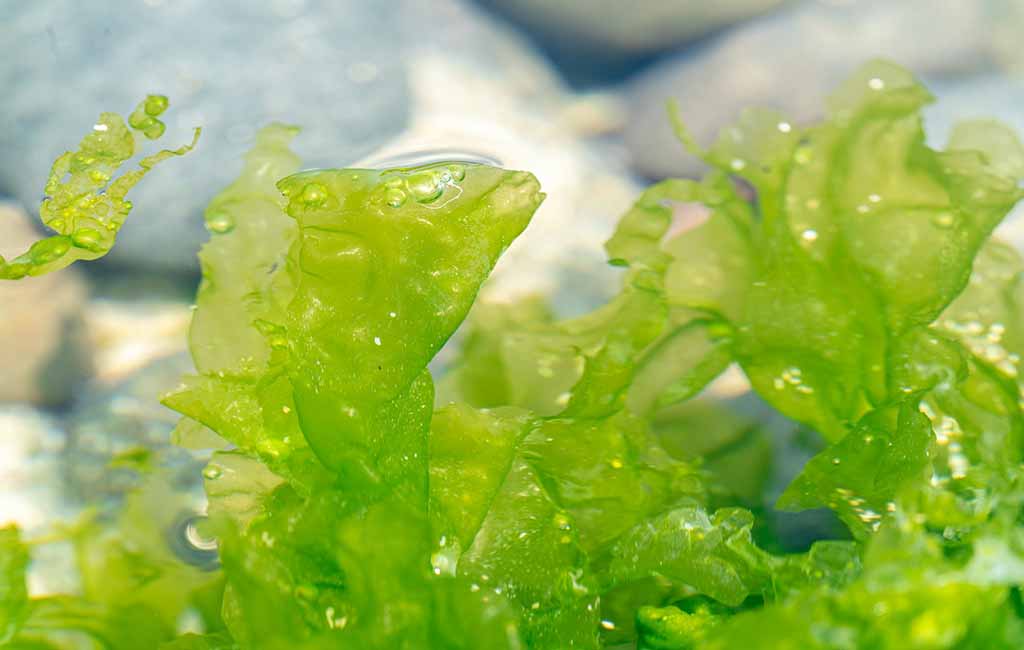
How to Kill Algae Without Killing Fish
How to Kill Algae Without Killing Fish in Aquariums
Here is the part most people get wrong. You notice algae, panic, and dump in a bunch of algaecide. Then you end up with a tank full of dying algae, a massive ammonia spike, and fish that are worse off than before.
Killing algae safely is all about doing it gradually and methodically.
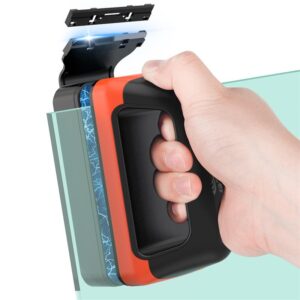
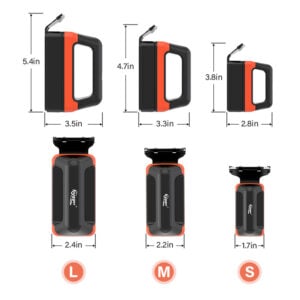
- Manual removal first: Before using any chemical treatment, physically remove as much algae as possible. Use a magnetic glass cleaner for surfaces, an algae scraper for stubborn spots, and a gravel vacuum to pull out settled organic matter from the substrate.
- Reduce lighting duration: Most algae need significant light to grow. Drop your lighting period to 6 to 8 hours per day. If you have a planted tank, this is a calculated short-term sacrifice to get algae under control.
- Introduce natural grazers: Nerite snails, otocinclus catfish, Siamese algae eaters, and Amano shrimp are all excellent biological control options. They eat algae constantly without harming fish or plants.
- Use hydrogen peroxide (H2O2) carefully: A targeted dose of 1.5 ml per 10 gallons, applied directly to algae patches with a syringe while the filter is off, kills algae without harming fish if done correctly. Wait 10 minutes, then turn the filter back on.
- Try commercial treatments cautiously: If you use commercial algaecides, choose one that is clearly labeled safe for fish and invertebrates. Dose at half the recommended amount initially and watch fish behavior closely for 24 hours. Never do a full chemical treatment while there is a disease outbreak happening simultaneously.
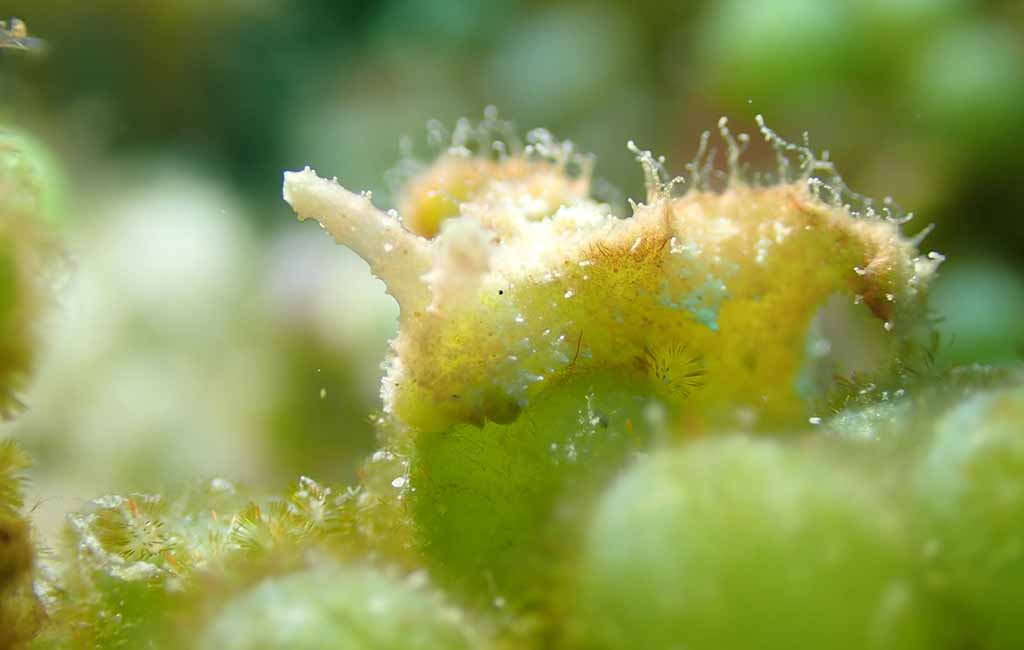
prevent algae outbreaks
How to Prevent Algae Outbreaks Again in Your Tank
Treating an algae problem is exhausting. Preventing it from coming back takes consistency, but it is genuinely manageable once you build it into your routine.
Control Your Nutrient Levels
Algae feed on nitrates and phosphates. Overfeeding is the number one driver of nutrient buildup. Feed only what fish can consume in two to three minutes, and do that once or twice a day. Regular water changes of 20 to 25% weekly keep nitrate levels from creeping up.
Get Your Lighting Right
- Limit lighting to 8 hours daily, especially in tanks without live plants
- Avoid placing the tank near windows where natural sunlight can hit it
- Use a timer so tank lighting is consistent rather than irregular
Improve Water Circulation
Stagnant areas in a tank are breeding grounds for algae. Make sure your filter returns and any wave-making pump creates flow throughout the entire tank, including corners and behind decorations.
Add Live Plants
Live plants compete directly with algae for nutrients. Fast-growing stem plants like hornwort, water sprite, and rotala are particularly effective because they aggressively absorb nutrients.
Perform Regular Maintenance
- Clean filter media monthly (in tank water, not tap water)
- Vacuum the substrate every two weeks
- Wipe down the glass weekly before algae has a chance to establish
Test Your Water Weekly
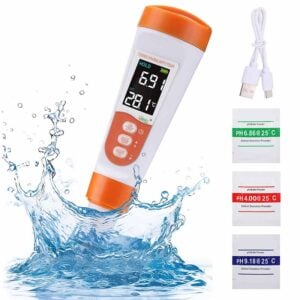
Get a basic test kit for ammonia, nitrite, nitrate, and pH. Staying ahead of water chemistry issues means you catch the conditions that lead to algae outbreaks before they become actual outbreaks.
Concluding Remarks
Algae problems in aquariums almost always come down to an imbalance that was allowed to grow unchecked. The good news is that once you understand how fish diseases caused by algae actually develop, you stop playing defense and start making smarter decisions about your tank.
Prevention really is the most effective treatment here. Keep nutrient levels low, maintain good water flow, stay on top of weekly care, and introduce some natural algae-eaters. Your fish will be healthier, your tank will look better, and you will spend far less time dealing with outbreaks and fish algae-related diseases. A little consistent effort goes a long way in this fishkeeping hobby.
Related Products

Leave a comment