
You want a stable tank, one that does not require constant regulation. The creation of this balance involves the breaking down process of nitrates to harmless nitrogen gas carried out by anaerobic bacteria.
Content Table
These bacteria dwell in low-oxygen spaces and play a significant role in closing the nitrogen cycle. Aerobic bacteria are the only bacteria that are given attention by many aquarium owners, as they survive in filters and treat ammonia.
Nevertheless, both types of bacteria are important, and they have diverse functions. Knowledge of anaerobic bacteria will allow you to maximize filtration and more healthier long-term conditions of the tank. This hygger guide will assist you in knowing these bacteria and how to nourish them in your tank.

What are anaerobic bacteria
What are Anaerobic Bacteria?
Anaerobic bacteria do not require oxygen to survive. They swim in deep layers of tanks that are inaccessible due to the lack of oxygen.
These bacteria like narrow surfaces, stagnant zones, and surfaces not exposed to atmospheric air. You discover them in deep beds of sand, porous rocks, and closed filter areas. They are primarily employed to decrease the nitrates and convert them to nitrogen gas. This is to ensure your water is kept clean and steady.
Anaerobic bacteria tend to remain in the substrate in fish tanks. They can rest in such locations where the levels of oxygen remain very low in nature. Even though you may not want to host anaerobic bacteria, there is a chance that your tank harbors some form of these bacteria.
They are slow-growing, and therefore, they require environmental stability, which must not be disturbed. Their growth is inhibited by a strong flow of water, and they flourish in mild and controlled conditions.
The aerobic bacteria are the most targeted by most of the aquarists since they manage ammonia and nitrites. However, the last step of filtration is done by anaerobic bacteria. In their absence, nitrates gradually accumulate and have negative effects of causing stress to sensitive fish. When your tank contains high nitrates even after frequently replacing the water, consider establishing small anaerobic spots.
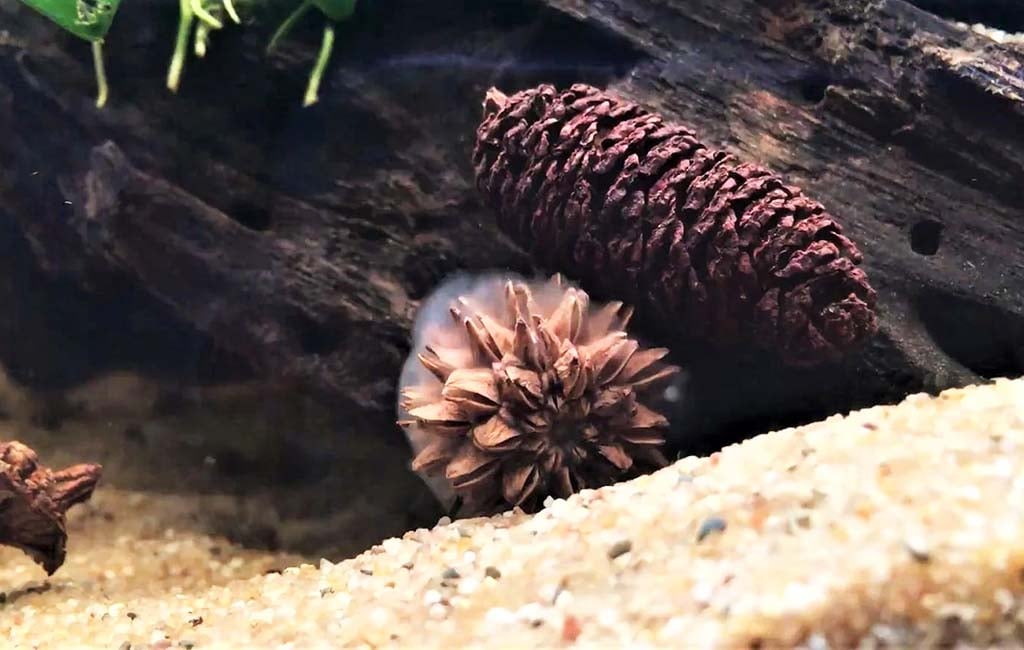
anaerobic bacteria in a fish tank
The Myths of Aquarium Anaerobic Bacteria
In aquarium societies, there is much mind-boggling information about anaerobic bacteria. There are a lot of myths since people do not understand the operation of these bacteria. We should get rid of some of those stereotypes so that you are not afraid of dealing with them.
Myth 1: Anaerobic bacteria only grow in dirty tanks.
This concept is misguided since these bacteria like clean and stable systems. They develop in deep layers of water where oxygen is not available, not in polluted water.
Myth 2: Anaerobic bacteria produce toxic gas that kills fish.
Others are afraid of hydrogen sulfide, which is formed in extreme conditions. Only under the condition of large volumes of organic waste, this gas can occur. When a tank is kept in good condition, it does not give off harmful gases due to the normal anaerobic activity.
Myth 3: You cannot control anaerobic bacteria
The combination of the correct depth of substrate, flow regulation, and tank configuration can ensure their development. An anaerobic zone is used with a lot of success on many reef tanks and planted tanks.
Myth 4: Water changes alone handle nitrate problems.
Water changes are advantageous, and it is more difficult to control nitrates in large aquariums. The nitrate can be reduced through long-term assistance of anaerobic bacteria.
Myth 5: Anaerobic bacteria replace all water changes.
These bacteria do not eliminate all waste, but only nitrate. You still have to maintain your tank regularly.
Clearing these myths helps you create better expectations. Anaerobic bacteria are not dangerous or difficult when managed correctly. They simply need the right environment to do their job quietly.
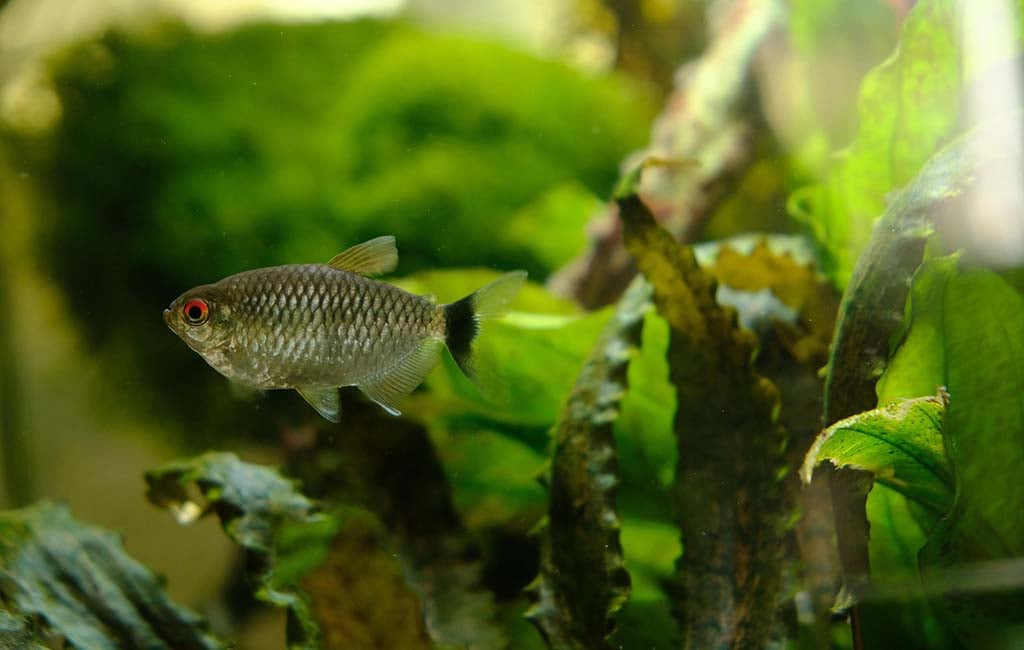
anaerobic bacteria
Tanks That Need Anaerobic Conditions
All tanks need good anaerobic areas. Others require them more due to the rate at which nitrate concentrates or is toxic to sensitive species. Before establishing such zones, you should be aware of those tanks that are most useful.
1. Reef Tanks
Live rocks require natural filtration, and this is facilitated by anaerobic bacteria in reef tanks. The abundance of nitrates is detrimental to corals, and thus, the anaerobic activity will be useful. Live rock may have natural anaerobic pores within the porous body.
2. Planted Tanks
Deep-based planted tanks are usually perceived to form an anaerobic environment beneath the root layer. The nitrates are utilized by the plants, but certain tanks give rise to a greater amount of nitrate than what the plants can absorb. An anaerobic bacteria are also controlled to stabilize the tank.
3. Large Freshwater Tanks
Big tanks generate greater amounts of fish waste, resulting in increased levels of nitrates. Anaerobic bacteria will supply a long-term reduction in nitrates to supplement your water changes.
4. Tanks With Deep Sand Beds
Deep sand beds form natural layers in which oxygen is not able to reach. With these layers, anaerobic bacteria grow without requiring additional equipment.
5. Tanks With Low-Flow Areas
Several low-flow tank sections tend to be anaerobic. Intentionally, the reduction of nitrates can be done in these areas.
6. Tanks With High Bioload
When the number of fish in your aquarium is large, or you have untidy eaters, then your water will accrue nitrates at a rate. The process of filtration can at times be strained, but anaerobic bacteria assist in relieving this burden.
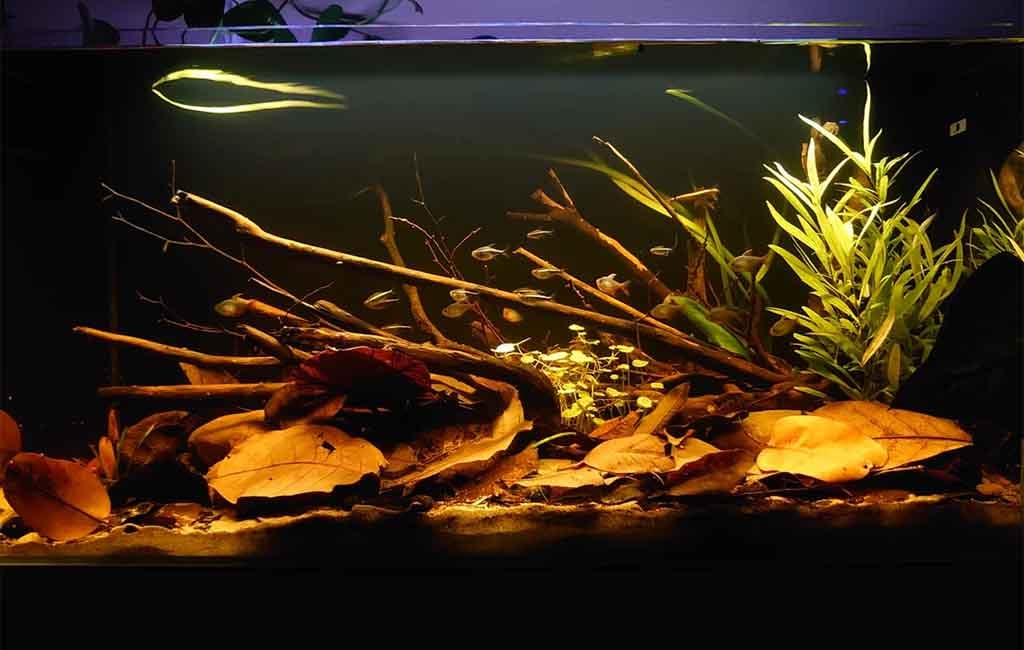
aquarium anaerobic bacteria
How to Maintain the Anaerobic Bacteria to Fit Your Fish Tanks
The care of the anaerobic germs is critical. The bacteria only grow after conditions remain constant. You must form low-oxygen voids without the development of harmful gases. These are the safe and useful methods of keeping anaerobic bacteria.
- Build a Deep Sand Bed
A deep sand bed assists in the formation of a natural layer of oxygen. The surface layer remains in an oxygenated condition, whereas the lower layers provide an anaerobic environment. Most tanks would work well in sand beds between four and six inches. Fine sand is used in order to stop the movement of oxygen into the deep cracks.
- Use Porous Rocks for Bacterial Housing
Live rock, lava rock, or ceramic media are porous rocks that assist the growth of anaerobic bacteria in small tunnels. These rocks maintain the inside in a state of oxygen deficiency and enable the free flow of water on the outside of the rocks. Use of live rock for this purpose is natural in many reef tanks.
- Add Denitrifying Filter Media
Developed anaerobic pockets are produced through the use of specific media such as bio-balls, ceramic rings, or sintered glass. They assist you in regulating the position of an anaerobic activity. Store this media in low-flow locations to avoid exposure to oxygen.
- Keep Water Flow Balanced
Great flow inhibits anaerobic growth by causing the dispersion of oxygen to be too rapid. Light and smooth flowing maintains the upper layers oxygenated, and deeper regions remain secluded. You do not desire affected spots, but you do not desire vigorous circulation.
- Avoid Aggressive Substrate Cleaning
Deep cleaning gets rid of the bacteria you are attempting to develop. Vacuuming should be done with mild use that does not clean below the surface. Do not touch deeper layers of substrate to preserve anaerobic zones.
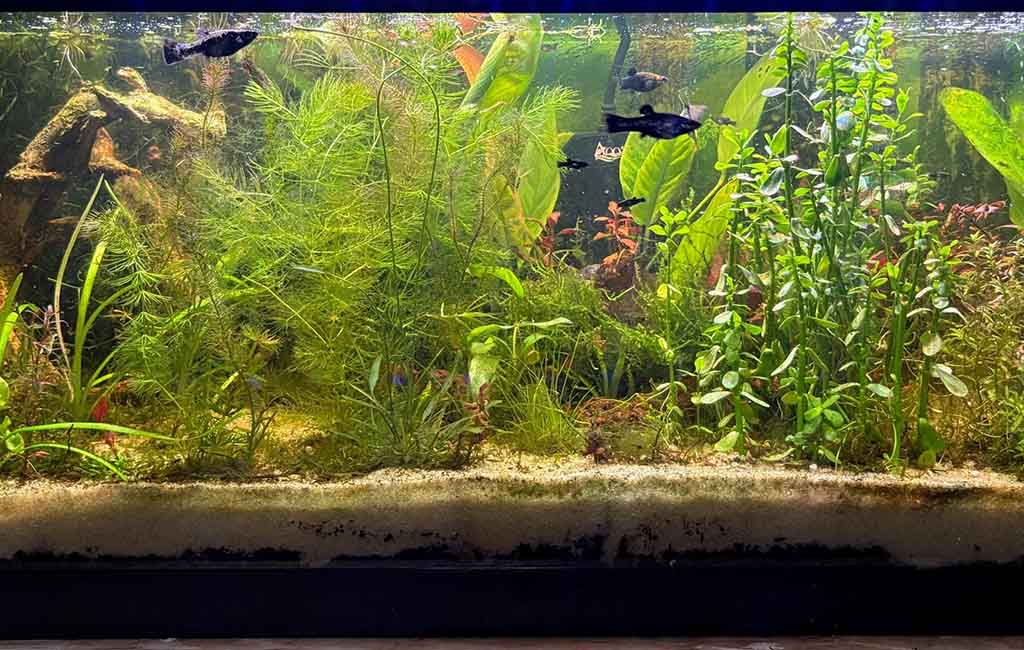
Maintain the Anaerobic Bacteria in the tank
- Prevent Overfeeding
Overeating results in the accumulation of waste, which leads to the formation of detrimental gas pockets. You should feed the right quantity to avoid surplus production of organic wastes in the tank. Healthy bacteria are grown by feeding on natural and stable food.
- Add Plants for Better Balance
Nitrates are absorbed by plants, and then the bacteria process the rest of them. This equilibrium will make sure that the substrate is not overwhelmed with waste. Proper anaerobic environments are generated through root zones that have been formed by healthy plants.
- Keep pH and Temperature Stable
Anaerobic bacteria weaken when pH swings or temperature changes quickly. Stable conditions help them grow consistently. Many aquariums benefit from steady water parameters that support all bacteria types.
- Use a Dedicated Denitrifying Filter
Some aquarists use specialized filters to remove nitrate using anaerobic bacteria in a fish tank. These filters create controlled low-oxygen chambers. They are helpful for large tanks or systems with high nitrate problems.
- Test Your Nitrate Levels Regularly
Monitoring nitrate levels helps you understand if your anaerobic zones are working. Healthy tanks show gradual nitrate reduction without sudden spikes. If nitrate levels rise sharply, check your feeding, cleaning routine, or media condition.
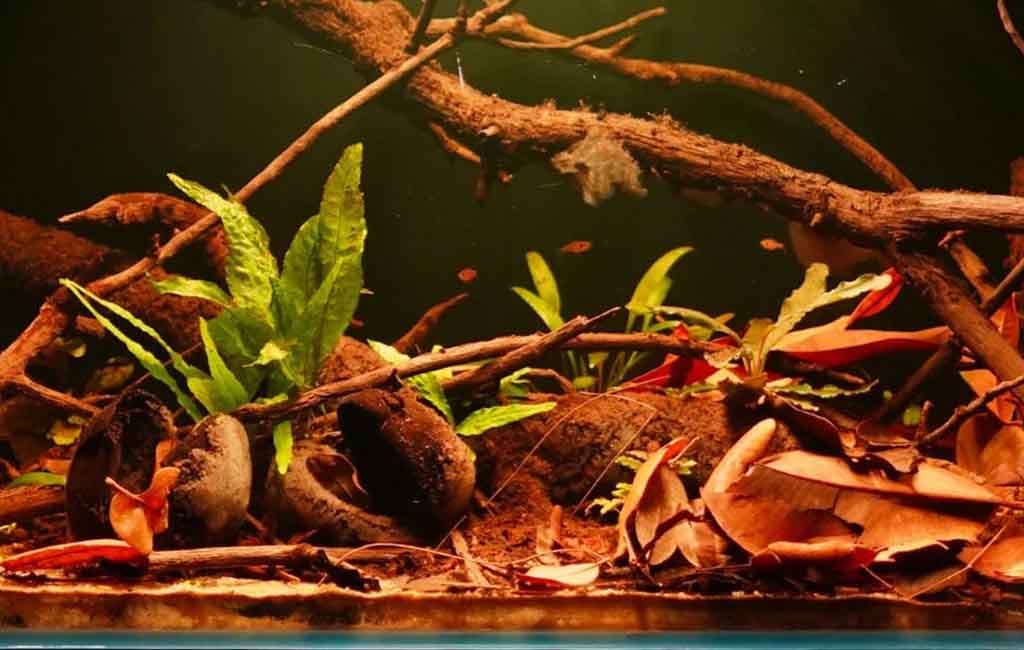
Test Your Nitrate Levels
Closing Remarks
Anaerobic bacteria are critical and needed to control the level of nitrate and increase the overall health of the tank in the long term. You can not see them, but they are doing the huge work of stabilizing your aquarium. Knowing the locations of the growth of these bacteria and how to nurture them is one way of keeping the system balanced.
All you require are deep substrates, porous rocks, continuous flow, and constant conditions. These elements are all you need to have a natural filtration to support your fish over time in your tank. Working together with both anaerobic and aerobic bacteria makes your tank healthier, cleaner, and easier to control.
Then leave it to these bacteria to quietly do their work, and you may enjoy a healthy aquarium with reduced amounts of stress.
Related Products



Leave a comment