
I have watched a perfectly healthy shrimp tank fall apart in under two weeks, and aquarium shrimp shell rot was the culprit every time. One week, everything looks fine. The next week, you notice white patches, pitting on the shells, and shrimp behaving strangely. It is one of those conditions that moves fast when ignored. I want to walk through what this condition actually is, how to spot it early, what shrimp shell rot treatment looks like in practice, and how to avoid shrimp shell rot before it touches your tank in the first place.
Content Table
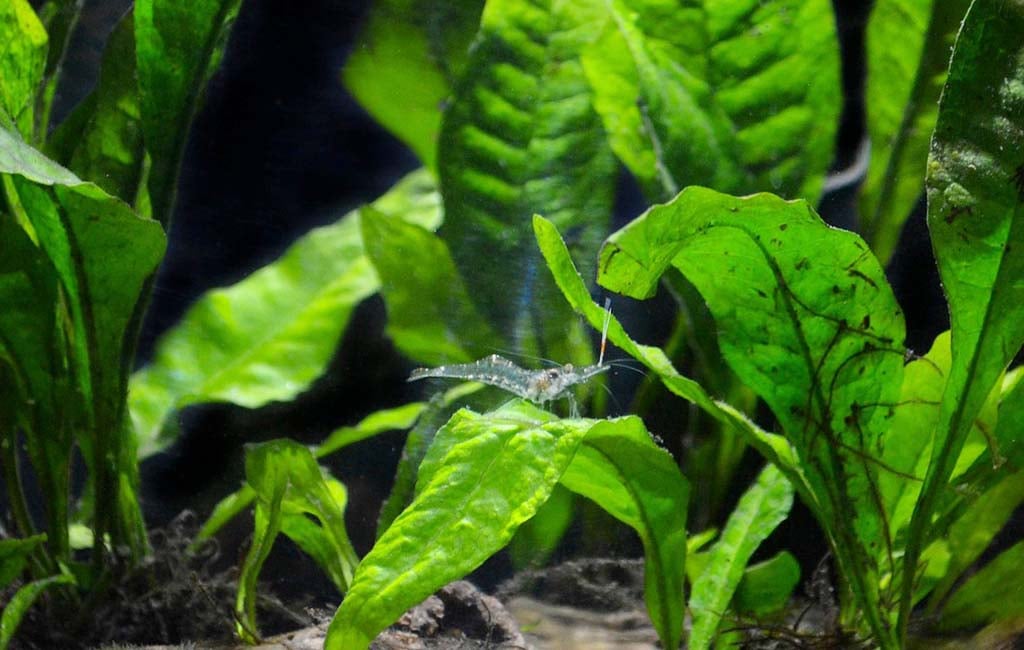
aquarium shrimp shell rot
What Is Shrimp Shell Rot
Shrimp shells are built from chitin, a tough but organic compound that needs stable tank conditions to stay intact. Aquarium shrimp shell rot occurs when chitinolytic bacteria start breaking down the chitin layer from the outside in. These bacteria exist in almost every aquarium, but they only become a real problem when water quality drops or the shrimp’s immune response weakens.
The rot does not always announce itself immediately. It starts as microscopic erosion on the shell surface before becoming the pitted, patchy appearance most keepers recognize. Fungal infections can cause a similar breakdown, though distinguishing the two often takes a closer look at texture and color patterns.
Poor water parameters are the most consistent trigger. Nitrite spikes, elevated ammonia, low mineral content, unstable pH. Any one of these creates enough stress to let bacterial activity accelerate past the shrimp’s ability to defend itself.
How Can You Tell If Shrimp Is Rotten
Signs to Watch For
The earliest signal is usually a dull, slightly rough texture on the shell that was smooth before. As the condition develops, look for:
- White or cream colored pits on the carapace (the main body shell)
- Brown or black spotting along shell edges
- Soft spots that appear almost see-through
- Erosion near the rostrum, which is the pointed structure near the shrimp’s head
- Incomplete or messy molts, where the shrimp struggles to shed cleanly
Worth noting: black spots on the shell look alarming, but do not always mean the shrimp is in danger. That part deserves its own section later.
Will Shrimp Shell Rot Heal on Its Own
Mild cases can resolve after a successful molt. When a shrimp sheds its damaged shell and grows a new one under stable water conditions, the replacement shell can form without the prior bacterial damage. So technically, very early-stage aquarium shrimp shell rot can improve on its own if the water quality issues get addressed quickly enough.
But here is the actual reality. If tank parameters stay off or the infection has progressed beyond light surface pitting, the shrimp will simply molt into another damaged shell. The cycle repeats. Repeated stressful molts weaken the shrimp further, which creates more opportunity for bacterial activity to take hold.
Waiting is not a shrimp shell rot treatment plan. Fixing the tank conditions is.
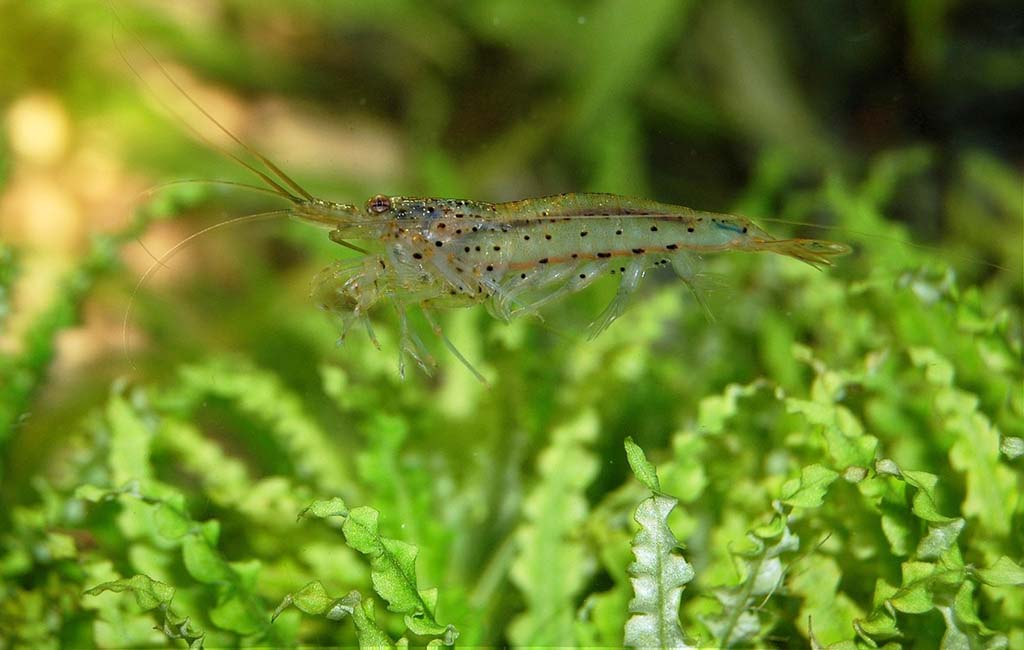
shrimp shell rot treatment
How to Treat the Shrimp Shell Rot
Effective shrimp shell rot treatment works on two fronts at the same time: reducing bacterial load and giving the shrimp the nutritional resources to produce a clean new shell.
Step One: Fix the Water First
- Perform a 20 to 30 percent water change immediately using dechlorinated water matched to tank temperature.
- Test for ammonia, nitrite, nitrate, pH, and GH (general hardness)
- For Neocaridina shrimp, target pH between 7.0 and 7.5 and GH between 7 and 15
- For Caridina shrimp, the pH is between 5.8 and 6.8, with GH between 4 and 6
Step Two: Add Mineral Support
Iodine plays a direct role in supporting healthy molting. Products like Seachem Iodide or a shrimp-specific mineral supplement added at the recommended dose help the shrimp form stronger replacement shells. Do not overdo it. Small, consistent additions during water changes work better than large, irregular doses.
Step Three: Treat Bacterial Activity if Needed
For moderate to severe aquarium shrimp shell rot, a broad-spectrum antibacterial product safe for invertebrates can help reduce the bacterial load in the tank. Products with Acriflavine or those marketed specifically for shrimp bacterial conditions are worth researching. One non-negotiable: check that any product you use contains zero copper. Copper is lethal to shrimp at very low concentrations.
Step Four: Quarantine Heavily Affected Shrimp
If one shrimp shows advanced erosion, move it to a separate container with clean, stable water. This reduces stress on that individual shrimp and limits the spread of bacterial activity through the rest of the colony.
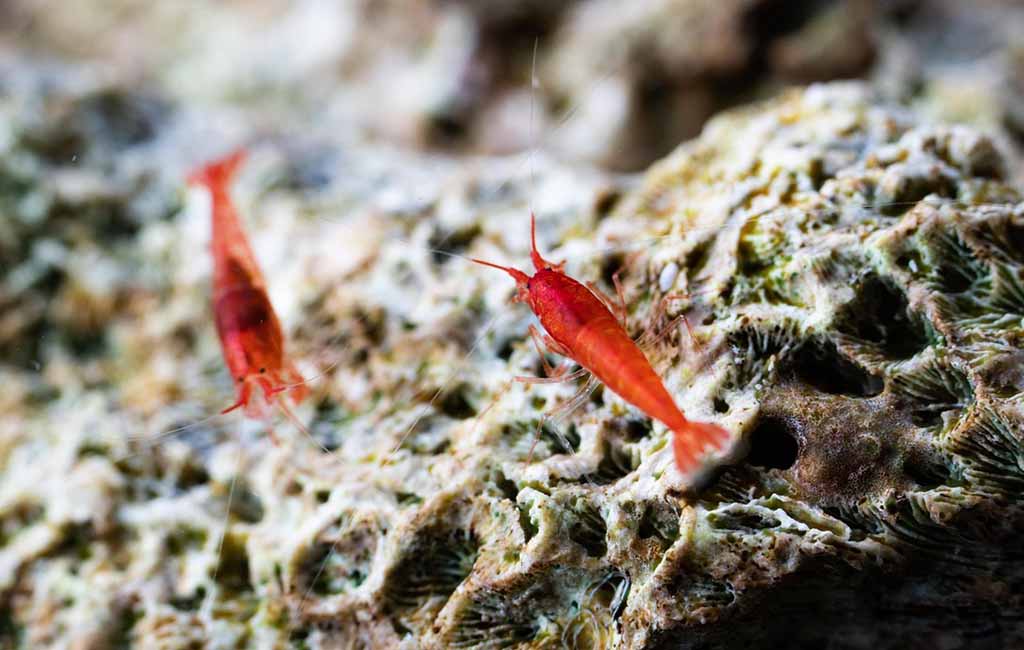
avoid shrimp shell rot
Prevent Aquarium Shrimp from Shell Rotting
To avoid shrimp shell rot before it starts, the focus belongs on two things: stability and nutrition.
- Stable parameters over perfect parameters: Shrimp reacts poorly to sudden shifts, even when the new numbers are technically correct. Gradual adjustments matter more than chasing ideal readings overnight.
- Varied, mineral-rich diet: Blanched spinach, specific shrimp pellets, and foods with natural calcium content all contribute to shell strength over time.
- No overfeeding: Leftover food degrades water quality faster than most keepers expect. Remove uneaten portions within two to three hours.
- Consistent water changes: Weekly changes of 10 to 15 percent keep the tank stable without stressing the colony with large volume shifts
- Appropriate filtration: Sponge filters are generally preferred for shrimp tanks because they provide solid biological filtration without pulling in juvenile shrimp
Following these consistently is how you avoid shrimp shell rot at the source rather than chasing it after the fact.
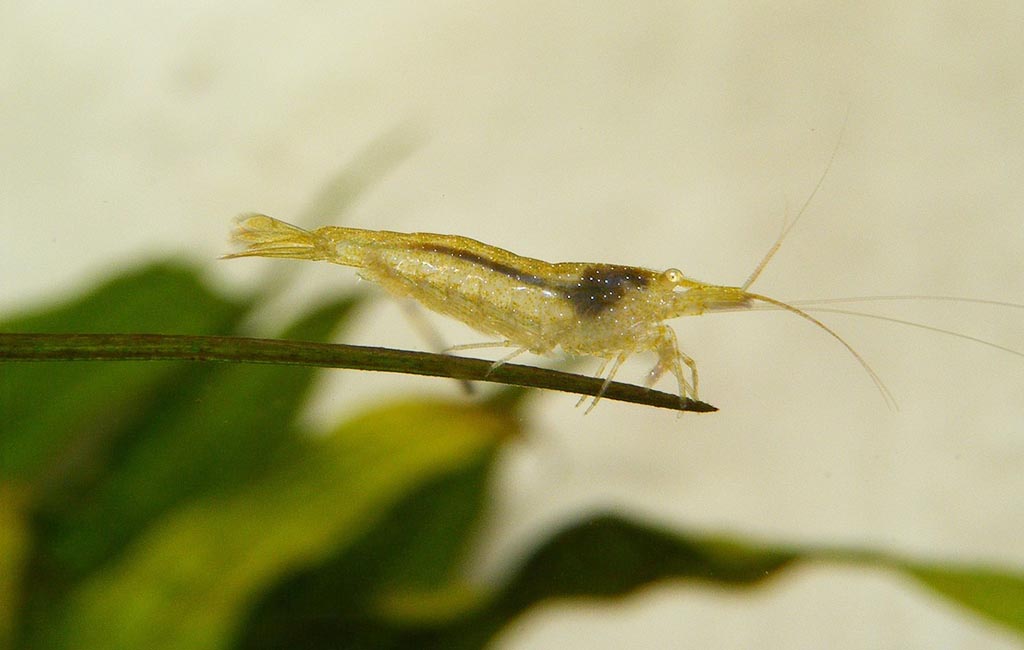
When Shrimp Shells Turn Black
When Shrimp Shells Turn Black
Black spots or patches on shrimp shells confuse a lot of keepers, and I get why. There are a few things that can cause it:
- Melanization
This is actually the shrimp’s immune system working. When the body detects bacterial intrusion, it deposits melanin around the affected area to contain the spread. The spot looks concerning, but the shrimp is actively responding to the problem.
- Arterial necrosis
In more advanced infections, black coloration marks tissue where the damage has already occurred. The texture usually gives it away. Melanization sits on top of an otherwise intact shell surface. Necrotic areas tend to feel soft or appear sunken.
- Environmental staining
Some keepers confuse dark coloring from tannin-heavy water or certain foods with shell rot. If the shrimp is eating, moving normally, and the shell texture is otherwise smooth, it is likely not a health issue.
When shells turn black, begin with a water test. If parameters are off, apply the shrimp shell rot treatment steps outlined earlier. If parameters are stable and the shrimp is behaving normally, monitor closely over the following week before introducing any treatment.
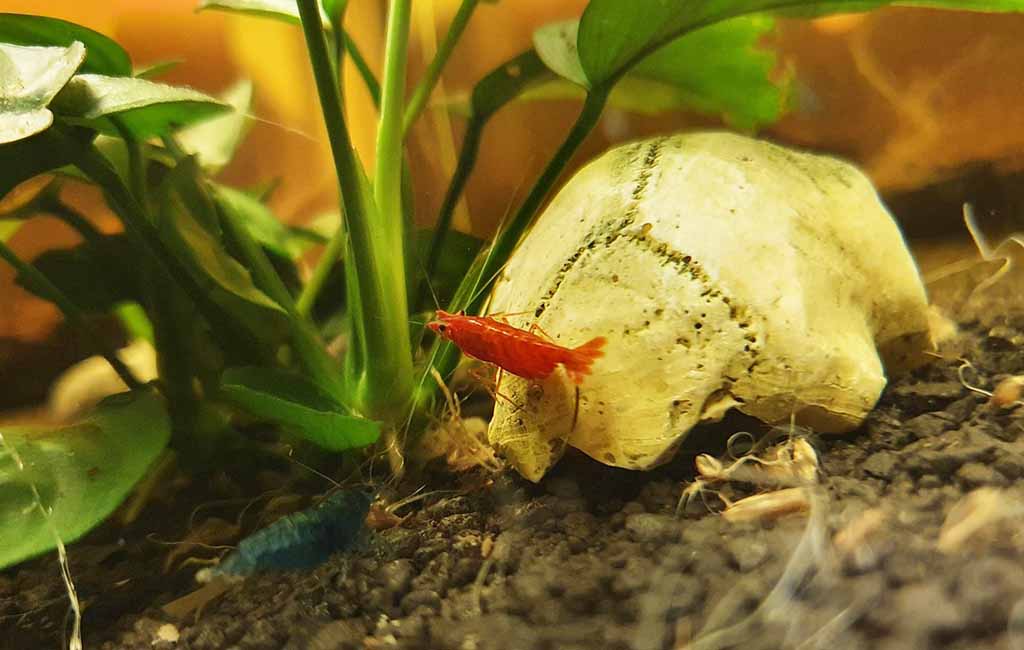
Prevent Aquarium Shrimp from Shell Rotting
Apply These Steps to See Immediate Improvement
Aquarium shrimp shell rot is manageable when caught early and treated with the right approach. The most common mistake I see is adding random products to the tank without addressing water quality first. Start there. Add mineral support alongside it. Move to antibacterial treatment only if the infection has already progressed. To avoid shrimp shell rot long-term, consistency in feeding, water changes, and parameter stability matters far more than any single product. A stable tank gives shrimp what they need to molt cleanly, resist minor bacterial exposure, and stay in genuinely good condition.
Related Products

Leave a comment