
Aquatic food webs make some of the most intricate and interesting systems in nature. These networks demonstrate the movement of energy and nutrients in the water ecosystems. They encompass all forms of life, including microscopic plankton and huge whales, showing the dependency of each species on the other to survive.
Content Table
Knowledge of aquatic food webs is important to the maintenance of ecosystems and the conservation of biodiversity. It also demonstrates how such complex relationships can be altered and influence the whole food chain due to human actions, such as pollution and overfishing.
In such ecologies, the energy moves among the organisms in several interlinked chains. In contrast to a food chain, a food web shows several feeding habits between organisms.
There are many predators and prey of each organism, forming a complex network. Through the study of aquatic food webs, scientists will be able to anticipate the way ecosystems will react to changes in the environment.
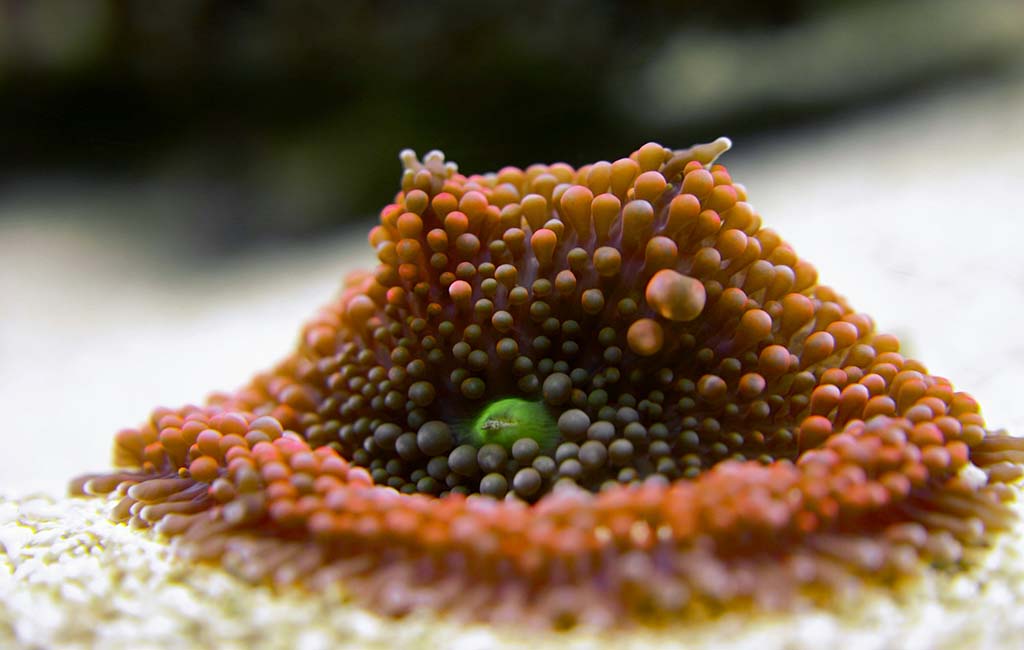
aquatic food webs
Aquatic Food Webs
An aquatic food web is an interrelationship in a water body of organisms through feeding relationships. These webs depict the way the energy moves from one organism to another. Energy typically begins with producers, like algae or phytoplankton, which transform sunlight into chemical energy by a process called photosynthesis.
These producers are then fed on by the primary consumers, and the energy is transferred down the food chain to the higher trophic levels. The primary consumers are fed upon by the secondary consumers, and the tertiary consumers feed upon the secondary consumers. The top predators of such food webs are apex predators such as sharks or large fish.
Microbes like bacteria and fungi are essential as they decompose dead organisms. They recycle the nutrients into the water, supporting primary producers. Water food webs usually comprise more species as well as chains than land ones. The reason is that water sustains a wide variety of species, and energy may transfer efficiently among many trophic levels. These webs reflect the fragility of the aquatic ecosystems and explain the role played by any organism.
The Steps in the Aquatic Food Chain
Aquatic food chains are made up of a number of different steps, or trophic levels. The levels indicate an alternate step in the exchange of energy and nutrients.
- Primary Producers: These organisms, e.g., the phytoplankton, algae, and seagrasses, are photosynthetic in nature. They constitute the foundation of the food web and are needed to support all high-level consumers.
- Primary Consumers: These include the herbivores or omnivores that feed on the producers directly. They consist of zooplankton, small crustaceans, and a few species of fish. They transform producer energy into forms that can be utilized by a high-ranking trophic level.
- Secondary Consumers: These are animals that feed on the primary consumers. Examples of this include small fish, squid, and some invertebrates. They play the role of connecting the herbivores to the big predators.
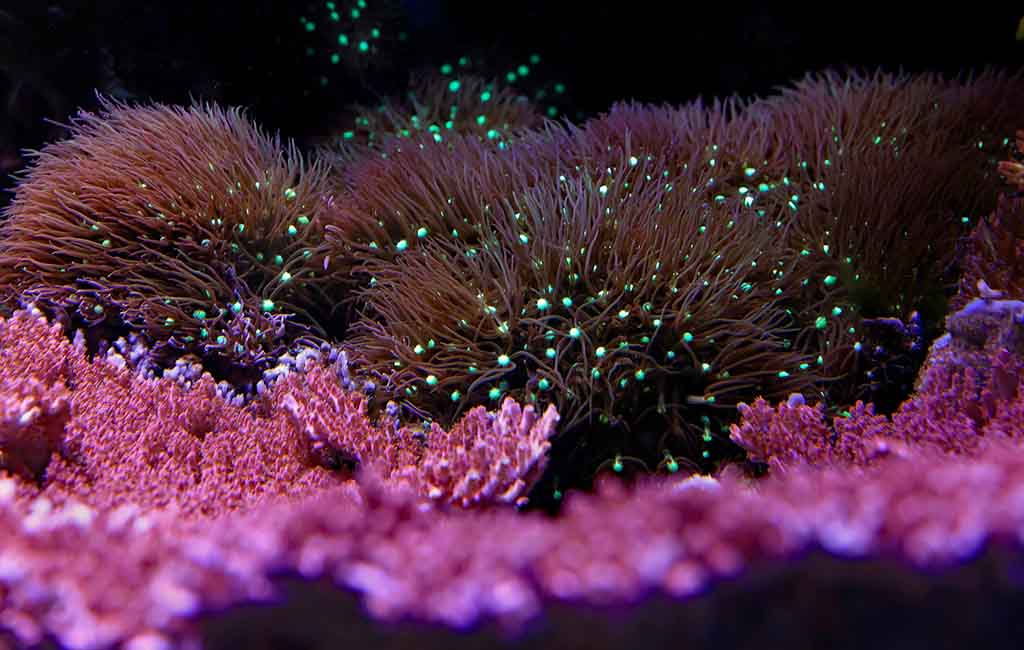
marine food web chain
- Tertiary Consumers: These predators come to eat the secondary consumers and are mostly the bigger carnivores, which include the bigger fish, octopuses, and seabirds. They control the population of the lower trophic level and sustain the ecosystem.
- Apex Predators: These predators are at the top, and thus, they lack or have very limited real competitors. They may be sharks, dolphins, orcas, and giant seabirds. They are also necessary to balance the population of prey and to avoid overpopulation of the lower levels.
- Decomposers: Bacteria, fungi, and detritivores are those organisms that decompose the dead material and give back to the system. In the absence of decomposers, the nutrients would stay in the dead material, interfering with the food web.
These processes are interlinked; they make longer chains in the water bodies. This means that transfer of energy is never ideal; only a part of the energy is transferred between one level and the other. This ineffectiveness leads to the necessity of different species at the same level, and that is why aquatic food webs are so complex.
Types of Aquatic Ecosystems
Food webs that are intricate can be a result of aquatic ecosystems that are very diverse. The principal ones are freshwater, marine, and benthic ecosystems.
- Freshwater Ecosystems: These consist of rivers, streams, ponds, and lakes. They sustain various life sizes, including tiny plankton and huge fish, and possess distinct food webs adapted to flowing and still water.
- Marine Ecosystems: These include oceans, seas, estuaries, and coral reefs. These are home to huge amounts of species and provide some of the most complex and longest food webs on the planet.
- Benthic Zones: These are trapped in the base of fresh and marine ecosystems and are occupied by organisms that either dwell in the sediment or over it. Benthic food webs are frequently dependent on recycling.
The various ecosystems sustain various primary producers and consumers, which affect the duration and amount of food webs. Indicatively, coral reefs carry hundreds of species in various food chains linked, and small ponds might comprise simpler webs. The food web is also determined by environmental conditions, e.g., temperature, water clarity, and nutrient availability.
types of aquatic ecosystems
Marine Food Web Chain
Marine food chains constitute subgroups of the aquatic food web that can be found in oceans and seas. They show us the flow of energy within the saline over the smallest as well as the largest predators.
The energy in the marine systems tends to begin with the phytoplankton, also known as the tiny plants that trap the sunlight. The first transfer of energy is achieved when zooplankton feed on phytoplankton. Zooplankton, which is ingested by small fish or invertebrates, is a secondary consumer. These secondary consumers are consumed by larger predators like tuna, sharks, and dolphins. Lastly, decomposers recycle dead substances, putting the nutrients into the system.
There are also marine food chains that are unique since they are not dependent on sunlight. The oceanic ecosystems within deep waters and particularly hydrothermal vents rely on chemosynthesis, and the bacteria utilize chemicals to create energy. These microbes are primary producers in a dark environment, which has complicated food webs even in the deep sea.
Food Chain Examples in the Ocean
Several examples illustrate the variety and complexity of marine food chains:
- Simple Chain: Phytoplankton → Zooplankton → Whale. In this chain, energy flows directly from microscopic producers to massive herbivorous consumers.
- Longer Chain: Phytoplankton → Krill → Emperor Penguin → Leopard Seal → Orca. This chain involves multiple steps, showing how energy moves through several levels of consumers.
- Antarctic Ecosystem: Phytoplankton → Krill → Fish or Penguins → Seals → Orcas. Here, apex predators control the populations of seals and penguins, keeping the ecosystem in balance.
- Kelp Forest: Kelp → Sea Urchin → Sea Otter → Orca. This chain demonstrates how herbivores and predators interact in coastal habitats and maintain ecosystem stability.
These illustrations indicate marine food webs may have different lengths based on the diversity of the species, environmental factors, and the energy sources available. A chain of longer length tends to be more biodiverse. Yet they are much more receptive to alterations or disturbance.
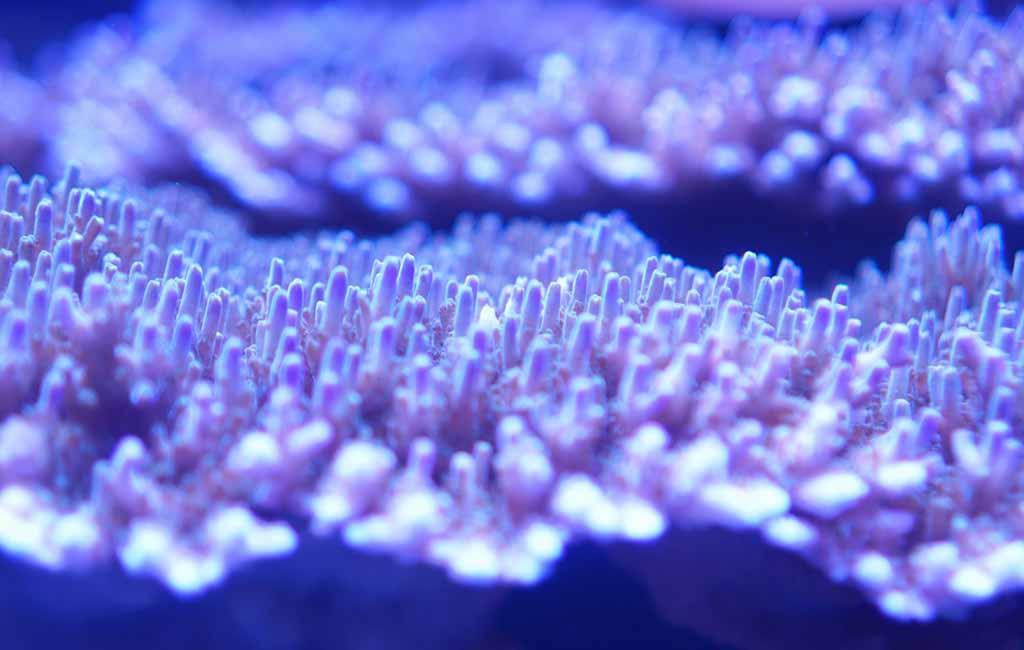
Food Chain Examples in the Ocean
What Organisms Help Maintain Aquatic Food Webs
There are a number of organism groups that play a crucial role in balancing aquatic food webs. Their functions provide regulation of the flow of energy and healthy ecosystems.
- Primary Producers: Phytoplankton, seagrasses, and algae are present at the base of all water food webs. In their absence, the higher trophic levels would be unable to persist.
- Consumers: Zooplankton, small fish, invertebrates, and bigger predators feed on the populations. They discourage an overpowering species within the ecosystem.
- Apex Predators: Sharks, dolphins, and large seabirds control the population of prey species and thus indirectly benefit producers and smaller consumers.
- Decomposers, including bacteria, fungi, and detritivores, participate in recycling the nutrients of dead organisms, which enables the flourishing of primary producers.
- Keystone Species: Certain species, like sea otters or some predatory fish, have an outsized influence on ecosystem structure. Removing them can cause widespread disruptions.
Why Aquatic Food Webs Are Longer
Aquatic food webs tend to be longer than terrestrial ones for several reasons:
- High Productivity: Phytoplankton and algae reproduce quickly and abundantly, supporting large populations of consumers.
- Efficient Energy Transfer: Water allows easy movement, helping predators find prey and energy to move efficiently.
- Large Populations: Fish, invertebrates, and plankton reproduce rapidly, increasing the number of available trophic links.
- Diverse Habitats: Oceans, coral reefs, lakes, and rivers provide multiple niches for species, allowing long and complex chains.
- Vertical Movement: Many aquatic organisms migrate vertically, transferring nutrients and energy through different zones.
All these aspects play a greater role in the formation of long and complex food webs than in land ecosystems. The more interconnected species are, the longer the web, and hence, ecosystems are resilient yet vulnerable to disruptions.
Why Aquatic Food Webs Are Longer
As We Have Seen
Aquatic food webs are complex webs where energy works its way through the producers and apex predators. They contain several trophic levels having specific functions. These webs are found in freshwater, marine, and benthic ecosystems with their own complex nature. Marine systems are usually the most appropriate in sustaining long food chains, and there can be several consumer and predator levels.
Phytoplankton, apex predators, zooplankton, and decomposers are some of the organisms that ensure balance in the aquatic ecosystems. Keystone species play a critical part in maintaining this balance. Any disturbance, such as pollution, climate change, or overfishing, may propagate throughout the network, impacting biodiversity and ecosystem well-being.
The study of aquatic food webs gives an understanding of the flow of energy and nutrients within the ecosystems. It also focuses on the need to conserve water habitats and species. This knowledge concerning these relations will enable humans to make sound judgments to save aquatic life. The conservation of aquatic life provides the preservation of hundreds of species and upholds the complex microbes that hold food underwater.
Related Products




Leave a comment