
Because our lives are often surrounded by big cities, people now more than ever want to connect with nature. Created on a smaller scale, micro ecology offers serenity, creativity, and sustainability for every space. You can have one of these ecosystems on a desk, balcony, or bookshelf to enjoy nature conveniently.
Content Table
In the following years, micro ecological landscapes will play a role in clean living, environmental care, and home décor. We’ll find out what these are, consider the newest designs, learn how to make your own, and discover ways to keep them beautiful over time.
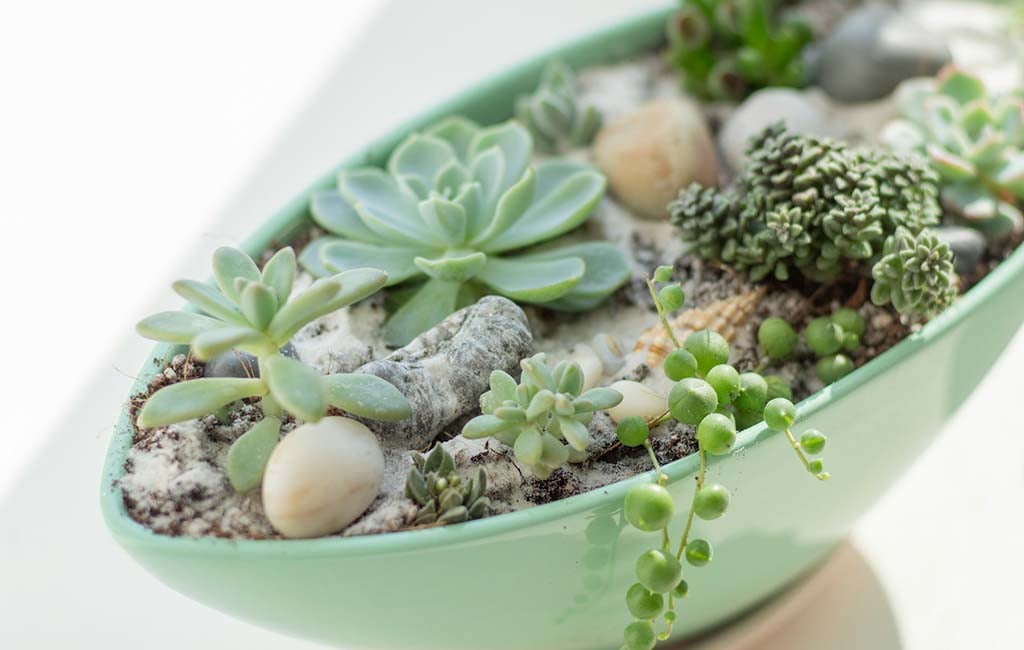
micro landscape
What Is A Micro Landscape?
A mini ecological environment, also known as a micro landscape, is a tiny place where plants and animals interact as in a larger ecosystem. The idea is simple, like a small garden, that you put in a contained glass container, tray, or bowl. Soil, stones, moss, plants, water features, and small figurines or structures are some of the things people often use to design their landscapes.
In comparison to large gardens, micro landscapes are built on a tiny scale, at times not exceeding a shoebox. Landscape paintings often depict forests, barren deserts, mountaintops, or areas near water. The main objective is to help living things and their nonliving environment reach an equilibrium.
Micro ecological landscapes are designed for those who only have an apartment to enjoy nature. You could use them to decorate your indoor spaces, assist with lessons in schools, style your office walls, or relieve stress by creating them.
The Latest Micro Ecological Landscape Trends in 2025
We are observing new and interesting ways that micro ecological landscapes are changing in 2025. Let us look at the most encouraging trends that are guiding this movement.
a. Bioluminescent Moss and Algae
Many are now including bioluminescent moss or algae as a design trend in future homes. These organisms create a magical atmosphere during the nighttime. If you want to make your yard glow at night, these are perfect for your bedrooms.
b. Smart Micro Terrariums
With the help of IT, we now benefit from smart terrariums that have lighting, devices for monitoring moisture, and automatic water supplies. High-tech micro ecosystems are perfect for busy individuals interested in enjoying nature with very little effort.
c. Zen and Mindfulness Themes
Having Zen gardens, sand, bonsai, and bamboo in a landscape shows a rise in people wanting to focus on mindfulness and meditation. They lead to a more peaceful and clear mind.
d. Aquascapes and Mini Ponds
Miniature aquascapes—complete with small fish, snails, or shrimp—are being combined with traditional plant setups. Small, self-cleaning aquatic environments are now easier to manage with improved filtration materials and low-light aquatic plants.
e. Recycled and Sustainable Materials
Designers focused on the environment are using glass, driftwood, pebbles, and reworked containers to create their landscapes. You need to make sure your mini ecosystem is built sustainably, not only the plants.
f. Fantasy and Pop Culture Themes
People are becoming increasingly interested in recreating “The Hobbit” and desert scenes inspired by Star Wars. People can own these works for functionality or simply as decoration.
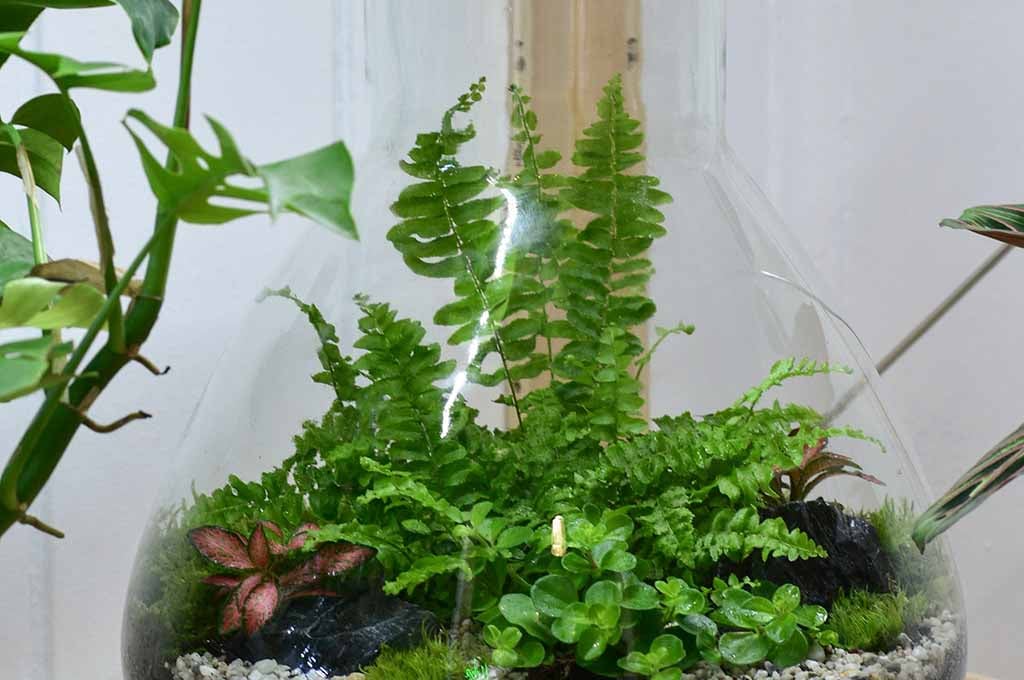
micro ecological landscape
DIY Your Micro Ecological Landscape
Designing your micro ecological landscape is enjoyable and fulfilling. All you need is a touch of creativity, some patience, and a liking for nature.
Step 1: Gather Your Materials
Here’s what you’ll need to get started:
- A glass container, bowl, or transparent vase
- Pebbles or gravel (for drainage)
- Activated charcoal (to prevent odors and mold)
- Potting soil or substrate (depending on plants)
- Moss, small plants, succulents, or aquatic plants
- Decorative items: miniature figurines, stones, driftwood
- Spray bottle or water dropper.
Step 2: Choose Your Theme
Do you want a forest scene? A desert? A beach? Choosing a theme will help guide your materials and layout.
Step 3: Layer Your Base
- Drainage Layer– Add a layer of pebbles or gravel at the bottom.
- Charcoal Layer– A thin layer of activated charcoal helps with air purification.
- Soil/Substrate Layer– Add soil suitable for your plants. For succulents, use sandy, well-drained soil. For moss and ferns, use moist, nutrient-rich soil.
Step 4: Planting
Place your plants carefully. Tall ones go in the back or center, while smaller ones sit up front. Use tools like tweezers for precision. Pack soil gently around the roots.
Step 5: Decorate
Add miniature bridges, animal figurines, tiny cottages, or natural stones. Just don’t overcrowd your scene.
Step 6: Water Lightly
Use a spray bottle to lightly mist the soil. Avoid overwatering, especially if your container is sealed.
Step 7: Place in Indirect Light
Most micro landscapes thrive in indirect sunlight. Too much light may scorch the plants, while too little may stunt growth.
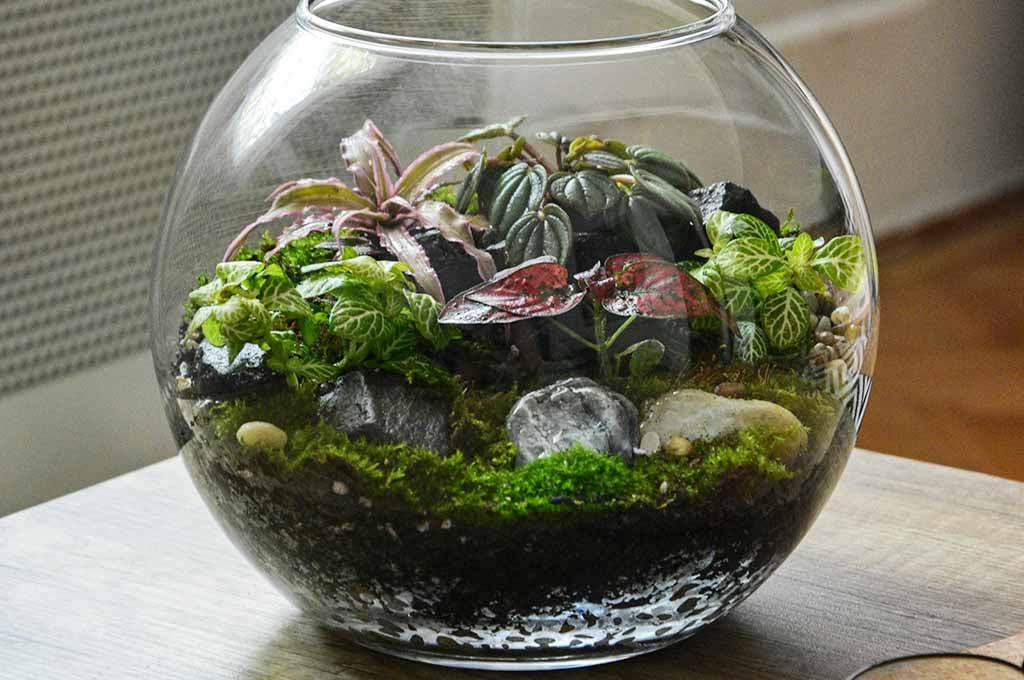
Build a micro landscape
Tips For Micro Landscape Maintenance
Maintaining a healthy miniature ecosystem lies in being persistent and familiarizing yourself with what your plants need. Micro ecological landscapes need caring every so often, but they won’t need daily attention. Here are thorough and useful suggestions to ensure your habitat stays in good health.
a. Monitor Moisture Accurately
- How to Check: Moisture meters should be used, or simply dig your finger into the soil half an inch. If you detect a parched environment at that depth, watering is necessary.
- Closed Terrariums: Be aware of water droplets on the glass. Excessive moisture means the lid should be taken off for some time. No condensation? Mist the soil enough to keep it ever so slightly damp.
- Pro Tip: Applying water with a dropper or spray bottle will prevent you from disturbing the layout.
Best tools: If you plan to grow in a tiny container, use a high-quality soil moisture sensor or a stainless steel probe.
b. Light Control According to Plant Type
Different plants require different levels of light:
- Moss and ferns prefer low to medium indirect light.
- Succulents and cacti need bright, direct light for at least 4–6 hours a day.
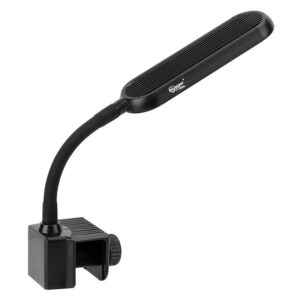
- Artificial Light Setup: If the light quality isn’t strong enough from sunlight, use 6500K LED lights that turn on and off automatically. If sunlight isn’t ideal, opt for full-spectrum LED grow lights (6500K) with automatic timers.
Tip: Keep your landscape away from direct, intense afternoon sunlight on window sills, as this can cause delicate plants in glass containers to fry.
c. Pruning and Grooming with Precision
- When to Trim: Do it about every 2–3 weeks or whenever needed. Eliminate yellow leaves and reduce overgrown areas to prevent the plant from being too crowded and suffering from mold.
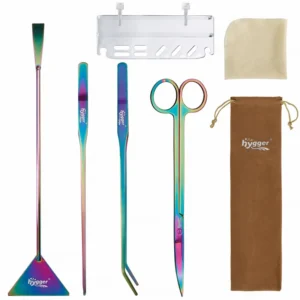
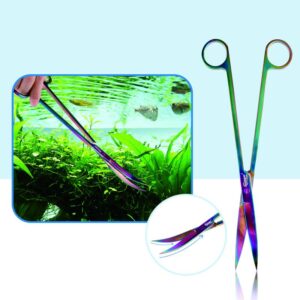
- Tools to Use: Use bonsai shears, small scissors, or tweezers for tight spots and accuracy.
Tip: Always sterilize tools with alcohol before use to avoid introducing disease.
d. Keep the Glass Sparkling Clean
- Frequency: The wash frequency is every 2–4 weeks; however, it may depend on the surrounding humidity and how far one can see.
- How to Clean: You can use a microfiber cloth or a paper towel dampened with white vinegar to clean any strong blemishes or sticky areas in a sink, avoiding the plants.
Avoid: Commercial glass cleaners with chemicals that can harm plants in enclosed terrariums.
build a micro landscape
e. Watch for Pests and Fungal Growth
- Common Pests: Fungus gnats, aphids, and mealybugs.
- Natural Remedies:
- Cinnamon powder: Natural antifungal—sprinkle lightly on the soil surface.
- Neem oil spray: 1 tsp neem oil + 1 tsp dish soap in 500 ml water—spray once every two weeks.
- Sticky traps: For flying insects like gnats, place yellow sticky cards inside or near the terrarium.
Tip: If possible, clip the wood or decor away from your pet, hydrogen peroxide it, and then return it to the same area.
f. Fertilize Thoughtfully
- Type: Use a balanced, water-soluble fertilizer like 10-10-10 diluted to ¼ strength.
- Schedule: Check and clean tanks once every 8–10 weeks if your plants are slow-growers; once a month if your plants and algae grow quickly.
Warning: Avoid over-fertilizing. It can lead to salt buildup, algae, and plant burn in closed systems.
g. Rotate for Balanced Growth
- Why It Matters: Plants naturally lean toward the light source. Rotating your container by a quarter-turn weekly promotes symmetrical growth.
- Tip: Use a rotating display base if you want convenience and a dynamic presentation.
h. Maintain Micro Cleanliness
- Daily: Check for fallen leaves, dropped petals, and debris, especially in moist environments.
- Weekly: Remove any decaying material immediately to prevent bacterial buildup.
- Monthly: Gently stir or refresh the top layer of soil to improve air exchange and prevent compacting.
Bonus Tip: For fish in aquatic microscapes, do a 20% water change every two weeks using dechlorinated water to keep the levels of ammonia low and ensure clear water.
Concluding Thoughts
While having a miniature ecological landscape can enhance your environment, it primarily fosters a conscious mindset, environmental awareness, and inventive hobbies. Nowadays, people enjoy micro landscaping as a pastime that mixes design, ecological awareness, and technology. You can create a peaceful nook in just a tiny dish and with just some natural elements.
If you are fond of nature, love the design of outdoor spaces, or simply wish for peace, micro-ecological landscapes offer a simple opportunity to connect with nature on your own.
Related Products


Leave a comment