
Explore the right tank size for every type of fish—from small guppies to exotic marine beauties.
Content Table
Selecting the correct size of the aquarium tank is not merely deciding on what fits your shelf or wallet. The size of the tank is a crucial factor in the health, growth, and behavior of your aquatic pets. From the community-friendly freshwater species to the high-demand saltwater exotic, the proper tank setup can make the difference between a healthy, successful ecosystem and a stressful, unhealthy environment.
The guide discusses the tank sizes suitable for various aquarium fish, including freshwater and saltwater species, and provides recommendations on the optimal fish size and temperament for each type.
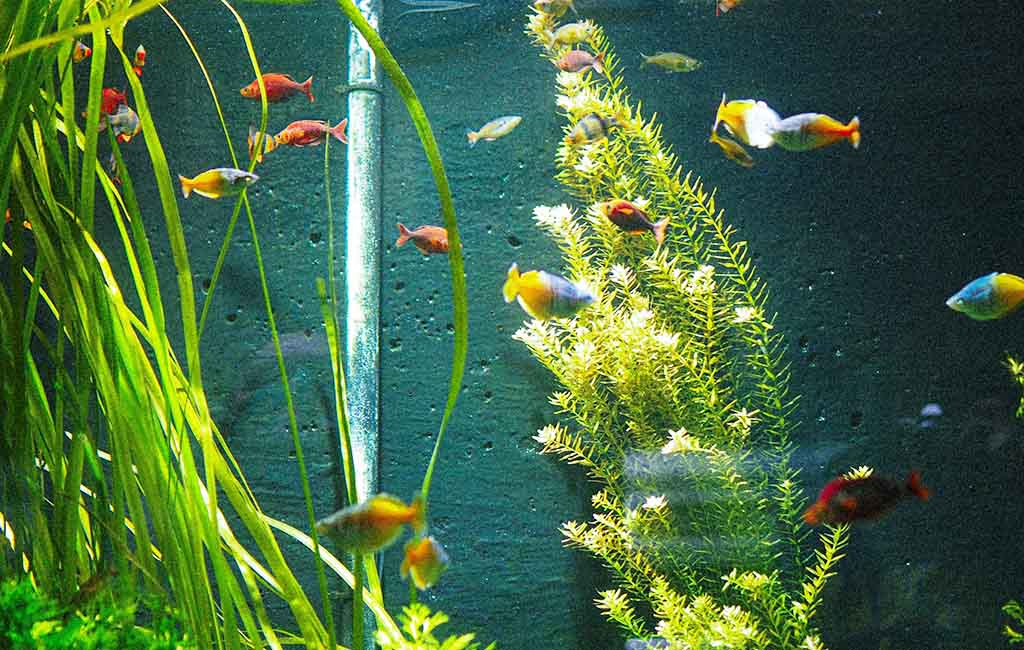
aquarium tank sizes
Aquarium Fish Size Classification
Freshwater aquariums are the best choice for the novice and include a large selection of colorful and hardy fish. Generally, it is easier on freshwater tanks. Most of these sizes can be used with many different species due to proper planning. The following are some of the ranges of tank sizes that are appropriate to various species of freshwater:
Here’s a quick overview:
1. Small Fish (1–3 inches)
- Examples: Guppies, Neon Tetras, Endlers, Zebra Danios, Corydoras
- These fish are ideal for nano and small aquariums. They thrive in groups and prefer tanks that allow horizontal swimming.
2. Medium Fish (4–6 inches)
- Examples: Angelfish, Gouramis, Mollies, Platies
- Medium fish need more space and benefit from moderate to large tanks, especially when kept in community setups.
3. Large Fish (7–12 inches)
- Examples: Oscars, Severums, Bala Sharks, Rainbowfish
- These species are active and territorial. They require ample swimming space, strong filtration, and high water quality.
4. Extra-Large Fish (13+ inches)
- Examples: Arowanas, Pacus, Flowerhorns, Giant Gourami
- These fish need specialized, large tanks—often over 100 gallons—due to their size and waste production.
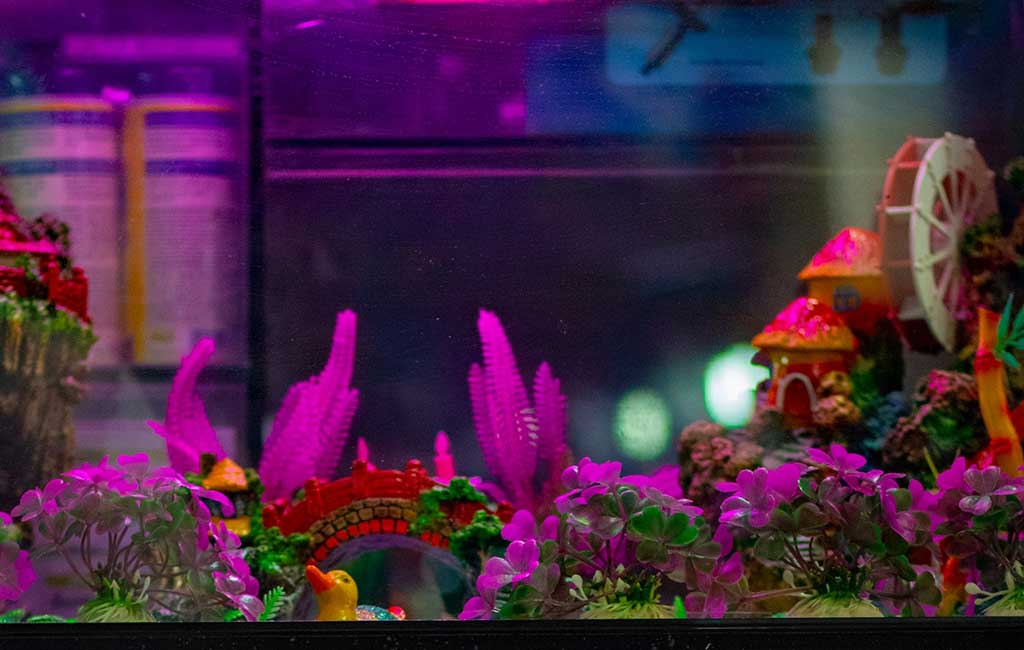
aquarium size guide
Versatile Tank Sizes Suitable for Freshwater Fish
Marine aquariums are colorful and have lots of diversity, yet they require caution and space because marine life is delicate. Depending on the size of your tank, you will be able to keep salinity, pH, and nutrient levels stable. In saltwater systems, larger tanks tend to be more stable and forgiving, particularly to novice and intermediate hobbyists.
1. 10-Gallon Tank
- Best for small community fish like Guppies, Tetras, and Betta fish.
- Limited in stocking capacity but easy to maintain, and ideal for desktops or apartments.
2. 20-Gallon Tank
- Accommodates slightly larger fish like Dwarf Gouramis or small schooling fish.
- Offers more stability in water parameters and room for aquascaping.
3. 30–40 Gallon Tank
- Suitable for peaceful community tanks with Mollies, Angelfish, or Rasboras.
- More space allows for better filtration systems and reduced aggression.
4. 55-Gallon Tank
- Ideal for medium-sized fish like Severeums or large schools of Tetras and Danios.
- Offers ample room for décor, plants, and territory-based fish.
5. 75+ Gallon Tank
- Perfect for large or aggressive fish like Oscars, large Cichlids, or Goldfish.
- Provides enough space for movement, hides, and complex territories.
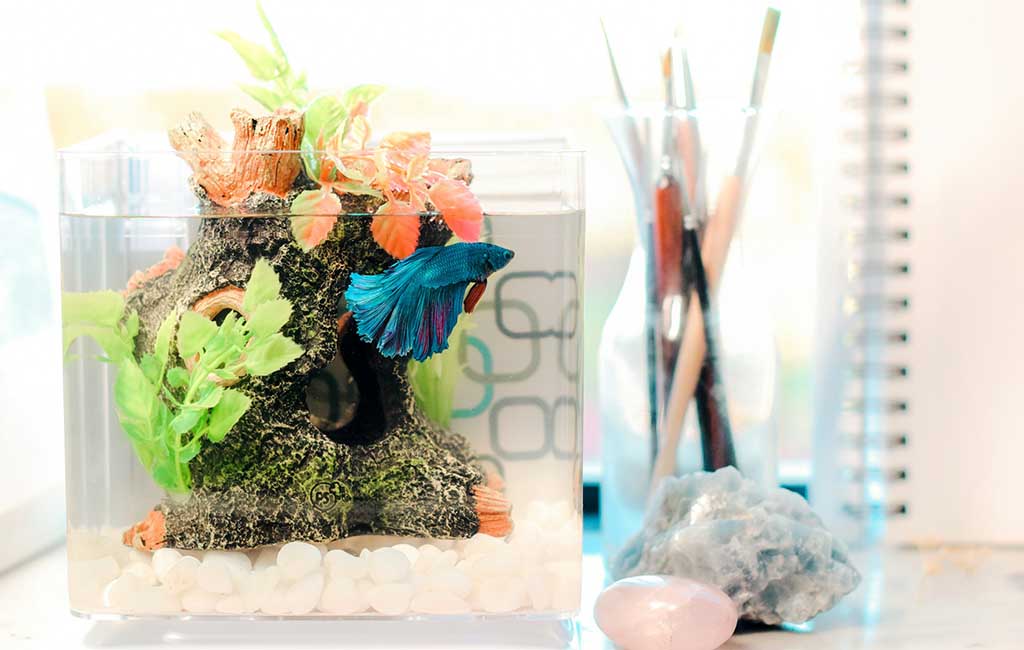
Flexible Tank Sizes
Flexible Tank Sizes for Saltwater Fish
Saltwater aquariums are vibrant and diverse, but demand precision and space due to the sensitivity of marine life. The size of your tank determines your ability to maintain stable salinity, pH, and nutrient levels. In saltwater systems, larger tanks are often more stable and forgiving, especially for beginners and intermediate hobbyists.
1. 20–30 Gallon Tank (Nano Reef)
- Best for hardy species like Clownfish, Firefish, and Gobies.
- Requires disciplined water changes and maintenance due to volume constraints.
2. 40–55 Gallon Tank
- Offers more room for beginner-friendly saltwater species such as Royal Grammas, Cardinalfish, and small Wrasses.
- Easier to stabilize and allows moderate live rock setups and corals.
3. 75–90 Gallon Tank
- Ideal for multiple fish species, including Tangs, Angelfish, and Blennies.
- Accommodates a wider range of corals and provides room for reef development.
4. 100+ Gallon Tank
- Necessary for large or highly active marine fish like Lionfish, Triggers, or large Wrasses.
- Allows for full reef setups with diverse coral colonies and anemones.
Recommended Aquarium Tank Sizes
Matching fish types to appropriate tank sizes is essential for a harmonious aquarium. Below is a guide to ideal tank sizes based on fish classification and behavior:
| Fish Type | Size Category | Recommended Tank Size |
| Guppies, Tetras | Small | 10–20 gallons |
| Betta (single) | Small | 5–10 gallons |
| Corydoras (schooling) | Small | 20 gallons |
| Gouramis, Mollies | Medium | 20–30 gallons |
| Angelfish (pair) | Medium | 30–40 gallons |
| Oscar (single) | Large | 55–75 gallons |
| Flowerhorn, Severum | Large | 75+ gallons |
| Arowana, Pacu | Extra-Large | 100+ gallons |
| Clownfish (pair) | Small Saltwater | 20–30 gallons |
| Royal Gramma | Medium Saltwater | 30–40 gallons |
| Yellow Tang | Large Saltwater | 75–90 gallons |
| Blue Hippo Tang | Extra-Large SW | 100+ gallons |
How to Choose the Right Size of Tank for Your Fish
In the case of home aquariums, the rule of thumb is usually that bigger is better, although balance is important. To find out the most suitable size of tank to use, the following are some of the guidelines:
1. Understand the Adult Size of Your Fish
Whenever you decide to have a species, it is good to research on what is the maximum size that an adult of that species can grow. Baby fish might be small today, but they grow quickly. To give an example, a young Oscar might seem fine in a 20-gallon tank. But they can grow to be more than 12 inches within a few months. They will need a tank at least 75 gallons in size in order to live well.
2. Use the General Stocking Rule
The traditional one inch per gallon of fish rule is only applicable to small, thin-bodied freshwater fish such as Tetras or Guppies. The bioload of fish that are heavier bodied or messy (such as Goldfish or Cichlids) requires more space. Saltwater tanks will also need a larger amount of space allowance, since marine fish are usually territorial and sensitive to overcrowding.
3. Consider Behavior and Activity Level
The size is not the only thing that matters about fish. Group space is required by shoaling fish, bottom space is required by bottom dwellers, and length is required by active swimmers. The Angelfish could live in a 30-gallon tank, but the fast swimmers, such as Rainbowfish or Barbs, would feel restricted.

aquarium fish size
4. Account for Filtration and Décor
It is necessary to remember that rocks, driftwood, plants, and filters will decrease the space that can be used when swimming. As a rule of thumb, subtract about 10–15% of the tank’s volume to estimate the effective swimming area. Certain species also require an open space, and others like more coverage designed to suit them.
5. Think Long-Term
It is also cheaper and more humane to acquire a slightly bigger tank than to upgrade later. A large tank allows you to place as many fish as you want, introduce plants or coral, and have more stable water levels, which is significant in avoiding stress and illness.
6. Plan for Maintenance
The bigger the tank, the more consistent the water parameters are likely to be. Although a bigger tank needs more powerful filtration, heaters, lighting, and even water testing sometimes. Ensure that you are ready to sustain the volume of the tank that you will select in terms of time and cost.
7. Avoid Overstocking
Do not be tempted to overstock your tank. It might seem like a good idea to overstock, but it causes oxygen depletion, aggression, the quick accumulation of wastes, and the increased risk of diseases. Provide your fish a chance to live and not merely to exist.
8. Consider Future Additions
Do you intend to include tank mates, plants, or breeding couples? Think ahead. An adequately sized tank will allow you the space to make alterations without the need for a total overhaul. Making plans will save a lot of money and stress in the future.
Closing Remarks
The key to a successful aquarium is the size of the tank. When creating your peaceful community of freshwater fish or a busy saltwater reef, finding a tank size that accommodates your fish will improve health, minimize stress, and increase life span. A beginner should start small, but it is always a good idea to consider the future development of your fish and their behavior. A properly sized tank is not merely a tank, but it is an underwater living ecosystem.
The proper size and, in general, versatile tank will help you not only to invest in the beauty of your aquarium but also in the healthy life of your fish.
Related Products

Leave a comment