
People have always been fascinated by the frogs and toads, their croaks, leaps, and their behavior, which is so interesting. After it rains, you will find them around a pond or in your garden, or jumping through wet grasslands. They might appear similar at look at them; both are small, jumping amphibians, but a closer examination will show that they have some differences in the way their bodies are built, their habits, and their environment.
Content Table
Knowledge of these differences will make you realize how well each species has adapted to its living environment. Both the frogs and the toads are of the same order, Anura, translated as without a tail, yet they are both unique in their own ways. You can be a nature enthusiast, a biology student, or just a curious person, and the world of frogs and toads can be a good place to explore.
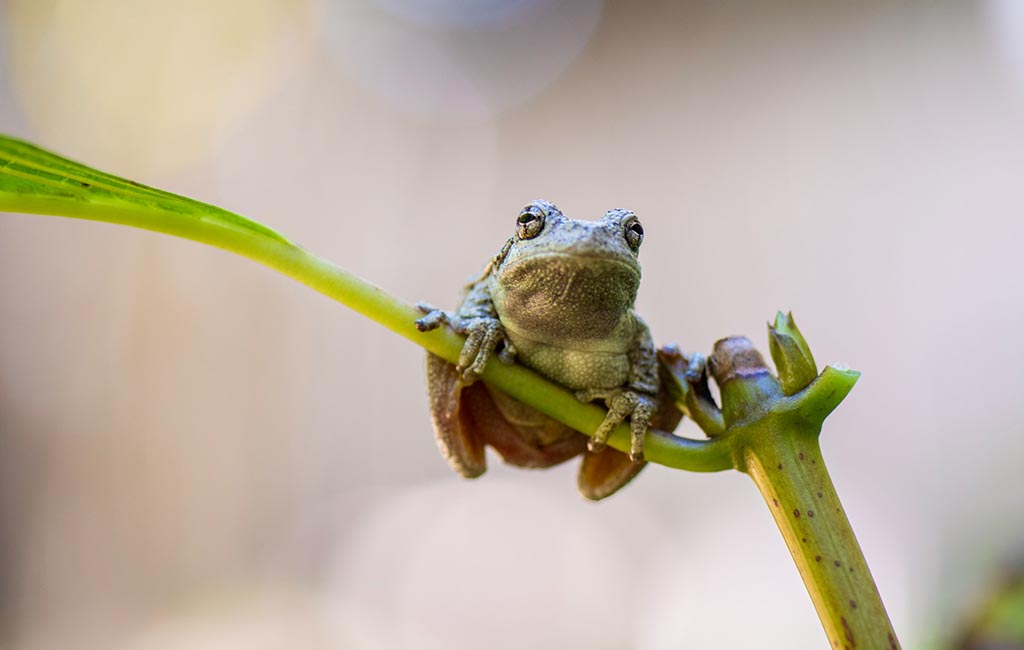
frog and toad
Frog and Toad: The Basic Profiles
Both frogs and toads are amphibians, meaning they live part of their lives in water and part on land. However, their physical traits and survival mechanisms vary greatly depending on where they live.
Frogs
Frogs have wet, smooth, and slippery skin that is used to breathe and to keep their bodies hydrated. Due to their moisture loss capability, they would like damp places such as ponds, lakes, and wetlands. Frogs are also characterized by very strong and long hind legs, which enable them to jump long distances as well as swim beautifully. They are usually green or even brown, which makes them blend with the green scenery.
Toads
On the other hand, toads possess dry, bumpy, and thicker skin. Not only does the rough texture of the shell guard against predation, but it also makes them resistant to water loss, and therefore, they can live in drier areas. Their legs are short and hence less able to jump long distances. They instead move slowly, hopping or crawling. Toads tend to be brown or gray in color, which makes them blend well with soil or dry plants.
Their disparities show how each has adapted to the environment. The presence of lots of water makes the frogs prosper. Whereas the toads are able to move far beyond the ponds and lead a comfortable life on the ground.
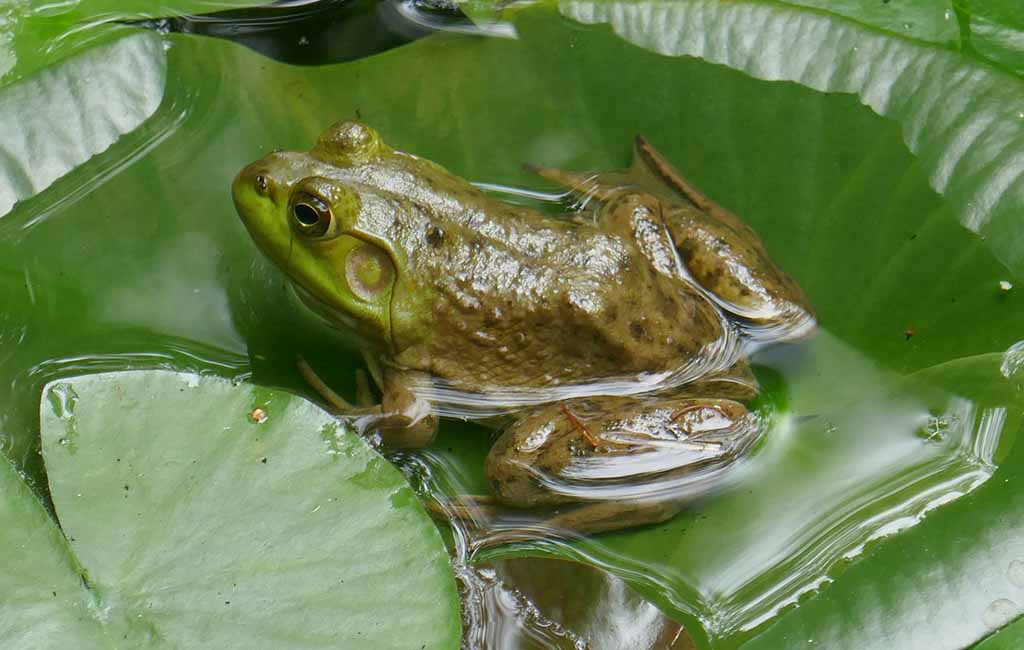
Is a Toad Technically a Frog
Is a Toad Technically a Frog?
Yes, scientifically speaking, every toad is a kind of frog. Both belong to the Anura order that consists of all amphibians devoid of tails. But not all frogs are toads. The term toad is a technical term for the frog species that are warty and better suited to terrestrial life.
Toads are mostly classified in the family Bufonidae, and frogs are normally grouped under the family Ranidae. These families have much in common, but they are also different enough to warrant their varied looks and lifestyles. When you talk of a toad, you are actually talking about a type of frog that has adapted to dwell out of water.
It is also indicative of the flexibility of evolution. Frogs have evolved to live in water, whereas toads have evolved features that can help them survive on land. Both are crucial in the ecosystems, as frogs contribute to the presence of insects around the water bodies, whereas toads do the same in the gardens and forests.
What Do Frogs and Toads Eat?
Both toads and frogs are carnivores, and they live on living creatures to sustain themselves. Small invertebrates and insects are the primary products of their diet. Since they are ambush predators, they wait silently till their meal moves before they latch onto it using their sticky and lightning-fast tongues.
Common foods for frogs and toads include:
- Crickets and grasshoppers
- Flies and mosquitoes
- Worms and slugs
- Beetles and spiders
- Caterpillars and small moths
The bigger frogs or toads can consume small fish, snails, or even smaller amphibians. They keep the natural balance of the insects in the ecosystem through their diet, thus avoiding the invasion of pests.
When you have frogs or toads as pets, you should ensure that you imitate the way frogs feed. Give them live insects such as crickets, mealworms, and waxworms. Calcium or vitamin supplements taken with the food they eat help to keep their bones healthy. They should not be given dead insects or human food, which will upset their digestive system. There should always be fresh, dechlorinated water, as hydration is very important to these two species.
At feeding, one should do it sparingly. The excessive feeding produces obesity, whereas underfeeding makes them weak. Watching their feeding behavior can also help you understand their health. Healthy frogs and toads are alert and quick to respond when food is nearby.
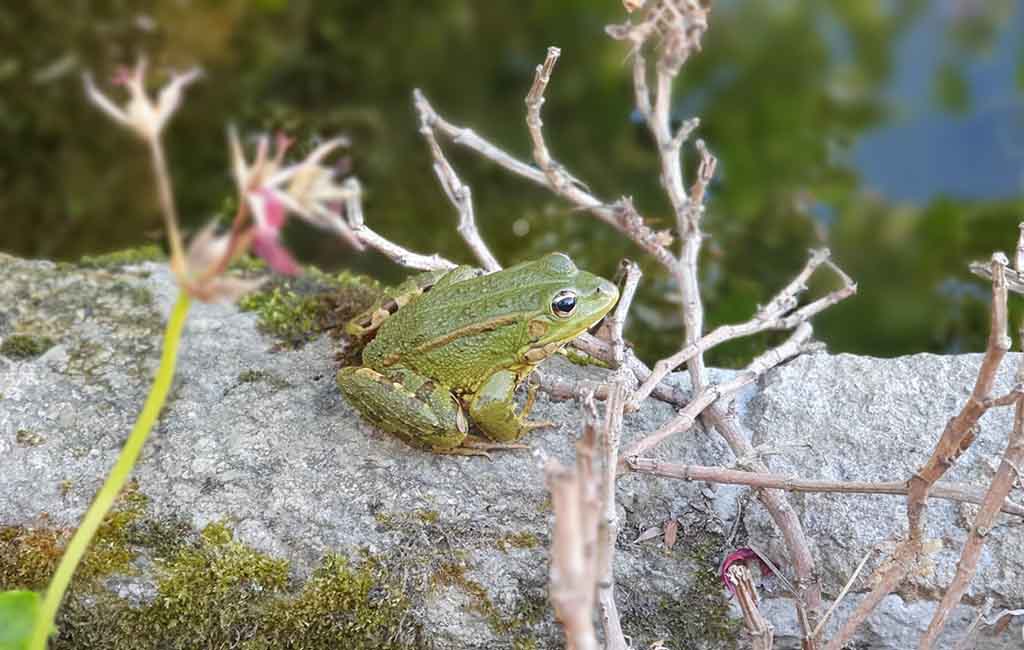
what do frogs and toads eat
The Difference Between Frogs and Toads
Frogs and toads differ in many ways, although they fall in the same category. Evolution and habitat define these differences.
1. Skin Texture and Moisture
The skin of frogs is smooth and wet, making it shiny and soft. This water makes them breathe through their skin and stay hydrated. Toads possess thick, warty skin that is dry to the touch. Their coarse skin aids in retention of water and offers a natural guard against addicts.
2. Legs and Movement
Hind legs are of a muscular nature and enable frogs to jump several times in length of their bodies. They are great swimmers and are fast in the water. Toads have shorter legs and move in small and clumsy jumps. They are more dependent on freezing and fitting within their environment in order to keep safe.
3. Habitat Preference
Frogs remain near water bodies such as lakes, streams, or marshlands. To live, they require wet environments. Toads, nevertheless, inhabit much greater distances from water and are at home in gardens or forests, or grasslands. During the season of reproduction, they turn back to water.
4. Eggs and Reproduction
The patterns of the eggs of frogs and toads differ greatly. The frogs deposit their eggs in gummy clumps or groups in water. The toads deposit their eggs as bead-like chains that are enclosed around plants or twigs under shallow water.
5. Defense and Behavior
In danger, the frogs either leap off or submerge. It is also difficult to hold them based on their slim skin. On the contrary, toads possess glands in the back of their eyes, which secrete a toxin that is rather mild to keep away predators. They are also less attractive to attackers because of their coarse texture as well as camouflage.
6. Lifespan and Adaptability
Frogs also have a shorter lifespan than toads, usually between four to ten years depending on the species. Toads have lifespans that are much higher, up to 15 years and above. Their rugged skin and terrestrial way of life give them an advantage in terms of survival in unfavorable conditions.
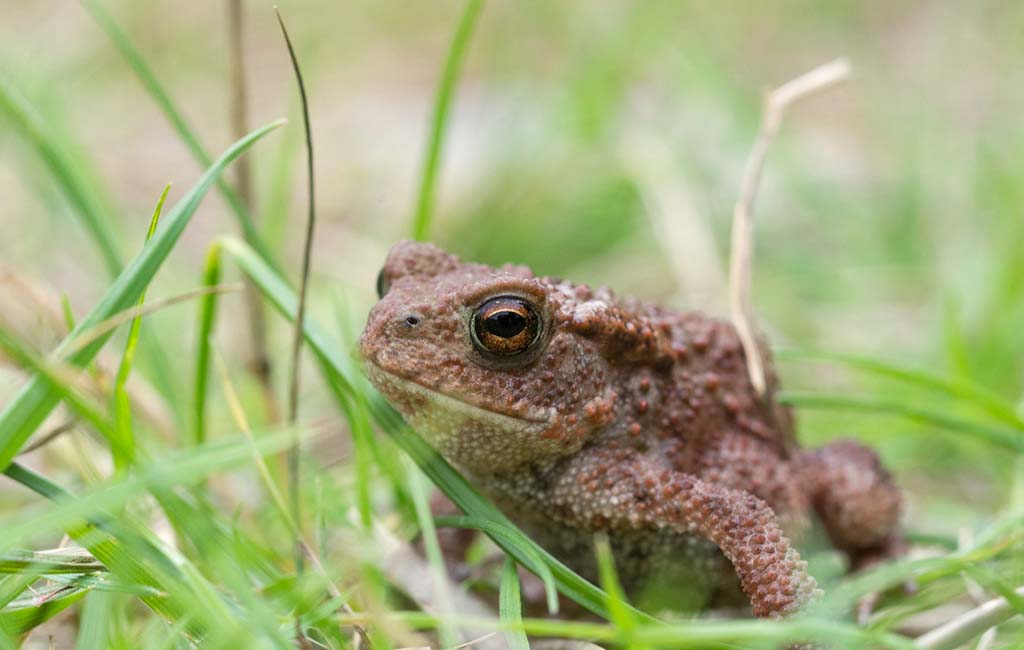
Toad
How to Tell If It’s a Frog or a Toad
If you’re trying to identify one in your garden or near a pond, a few simple clues can help. These small details make it easy to tell which is which.
- Check the skin: Smooth, glossy, and wet skin suggests a frog. Dry, bumpy, and thick skin points to a toad.
- Observe the legs: Long and slender legs indicate a frog, while short and sturdy legs belong to a toad.
- Look at where it lives: Frogs are found close to water; toads prefer dry land or gardens.
- Notice the movement: Frogs leap great distances, while toads move slowly in small hops or crawls.
- Examine the eggs: Frogs lay eggs in clumps, while toads lay them in long strings.
- Listen to the call: Frogs often have higher-pitched croaks, while toads have deeper, longer sounds.
The Importance of Frogs and Toads in Ecosystems
In addition to their physical appearance, frogs and toads are extremely crucial in ensuring ecological balance. Both are food chain predators and prey. They consume insects and thus limit the population of pests such as flies and mosquitoes. This is a natural way of controlling pests, which is a plus to agriculture and the health of the human.
Simultaneously, frogs and toads are the food of the birds, snakes, and mammals. Fish and aquatic insects also consume their eggs and tadpoles to keep the aquatic ecosystems intact.
The amphibians are also environmental indicators. They have sensitive skin that is sensitive to pollution, climate change, and water contamination. The reduction in the population of frogs or toads can be an indication of ecological issues. Preservation of their habitats will protect other species and the well-being of the environment.
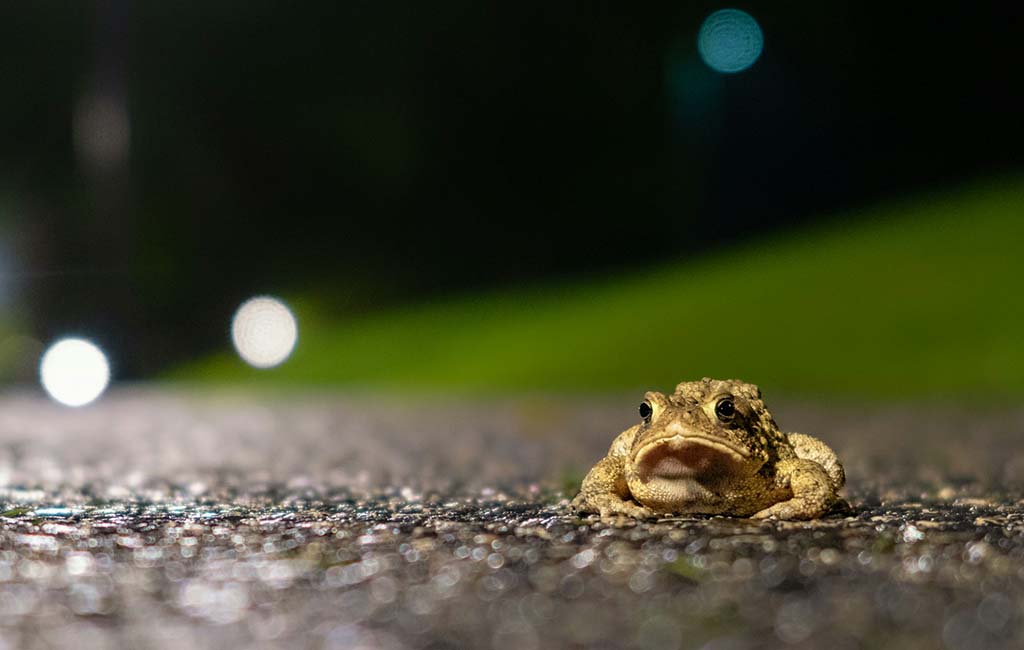
Frogs and Toads in Ecosystems
Lasting Impressions
Frogs and toads are not mere visitors that come hopping around the garden; they are essential components of the cycle of nature. Frogs are a symbol of water flexibility, adaptability to survive with the help of speed and water. On the contrary, toads demonstrate resilience and survive on the land, which is dry, having their tough bodies coated with toxins.
They are related to the amphibian family, but they have developed in unique ways. They are both interesting animals that help us to learn about nature and balance, adaptation, and living together. The next time you see one anywhere about a pond, or after the rain, you can inspect it more closely. You may find out whether it is a frog that is going to leap forth, or a toad that is lurking in the ground.
A combination of frogs and toads helps us to remember that even the insignificant ones make a great contribution to our world.
Related Products


Leave a comment