
If you’re looking for a low-maintenance, quirky, and undeniably cute amphibian to add to your home, the white tree frog (also known as the Australian green tree frog or Litoria caerulea) might just be the perfect pet. These charming nocturnal creatures are famous for their large eyes, chubby appearance, and surprisingly expressive personalities. Known for being hardy and adaptable, white tree frogs are a favorite among beginner and experienced amphibian enthusiasts alike.
Content Table
Let’s dive into what makes these frogs so fascinating, how long they live, what they eat, how to care for them, and some tips for first-time frog parents.
How Long Do White Tree Frogs Live?
The white tree frog is an excellent long-term pet, especially when provided with the right care. In the wild, they typically live for about 10 to 15 years, but in captivity—with proper diet, habitat, and white tree frog care—they can live up to 20 years.
These frogs originate from Australia and New Guinea and have adapted to survive in both rainforest and drier areas. Their nocturnal habits help them avoid daytime predators and overheating under the sun. During the day, they’ll often hide in cool, dark places and become more active at dusk when they begin to hunt for food.
Their relatively long lifespan, easygoing nature, and tolerance for handling make them one of the most charming amphibian pets around.

white tree frog
What Do White Tree Frogs Eat?
Understanding the white tree frog’s diet is crucial for keeping your pet healthy and happy. These frogs are insectivores, meaning they eat live insects. In captivity, you should provide a varied diet that includes:
- Crickets (a staple food)
- Mealworms
- Waxworms (as treats)
- Roaches
- Silkworms
- Occasional pinky mice (only for adults and very sparingly)
Feeding should happen in the evening to align with their nocturnal activity. Juveniles should be fed daily, while adults can be fed every 2–3 days. It’s also essential to dust the insects with calcium and vitamin D3 supplements to prevent metabolic bone disease.
Always provide clean, dechlorinated water in a shallow dish, and never feed them insects caught from outside, as they may carry pesticides or parasites.
Do White Tree Frogs Shed Their Skin?
Yes, white tree frogs shed their skin regularly—usually once a week or so. This is completely normal and part of their natural growth process. What’s interesting (and slightly odd) is that they typically eat their shed skin to recycle nutrients and avoid attracting predators in the wild.
However, improper humidity or stress can lead to shedding problems. If your frog appears to be struggling with shedding—like having leftover skin on its toes or body—it could indicate an issue with habitat humidity. The enclosure should maintain a humidity level of 50% to 70%, and you can achieve this with daily misting and proper substrate like coconut fiber or sphagnum moss.
Other potential issues include:
- Red leg syndrome (a bacterial infection)
- Obesity from overfeeding
- Dehydration due to low humidity
Monitoring your frog regularly can help prevent these problems before they escalate.
Take Good Care of the White Tree Frog
White’s tree frog care starts with setting up a proper habitat. A 15-20 gallon tall tank is sufficient for one adult frog, though larger enclosures are always better. These frogs are arboreal, so vertical space and climbing branches are essential. Key white tree frog care elements include:
1. Tank Setup
- Vertical tank with a screen lid
- Humidity: 50%-70%
- Temperature: 75-85°F during the day, can drop to 65-70°F at night
- Substrate: Moist coconut fiber, moss, or reptile-safe soil
- Décor: Branches, live or fake plants, and hiding spots
2. Lighting
Although they’re nocturnal and don’t require UVB lighting like many reptiles, providing a low-output UVB bulb for 10–12 hours a day can support vitamin D3 synthesis, especially if you’re inconsistent with dietary supplements. This helps prevent metabolic bone disease and supports overall health. Additionally, a day-night light cycle helps regulate their natural rhythms, even if they’re more active at night. Avoid bright or intense lights, which can stress the frog—opt for soft ambient lighting or indirect UVB.

white tree frog diet
3. Water Quality
Clean water is crucial for your frog’s health. Always provide a shallow dish of dechlorinated, fresh water. Tap water contains chlorine and chloramines, which are toxic to amphibians, so use a water conditioner or bottled spring water. Change the water daily, and scrub the dish regularly to prevent bacterial buildup. You can also mist the enclosure daily to maintain proper humidity levels—ideally between 50–70% —which supports healthy skin and shedding.
4. Handling
White tree frogs are one of the few amphibians that tolerate handling, but it’s still best to keep it to a minimum. Their skin is delicate and absorbent, so always wash your hands with non-toxic, unscented soap, rinse thoroughly, and ensure your hands are free of lotions, oils, or chemicals. Alternatively, you can use moist, powder-free gloves. Limit handling to brief sessions, and avoid doing so during shedding or feeding times to minimize stress.
Advice for First-Time White Tree Frog Owners
If you’re considering your first white tree frog, you’re in for a fun and rewarding experience. However, like all pets, they require proper care and attention. Here are a few beginner-friendly tips to help you build a strong foundation for your frog’s health and happiness:
1. Start with One Frog
While white tree frogs are generally social and can live in groups, beginners should start with a single frog. This makes it easier to monitor behavior, feeding habits, and health without the added challenge of managing group dynamics or potential competition for food.
2. Don’t Overfeed
These frogs are prone to obesity due to their slow metabolism and hearty appetites. Stick to a feeding schedule—juveniles can eat daily, but adults should be fed every 2–3 days. Monitor their body shape: a healthy frog should be plump, but not bloated or sluggish. Use feeding tongs to portion insects and avoid dumping too many into the enclosure.
3. Avoid Loud Noises
Sudden or constant loud sounds can stress your frog, causing it to hide excessively or refuse food. Place the terrarium in a quiet, low-traffic room, away from TVs, speakers, or slamming doors. Keep pets like dogs or cats from constantly peeking into the enclosure.
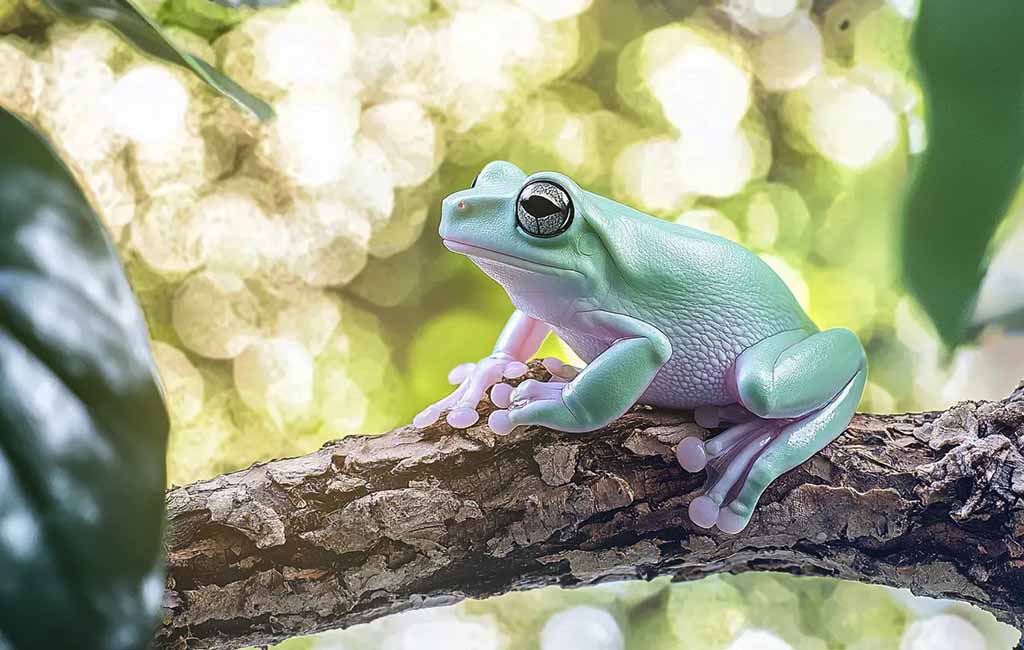
white tree frog care
4. Stay On Top of Cleaning
Daily spot-cleaning is essential. Remove uneaten insects, and feces, and shed skin to prevent mold, fungus, or bacterial growth. Deep-clean the habitat monthly by replacing the substrate and disinfecting the enclosure using amphibian-safe cleaning products. Never use bleach or household cleaners that can leave harmful residues.
5. Monitor Humidity & Temperature
Humidity should stay between 50–70%, and the temperature should be kept around 72–80°F during the day, with a slight nighttime drop. A digital hygrometer and thermometer combo make it easy to track conditions. Use a heat mat on the side or under-tank heater (if needed), but avoid hot lights that could dry out the enclosure.
6. Be Patient
Your frog may spend the first few days—or even weeks—hiding and adjusting to its new surroundings. This is completely normal. Don’t try to handle them too soon. Let them come out and explore at their own pace. Over time, they’ll associate you with food and may even begin to climb onto your hand voluntarily during feeding time.
With consistent care, attention to detail, and a gentle approach, you’ll find your white tree frog becoming a lively and fascinating companion.
Final Insights
The white tree frog is a fantastic choice for anyone looking to add a bit of nocturnal magic to their life. With a goofy smile, endearing behavior, and relatively easy care needs, it’s no wonder they’re such a popular pet. Just make sure to invest in the right enclosure, maintain proper humidity and temperature, and feed a balanced white tree frog diet.
From their quirky skin-shedding habits to their calm and curious personality, these frogs are full of charm. Whether you’re a first-time amphibian owner or a seasoned enthusiast, the white tree frog is a delightful companion that’s sure to win your heart, one croak at a time.
Related Products




Leave a comment