
Good lighting and filtration are not enough to maintain a planted aquarium in a healthy state. Carbon dioxide (CO2) is required by plants to perform photosynthesis, and naturally occurring CO2 levels are inadequate in most aquariums. Without the right supplementation, your plants will grow slowly, have pale leaves, or even die away as time goes on. An aquarium CO2 generator system will help in that case.
Content Table
In this hygger blog, we will discuss what a CO2 generator is, why it is necessary in planted aquariums, how long a kit will last, and how to set up a CO2 generator correctly. We will also consider the HC018 CO2 Generator Kit, which is one of the best and reliable among the current aquarium hobbyists. And lastly, we will tell you how you can begin injecting CO2 into your aquarium without having to spend a lot.
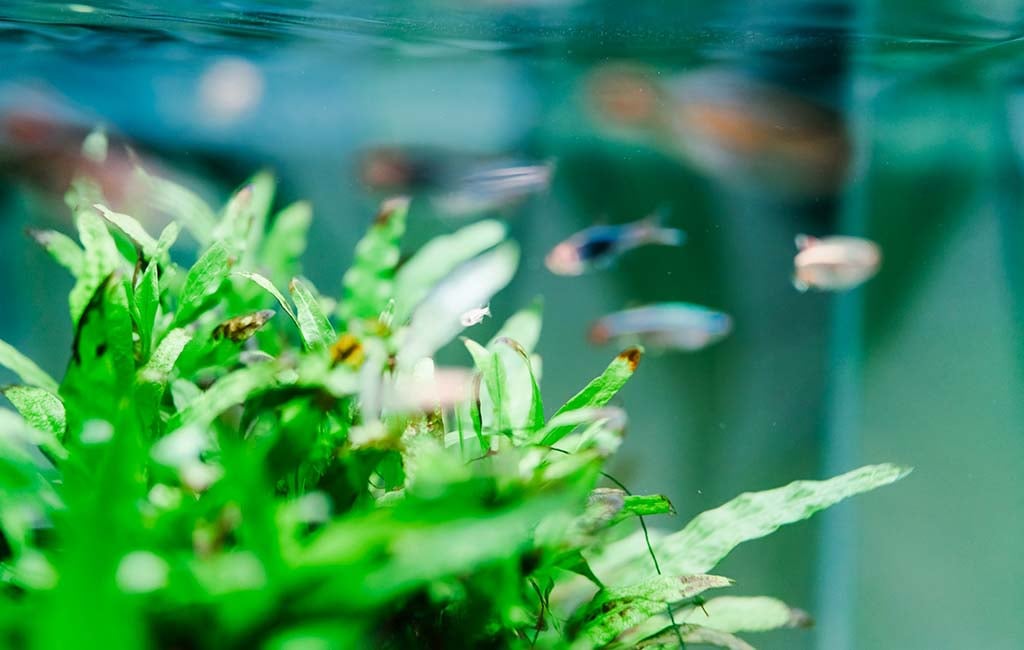
aquarium CO2 generator system
What is a CO₂ Generator?
A CO2 generator is a gadget that makes and supplies carbon dioxide gas in an aquarium. It helps to increase the level of dissolved CO2 in a way that vegetation has developed better, and within a short period of time. Planted aquariums often have to be supplemented with additional CO2 compared to the natural tanks, where fish and decomposing matter can supply some of it.
The generator is based on the chemical reaction to generate CO2, which is normally achieved by mixing citric acid and sodium bicarbonate. This reaction results in a steady and constant emission of gas, and the gas is injected into the tank by tubing, a regulator, and a diffuser. CO2 generator kits are available today, which are professionally grade equipment that is accurate in dosing and safe to use.
Why Use a CO₂ Generator in Aquariums?
When you add a CO2 generator to your aquarium, you will see a visible change in the health and growth of your plants. On the whole, a CO2 generator kit will make your planted aquarium a successful ecosystem rather than a failing one. These are the primary reasons why they are used by hobbyists.
1. Boosts Plant Growth
CO2 is used by plants in the process of photosynthesis to generate energy and release oxygen. As CO2 increases, they become more vigorous, healthier, and of a brighter color.
2. Improves Aquascaping Results
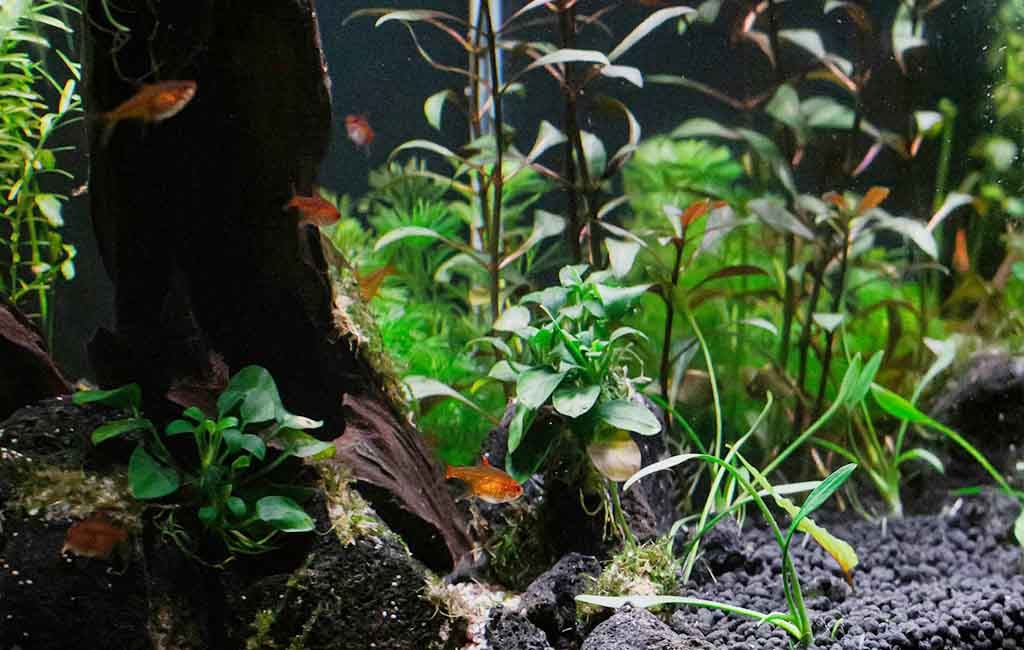
If you are an aquascaper, you can also grow challenging plants, such as carpet plants, mosses, and high-light stems, under the influence of CO2 injection. It produces green and beautiful scenery, which appears professional.
3. Enhances Oxygen for Fish
Even though CO2 is not oxygen itself, the healthier the plants are, the greater amount of oxygen is produced during photosynthesis. This is beneficial to fish and other tank residents.
4. Prevents Algae Growth
Plants that grow well and are strong compete with algae when they are growing well. As the CO2 is balanced, it prevents algae outbreaks by minimizing imbalances.
CO₂ Generator Kit Last
How Long Does a CO₂ Generator Kit Last?
The life of a CO2 generator kit will vary according to the size of the kit and the rate of use.
- 2 kg / 2 L kits– These are small and intended to fit small to medium-sized aquariums. They have a lifespan of approximately 3-4 weeks on average, depending on the bubble rate and tank size.
- 5 kg / 5 L kits– The larger kits are most efficient with large tanks or high-light aquariums. They should take 6-8 weeks with constant use before new citric acid and sodium bicarbonate are needed.
How to Choose the Right Size
- Use a 2 L kit when your aquarium has less than 40 gallons or is moderately planted.
- When the tank is bigger than 40 gallons, heavily planted layout, or you wish to do fewer refills, select a 5L tank kit.
Always suit the size of the kit to the size of your tank. It is always better to overestimate than to underestimate, as it is annoying to empty the tank too frequently.
set up CO2 generator
Set Up CO₂ Generator System Kit
The installation of a CO2 generator kit can be considered a technical process, yet the necessary steps make this process easy.
Step 1: Assemble the Kit
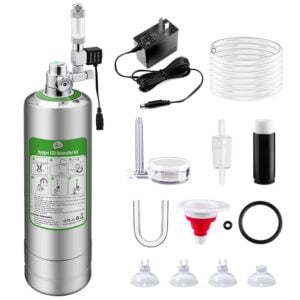
Take out the parts, such as the stainless steel bottle, regulator, solenoid valve, bubble counter, tubing, and diffuser. Ensure that nothing is lost or damaged.
Step 2: Add Reactants
Put the necessary quantities of citric acid and sodium bicarbonate into the bottle. These powders are not attached, so you will have to buy them separately. Place water as directed into the reaction mixture.
Step 3: Connect the Regulator and Tubing
Fix the regulator to the bottle and tube it. Be sure to install the check valve to ensure that water does not reverse into the system.
Step 4: Install the Bubble Counter and Diffuser
The bubble counter will give you the quantity of CO2 being emitted. Install it along with the tubing and install the diffuser in the aquarium.
Step 5: Connect the Solenoid Valve
You can set a timer on the solenoid valve to shut off when you do not need to inject CO2 at night, when the plants are not consuming CO2. That will save waste and preserve fish.
Step 6: Adjust and Monitor
Adjust the needle valve slowly until you get to the expected bubble rate. Monitor your fish and plants to check whether they are getting excess or deficient CO2. Do it in stages to prevent the stress of your tank residents.
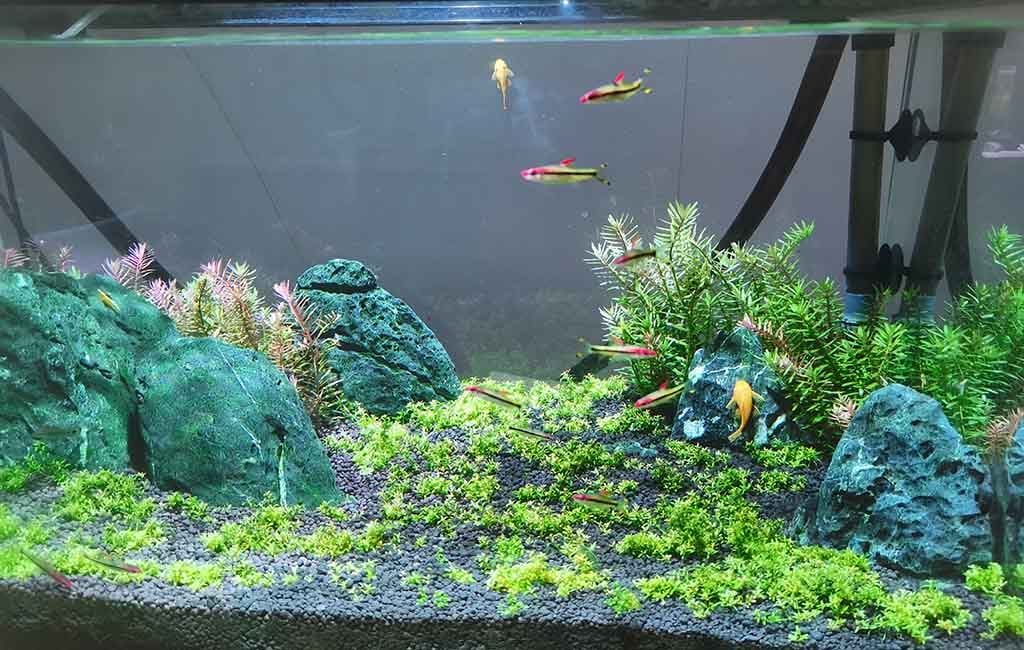
HC018 CO2 generator kits review
HC018 CO₂ Generator Kits Review
One of the most reliable and modern types of hygger HC018 CO2 Generator Kitis present. It is constructed of SUS304 stainless steel, 25 times heavier than standard tanks, unlike plastic bottle systems. This ensures that it is very strong, stable, and resistant to pressure.
Key Highlights of HC018 Kit
- Premium Build Quality: The bottles are made out of stainless steel. Hence, durable compared to plastic bottles.
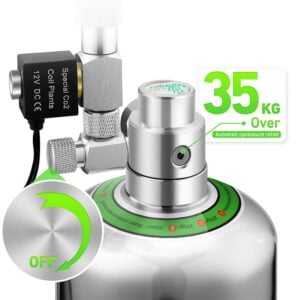
- High Safety Standards: It has an automatic pressure relief valve that opens at a pressure of 30-35 kg. The solenoid valve is also waterproof, thus providing additional protection.
- Complete Professional System: The kit contains a bubble counter, diffuser, solenoid, regulator, and a triple filter element. All you have to do is begin injecting CO2.
- Precise Control: The bubble counter prevents improper dosing, and the solenoid makes it possible to control any timers to automate it. It provides you with a uniform output without causing manual changes all the time.
- Two Sizes Available: The 2 L version is perfect for smaller tanks, while the 5 L model is designed for large aquascapes. Both provide consistent, high-purity CO₂ output.
Specifications Recap
- 2 L bottle– Height 34 cm, thickness 1.2 mm.
- 5 L bottle– Height 40 cm, thickness 1.5 mm.
Both versions include a full package of accessories such as suction cups, U-bend tube, and sealing rings.
Overall, the HC018 kit stands out because it eliminates the pressure instability seen in traditional DIY CO2 generators. You get a professional-grade system at a reasonable price.
Starting CO₂ on the Cheap
Starting CO₂ on the Cheap
Not every aquarist wants to spend big on CO₂ equipment right away. Luckily, the hygger HC018 kit offers an affordable entry into professional CO₂ injection compared to expensive pressurized systems.
If you are on a tight budget, start with the 2 L version. It is compact, cost-effective, and perfect for smaller aquariums. Over time, if you expand your tank or want fewer refills, you can upgrade to the 5 L version.
Another money-saving tip is buying citric acid and sodium bicarbonate powders in bulk. These ingredients are inexpensive and extend the running life of your system without high recurring costs.
Conclusion
A planted aquarium requires an adequate CO2 supplement in order to achieve its potential. One such system is a CO2 generator kit such as the HC018, which offers a safe, reliable, and accurate method to supply your plants with CO2. It is used to increase growth, improve aquascaping, help reduce algae, and ensure your fish lives in a healthier environment.
Regardless of the 2 L or 5 L kit you select, you will enjoy the same high-quality stainless steel design, advanced safety, and proper CO2 regulation. It is easy to set up, easy to maintain, and its effects are easy to see in the rich, healthy plant life in your aquarium.
The HC018 CO2 Generator Kit is a good place to begin this year, especially when you are ready to add more to your planted tank without emptying your wallet.
Related Products


I am looking to purchase HC031. I realize this is a complete kit – CO2 cylinder, hose, suction cups, bubble counter, CO2 diffuser, and the innovative motor valve. However, does Hygger offer any options or upgrades to the kit? For example, would it be a good idea to upgrade the diffuser with the Diffuser Atomizer (HC008)? if so, what other upgrades should I consider? I would prefer to buy everything, includes all upgrades, at once.
The HC031 is enough, it is a complete kit
Looking at online discussion, as well as Hygger’s website, I still do not have a clear understanding of the differences between HC018 and HC031. I have a custom 37-gallon tank (30x17x17) with several plants (maybe 40% planted) and 32 small community fish. I would appreciate it if someone could explain the difference between the two kits so I know which one is a better fit for my situation. Thank you, Scott
The difference is The HC031 comes with a motorized valve while the HC018 not.
It is recommend the HC031 for your tank, it can make your CO2 generate more accurately.
Thank you. I appreciate the quick response. Different question: Do you have a video detailing the process of adding the two chemicals? To be blunt, I am wondering just how difficult is or maybe how easy it is to add the chemicals as needed. Will maintenance be a bit of pain?
Sorry we don’t have such video.
Maybe the maintenance will be a bit of pain, but the results are beautiful sure.
What are the steps for refilling these co2 kits?
After the original set finished, re-proportion the ingredients and wait for the reaction to produce CO2