
Maintaining clean and healthy water in your fish tank is the key to the well-being and life span of your aquatic pets. The health of your fish or invertebrates is dependent on the quality of water, whether you keep freshwater fish, saltwater fish, or invertebrates. Over a long period of time, the quality of the water can be compromised by waste, food, dead plant life, and chemicals. This is the reason why you should use purified water for a fish tank.
Content Table
This hygger blog can tell at what time to identify problems, what can be considered as good tank water, the right tools to be used, and practical ways of getting proper fish tank water purification.
If Your Fish Tank Water Needs Purification
To Determine If Your Fish Tank Water Needs Purification
1. Observing Physical Water Conditions
The appearance of water is the most common and fastest indication that your fish tank requires purification. Cloudiness may be an indication of a bacterial bloom and may appear early or after organic matter breaks down. Such cloudy water can be white, gray, or green, depending on whether it is the result of bacterial, algal, or debris-oriented root cause. In a clean aquarium, the water is expected to be clear, enabling you to view the bottom of the aquarium.
2. Detecting Unusual Odors
The water in the tank ought to have a negligible odor. If the smells are foul or sour, then you will most probably be dealing with the waste decomposing or the ammonia accumulating. Such smells are a result of decaying foods, plant materials, or rotting fish. These odors can be associated with peak levels of dangerous water parameters that can easily cause problems for the occupants of the tank.
3. Monitoring Fish Behavior
When there are alterations in water quality due to the quality being affected, there are minor behavioral changes among fish. A proven sign of the lack of oxygen is gasping at the surface, which is usually because of an excess of ammonia or nitrite. Lethargy, clamped fins, poor appetite, and abnormal swimming behavior may be indications that the water has an accumulation of toxins. Aquarists can observe such behavior first, and it is not supposed to be disregarded.
4. Watching for Algae Overgrowth
A few algae in a tank are not abnormal and may be beneficial. A rapid, regular flowering indicates that there is a chemical imbalance. These blooms are most often caused by elevated phosphate and nitrate, which signal the purification of the tank. Algae may overgrow the plants, reduce oxygen at night, and disturb the appearance and balance of the tank.
5. Testing Water Parameters
The major thing is testing. A liquid or strip kit is the best way. It determines ammonia, nitrite, nitrate, pH, and hardness. Any reading more than 0 ppm in ammonia or nitrite, or nitrate, exceeding 20-40 ppm in an aquarium with freshwater is a cause of concern. Water remaining beyond acceptable limits requires urgent attention to avoid stress, illness, or even death among fish and invertebrates.

purify fish tank water
What Is Qualified Fish Tank Water?
Qualified tank water isn’t just about being “clean.” It must be balanced, oxygen-rich, and free from harmful chemicals and contaminants. Meeting these benchmarks supports your fish’s immune system, reduces disease risk, and promotes vibrant coloration and active behavior.
The water in a healthy aquarium has to fulfill some chemical and physical objectives. These values may vary depending on the fish that you keep, but there are general guidelines that maintain water clean and safe for all fish.
- Ammonia ppm (parts per million). Even trace amounts can burn gills and damage fish tissues.
- Nitrite:0 ppm. Like ammonia, nitrite is highly toxic.
- Nitrate: Ideally below 40 ppm. Nitrate is less harmful, but should be kept low to prevent stress and algae growth.
- pH: Should be stable and appropriate for your fish. Freshwater tanks typically range from 6.5 to 7.5.
- Temperature: Consistent and suitable for your tank inhabitants. Sudden fluctuations can be harmful.
- Clarity: Water should be visibly clear and odor-free.
- Oxygenation: Good oxygen levels are vital. If fish are gasping at the surface, it’s likely too low.
Water Test Kit vs Water Purifier: What’s the Difference?
Both water test kits and purifiers play essential roles in tank maintenance, but they serve very different purposes.
- Water Test Kits are instruments that demonstrate the water content. They disclose ammonia, nitrite, nitrate, pH, hardness, and in some cases, chlorine or heavy metals. Based on this information, you will be able to change the water, filter, or add conditioners.
- In contrast, Water purifiers are solutions. They actively remove harmful substances. Water purifiers can be chemical additives (like dechlorinators or ammonia neutralizers), mechanical tools (such as sponge or activated carbon filters), or even biological enhancers (bacteria boosters that process waste).
In short:
- Use test kits to monitor water conditions.
- Use purifiers to correct water quality problems.
The most successful aquarium hobbyists rely on both. Regular testing allows early detection of imbalances, while purification tools maintain long-term water quality.
| Feature | Water Test Kit | Water Purifier |
| Purpose | To measure water quality parameters | To treat and clean water |
| Use | Diagnostic tool | Preventive and corrective |
| Application | Before/after water changes, regularly | During tank setup, cycling, or purification |
| Cost | One-time or refillable expense | Varies by system (chemical, mechanical, UV) |
| Effectiveness | Helps you detect issues | Helps you resolve issues |
How to House Tank Inhabitants During Water Purification
When aquarists are treating the water, they tend to be concerned about what to do with their fish. It will depend on the extent of the water problem and the method you take.
This is how to do it safely. It should reduce stress and maintain the purification process as completely and safely as possible.
- Use a clean container or temporary tank.
Apply a clean vessel or a temporary tank. The plastic or glass should be food-grade and should be large, so that the fish is not congested. Into it, add dechlorinated water of equal temperature and pH to the main tank.
With tropical fish, one may want to add a small adjustable heater to sustain a constant temperature, ideally 1-2 degrees F lower than in the initial tank. Add an air pump and an airstone. This is to ensure the oxygen level is maintained, especially when you want to hold fish over extended periods.
- Transfer the fish gently.
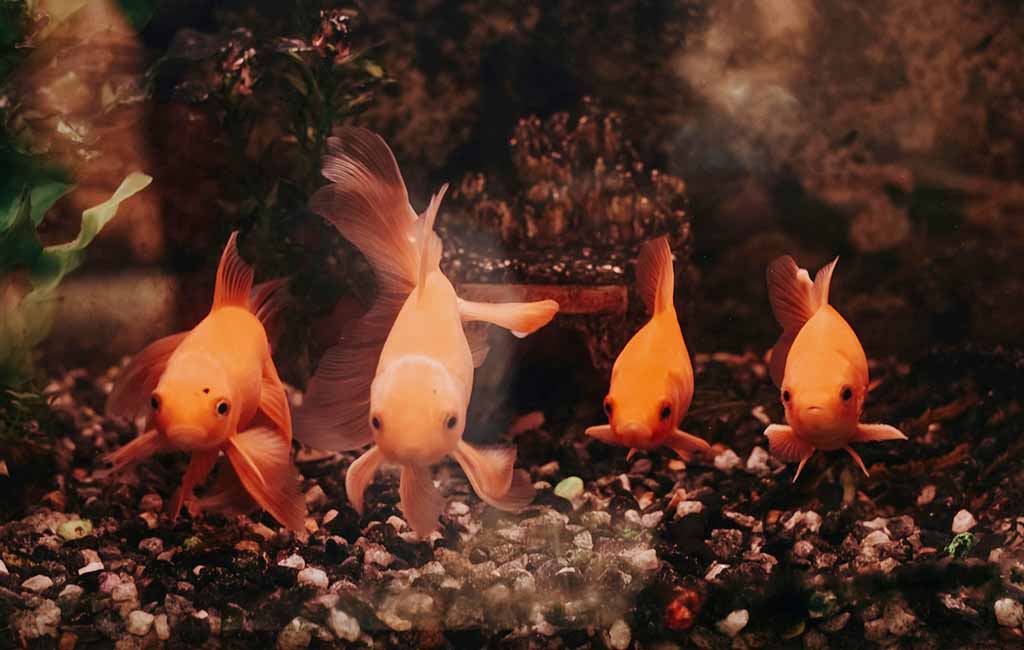
Remove the fish with a soft-mesh net or a fish-safe cup. Avoid running after and any sudden movements as a means of decreasing stress. Do not take the fish out of the water for too long.
Transfer the fish gently
- Include a piece of existing tank decor.
Add some decor you have (such as a cave or plastic plant) or some small portion of the original tank substrate. This aids in lowering stress levels and transferring positive bacteria to support biological filtration.
- Avoid feeding during this period.
Do not feed during this temporary stay, especially when the holding tank does not have filtration. Fish can be deprived of food for 1-2 days without damage. Feeding introduces waste that rapidly contaminates unfiltered water and may cause ammonia to become elevated. Check water parameters regularly and maintain the holding time to the shortest time possible, preferably less than 24-48 hours.
Pure Digest Your Aquarium Water: Effective Ways to Purify Fish Tank Water
Fish tank water purification can be made easy. These are some of the great and effective ways of keeping your tank fresh and healthy.
1. Regular Partial Water Changes
It is the most credible way of measuring water quality. Each week, replace 15-25% of the tank water with dechlorinated, temperature-matched water. This removes toxins such as nitrates and renews the oxygen without upsetting the balance in the tank.
2. Use a High-Quality Filtration System
An excellent filter must provide mechanical, chemical, and biological filtration. Mechanical skims off debris; chemical (e.g., activated carbon) adsorbs odors and toxins; biological filtration makes use of friendly bacteria to break down ammonia into less harmful substances.
Be sure to wash your filter media in old tank water (not tap water) to avoid killing the bacterial colonies.
purified water for a fish tank
3. Add Beneficial Bacteria Supplements
Such products increase biological filtration in your tank. They add nitrifying bacteria, which break down the fish waste, uneaten food, and other organic matter into less harmful substances.
4. Use a Water Conditioner
Tap water contains chlorine and chloramine, which are poisonous to fish. These chemicals are neutralized immediately when a dechlorinator is used, such as hygger All In One Water Conditioner, which can detoxify ammonia and nitrite, to provide time in the event of an emergency.
5. Activated Carbon or Chemical Resins
Organic pollutants, tannins, and odors are absorbed by activated carbon within your filter. To address more specific problems (removal of phosphate, ammonia, or heavy metals), use specific resins.
6. UV Sterilizers
When algae or turbid water is an ongoing issue, you may want to look at a UV sterilizer. This device applies ultraviolet light to destroy free-floating bacteria and algae spores. Not necessary on all tanks, but can come in very handy in repeat bloom scenarios.
7. Live Plants
Not only will aquarium plants make your tank beautiful, but they also consume extra nutrients, such as nitrates and phosphates. The fastest-growing ones, such as hornwort, water sprite, and duckweed, are particularly effective. They are natural cleaners and are sources of oxygen during the daytime.
ways to purify fish tank water
To Summarize
It is not just a single action of purifying fish tank water, but a continuous course of prevention and cure after the purified water for the fish tank. The first step is to get to know the state of your water through test kits and learn how to determine the levels of safe tank water. The proper equipment and techniques, such as frequent water changes and filtration, good bacteria and conditioners, will help you to keep a flourishing aquatic habitat.
Your effort will be paid off by your fish with bright color, their playful nature, and long life. And nothing is more gratifying than gazing into a sparkling clean tank that shows the health and balance of its residents.
Regardless of whether you are cleaning up a murky tank or simply want to achieve perfection. Cleaning your aquarium water is a caring act, both to the fish and to the ecosystem you have established. Do it regularly, and it becomes natural.
Related Products




Leave a comment