
When I first got a reptile, I had no idea what I was doing. I mean, I did the research and set up the enclosure and everything, but reading about “proper husbandry” and actually knowing if your scaly friend is happy? Two completely different things. Dogs wag their tails. Cats purr. Reptiles sit there. Staring. Which makes figuring out if they’re stressed feel a bit like trying to read the mind of a sphinx. But here’s the thing: they are telling you stuff such as signs of stress in reptiles. You have to know what to look for and how to assess stress in reptiles.
Content Table
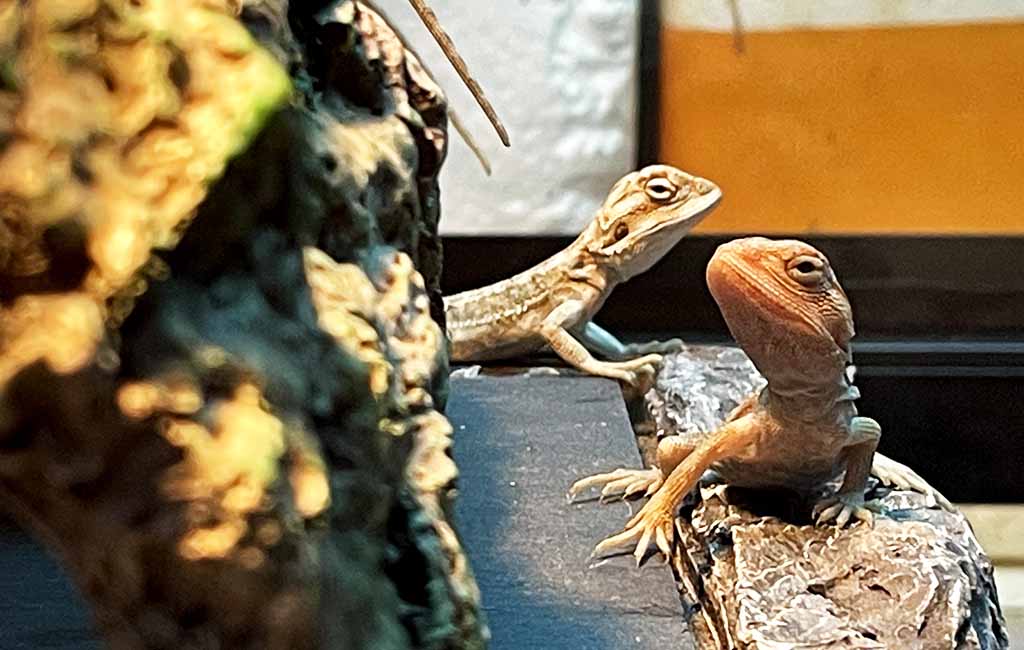
How to assess stress in reptiles
Can Reptiles Feel Stress?
So this was my first question too. Can reptiles actually feel stress, or are we just projecting our own anxieties onto a creature that literally has a brain the size of a walnut? Turns out, yes. They absolutely can.
Now, they’re not sitting in their tank worrying about deadlines or whether they said something awkward at the last reptile social gathering. But stress as a biological response? Yeah, they’ve got that. When something in their environment feels wrong or threatening, their bodies react. Cortisol spikes. Heart rate changes. All the same stress hormones that flood their systems when they’re freaking out.
The difference is that in the wild, stress is usually temporary. The predator shows up, you hide, danger passes, stress goes away. But when they’re living in a glass box? If something’s off with the temperature, the lighting, the hiding spots, whatever, that stress doesn’t go away. It becomes chronic. And chronic stress in reptiles is bad news. We’re talking suppressed immune systems, refusal to eat, weird behaviors, shorter lifespans. All the stuff you definitely don’t want for your reptile pets.
Why Reptiles Close Their Eyes
Okay, this one confused me for way too long. I’d catch my bearded dragon with his eyes closed during the day and think, “Aww, sleepy guy.” Sometimes that was true. Sometimes it very much was not.
When Eye Closing Means Something’s Wrong
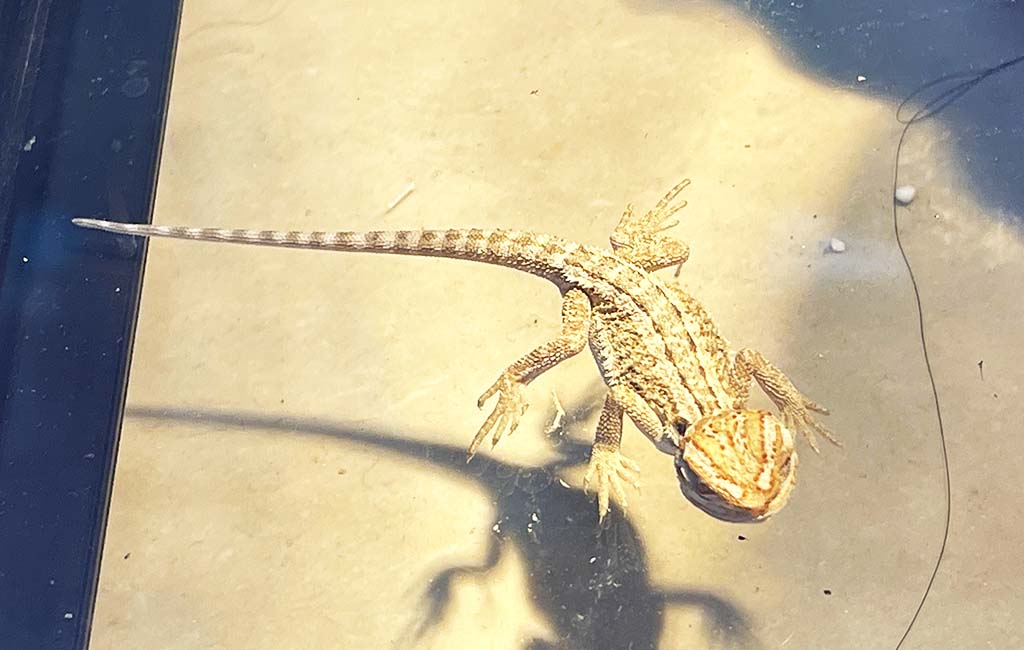
Reptiles close their eyes when they’re uncomfortable or stressed, and it’s not always obvious why. Could be that the UVB lighting is too bright. Could be they’re overheating. Could be they’re trying to block out something that’s bothering them. It’s basically their version of putting a pillow over their head.
If you notice your reptile closing its eyes a lot when it should be active, that’s your first red flag. Especially if it’s happening during basking time or when you’re handling them. They might be trying to tell you something’s not right.
Now, obviously, reptiles do sleep. And when they sleep, yes, their eyes are closed. But pay attention to the pattern. Are they sleeping at weird times? More than usual? That’s different from normal day-night cycles.
Stressful to Reptiles
What Lights Are Stressful to Reptiles
This is where I messed up early on. I thought any UV light was fine, but it’s not.
The Wrong Kind of Light
Bright white lights at night? Stressful. Colored lights that mess with their day-night cycle? Stressful. Are the lights too intense or positioned incorrectly? You guessed it. Stressful.
Most reptiles need a pretty specific lighting setup. During the day, they need UVB for vitamin D synthesis (which helps them process calcium). They also need a basking light that creates a temperature gradient. But at night? Most species need it to be dark. Actually dark. Not “red bulb that’s supposed to be invisible to them” dark.
What They Actually Need
The right lighting setup depends on your specific reptile, but generally, you’re looking at:
- UVB lighting during daytime hours (and replace these bulbs every 6-12 months, even if they still look fine)
- A basking spot with the right temperature for your species
- A proper day-night cycle that mimics their natural habitat
- Darkness at night for most species
Getting this wrong can throw off their entire system. Sleep patterns get messed up. Feeding schedules go wonky. They get stressed trying to function in an environment that doesn’t align with their biology.
Signs of stress in reptiles
Signs of Stress in Reptiles
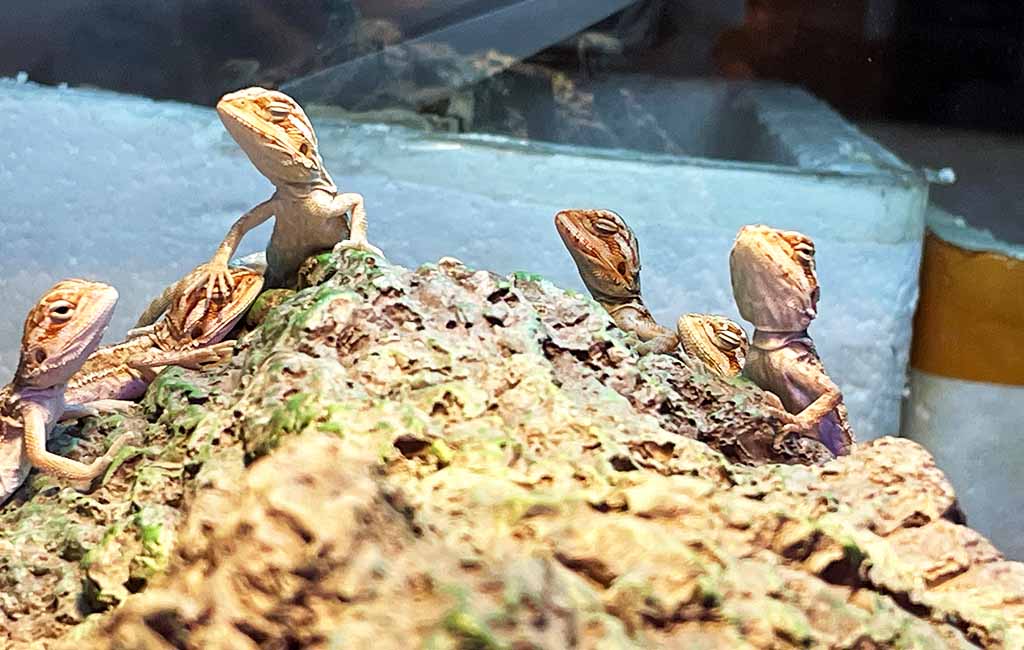
Alright, so how do you actually tell if your reptile is stressed? Because they’re not going to tell you. Here’s what to watch for.
Behavioral Changes
Loss of appetite is the big one. If your reptile suddenly stops eating or becomes picky about food they normally demolish, it could be stress or an illness. Either way, it needs attention.
Hiding all the time is another sign. Now, reptiles do hide. That’s normal. But if your usually-active lizard is suddenly spending 24/7 in their hide box, that’s different.
Aggression or defensive behavior that’s out of character? Also, a red flag. If your normally chill snake is suddenly hissing and striking at everything, they’re trying to tell you they feel threatened.
Physical Signs
Glass surfing (when they scratch at the enclosure walls repeatedly) means they’re trying to escape something. Could be the temperature. Could be that they feel too exposed. Could be that the enclosure is too small.
Color changes in species that can change color. Stress colors are usually darker or duller than their normal appearance.
Excessive shedding problems or incomplete sheds can indicate stress affecting their body’s normal processes.
Weird breathing patterns, gaping mouths (when they’re not thermoregulating), or other physical changes shouldn’t be ignored.
How to Assess Stress in Reptile Pets
How to Assess Stress in Reptile Pets
So you think your reptile might be stressed. Now what?
Check the Basics First
Start with the environmental stuff because that’s usually the culprit:
- Use an actual thermometer. Not just guessing. Check both the warm and cool sides.
- Humidity levels for species that need it
- Lighting schedule and bulb age
- Enclosure size and setup
Observe Behavior Patterns
Keep a log for a week or two. It sounds annoying. But patterns matter. Write down when they eat, when they’re active, and when they’re hiding. This helps you spot what’s normal versus what’s stress-related.
Calming Them Down
If you’ve identified the problem, fix it gradually. Don’t change everything at once because that’s also stressful. One thing at a time.
Reduce handling if you’ve been doing it a lot. Some reptiles tolerate it better than others, but even the chill ones need breaks.
Make sure they have proper hiding spots. Multiple ones. They should be able to hide in both the warm and cool areas of their enclosure.
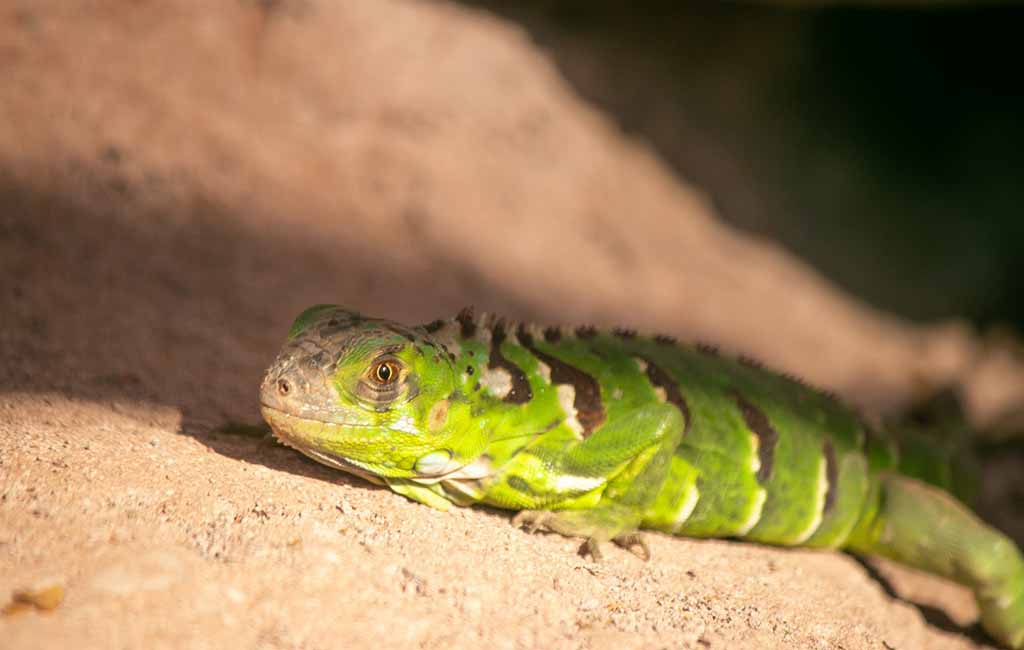
Stressors to Check and Avoid
Common Stressors to Check and Avoid
Let me just list out the usual suspects because these are the things that stress out reptiles constantly:
- Improper temperatures.Too hot, too cold, or no gradient between the two. This is probably the number one issue.
- Wrong humidity. Desert species are getting too much moisture. Tropical species are drying out. Both are problems.
- Enclosure too small or too open. They either feel cramped or exposed. Neither is good.
- Too much handling. I get it, you want to interact with your pet. But reptiles aren’t dogs. Most of them tolerate handling at best. Doing it too much stresses them out.
- Other pets are stressing them out. That cat sitting outside the enclosure, staring at your lizard? Yeah, your lizard sees a predator. That’s terrifying for them.
- Inadequate hiding spots. They need places to feel secure. Non-negotiable.
- Feeding issues.Wrong food, wrong size, wrong schedule. All stressful.
- Sudden changes to their environment.Moving their enclosure, rearranging everything, and getting new decorations. Change is hard for reptiles.
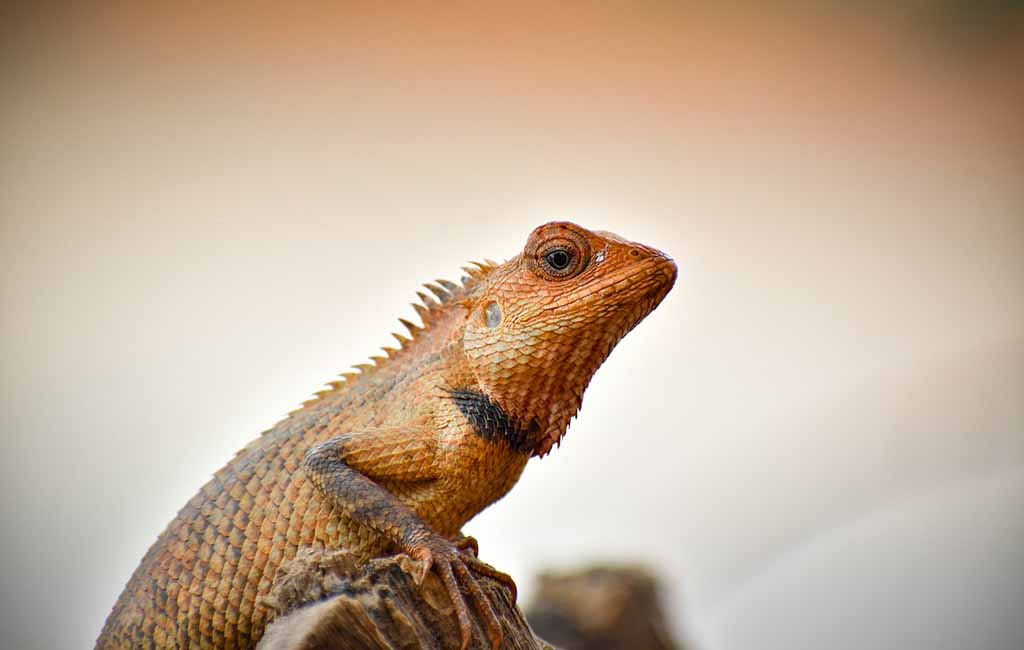
keeping reptiles happy
End of the Line
Here’s the truth: keeping reptiles isn’t as straightforward as keeping mammals. They don’t give you the same obvious feedback. But they ARE communicating. You just have to pay attention to the subtle stuff. Watch their behavior.
Check your husbandry regularly. Make adjustments when needed. And remember that what looks like “doing nothing” to us might actually be a reptile telling you everything’s fine. Or that everything’s very much not fine. The difference is in the details.
Once you learn to read those details, you’ll be a much better reptile keeper. And your scaly friend will be a lot less stressed.
Related Products



Leave a comment