
Shrimps have a variety of species. Different species have their preferred substrate conditions. If they live in their respective and preferred environments, you can see their thriving growth. What are the different types of substrates for a shrimp tank? Moreover, the scope of this article is to determine how to choose the best match of shrimp substrate for different species.
Content Table
Shrimp-Specific Soil
Shrimps are quite interesting and unique aquarium pets. They require species-specific substrate characteristics to sustain an optimal life. This is more important as they are bottom dwellers and spend most of their lives on the bottom. Here are some peculiarities of shrimp-specific soil in any tank.

shrimp-specific soil
Peculiarities
- It acts like a buffer, i.e., maintaining the acidic pH of the water in the tank.
- It softens the water parameters by reducing the GH and KH.
- The shrimp substrate improves the biological filtration in the tank.
- It has micro-pores that promote beneficial bacterial growth, which increases biofilm and algae growth. Both of these are food for the shrimps.
- It is a nutrient-rich soil, i.e., iron, potassium, nitrogen, etc., that encourages plant growth in the tank.
- Due to its nutrient-rich nature, it appears dark. This dark color contrasts with the shrimps’ appearance and creates visual appeal in the tank.
- New substrate soil can cause an ammonia spike in the tank. Therefore, cycle the tank before introducing the shrimps into the tank.
- Usually, shrimp-specific soil is suitable for softwater shrimps. Hardwater species have some other requirements.
The Nutrition of Shrimp Substrate
Other than controlling the water parameters, shrimp substrate helps to indirectly fulfill the nutrient requirements for the shrimp, besides optimizing their health. Here are the nutrients that shrimp soil contains. Shrimp don’t consume these trace elements directly. They take them through water, gills, or by scavenging the bottom and eating food, i.e., algae.
| Minerals and Trace Elements | Functioning |
| Calcium | Help in exoskeleton formation during molting. |
| Magnesium | Helps with muscle and nerve function |
| Potassium | It helps to make their osmotic balance by controlling the cellular function |
| Iron | Important for enzyme activity and supports plant growth |
| Manganese
Zinc Copper |
It helps to optimize their metabolism. |
Other than these trace elements, some other nutrients indirectly help sustain shrimp’s life in the tank. They help in plant growth. As you are aware, shrimp feed on algae and biofilm. Plants host the biofilm. Moreover, plants help clean the water, which is highly sensitive for the shrimp.
- Nitrogen compounds
- Phosphates
- Micronutrients
What Soil Is Recommended for Shrimp in Tanks?
Substrate Types
Different shrimp species require different substrates. Mainly, there are three major classes of soil types for a shrimp tank:
- Active substrate
- Inert substrate
- Mineralized substrate
Active Substrate
It has a lowered and stable pH and the ability to soften the water by lowering the KH and GH of the water. The crystal red shrimp and Taiwan bee shrimp love to live on this substrate. This mineral-rich soil suits well with RO water.
Inert Substrate
It never changes the water parameters, i.e., it does not soften the water or alter the pH. Cherry shrimp and blue dream shrimp thrive with this type of bottom soil. It is among the safe and stable substrate options. However, it requires minerals to meet the nutrient requirements for plants and shrimp.
Mineralized Soil
It is rich in calcium, magnesium, and other trace elements. Caridina and Neocaridina species fit well with this type of substrate. This is a suitable option during molting, as calcium and magnesium help to strengthen the shell during the molting period.
Recommended Soil Types for Different Shrimps
- Active soil types are suitable for caridina species.
- Mild active substrate suits caridina and neocaridina shrimps.
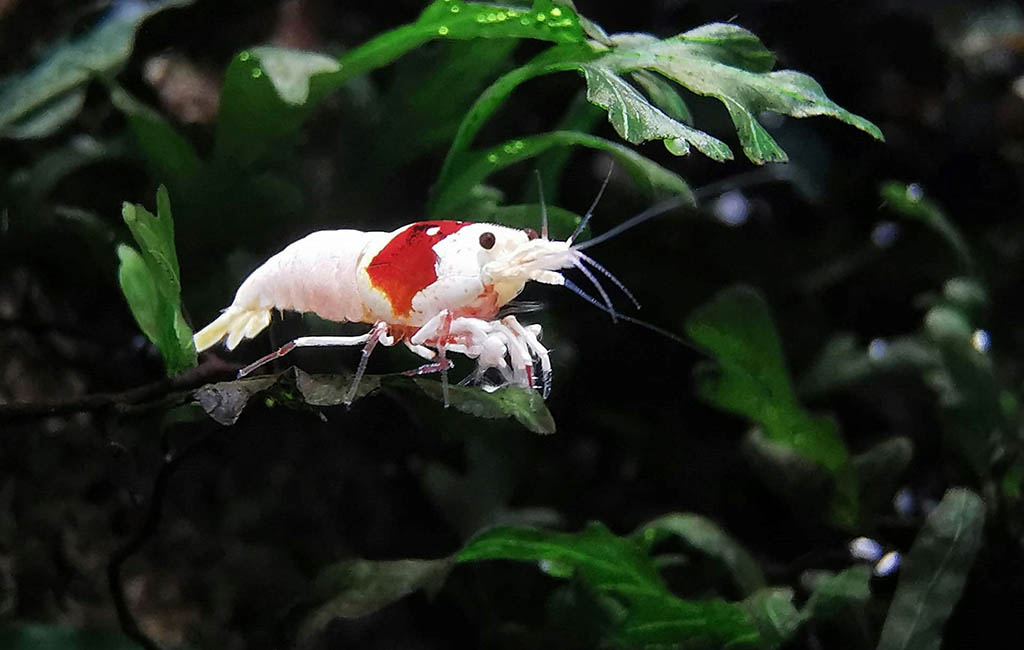
shrimp substrate
Choose the Best Substrate for Shrimp
Every shrimp has its preference for the substrate. If you introduce the shrimp to their desired environment, you’ll see the wonder. Moreover, it’ll also help in plant growth, biofilm growth, etc. Here are some substrate types with suitable shrimp species. Moreover, it’ll also cover the reason why they prefer it.
Active substrate
It helps in lowering pH and softening the water. It softens the water by reducing the KH and GH.
- Crystal Red Shrimp
- Crystal Black Shrimp
- Taiwan Bee
- Shadow Panda
- Blue Bolt
These shrimp prefer these soil types as they require acidic and soft water conditions. This soil does the same job by creating stable water parameters in the tank. Moreover, stable water parameters are critical during molting and breeding. Additionally, active substrate promotes plant and biofilm growth. It also improves microbial growth, which is required for baby shrimp.
Inert Substrate
This substrate never alters the water parameters, i.e., it is fully stable. Here are some species that prefer to live in this environment:
- Cherry shrimp
- Yellow shrimp
- Blue dream shrimp
- Orange Sakura
These shrimps prefer these soil types as they tend to live in neutral to slightly alkaline water conditions. This substrate type maintains the consistency that is lacking in active substrate tanks. However, if you plan to grow plants in this tank, you will need to fertilize it regularly.
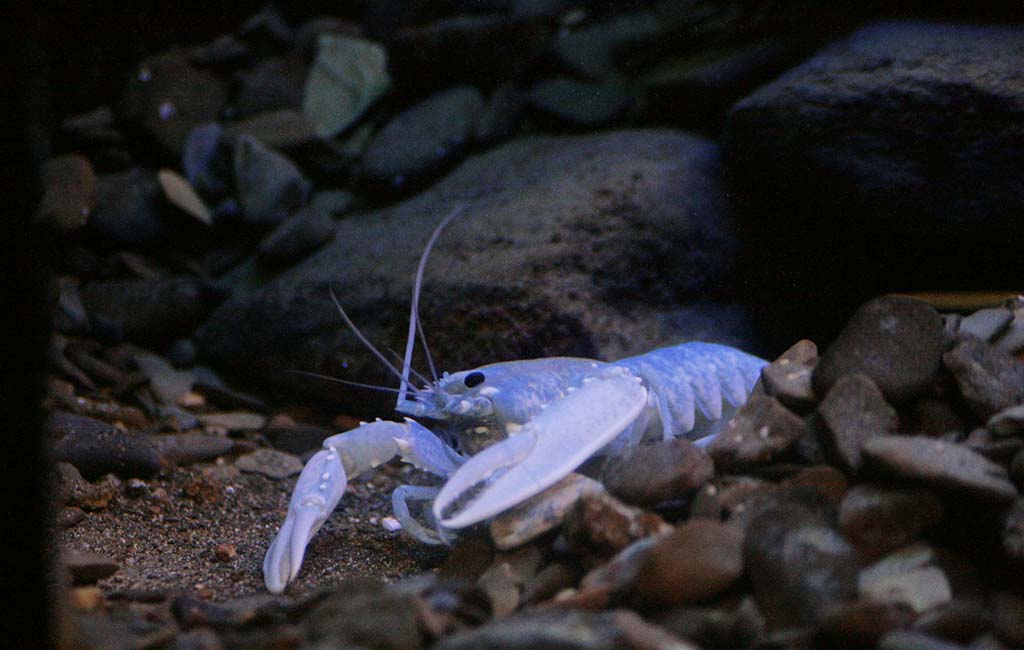
best substrate for shrimp
Mineralize Substrate
This substrate is rich in calcium, magnesium, and other trace elements, i.e., iron, zinc, etc. A mixed community of cardina and neocardina can thrive in this environment. This substrate is suitable for molting and breeding tanks as these minerals help develop the exoskeleton, i.e., the shell of the shrimp. Moreover, it can also lower the water pH. However, this depends entirely on the substrate composition.
Mild-Active Substrate
It also helps in buffering, but it is lower than the active substrate. Moreover, it’s nutrient-rich and the best for the planted shrimp tank. Both Neocaridina and hardy Caridina species can live in this substrate. Mixed species and planted tanks prefer this type of substrate for various reasons. Nutrients and micropores promote plant roots and biofilm for the shrimps. It creates a balanced environment that reduces shrimp care.
The Bottom Line
The active substrate is nutrient-rich and acts like a buffer, i.e., reduces the pH. Caridana species love to live on the bottom. An inert substrate doesn’t alter the water parameters, and species like Yellow shrimp and Blue dream shrimp prefer it. A mildly active or semi-active substrate is suitable for a planted tank. So choose the bottom according to your requirements and enjoy the beauty of shrimps.
Related Products


Leave a comment