
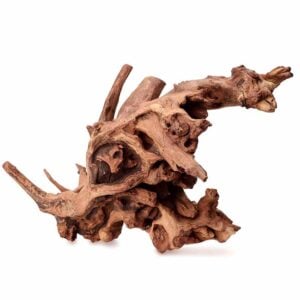
The natural driftwood gives a classical, natural beauty to the aquariums and home decoration. It gives any space character, texture, and a touch of nature. In aquascapes, the driftwood takes the place of the skeleton of design, a sculptural element, over which plants and fish are growing.
Content Table
It can be used as a home decoration, as a piece of art with an artisan flair. More importantly, driftwood has ecological and practical significance. That is why it is particularly attractive to those hobbyists and interior enthusiasts. In this post, we will discuss why aquascaping natural driftwood is so special, how you can use it safely, and why it is a long-term investment in your space.
driftwood art
Natural Driftwood Art
What is natural driftwood art?
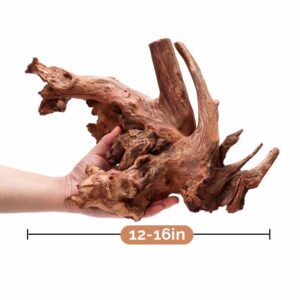
Natural driftwood art is the use of driftwood (pieces of wood worn by water) as an artistic or design component of an aquarium and in houses. Driftwood in aquascaping is placed in a way that resembles natural underwater scenery: tree roots, tree branches, or caves. It gives structure, contrasts, and depth.
Creative ideas in aquascaping:
- Make tree roots with the help of branchy driftwoodthat grows out of the substrate, creating a look of a mini-forest.
- Combine driftwood with mosses and ferns. You can tie Java moss, Anubias, or Java fern to driftwood crevices to simulate natural growth.
- Use driftwood as hardscape anchors. The large driftwood pieces can serve as structural elements, around which you place rocks and plants.
- Make floating “root systems”: lightweight driftwood pieces can be gently tied or balanced to look like floating roots or branches.
- Create driftwood sculpturesfor home decor: you can polish or varnish driftwood (while keeping it natural) and mount it on a base or hang it as wall art.
Each piece of driftwood is an original, so you get a one-of-a-kind design. You will never see two driftwood art arrangements that are the same.
Why Is Driftwood so Special
There are several reasons why Driftwood is special, both aesthetically and scientifically.
Natural aesthetics and realism
Driftwood introduces a touch of naturalness and genuineness. It is used in aquariums to recreate a realistic biotope by recreating the natural habitat of a large number of fish species (riverbeds, flooded forests, or blackwater regions). It features irregular shapes and textures that make tank layouts more visually engaging and exciting.
Magical ecological properties
- Tannin release: When floating, the driftwood releases the tannins gradually. The natural compounds make the water appear tea-colored and slightly reduce the pH of the water. Softer, more acidic water would suit numerous tropical fish.
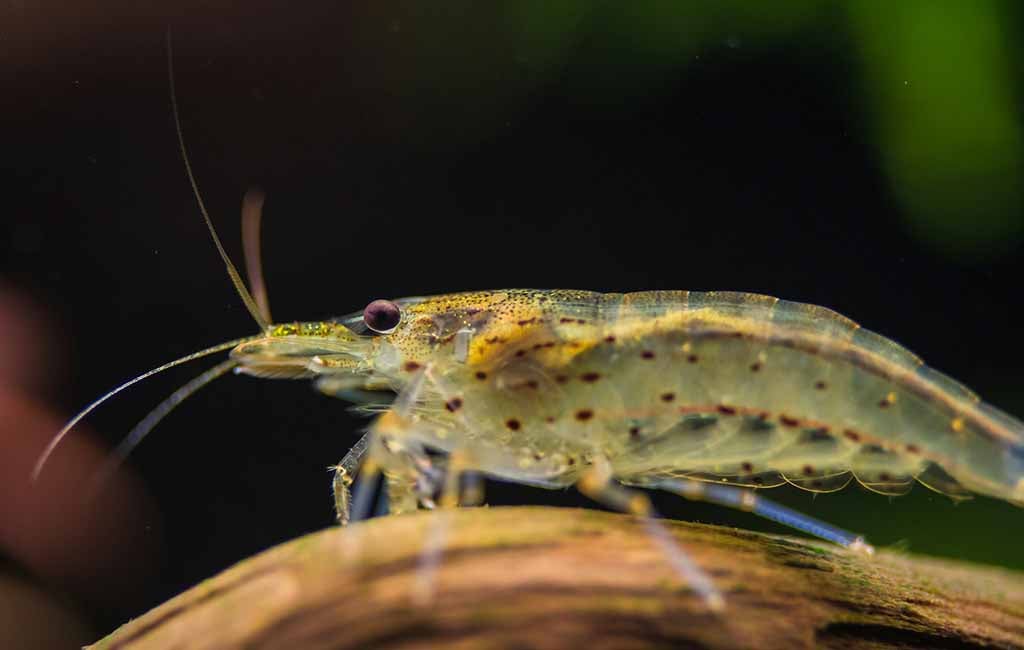
- Beneficial biofilm: Driftwood surfaces promote the growth of biofilm (beneficial bacteria and microorganisms), on which many fish and shrimp feed.
- Shelter and hiding spots: Branches and holes on driftwood offer shelter, breeding, and hiding places for fish and can help them reduce their stress.
- Water buffering: Because it interferes with the water chemistry, driftwood may stabilize the pH and water softness. This can be particularly beneficial to species that are sensitive to rapid changes.
All these characteristics cause driftwood not only to be an ornament, but also to be useful in maintaining a natural and healthier aquarium ecosystem.
Lifespan of Driftwood
What Is the Lifespan of Driftwood
When you spend money on driftwood, the question is: how long will it last?
- According to aquascaping sources, hardwoods such as Malaysian driftwood or Mopani wood may live almost up to 5 to 10 years, or even longer.
- Conversely, the soft woods (or porous wood, such as cholla wood) decay more quickly. As an example, the cholla wood can begin to rot in six months or even a year.
- Life time also relies on the conditions of a tank. The temperature of water, its flow (current), and the existence of organisms nibbling or scratching the wood are going to influence the rate of driftwood decomposition.
- The driftwood does not always become useless as it decays. It can become soft or hollow. Nevertheless, it will still play ecological functions. Decomposed wood will be a part of the substrate or an additional food source.
So, driftwood will never be a permanent object, though a good, properly made one can be of use and beauty over many years.
Is Driftwood Safe to Bring Home
Yes – driftwood may be quite safe when you select the right kind and prepare it properly. Nevertheless, certain risks should be taken into consideration.
Safety factors to consider:
- Wood type matters: Use hardwoods like Malaysian driftwood, Mopani, Manzanita, or Spiderwood. Hard, resinous woods like pine or cedar and other conifers should be avoided; they can be washed away and rot fast.
- Source: Purchase driftwood in good shops that sell aquarium supplies, or, in case you gather the wood yourself. Be certain that it has not had any chemical treatment, paint, or contamination.
- Saltwater driftwood: If the driftwood came from a marine environment, be cautious. The wood can absorb salt, which can leak into a freshwater tank and poison your fish.
Driftwood can be quite harmless when used in this way. Most hobbyists claim to have found no damage to fish once they have installed properly made wood.
aquascaping natural driftwood
How to Do Before Using Natural Driftwood
The main thing here is to prepare driftwood to be safe, stable, and attractive to look at. These are some of the general steps to be taken:
Clean thoroughly:
- Wipe the driftwood against clean water using a stiff brushto clean the driftwood and remove the dirt and debris, and any loose bark.
- Avoid using chemicals or soaps, which could leave residues.
Soak the wood
- Submerge driftwood in a bucket or tub of dechlorinated (or clean) water for 1–2 weeks, changing water regularly.
- For very large pieces, soaking may take several weeksuntil the water stops turning dark (tannin leaching reduces).
- This process helps in leaching out excess tannins and also ensures the wood becomes waterlogged (so it sinks).
Sterilize (optional but helpful):
- Boil the driftwood for 1–2 hours(or more, depending on size) to kill any bacteria or parasites.
- Alternatively, if boiling isn’t possible, soak in hot wateror use a bleach solution (1 part bleach to 10 parts water) for 24 hours. It should be very thoroughly rinsed until no bleach remains.
- After bleach treatment, use a dechlorinator and soak again to neutralize remaining chemicals.
Curing for buoyancy:
- Make sure the wood sinks on its own. If it floats after soaking, continue the soak or tie it down with rocks, fishing line, or suction cups.
- Boiling can help release trapped air and make sinking faster.
Final inspection:
- Let the piece dry in a ventilated area if needed. Drying helps spot any cracks or damage.
- Test the piece in a separate bucket of water before placing it in your main tank. Monitor how much tannin it releases, whether it sinks, or if there is any chemical smell or residue.
By preparing driftwood carefully, you minimize risks and ensure it benefits your aquascape or home decor safely.
natural driftwood
Some Interesting Facts About Natural Driftwood
Here are some cool and lesser-known facts about driftwood:
- Driftwood is not merely ornamental but resembles the natural water ecosystems in the wild, e.g., flooded forests and riverbanks.
- The tannin tea-coloured effect of water is inoffensive to most fish, and is even regarded as desirable in black water tanks.
- Another thing that is often noticed on the first attempt to add driftwood is a white or brown, glutenous film (a harmless fungus). This normally runs away on its own, being consumed or washed off.
- Certain types of driftwood (such as spiderwood) are slow to sink due to lower density. However, with such shapes, they are highly favored by aquascapers.
- Some driftwood types (like spiderwood) take a long time to sink because they’re less dense, but their complex shapes make them very popular among aquascapers.
- Dietary benefits can also be provided by driftwood. Some fish (such as plecos) rasp on it to get fibre, and shrimp graze biofilm on its surface.
Facts About Natural Driftwood
Looking Ahead
Natural driftwood is not just another ornamental object but rather a living operational tool that helps in form and purpose in aquariums and homes. Due to the ongoing rise of aquascaping and environmentally friendly design, the role of driftwood is even greater.
Whenever you are establishing a new tank or doing a house decoration, consider how the driftwood will anchor your design in addition to bringing ecological value. Driftwood may be a great help to you, year after year, with careful choice, preparation, and positioning.
Driftwood is an eternally popular material amongst hobbyists because it combines art and nature like few other substances. It will be even more popular as more hobbyists turn to sustainable and organic materials.
Related Products

Leave a comment