
When your aquarium fish suddenly starts bleeding or develops red streaks or other forms of atypical lethargy, then it may be experiencing hemorrhagic septicemia. It is a bacterial disease that is among the most severe infections of wild and captive fish. It is contagious and has a high mortality if it is not treated early.
Content Table
Hemorrhagic septicemia in fish is vital that any aquarium owner knows the causes of this disease, the ways of its transmission, and the ways of its control. This article will teach you all about hemorrhagic septicemia in aquarium fish and how to keep your aquatic pets safe against it.
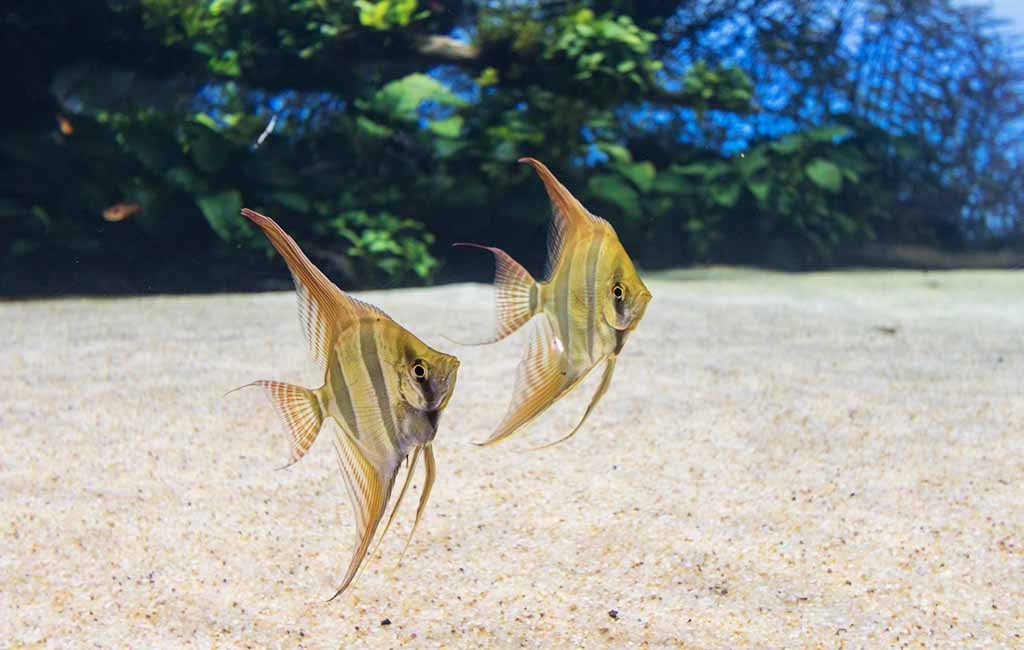
fish hemorrhagic septicemia
Hemorrhagic Septicemia Disease in Aquariums
Hemorrhagic septicemia is a bacterial infection that is primarily caused by either Aeromonas hydrophila or Pseudomonas fluorescens. These bacteria are prevalent in freshwater systems and may turn hazardous in unfavorable conditions of tanks. The infection causes both internal and external bleeding to affect infected fish, making them look reddish or blood-streaked.
In the majority of instances, the disease is caused by stress, poor quality of water, or overcrowding. The immune system of fish becomes weak when they are under stress, thus bacteria attack them. Aquarium outbreaks can also occur because of ammonia spikes, low oxygen levels, and a dirty filter.
The bacteria infect the fish’s body through the gills, skin wounds, or the digestive system. Once there, they reproduce fast within the bloodstream, resulting in internal bleeding and organ failure. Unless it is suppressed early, it may spread throughout the entire tank.
Is Hemorrhagic Septicemia in Fish Contagious?
Yes, hemorrhagic septicemia is very transmissible in fish of the same tank. The bacteria are spread by water, contaminated tools, and even by leftover food particles. Once a fish is infected, chances are high that it will be caught by others unless something is done.
The contagious nature of the infection can be explained by the mechanism of bacterial survival in the aquarium environment. They can stay in the water or substrate and last for many days. Fish that have open wounds or a poor immune system are the ones that are affected first.
It is also interesting to note that hemorrhagic septicemia does not occur in human beings. Nevertheless, humans may accidentally transmit it by touching infected fish or using dirty nets across tanks. That is why it is necessary to disinfect equipment after each use.
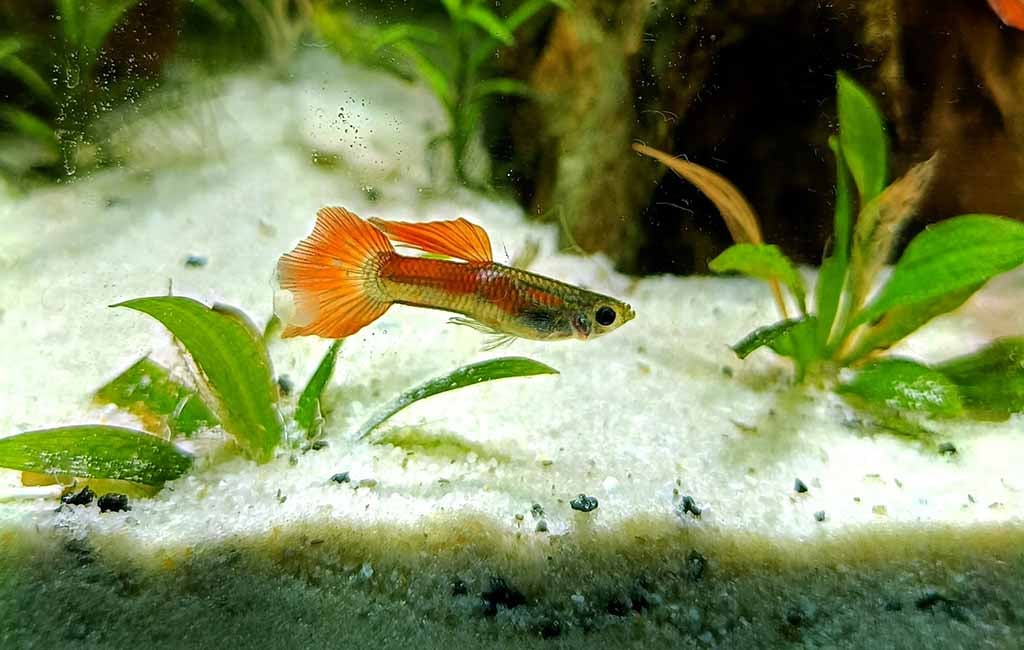
hemorrhagic septicemia in fish
Some Cases of Hemorrhagic Septicemia in Fish
Hemorrhagic septicemia has different symptoms based on the level of infection and fish species. During the early stage, fish will be seen to be tired, cease feeding, and swim close to the surface. Along the course of the disease, the skin turns reddish or streaked in the areas around the fins and gills.
Open sores, bulging eyes, and swelling about the abdomen are also typical symptoms. The liver and kidneys are destroyed internally, causing serious organ failure. The surviving fish are usually weak and susceptible to secondary infections.
Here are some aquarium fish species that have shown cases of hemorrhagic septicemia:
- Goldfish: Goldfish are highly sensitive to sudden temperature changes and poor water conditions. These factors often lead to bacterial outbreaks, including hemorrhagic septicemia.
- Guppies: Small and active fish like guppies can easily get infected in crowded aquariums. They usually show red streaks along their tails and fins.
- Angelfish: Stress during breeding or transportation can make angelfish. Infected ones develop open wounds and exhibit rot-like symptoms.
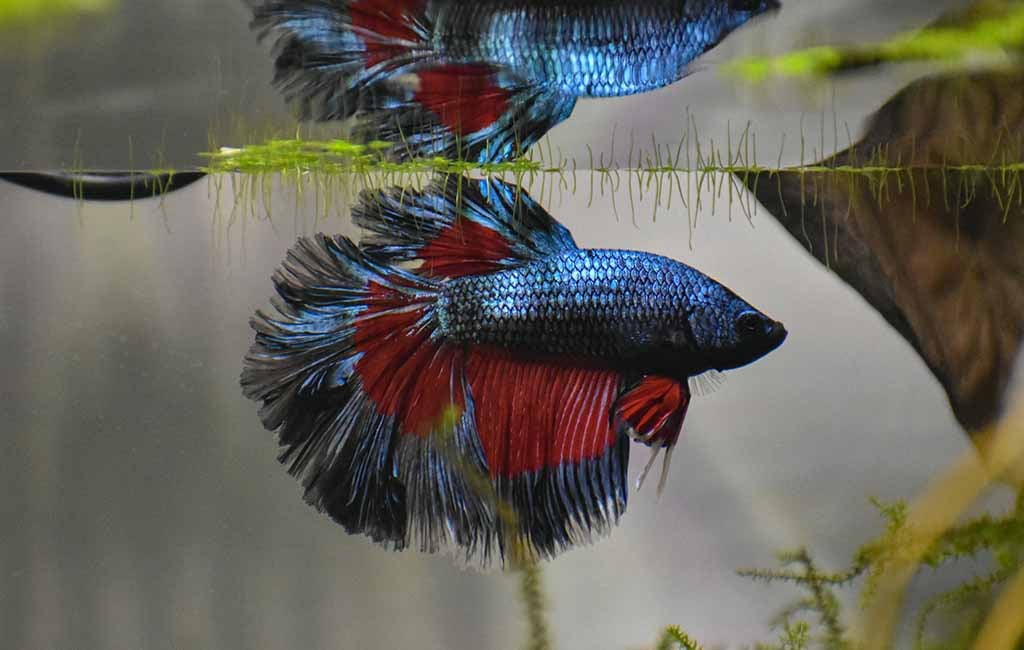
- Betta Fish: Bettas are prone to bacterial diseases if kept in unfiltered or dirty tanks. Hemorrhagic spots usually appear on their bodies and fins.
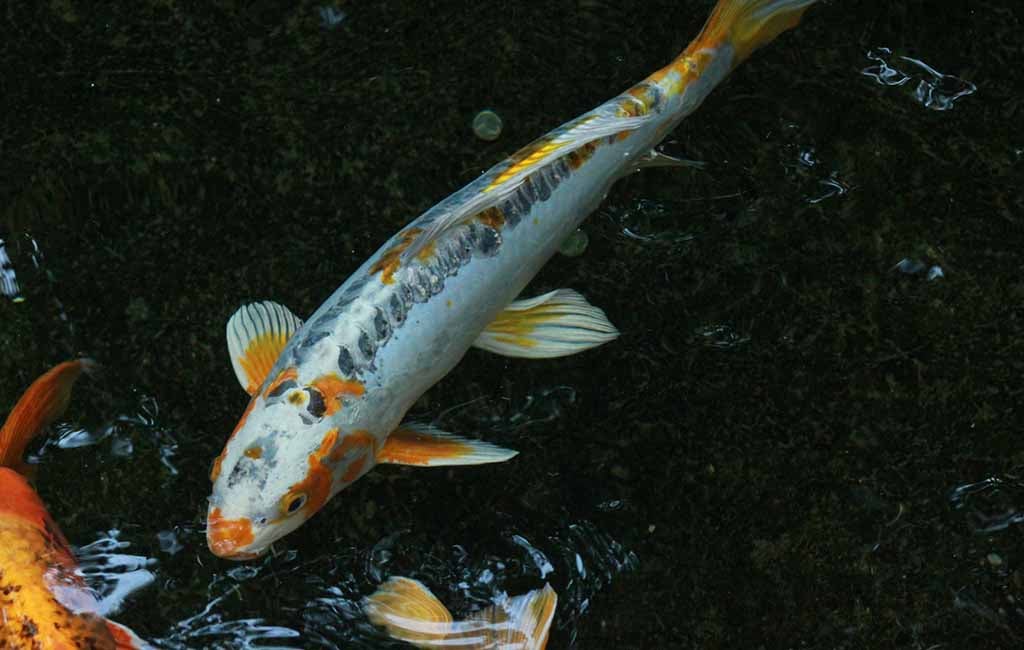
- Carps and Koi: These species can get viral hemorrhagic septicemia (VHS), a severe form of the disease affecting larger ponds.
In every case, early detection plays a huge role in saving fish lives. The moment you see unusual red marks or abnormal swimming, start treatment right away.
hemorrhagic septicemia treatment
How to Treat Hemorrhagic Septicemia in Fish
The hemorrhagic septicemia needs urgent and regular treatment. The primary objective is to kill bacteria and treat wounds, and stop additional infection.
1. Isolate the Infected Fish
Transfer a diseased fish to the quarantine tank. This helps to avoid the further spreading of the bacteria and enables better observation of the symptoms. The quarantine tank is to contain stable temperature and aerated water.
2. Improve Water Quality
Water change in the main tank should be done by 50 percent to eliminate bacteria and toxins. Wipe the filter and move the vacuum on the substrate to eliminate waste. Good water conditions promote faster recovery of fish.
3. Use Antibacterial Medications
Kanamycin, Tetracycline, or Oxytetracycline are useful in treating Aeromonas and Pseudomonas. The dosage should always be taken as prescribed. Excessive use of antibiotics may result in damage to your tank, which has good bacteria.
4. Add Aquarium Salt
A little aquarium salt (1 tablespoon to 5 gallons) is added to ensure that the fish recover quickly. Salt lowers the effects of stress and helps in avoiding secondary fungus. Do not use salt with species that are sensitive to salt, such as catfish.
5. Feed a Nutrient-Rich Diet
Give good food, particularly rich in vitamins, and especially vitamin C, to boost the immune system. Do not overfeed, and the food remains may contaminate water and aggravate the infection.
6. Maintain Optimal Temperature
Most tropical fish recover best at stable temperatures between 76°F and 82°F (24°C–28°C). The temperature change may retard the recovery process and stress the fish.
7. Use Herbal Remedies (Optional)
Some aquarists apply natural remedies like Indian almond leaves or the extract of garlic. They are mildly antibacterial and can aid in the recovery process when used correctly.
Treatment should last at least 7–10 days, or until the symptoms fade. After recovery, quarantine for another week so that the bacteria are eliminated.
Fish Species Are Susceptible to Hemorrhagic Septicemia
Which Fish Species Are Susceptible to Hemorrhagic Septicemia Disease
Hemorrhagic septicemia can develop in almost all freshwater fish, although certain species are also more susceptible than others. Fish with sensitive skin or those that are stored in bad conditions in the tank are more at risk.
1. Goldfish and Koi
These fish are sensitive to bacterial infections. Hemorrhagic septicemia is frequently evoked in them by outdoor ponds with varying temperatures. They also tend to be very susceptible during seasonal transitions or after heavy rains. So, it makes their immune system overwhelmed, and harmful bacteria multiply rapidly. Installing pond purifying light can play a preventive role to prevent them from fish hemorrhagic septicemia.
2. Betta Fish
The disease is easily contracted by bettas kept in small, unfiltered tanks. Some of the major causes include stress, dirty water, and abrupt temperature fluctuations. Their size is also a problem because they do not have enough swimming room. Their limited filtration allows ammonia to accumulate in their bodies and generate even more bacteria in the tank.
3. Guppies and Mollies
These little live bears are frequently confined in community tanks. Overcrowding and low hygienic conditions provide the optimal place where bacteria thrive. Abrupt pH changes or food residue may also be sources of infection, as well, which is why frequent cleaning and proper filtration are necessary to have consistent water levels.
4. Angelfish and Discus
The two species demand clean, warm water. They are likely to fall sick when their tanks get dirty or the food they feed on lacks nutrients. They should also be exposed to consistent temperatures and sensitivity. Because stress or incorrect acclimatization during transfers may provoke outbreaks of hemorrhagic septicemia within a short period.
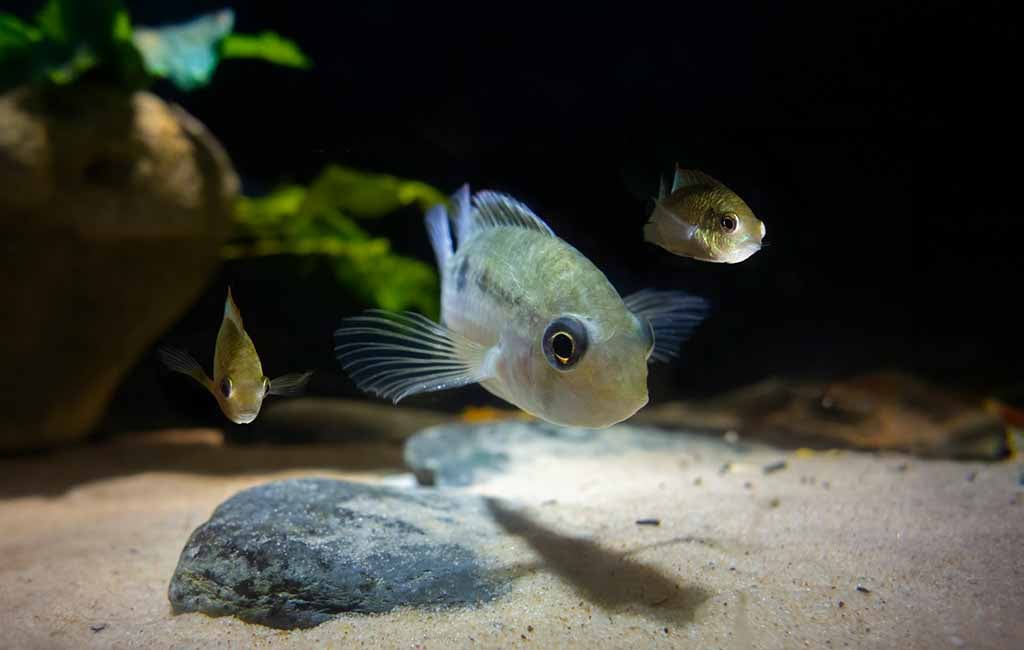
Hemorrhagic septicemia fish disease
5. Catfish and Loaches
Fish living at the bottom, such as catfish, have higher chances of picking up bacteria due to contaminated substrates. They tend to manifest themselves later, complicating treatment. They are always scavenging, and this exposes them to the harmful bacteria, particularly in tanks that have rotting food or waste that is not cleaned frequently.
Always check the parameters in the tank, such as pH, ammonia, and nitrate levels, to avoid infection. Displace 20-30 percent of water each week, and wash filters regularly. When introducing new fish, they should first be quarantined for at least two weeks before they are introduced to other fish.
Also, do not use sharp decorations or rough substrates that will hurt fish. Bacteria enter through wounds and result in hemorrhagic septicemia.
The Last Word
Hemorrhagic septicemia is a serious disease that can destroy an aquarium if ignored. The key to preventing it lies in maintaining excellent water quality, reducing stress, and quarantining new fish.
Once symptoms appear, act fast. Separate the infected fish, improve tank hygiene, and begin antibiotic treatment. Clean equipment thoroughly after every use and test water parameters regularly.
Remember, prevention is far easier than a cure. With consistent care and early observation, you can maintain a healthy aquarium and prevent this potentially dangerous bacterial infection. Your fish depend on your attention and quick response for their survival.
Related Products

Leave a comment