
Brooklynellas is one of the fatal fish diseases and proves extreme in the case of aquarium fish. Its fatality rate reaches almost 100%. Therefore, it is necessary to address it in the right way. In the following, you’ll learn about the basic understanding of anemonefish disease and Brooklynella, Brooklynella reasons, contagiousness, and Brooklynella treatment. Moreover, it is worth to learn the difference between Brooklynella and velvet disease. The last section will address this part as well.
Content Table
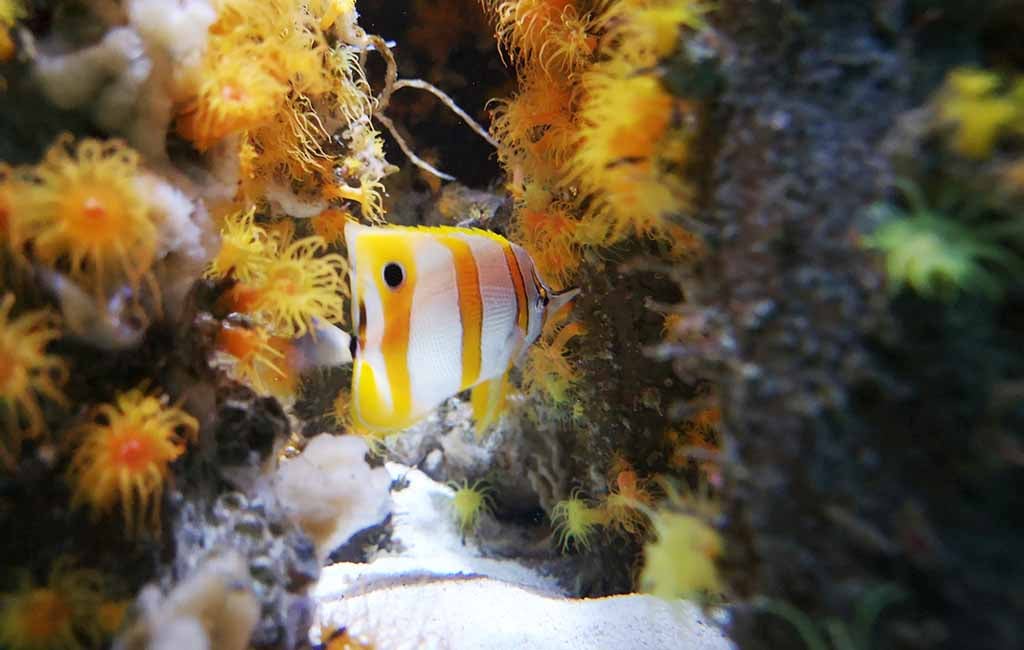
Brooklynella
Brooklynellosis Or Brooklynella In Aquariums
Brooklynellosis or Brooklynella is a fatal protozoan disease in fish. A ciliated protozoan causes this deadly disease. It looks like kidney beans covered in cilia. It attacks the fish’s gills and builds a mucous coating on them, resulting in respiratory problems. It always needs a host for spreading. Once it finds a host, it spreads like wildfire. Brooklynellosis affects all fish, but clownfish are more susceptible to this fatal disease.
The Causes Of Brooklynella
Here are the various reasons Brooklynella disease occurs in the tank.
- When an affected, unquarantined fish is introduced into the tank.
- Water transfer from an affected tank to a new or unaffected tank.
- It transmits from one affected fish to another fish.
How Fast Do They Affect an Aquarium?
They reproduce asexually. Therefore, they spread like wildfire. For this reason, you can see the serious fatal result in a few days. Sometimes, they prove deadly for fish even in a few hours. Generally, they attack every fish present in the aquarium. However, clownfish are specifically vulnerable to their attack.
What Are The Symptoms Of The Brooklynella?
Brooklynella is sometimes confused with Oodinium due to almost similar disease symptoms. However, you can visually differentiate between them with mucous coloration. Oodinium causes velvety mucous, while Brooklynella causes white mucous. Here are the rest of the symptoms, which are categorized into physical, respiratory, and behavioral.
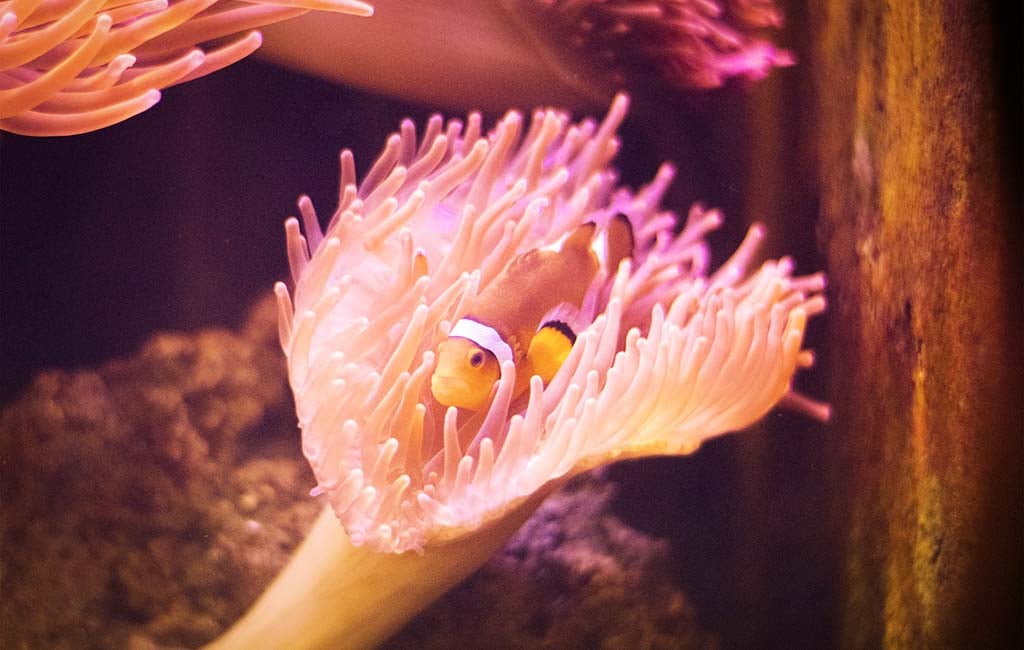
Brooklynese clownfish
Physical Symptoms
- A cloudy white mucus layer covers the skin and gills. Under severe conditions, it peels off or sheds the skin.
- It causes gray discoloration.
- You can observe the opaque, clamped, or rigid fins of affected fish.
- Under heavy attack, it breaks the gill tissues, which causes inflammation.
Respiratory Symptoms
- Affected fish breathe heavily, which indicates respiratory issues, as gills are covered with mucus.
- In severe cases, you can see the affected fish swimming near the surface and gasping for air.
Behavioral Change
- It makes the fish less active and timed.
- Fish lose their appetite.
- Fish’s body becomes stiff.
How Contagious Is The Brooklynella?
Brooklynella is a highly contagious disease. It affects the entire tank’s inhabitants in a shorter period, i.e., hours to days. The results are extremely fatal, and if it is not immediately addressed, you will face an almost 100% fatality rate of your fish. It is more fatal in a tank than in the natural environment, i.e., the sea.
Why Is It So Contagious?
It is contagious as it can spread in the tank in various ways. Here are some of them.
- Direct contact between affected and non-affected fish. This contact can be either skin-to-skin or gill-to-gill.
- A ciliated protozoan can freely swim in the water. It detaches from the affected fish, swims, and affects other fish in the tank.
- It also spread through shared equipment, e.g., nets, siphons, and buckets, between the affected and safe tanks.
- The new unquarantined fish can also introduce the parasite into the tank.
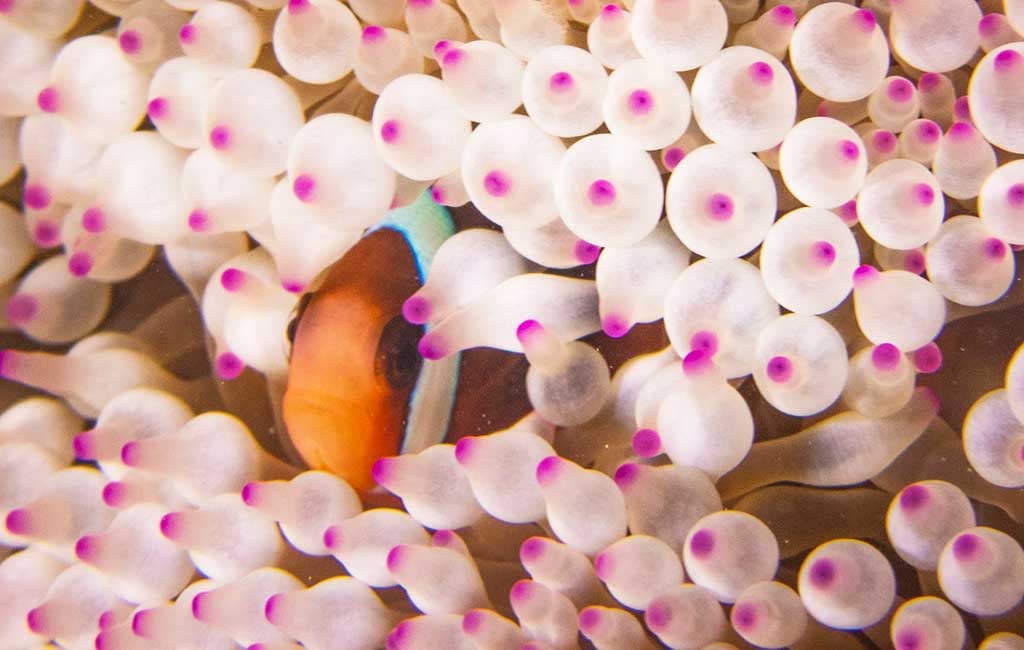
Brooklynese treatment
How To Treat Brooklynella In Clownfish?
Once you have seen the Brooklynella symptoms in your fish, immediately treat the affected fish. With proper treatment, you can see a visible difference within 10 to 14 days, but it’ll take about 6 weeks for full recovery. Here is the way to treat your affected fish.
Step-by-Step Guide
Quarantine
Once you have identified affected fish, transfer them to a separate, sterile quarantine tank.
Formalin Bath
Formalin bath is one of the most effective ways to treat the Brooklynella disease. Here is the procedure for it.
- Prepare a formalin bath. Usually, it has 37% formalin, and the rest is fresh water.
- Ensure that the bath is well oxygenated. You can improve its oxygenation by introducing an airstone in the tank.
- Give a 35 to 60-minute bath to the affected fish. The bath duration depends on the fish’s stress level. Once your fish feels relaxed, remove it from the formalin bath and transfer it to the quarantine tank.
- Repeat this bath for 5 consecutive days to ensure the parasite is eradicated.
Medication
After the bath, give a Metronidazole dose every 48 hours for 10 to 14 days.
Water Change and Inspection
Regularly change the quarantine tank’s water. Along with maintaining water quality, make the quarantine well-oxygenated. Regularly inspect the fish condition, i.e., mucus level, discomfort, gasping, and inactivity level.
Affected Fish Tank
Remove the other fish from the tank as well. It is also wise to quarantine them and check their behavior. If they need treatment, give them treatment along with the affected fish. Leave the affected tank fishless for at least 6 weeks. This duration will help kill the parasites with starvation.
Brooklynella vs Velvet
Brooklynella vs Velvet
| Feature | Brooklynella | Velvet |
| Cause | Brooklynella hostilis (protozoan ciliate) | Amyloodinium ocellatum (dinoflagellate parasite) |
| Common Hosts | Most marine fish, especially clownfish (very susceptible) | All marine fish, especially tangs and angelfish, are more vulnerable. |
| Contagiousness | Extremely contagious as it rapidly spreads in aquariums | Extremely contagious, as it can also wipe out tanks |
| Spread | Very fast
It can kill fish within 24–48 hrs if untreated |
Fast but slightly slower than Brooklynella
It takes 2 to 4 days to overwhelm fish |
| Key Symptoms | Heavy slime coat (whitish film)
Rapid breathing Lethargy Loss of appetite Skin peeling |
“Dusty” golden/yellow sheen on skin
Rapid breathing/gill damage Scratching Clamped fins Loss of appetite |
| Visibility of Parasite | Usually not visible; seen as a mucus coating | Parasites are visible as fine golden dust-like spots under light |
| Primary Infection Site | Gills and skin | Gills and skin |
| Mortality Rate | Very high,
If not treated quickly, it can often be 100% |
Very high
If not treated quickly, it can often be 100% |
| Treatment | Formalin baths
Freshwater dips Quarantine |
Copper-based treatments
Freshwater dips Quarantine |
| Tank Management | Fallow period of 4–6 weeks (no fish) | Fallow period of 6–8 weeks (no fish) |
A Call to Action
Brooklynella hostilis is one of the fatal aquarium diseases. It affects the gills and skin and causes white mucus, and disrupts respiration, besides other symptoms. The best option to quarantine affected fish, give them a formalin bath and leave the affected tank for 6 weeks for reuse. However, be careful with Brooklynella identification, as it has similar symptoms to velvet disease.
Related Products



Leave a comment