
Keeping turtles means dealing with water. A lot of water. These little aquatic creatures are messier than you might think, and their tank can go from clear to murky faster than most people expect. Water quality matters more than tank size or fancy decorations. Get the water wrong, and your turtle suffers. Get it right, and you have a healthy pet that thrives for decades. The question is not whether you should change the water but how often and how much. Let me walk you through what actually works.
Content Table
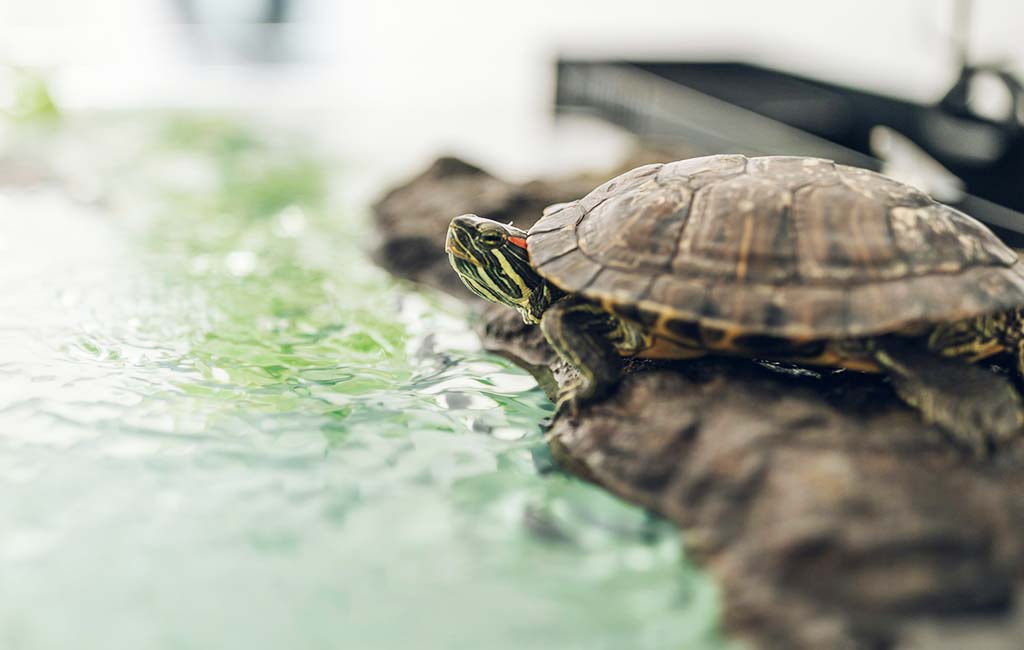
turtle tank water
Water in Turtle Tank
Turtles need clean, dechlorinated water. Tap water works fine once you treat it properly. Chlorine and chloramine in regular tap water can harm your turtle, so you need a water conditioner designed for reptiles or aquarium use. Some people use filtered water, which is fine, but not necessary if you treat tap water correctly.
The water level depends on your turtle species. Aquatic turtles need deep water for swimming, usually at least twice the length of their shell. Semi-aquatic species need both water for swimming and dry basking areas. The temperature matters too. Most aquatic turtles prefer water between 75 and 80 degrees Fahrenheit. You need a reliable water heater to maintain this range consistently.
Forget distilled water. It lacks minerals that help maintain proper pH levels. Spring water can work, but it gets expensive fast when you have a 40 or 75-gallon tank to fill.
Do Turtle Tanks Need a Water Filter
Yes. Absolutely yes. Turtles are not clean animals. They eat in the water, which means food particles scatter everywhere. They also defecate in the water, which creates ammonia. Without filtration, ammonia builds up quickly and becomes toxic.
A good turtle filter does three things. First, it provides mechanical filtration by trapping solid waste and debris. Second, it offers biological filtration through beneficial bacteria that break down harmful ammonia into less toxic compounds. Third, it creates water movement, which helps distribute oxygen throughout the tank.
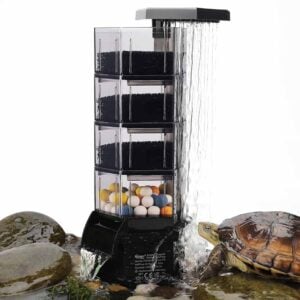
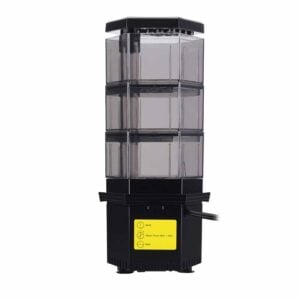
You need a filter rated for at least twice your tank size. If you have a 40-gallon tank, get a filter rated for 80 gallons. Turtles produce more waste than fish, so standard fish tank filters often cannot keep up. Hexagonal Prisms Turtle Filters work best for larger tanks. They provide strong filtration and hold more media. Hang on, back filters work for smaller setups but require more frequent maintenance.
Even with the best filter, you still need to change water regularly. Filters help, but they do not solve everything.
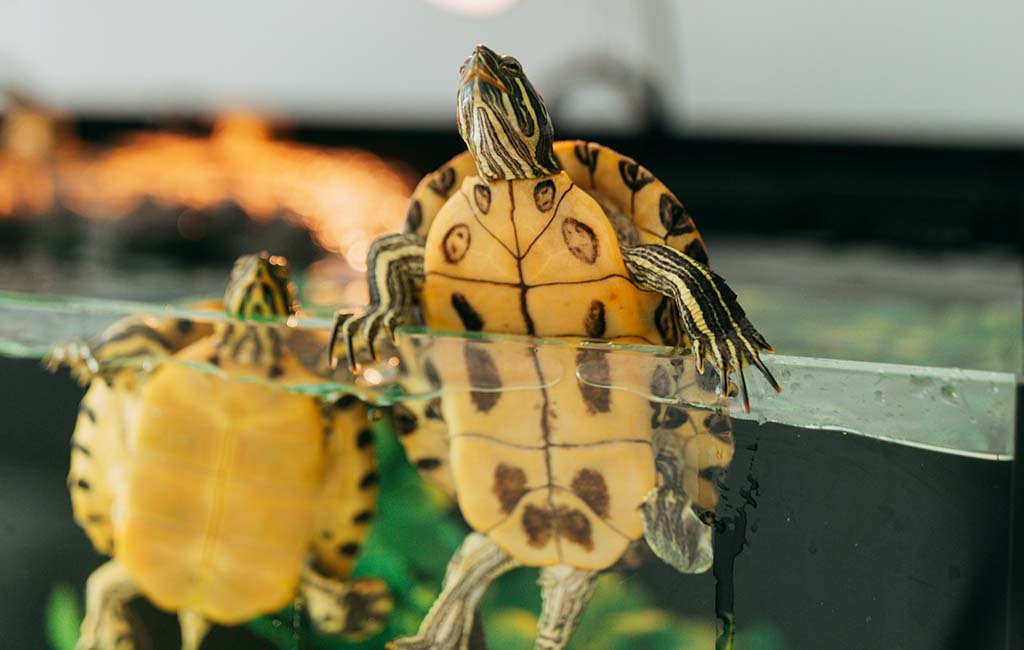
water filter for turtle tank
Keep an Eye on the Water for Your Turtle
Water parameters tell you what is actually happening in your tank. Testing the water sounds tedious, but it prevents problems before they become emergencies.
Test for these parameters weekly:
- Ammonia levels should always read zero. Any detectable ammonia means your filter is not working properly, or you have too much waste.
- Nitrite levels should also be zero. Nitrites are toxic to turtles and indicate incomplete biological filtration.
- Nitrate levels should stay below 40 ppm. Some nitrates are normal, but high levels require immediate water changes.
- pH should range between 6.5 and 8.0 for most aquatic turtles. Sudden pH swings stress turtles more than the actual number.
- Water temperature needs consistent monitoring. Use a reliable thermometer, not just your hand.
Buy a meter test kit instead of test strips. Strips are convenient but less accurate. Meter tests cost more upfront but give you reliable readings.
Cloudy water means something is off. It could be a bacterial bloom from overfeeding, inadequate filtration, or a mini cycle after water changes. Clear water does not always mean clean water, though. You still need to test parameters even when everything looks fine.
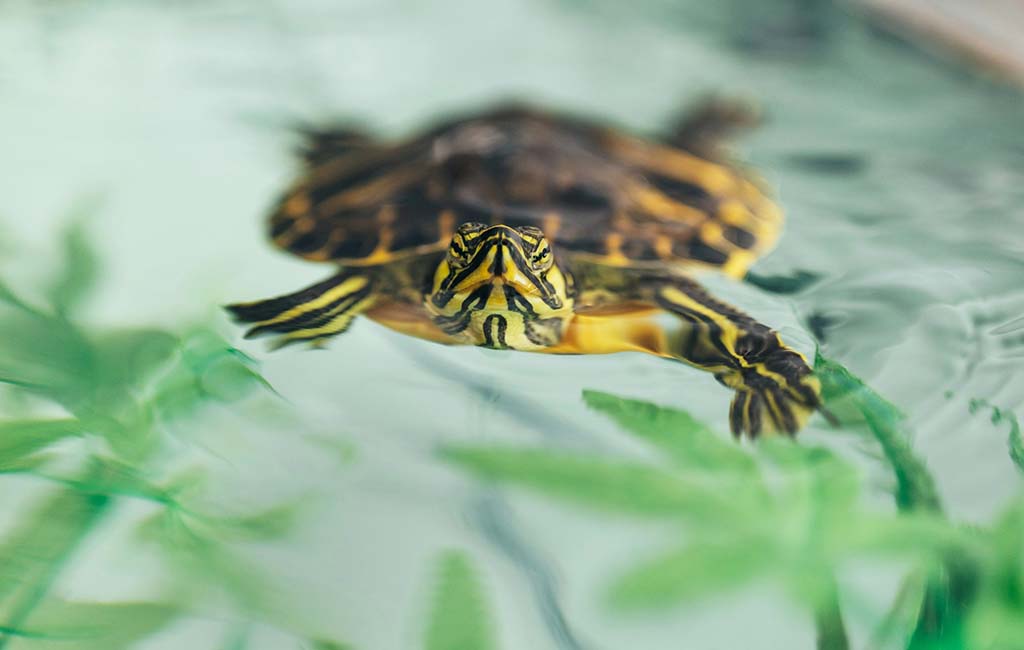
aquatic turtle tank water changes
Aquatic Turtle Tank Water Changes
Water changes remove accumulated nitrates, dissolved organics, and other compounds that filters cannot eliminate. They also replenish minerals and help stabilize pH. Changing water is straightforward but requires some planning.
- Replacement Water
First, prepare your replacement water. Treat it with a dechlorinator and let it reach room temperature, or slightly warm it to match your tank temperature. Cold water shocks turtles and stresses them unnecessarily.
- Displace Turtle
Remove your turtle if possible during major water changes. Place it in a secure container with some water while you work. This prevents injury and makes the process faster.
- Use Gravel Vacuum
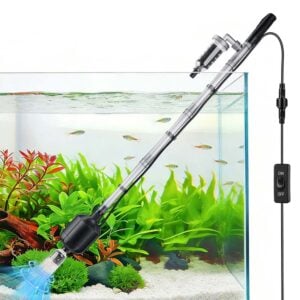
Use a gravel vacuum to siphon water out while cleaning the substrate. This removes waste that has settled on the bottom. Start from one corner and work your way across systematically. Do not disturb beneficial bacteria too much if you have an established biological filter.
- Add Treated Water
After removing the old water, slowly add the new treated water. Pour it gently to avoid stirring up debris or shocking your turtle with sudden temperature or chemistry changes. Check the temperature with a thermometer before adding your turtle back.
- Save Water
Save some old tank water during water changes. If you ever need to set up a hospital tank or treat an injury, having conditioned water helps reduce stress on your turtle.
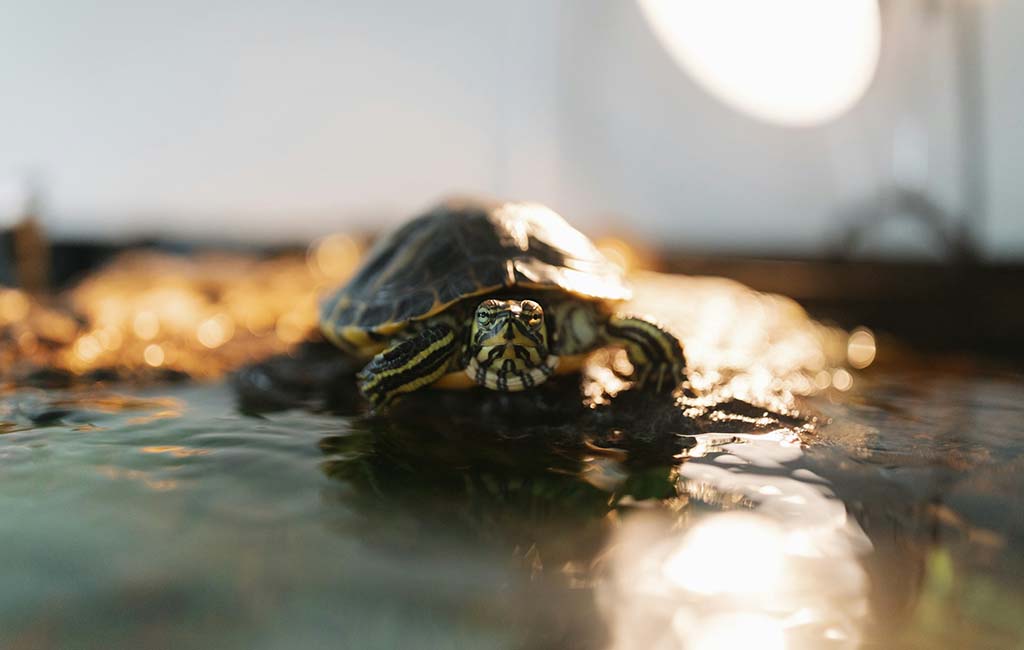
Change the Water in a Turtle Tank
How Often Should You Change the Water in a Turtle Tank?
This depends on several factors. Tank size, turtle size, filtration strength, and how much you feed all affect water quality.
- For tanks with strong filtration, change 25 to 30 percent of the water weekly. This removes nitrates and refreshes water chemistry without disrupting beneficial bacteria too much.
- Tanks with weaker filtration or larger turtles need more frequent changes. You might need to change 25 percent twice per week or 50 percent weekly.
- Small tanks under 20 gallons need even more attention. The small water volume means waste concentrates quickly. You might need to change 50 percent of the water two or three times per week.
- Some keepers do daily water changes of 10 to 15 percent. This method keeps parameters stable and reduces algae growth. It takes less time per session but requires daily commitment.
- Watch your water parameters. If nitrates climb above 40 ppm before your scheduled change, increase your frequency. If ammonia or nitrites show up between changes, your current schedule is not enough.
- Basking turtles that spend more time out of water might let you stretch water changes slightly. Fully aquatic turtles that rarely leave the water need more frequent changes.
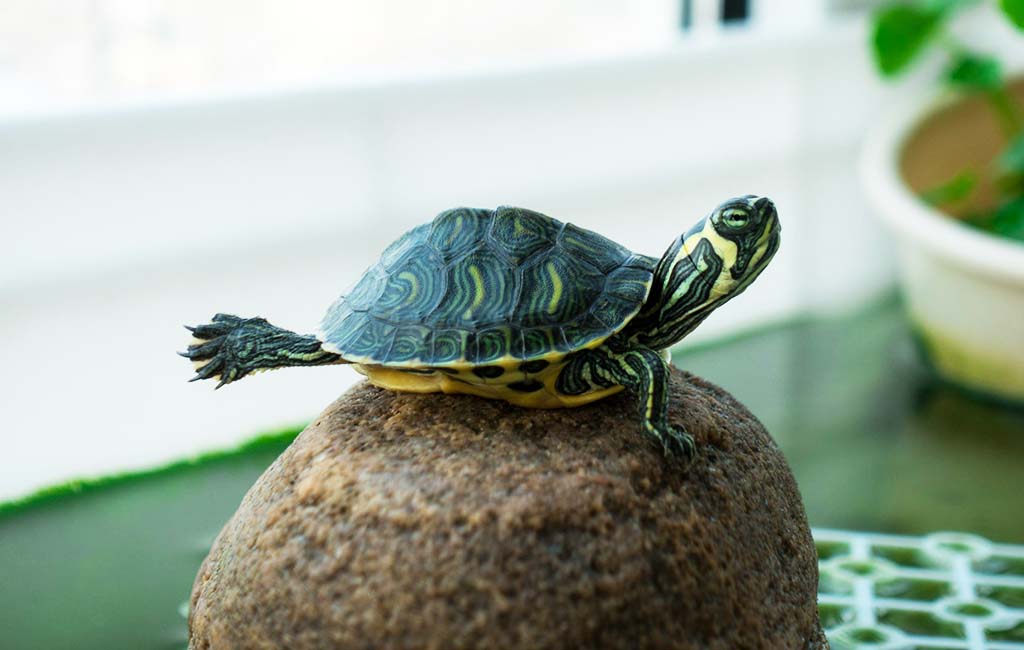
Maintaining turtle tank water
Turtle Tank Water Maintenance Tips
Feed your turtle in a separate container. This single change makes the biggest difference in water quality. No scattered food particles, no waste in the main tank. Just clean feeding, then return your turtle to its tank.
- Clean Filter
Clean your filter media regularly, but not too often. Rinse it in old tank water, never tap water. Tap water kills beneficial bacteria that break down ammonia. Replace mechanical filter media monthly, but keep biological media for months or years.
- Limit Food
Limit how much you feed. Overfeeding causes most water quality problems. Turtles are beggars and will act hungry even when full. Feed only what your turtle can consume in 15 to 20 minutes.
- Add Live Plants
Add live plants if your turtle does not eat them. Plants absorb nitrates and produce oxygen. They also give your tank a natural look. Anubias, Java Fern, and Amazon Sword tolerate turtle tanks well.
- Maintain Cleaning in Basking Areas
Keep basking areas clean. Turtles often defecate while basking, then slide back into the water carrying waste with them. Wipe down basking platforms weekly with reptile-safe cleaner.
- No Household Cleaners
Never use soap, detergent, or household cleaners on anything that goes in your turtle tank. These chemicals kill beneficial bacteria and poison turtles. Use hot water and elbow grease instead.
- Use a Slightly Bigger Tank
Consider getting a larger tank than you think you need. Bigger water volume means more stable chemistry and less frequent water changes. A single turtle does better in a 75-gallon tank than in a 40-gallon tank.
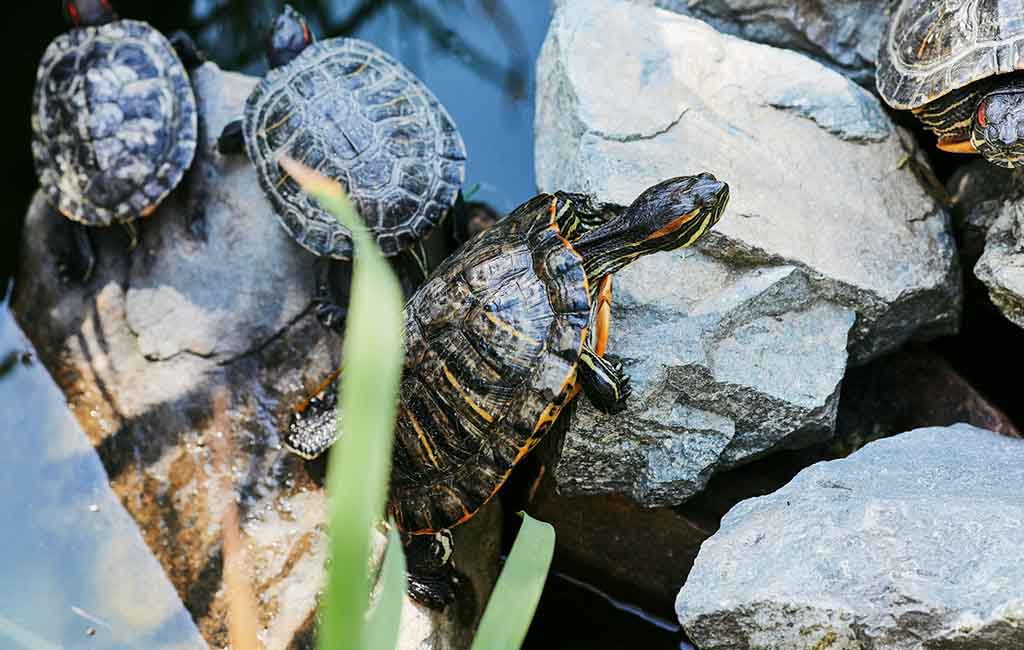
Turtle Tank Water Maintenance Tips
Looking Ahead
Maintaining proper water quality takes work. There is no shortcut or magic product that eliminates water changes. Regular testing, consistent maintenance, and understanding your specific setup make the difference between a struggling turtle and a thriving one. Your turtle depends entirely on you for clean water. Make it a priority, not an afterthought. The time you invest in proper water care pays off in years of companionship with a healthy, active turtle.
Related Products


Leave a comment