
To keep the aquarium clean, one should not only change the water regularly but also filter it properly. Maintaining your tank is a great way to change your tank cleaning routine by having a properly chosen cleanup crew. These industrious organisms feed off algae, recycle wastes, and maintain substrates in a natural, clean state. Knowing which clean-up crew members will fit your particular aquarium will save time and energy. This comprehensive beginner’s guide will help you select the perfect team for your aquatic environment.
Content Table
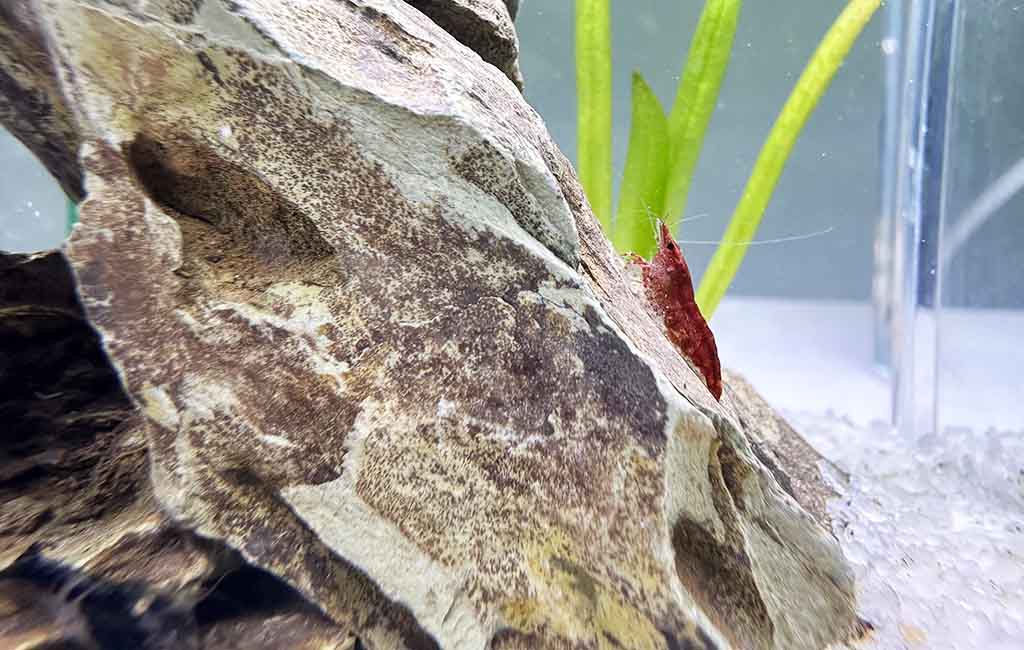
the clean-up crew for fish tanks
What Are Aquarium CUC Members
Clean-up crew members, also referred to as CUC, are helpful invertebrates and bottom dwellers. These animals will eat algae, detritus, uneaten food, and decaying plant material in your tank by natural selection. CUC members are mostly found on rivers, streams, coastal waters, and ocean bottoms throughout the globe.
They have adapted to become ecological recyclers and waste processors. Its common members are snails, shrimp, crabs, starfish, sea cucumbers, and other species of bottom-feeding fish. These living organisms have mouth parts and digestive systems that are specific in their ability to digest various types of waste.
Their operational activities contribute towards the preservation of water quality and the minimization of ammonia and nitrate accumulation. Some CUC members never sleep, as they spend their days and nights cleaning tanks.
Why Add Clean Up Crew Members
There are many more advantages than mere beauty to the addition of a clean-up crew to your aquarium. The organisms naturally decrease the algae growth on glass, decorations, and substrate surfaces significantly. They feed on remnants of food before it decays and contaminates your tank water to a great extent. Members of CUC contribute to the reduction of fish waste and dead plant material into small particles.
By this process of decomposition, the nutrients become more available to the useful bacteria in your filtration system. A balanced clean-up team decreases the rate at which manual cleaning and services are done.
They establish a more natural ecosystem that resembles the biodiversity in the wild habitat. Secondly, there are a lot of CUC members who are interesting to watch and provide tank behavioral interest. They are also active all the time, and this prevents the formation of the dangerous anaerobic pockets in the substrate layers.
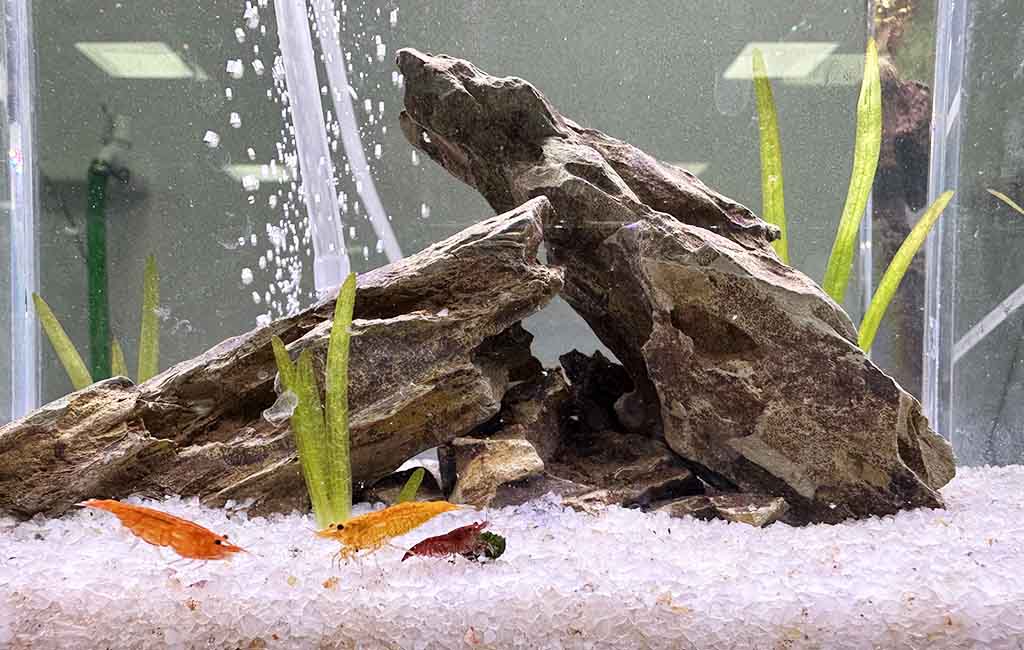
CUC guide aquarium
How Many Clean Up Crews Per Gallon
The number of CUC members to be determined is reliant on a variety of factors that are tank-specific. There is a general rule, indicating 1-3 snails or small shrimp to 3 or 8 gallons. This proportion, however, is to be altered depending on the production of bioload and waste in your tank. The large tanks that are heavily stocked and have a lot of fish have a higher proportion of clean-up crews that are required. Planted tanks that are lightly stocked might require fewer CUC members to prevent overgrazing of helpful algae.
Begin small with a few crew members and expand accordingly depending on the requirements. Keep track of the algae concentration, purity of the substrate, and the waste quantity to determine the performance over time. The species of CUC do not hold the same niches and, thus, diversity is usually better than numbers. Excess with the clean-up crew may create starvation and competition issues. Keep in mind that the members of CUC also generate waste, and as such, they become part of your total bioload.
When to Add a CUC to an Aquarium
Timing is essential when adding clean-up crew members to your aquarium ecosystem. Adding CUC to your tank should not be done until it is full of nitrogen. This will take between 4 and 6 weeks once you have installed your aquarium. The additional bioload should be safely and effectively supported by the establishment of beneficial groups of bacteria. When your tank displays solid ammonia and nitrite at zero, then you can go ahead.
It is prudent to incorporate CUC members step by step instead of making the whole crew at once. Harder species, such as snails, should be introduced first before the more delicate shrimp or crabs. One should give 2-3 weeks in between the addition of various species to check compatibility and adaptation. Other aquarists wait until the natural growth of algae before they add food, since they have a source of sufficient food. In the case of additions to an existing tank, the additions should be made at a slow rate to prevent overpopulation.
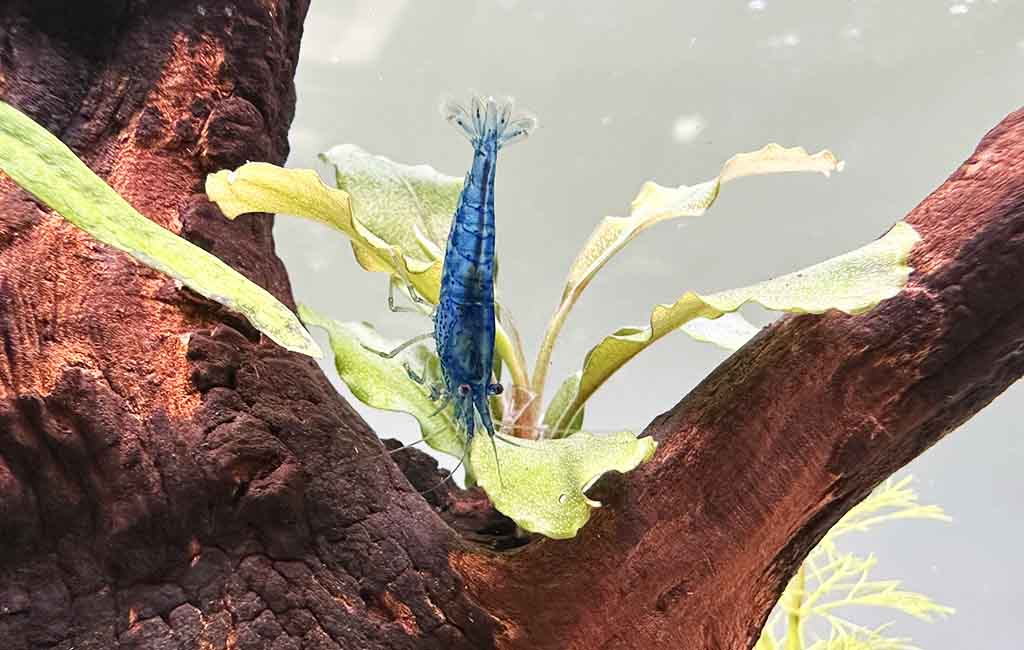
clean up crew for blackwater
Choose Clean Up Crew for Freshwater Tank
Snails for Freshwater Tanks
Nerite snails are great algae eaters that do not reproduce in freshwater, resulting in their extreme popularity. Malaysian trumpet snails are also found to be detritus-eating burrowing snails, and therefore, they effectively aerate their substrate during the night. The mystery snails expand and deal with different algae with the addition of color. Snails that multiply rapidly are called Ramshorn snails, which are very beneficial in controlling algae in highly planted tanks.
Shrimp for Freshwater Environments
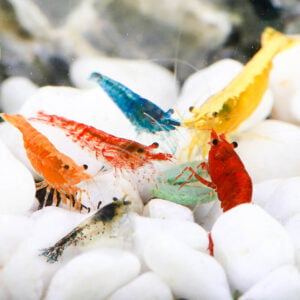
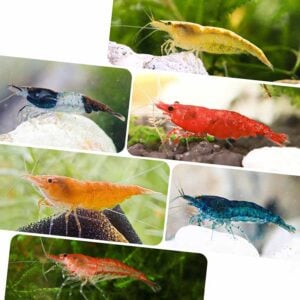
Cherry shrimp are richly colored and robust, and they forage on the algae and biofilm all day long. Amano shrimp are bigger, more violent algae consumers that attack the algae hair that other species do not. Ghost shrimp feed on the unconsumed food and dead plant material and are comparatively cheap and accessible. Bamboo shrimp feed on the water column, and a strong or medium flow of water is necessary.
Bottom-Feeding Fish
Corydoras catfish filter food particles in the substrate, and are nonaggressive and strongly social. Otoclinus catfish are also good for the removal of soft algae and are suitable for use in smaller tanks. The Bristlenose plecos remain rather small, and they are also effective in eating away at all the surfaces of the tank. Kuhli burrows in the substrate, feeding on detritus, with the added interest of movement and behavior.
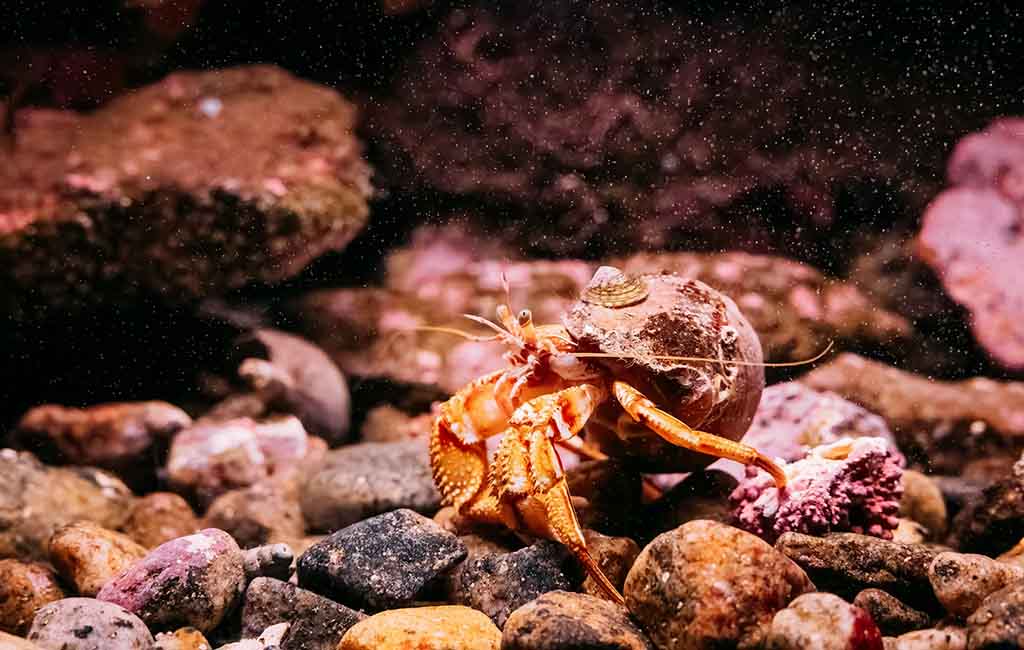
saltwater clean-up crew
Saltwater Clean Up Crew
Snails for Marine Aquariums
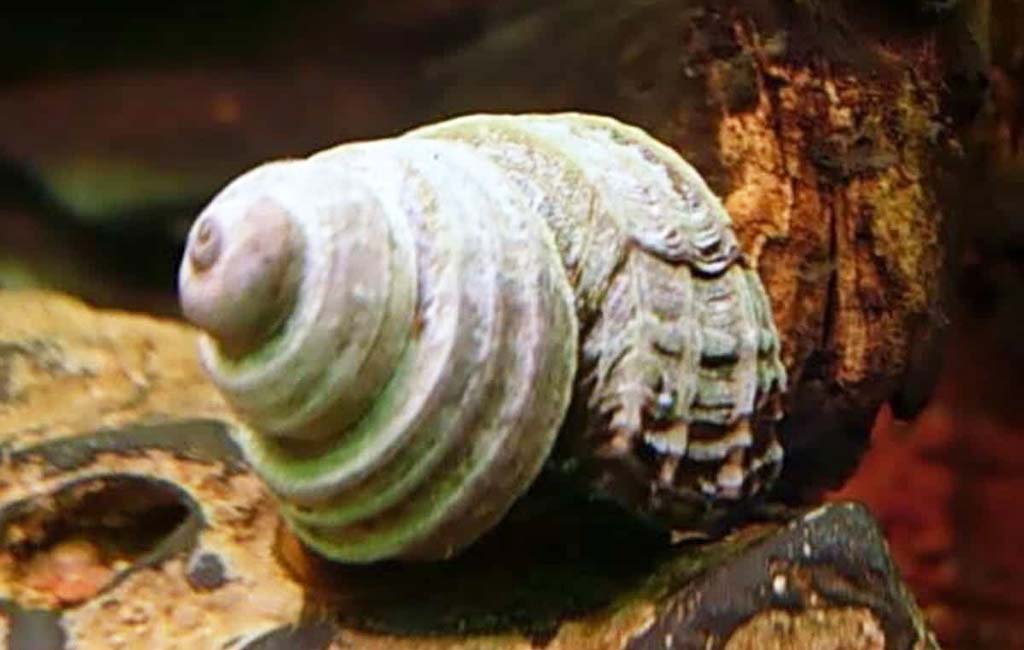
Turbo snails eat a lot of algae in a short period of time, as well as tire themselves on glass and rocks. Nassarius snails dig a hole in the sand and would rise quickly upon entering the tank with some food. Cerith snails are very small, prolific consumers of algae that can reach tight areas where bigger species cannot. The Trochus snails can flip over and back on their feet as well as deal with different types of algae.
Crabs and Hermit Crabs
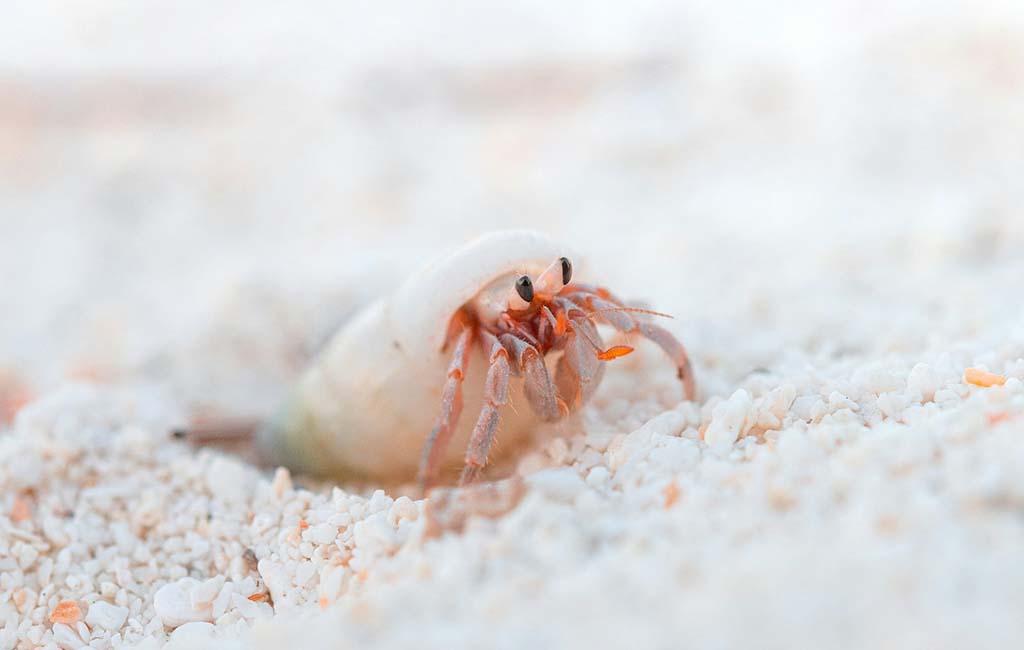
The hermit crabs with blue legs are small, effective scavengers that subsist on algae and detritus all the time. Scarlet reef hermit crabs are non-aggressive and will have fewer chances to bother other members of the tank. Emerald crabs also exclusively feed on bubble algae that are totally neglected by the other cleanup crew members. Sally lightfoot crabs are more active scavengers and are also larger in size, and need to be watched closely around the smaller tankmates.
Shrimp for Saltwater Tanks
Peppermint shrimp feed on the anemones of the aiptasia as well as scavenging food and detritus remains. Cleaner shrimp have cleaning stations and feed on fish, larvae, and cleanse them at the same time. Coral banded shrimp is quite beautiful but is also territorial and thus needs space and hiding places.
Other Marine Invertebrates
The sand is continuously processed by the sea cucumbers, which ensure that the substrate in the reef system is clean and that it remains well-oxygenated. Sand-sifting starfish systematically dig into material (eating organic matter and small organisms) at all times. Conch snail fighting removes sand beds and feeds on detritus, and mixes the substrate effectively.
The Clean Up Crew for Blackwater Tanks
Blackwater aquariums pose special demands in which the selection of cleanup crews has to be done with a careful hand. These tanks contain acidic water of low PH and low hardness containing tannins. The Malay trumpet snails can also survive in acidic environments, unlike the other snail species found in the market. Nevertheless, calcium supplements could be needed in order to sustain healthy shells in soft water. Sulawesi shrimp are naturally adapted to such environments, and they survive in a low PH blackwater environment.
Otocinclus catfish can be effectively reared in blackwater conditions, and they can digest the soft algae growth. The Corydoras species that inhabit the South American blackwater conditions are well suited in these niche habitats. Naturally, leaf litter decays in blackwater tanks, and this is an attraction for microfauna that are some of the CUC members.
Do not use species that demand hard water or a high PH level because they will not do well at all. Study the natural habitat parameters of each species before placing them into the blackwater tank systems.
Aquarium Clean Up Crew
Rounding Out the Discussion
The choice of the appropriate cleaning crew makes the maintenance work of the aquarium more of a fun. It is important to know the needs and parameters of your tank, as well as the bioload, to integrate and operate CUC successfully. Begin on a limited scale, take notes, and increase or decrease the crew makeup as time progresses.
The balanced clean-up team has a flourishing, self-sustaining ecosystem that is beneficial to all the residents. CUC will keep your aquarium clean throughout the years with the right selection and treatment.
Related Products

Leave a comment