
Imagine you have a fish tank, and you observe some disease symptoms. You start treatment without properly identifying the root cause. After a few days of treatment, you don’t see any health signs. If you are facing the same issue, this article is for you.
Content Table
Sometimes, fish’s rare diseases share some common symptoms. Therefore, you need to learn which conditions are rare fish diseases and common symptoms of rare fish diseases. Moreover, a proper troubleshooting method for problem identification and a treatment path are part of this article. At the end, you will find a case study for why you need to follow a proper identification and treatment path.
fish rare diseases
Rare Diseases Are Very Easy to Misjudge in Fish
Many fish diseases share symptoms. These shared symptoms lead to confusion. Sometimes, this confusion results in fish mortality. Aquarists consider and treat fish according to some common diseases, while in reality, fish are affected by some rare diseases. The following table describes some such scenarios.
| Root Cause | What It Looks Like | What It Is Often Mistaken For |
| Water quality problems | Gasping | Bacterial infection |
| Hiding | ||
| Red streaks | Parasites | |
| Pale color | ||
| Parasites | White spots | Fungal infection |
| Cloudy skin | Velvet | |
| Scratching | Ich | |
| Bacteria or viruses | Ulcers | Water quality issues |
| Fin damage | ||
| Bloating | Nutritional problems | |
| Producing huge waste | ||
| Nutritional deficiency | Color loss | Chronic infection |
| Lethargy | ||
| Fin holes | Parasites | |
| Spine curve | ||
| Poisoning (ammonia, nitrite, chemicals) | Erratic swimming | Neurological disease |
| Red gills | Gill flukes | |
| Gasping |
Common Symptoms Look the Same
One of the main reasons for misjudging the disease symptoms is that many diseases share common symptoms. A single symptom is shared in multiple diseases. For example, fish hide in a tank for various reasons. Here is a table for such disease symptoms, causes, and reasons. While reading the table, keep in mind that many symptoms are caused by poor water quality. Therefore, while treating the diseases, the first step is to test and address the water quality.
| Symptom | Possible Causes | Most Common Reason |
| Hiding / lethargy | Virus | Poor water quality |
| Stress | ||
| Ammonia | ||
| Injury | ||
| Parasites | ||
| Low oxygen | Low dissolved oxygen or ammonia | |
| Rapid gill movement/mouth breathing | ||
| Gill flukes | ||
| Ammonia spike | ||
| Faded color / pale patches | Stress | Stress or poor diet |
| Velvet | ||
| Columnaris | ||
| Nutritional deficiency | ||
| Fin rot / ragged fins | Poor water | High nitrates + bacterial infection |
| Bacteria (Aeromonas/Pseudomonas) | ||
| Fin nipping | ||
| White spots | Ich | Ich (Ichthyophthirius multifiliis) |
| Columnaris | ||
| Lymphocystis | ||
| Velvet | ||
| Fungus | ||
| Ulcers / open sores | Furunculosis | Secondary bacterial infection |
| Mycobacteriosis | ||
| Injury + bacteria | ||
| Bloating/pinecone scales | Dropsy | Bacterial kidney failure (Dropsy) |
| Internal parasites | ||
| Swim bladder disorder | ||
| Spinning / erratic swimming | Streptococcus (neurologic) | Ammonia/nitrite toxicity |
| Internal parasites | ||
| Ammonia poisoning |
Why Are Fish Rare Diseases Prone to Misdiagnosis?
Poor Water Quality
One of the major reasons for misdiagnosis is poor water quality. It looks almost exactly like a disease. For better understanding, read the following.
- High ammonia causes red-streaked fins. This red-streaked fin rot almost looks like fin rot.
- Low oxygenation in the tank causes fish to gasp, which mimics Gill flukes.
- The nitrite spike leads to erratic swimming behavior. This symptom is also caused by neurological diseases.
In short, most of the aquarium fish problems are caused by stress on fish. One of the biggest reasons for fish stress is bad water quality.
Which conditions are the fish’s rarer diseases
Parasites vs. Bacteria vs. Virus
The other major reason for misdiagnosis after water quality is that parasites, bacteria, and viruses cause diseases. They all cause almost identical visual symptoms. These apparently similar symptoms confuse. For example, Lymphocystis is a viral disease. It causes cauliflower-like bumps. These bumps are mistaken for marine ich. While the marine ich is a parasitic disease.
Now, imagine this: you are treating a virus with an antiparasitic medication. Similarly, you are treating a bacterial infection with some antifungal medication. The result you can imagine without my words.
Which Conditions Are the Fish Rarer Diseases?
Here is a table about some serious conditions that require special attention, which are commonly confused with common diseases. It includes rare diseases and trigger conditions commonly mistaken for symptoms.
| Rare Disease | Trigger Conditions | Commonly Mistaken For | Key Tell |
| Mycobacteriosis (Fish TB) | Chronic poor water quality | Wasting disease | Excessive weight loss in weeks or months |
| Old established tanks | Malnutrition | Ulcers | |
| Irresponsive to water treatment | |||
| Dwarf Gourami Iridovirus (DGI) | Inbreeding | Bacterial infection | Color fading and muscle deterioration |
| Imported stock | Fin rot | Exclusive to gouramis | |
| Stress | Always fatal | ||
| Neon Tetra Disease | Microsporidia parasite | Ich | White patches, which is incurable on ich treatment |
| New fish introduction | Columnaris | Muscle breakdown | |
| Stress | |||
| Lymphocystis | Viral | Ich | It shows cauliflower-shaped growth |
| Triggered due to stress and poor water quality. | Tumors | Not flat spots | |
| Fungal infection | It grows slowly. | ||
| Vibriosis | Vibrio bacteria | General bacterial infection | Red streaks, bulging eyes, and lethargy |
| Caused by live foods | Dropsy | It can affect humans | |
| Internal hemorrhaging | |||
| Streptococcosis | Streptococcus spp. | Ammonia toxicity | Spiral or spinning swimming |
| Live food contamination | Swim bladder | It affects rainbow sharks, danios, cichlids | |
| Nephrocalcinosis | Water hyperoxia/hypercapnia in intensive setups | General illness | Diagnosed via necropsy |
| Dropsy | Mimics many conditions externally |
How To Identify That Your Fish Has a Rare Disease?
Here are some red flags that will help you to understand that your fish has fallen for some rare disease.
- The disease is not showing any recovery even after water change and optimization of water parameters.
- In multi-species tanks, only a single type of species is affected.
- Fish is losing its muscles over a period without any obvious reason.
- Fish is showing cauliflower-shaped growths instead of powdery or flat growth.
- In normal water parameters, fish show neurological disease symptoms, e.g., spinning or corkscrewing.
- Fish is completely unresponsive to ich, bacterial, or antiparasitic treatments.
Make notes about your fish
Take Notes for Your Fish
Before following the medication path, it is important to make notes about your fish. The proper inspection notes will help you to draw a clear picture. It will help you in making a better bond and understanding of your fish. Moreover, these notes will also help you during a vet visit, consultation with an expert, or discussion in a forum thread. Here are observation tables; you can print them out.
Notes About Tank
| Parameter | Observation |
| What is your tank’s type? Freshwater, saltwater, planted, or any other. | |
| What is the tank size? |
Species And Numbers
| Observation Parameter | Comment |
| How many different species are there in your tank? | |
| What is the total fish count? | |
| How many fish species are affected? | |
| The number of fish species that are affected. | |
| Is a specific species affected, or has each species fallen sick? |
Water parameter
Check the water parameters and fill in the readings in the respective column. Also mentioned is whether the value falls into an optimal range or not.
| Parameter | Value | Comment | |
| Optimal | Not Optimal | ||
| Ammonia | |||
| Nitrite | |||
| Nitrate | |||
| pH | |||
| Temperature | |||
| General Hardness (GH) | |||
| Carbonate Hardness (KH) | |||
Breathing
Fish breathing gives huge insight into the fish’s behavior and health. Fill the following tank.
| Observation Point | Comment |
| Is the fish breathing normally or rapidly? | |
| Is the fish gasping? |
Visible symptoms
What symptoms are you observing in your fish? It could be a single or multiple. If you are observing something else, write at the bottom, in front of “Others”.
| Symptoms | Comment |
| White spots | |
| Fuzzy patches | |
| Ulcers | |
| Bleeding | |
| Bloating | |
| Pinecone scales | |
| Others |
Behavior
The other observation aspect to identify your fish’s health is fish behavior.
| Behavior | Comment |
| Hiding | |
| Spinning | |
| Floating | |
| Rubbing against decor |
Fish Entry
| Question | Comment |
| Have you introduced any new fish recently? | |
| Was the new fish properly quarantined? | |
| Is the new fish behaving properly? |
Changes In Tank
Have you recently made any changes to your tank setup? For that, fill in the following table.
| Changes | Comment |
| Have you added any new decor or multiple decor? | |
| Have you changed the substrate? | |
| Have you added new aquatic plants? |
Filter Change
The filter contains the bacterial colony. Any disturbance also causes disturbance in the biological filtration of the tank. Here is an observation table for that.
| Question | Comment |
| Have you installed a new filter? | |
| Have you changed the chemical filter regularly after every 30 days? | |
| Are you cleaning the filter regularly? |
Water Changes
| Question | Comment |
| How often do you change water in your tank? | |
| How much water do you change every time? | |
| Have you developed a water change frequency schedule or not? | |
| Are you changing the water regularly, i.e., weekly, bi-weekly? | |
| Is there any change in the water source? |
Food
| Question | Comment |
| Have you introduced any new food? | |
| What kind of food are you feeding them, i.e., live, frozen, or pellets? | |
| Are you offering any versatility in food? |
Time Line
| When did symptoms first appear? | |
| Is the condition stable or getting worse? |
Symptoms of fish rare diseases
Handle the Priority Steps
When you sense that something is going in an odd direction, don’t wait for a complete fall. Instantly go for troubleshooting. Follow the following steps in order. Don’t miss any of them. Otherwise, you will be unable to identify the root cause and cure the disease.
Test Water Parameters
Bring out your water parameter testing kit. Check ammonia, nitrite, nitrate, pH, and temperature before any further inspection. Change 25 to 30% of tank water and optimize water parameters.
Let Them Breathe for Some Time
After a water change, wait for 24 to 48 hours and inspect the fish behavior. Usually, optimal water quality fixes the problem.
Quarantine
If the problem is not solved, set up a quarantine tank. Transfer the sick fish into that tank. It will help to avoid the spread of disease. Moreover, your biological filter will also be safe in the old tank.
Identify the Problem
Now, it is time to look at the symptoms. Decide whether it is parasitic, bacterial, viral, or an environmental disease. If you are unable to define a category, divide it into multiple tiers, i.e., broad, and gradually narrow.
Treatment
Start fish treatment with the broad category. For example, in case of bacterial infection, start treatment with clean water and a gentle antibiotic, e.g., Kanaplex. Similarly, treat parasites. Start with broad antiparasitic medication or heat treatment.
Consult a Vet Or Professional
Continue treatment for 5 to 7 days. If your fish is not showing signs of recovery, it is time to consult a professional. Visit the fish veterinarian or experienced aquarists with complete notes and tables. You can also visit some credible fish communities on Reddit’s r/Aquariums.
Avoid Multiple Treatments
It is important to avoid multiple treatments at once. Do only one type of treatment at a single time. In this way, you can observe the result of medication in a certain way. Moreover, multiple treatments can cause stress that leads to further issues.
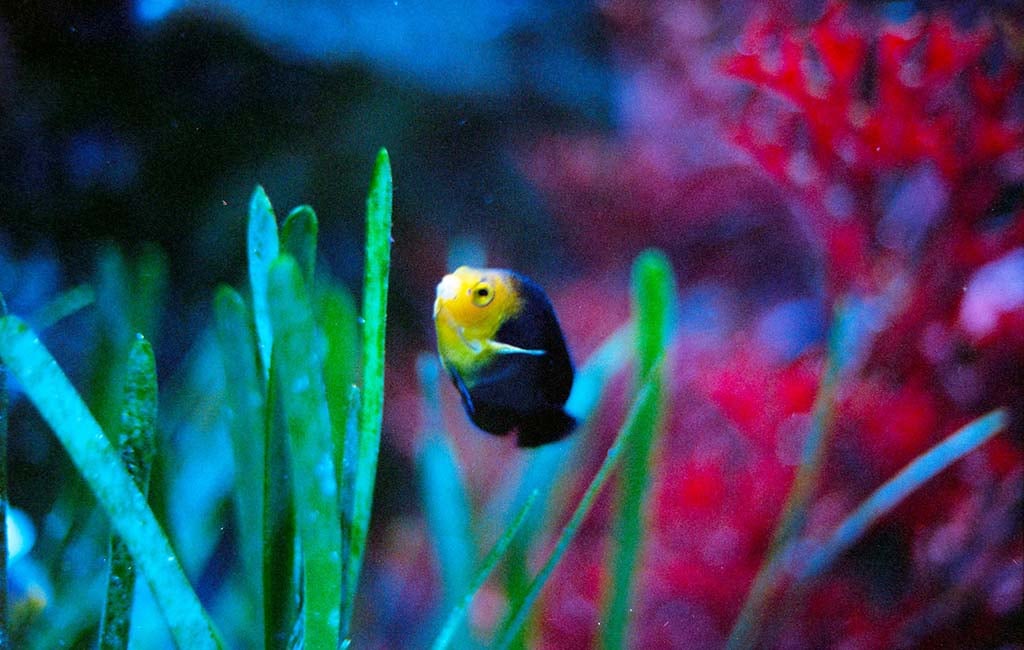
Fish rare disease cases
Cases Study
A small rainbow trout aquaculture unit in Romania experienced a sudden surge in fish deaths in tanks. Fish in the 12 tanks, regardless of age group, were affected. The affected fish were showing septicemia symptoms, which include redness, lethargy, loss of appetite, and hemorrhaging. Staff assumed it was a bacterial disease and treated the fish for Aeromonas bacteria. Indeed, fish have the bacteria.
However, the twist was that it was not the root cause. Using advanced chemical analysis results, it was found that the tank had serious environmental issues. Oxygen levels, water chemistry, and facility design were messed up. This mess leads to stress among fish and affects fish’s immune systems. In this situation, the bacteria enter the fish, and the rest is done in this dying environment. Fish kept on dying when they were treated with only a bacterial perspective. However, with fixing the environment and treating the bacteria, things come under control.
Similar to this case study, don’t cure a disease based on some apparent symptoms. Follow a clear methodology for root cause identification, use the observation tables, and the troubleshooting method. Treat the root cause after root cause identification.
Related Products


Leave a comment